
Ghumoopedia — Explore, Discover, Experience
Sign in
Sirpur, near Sirpur

City guide · Chhattisgarh

Sirpur

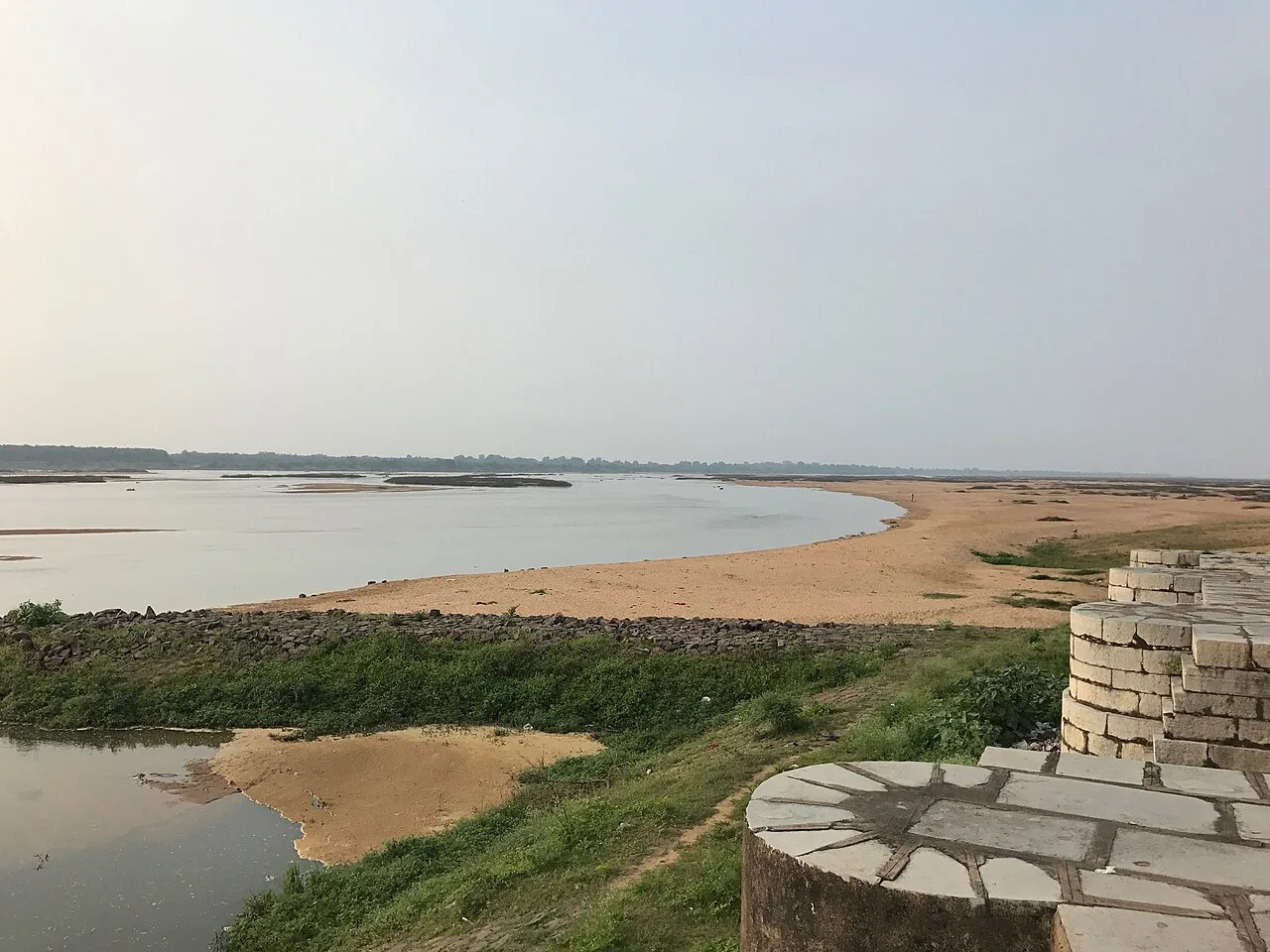
Sirpur is a village on the Mahanadi in Mahasamund district, about 35 km from Mahasamund and 78 km from Raipur. Its importance comes chiefly from the Sirpur Group of Monuments, an archaeological landscape of Hindu, Buddhist and Jain temples and monasteries dating broadly from the 5th to the 12th century.

Famous for

  • Sirpur Group of Monuments
  • Lakshmana Temple
  • Buddhist monasteries
  • Jain heritage
  • Mahashivratri fair
In the city
1
District
Mahasamund

Why Sirpur matters

Sirpur is a village on the Mahanadi in Mahasamund district, about 35 km from Mahasamund and 78 km from Raipur. Its importance comes chiefly from the Sirpur Group of Monuments, an archaeological landscape of Hindu, Buddhist and Jain temples and monasteries dating broadly from the 5th to the 12th century. The remains reflect a period when Sirpur was a capital of the Panduvanshi dynasty and a major religious centre in the region.

Visitors come to see the celebrated Lakshmana Temple, other excavated shrines and monastic remains, and the setting beside the river. The site is notable for evidence of different faiths flourishing in close proximity, rather than for a single monument alone. Sirpur also draws pilgrims, particularly around the Mahashivratri fair, and is a rewarding stop for travellers interested in central Indian history and architecture. Its quiet village setting contrasts with the scale and variety of the archaeological remains, while Raipur and Mahasamund provide the main regional connections.

Famous for: crafts, trade & products

Sirpur is best known for its archaeological heritage, not for a signature textile, handicraft, industrial product or large commercial market. Its most distinctive local attractions are the excavated temples and monasteries, including the Lakshmana Temple and remains associated with Hindu, Buddhist and Jain traditions. Visitors can focus their time on the monument precinct and its carved stonework; the village is not established as a specialist shopping destination.

There is no widely recognised Sirpur-specific GI-tagged product or documented manufacturing cluster to seek out. Chhattisgarh is known more broadly for crafts such as kosa silk, bell-metal work, terracotta, bamboo work and wrought-iron objects, but these should not be assumed to originate in Sirpur. Travellers hoping to shop for regional crafts or a wider selection of goods are more likely to find options in larger centres such as Raipur. In Sirpur, plan primarily for heritage visits rather than shopping, and check locally for any small-scale offerings available during a visit or festival.

History

Known in historical records by forms including Shripur and Sripura, Sirpur became an important centre on the Mahanadi and served as the capital of the Panduvanshi dynasty. Its surviving archaeological landscape points to a flourishing settlement with religious institutions and public facilities. Excavations have brought to light temples dedicated to Shiva and Vishnu, Buddhist and Jain establishments, and remains interpreted as a market and bathing complex. The monuments span several centuries, broadly from the 5th to the 12th century, and show artistic and religious connections across traditions.

The Chinese traveller Xuanzang described a place of monasteries and temples in this region. In 1872, Alexander Cunningham visited Sirpur, and his account of the Lakshmana Temple helped bring the site wider attention. Archaeological investigations resumed after 1950 and expanded significantly from 2003, revealing more of the settlement. Today, Sirpur is valued as a heritage and pilgrimage destination, with conservation and interpretation focused on its extensive group of remains.

Food, festivals & culture

Sirpur's cultural life is shaped by its shared Hindu, Buddhist and Jain heritage. The Mahashivratri fair is the village's prominent annual gathering, bringing pilgrims and visitors to the area; Mahashivratri usually falls in February or March. The monument precinct also makes Sirpur a place of interest for visitors exploring Buddhist and Jain history, not only Hindu worship. Hindi and Chhattisgarhi are widely used in the region, while visitors may hear other languages spoken by pilgrims and travellers.

Food is rooted in the rice-based cuisine of Chhattisgarh. Regional dishes can include chila, fara, rice preparations and seasonal vegetables; khurmi and dehrori are among sweets associated with the wider state. These are regional food traditions rather than dishes unique to Sirpur, and eating options in a small village may be limited. Chhattisgarhi folk music and dance are part of the wider cultural setting, though performances are not a daily feature of the archaeological site. The fair season offers the clearest opportunity to experience a larger local gathering.

Visiting the city

The cooler months, roughly October to March, are generally the most comfortable for exploring the monuments. Sirpur is about 78 km from Raipur and can be reached by road, including via National Highway 53; buses connect the area with Raipur. Swami Vivekananda Airport in Raipur is the nearest airport, and Mahasamund railway station, about 35 km away, is the nearest main rail connection. Arrange onward road transport from either hub.

The archaeological precinct is the main area to explore, with time for the temples, monastery remains and the Mahanadi setting. The village itself is small, so do not expect extensive urban neighbourhoods or shopping districts. Barnawapara Wildlife Sanctuary is a nearby option for a separate nature-focused outing. Allow time for travel between sites and check local conditions before setting out.

Attractions

Places to visit in Sirpur

Sights within about 12 km of each other, even when they fall in different districts.

Map

Sirpur on the map

  1. 1Sirpur

Chhattisgarh

Other cities to explore