
Ghumoopedia — Explore, Discover, Experience
Sign in
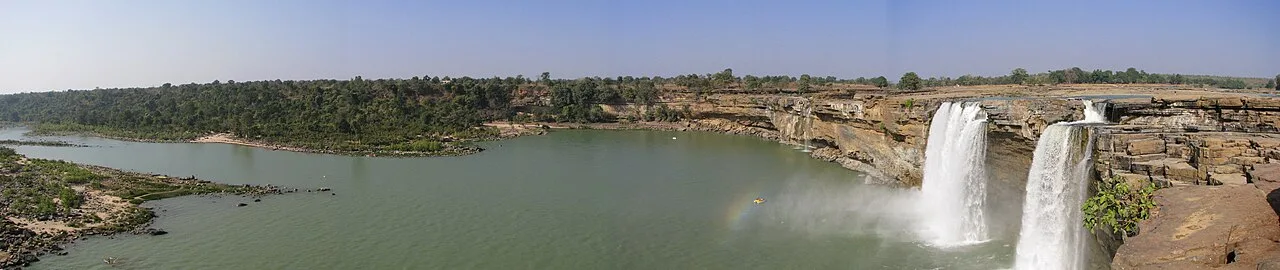
Chitrakote Falls, near Bastar

City guide · Chhattisgarh

Bastar

Bastar is a forested district and cultural region in southern Chhattisgarh, with Jagdalpur as its administrative headquarters and principal urban gateway. Its importance comes from the meeting of Indigenous traditions, regional markets and natural landscapes.

Famous for

  • Bastar Dussehra
  • Bastar Dhokra craft
  • Chitrakote Falls
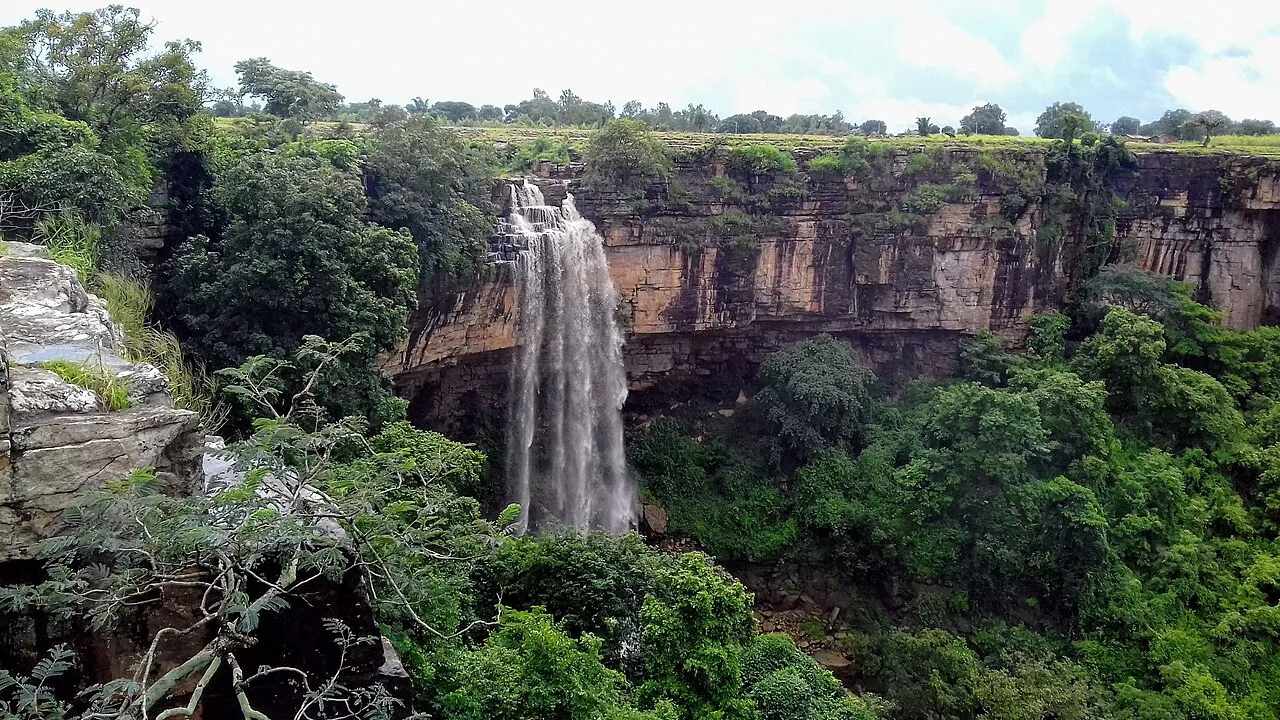
  • Teerathgarh Falls
  • Danteshwari Temple
In the city
0
Nearby
2
District
Bastar
Plan a trip

Why Bastar matters

Bastar is a forested district and cultural region in southern Chhattisgarh, with Jagdalpur as its administrative headquarters and principal urban gateway. Its importance comes from the meeting of Indigenous traditions, regional markets and natural landscapes. Gondi and Halbi communities, among others, have shaped the region’s languages, crafts, music and customary life. Jagdalpur is the main base for visitors exploring the district and nearby parts of Bastar Division.

The region draws travellers for its distinctive Dussehra celebrations, artisan traditions and waterfalls, especially Chitrakote and Teerathgarh. Bastar Dussehra is a major community festival centred on local traditions and devotion to the goddess Danteshwari. In and around Jagdalpur, visitors can explore the Danteshwari Temple, local markets and craftwork, then use the town as a starting point for excursions into the surrounding countryside. Bastar’s appeal lies not in a single attraction but in the connection between its living culture, forest environment and regional history.
Famous for: crafts, trade & products

Bastar is particularly associated with Dhokra, a bell-metal craft made using the lost-wax process. Bastar Dhokra has a Geographical Indication (GI) tag. Artisans also make forged-iron figures and objects, carved wooden pieces, terracotta work and items from bamboo and other locally available materials. Designs often draw on animals, village life and religious or ceremonial themes. These are regional crafts rather than mass-produced souvenirs, and styles and availability vary between makers.

Jagdalpur’s Sanjay Market is a useful place to look for local produce and everyday goods, while craft shops and emporia in town may stock work from artisans across the region. Visitors can ask about the maker and the material, particularly when buying metalwork or carved pieces. Bastar is not chiefly known as a textile or saree centre; its stronger identity is in craft, forest-linked products and local trade. Agriculture and forest produce support livelihoods across the district, while Jagdalpur concentrates retail, administration and services. For a wider view of the craft tradition, seek out artisan workshops or organised craft displays in the Bastar region rather than assuming every item sold in town was made locally.

History

Bastar’s history is closely tied to the former princely state of Bastar. Local tradition and historical accounts trace its foundation to Annama Deva, associated with the Kakatiya dynasty of Warangal, in the early fourteenth century. The princely state continued under its own rulers during the period of British paramountcy, and its political and cultural history shaped the wider region. Jagdalpur became the district’s main administrative centre and remains its headquarters.

After India became independent, Bastar and Kanker acceded to the Indian Union and were combined in Madhya Pradesh. The large former district was reorganised in 1999, creating the present Bastar district along with Dantewada and Kanker districts. In 2000, Bastar became part of the newly formed state of Chhattisgarh. A further reorganisation in 2012 created Kondagaon district. Today Jagdalpur anchors administration, transport and commerce for the district, while Bastar’s tribal-majority communities participate in local governance under Fifth Schedule provisions and PESA.

Food, festivals & culture

Bastar’s food reflects local crops, household traditions and forest produce. Rice is central, and visitors may encounter pej, a light rice gruel, as well as dishes made with millets, seasonal vegetables and leafy greens. Chaprah, a chutney made from red ants, is associated with some local food traditions, though it is not served everywhere. Recipes and ingredients differ between communities and seasons; Jagdalpur also has familiar Chhattisgarhi and Indian dishes.

Bastar Dussehra is the region’s best-known festival. Its ceremonies, held over an extended period during the monsoon and early autumn according to the ritual calendar, honour local deities, especially Danteshwari, and involve communities from across Bastar. It is distinct from the usual Ramayana-centred Dussehra observances. Madai fairs and Jagdalpur’s Goncha celebrations are other occasions for gathering, music and local customs. Gondi and Halbi are widely spoken, alongside Hindi and Chhattisgarhi. Drum-led music and dances such as Gaur and Karma are part of regional cultural life. Jagdalpur’s Danteshwari Temple is an important place of worship; local shrines and sacred sites are also significant to communities throughout the region.

Visiting the city

October to February is generally the most comfortable season for visiting, with cooler weather for exploring the town and nearby waterfalls. The monsoon brings lush scenery but can make some road journeys more difficult. Jagdalpur Airport is the nearest airport, and Jagdalpur railway station is the main station serving the town. Check current connections before planning a trip, as services and routes can be limited.

Auto-rickshaws and local taxis are useful for getting around Jagdalpur; taxis or organised vehicles are more practical for day trips to waterfalls and other outlying sights. In town, explore the Danteshwari Temple area, the market streets around Sanjay Market and the Bastar Palace vicinity. Jagdalpur is a convenient base for visiting Chitrakote and Teerathgarh Falls, but allow time for road travel and follow local guidance when visiting rural or community-managed places.

Short trips

Around Bastar

Within about 40 km — easy half-day or day trips from the city.

Map

Bastar on the map

  1. 1Chitrakote Falls
  2. 2Mendri Ghumar

Chhattisgarh

Other cities to explore