Ghumoopedia — Explore, Discover, Experience
Sign in
Tala, near Bhatapara

City guide · Chhattisgarh

Bhatapara

Bhatapara is a municipal town in Chhattisgarh’s Baloda Bazar-Bhatapara district. Its importance is chiefly regional: it serves as a centre for trade, transport and everyday services for nearby communities.

Famous for

  • Rail and regional connectivity
  • Grain and rice trade
  • Chhattisgarhi market-town life
  • Baloda Bazar district location

Why Bhatapara matters

Bhatapara is a municipal town in Chhattisgarh’s Baloda Bazar-Bhatapara district. Its importance is chiefly regional: it serves as a centre for trade, transport and everyday services for nearby communities. The railway station connects the town with larger centres in the state and beyond, while road links support movement between Bhatapara, Baloda Bazar and surrounding settlements.

Visitors are more likely to come for local business, family visits or as part of a journey through the region than for a major tourist attraction. The town’s markets and busy transport links offer a glimpse of ordinary life in the central plains of Chhattisgarh. Agricultural commerce and rice-related trade form part of the wider local economy, and the surrounding district is also associated with cement production. Bhatapara is best approached as a practical regional stop rather than a destination built around a single monument or celebrated craft. Its value to travellers lies in its railway access, local services and position within a working, largely inland landscape.
Famous for: crafts, trade & products

Bhatapara is associated with the trade and transport needs of the surrounding agricultural region. Grain and rice commerce, along with related milling and distribution, contribute to the town’s working-town character. Its markets serve local households and traders, but Bhatapara is not widely identified with a nationally recognised textile, handicraft or GI-tagged product. Visitors looking for everyday goods and regional produce can explore the central market areas and shops around the town’s main roads; availability varies by season and seller.

The wider Baloda Bazar region is known for cement production, supported by mineral resources and industrial activity in the district. That regional connection should not be confused with a signature product made specifically in Bhatapara. The town’s railway and road links help move people and goods, reinforcing its role as a local trading centre. There is no single specialist craft district or landmark shopping street that defines a visit, so browsing the ordinary bazaars is the most straightforward way to see local commerce. For distinctive Chhattisgarhi crafts or handloom products, travellers may find a broader selection in larger state centres.

History

Bhatapara’s administrative history reflects changing boundaries in the central provinces. During British rule, from 1854 to 1864, the area was part of Raipur district; it was subsequently included in Bilaspur district. The town gained administrative importance after British officers moved a telegraph office there from Simga in 1903, strengthening its role as a communications point. The nearby settlement of Baloda Bazar became a Gram Panchayat in 1949, after the introduction of local-government arrangements in independent India.

In later decades, better transport and expanding regional commerce helped shape Bhatapara as a service and market town. It is now part of Baloda Bazar-Bhatapara district, created in 2012 as Chhattisgarh reorganised its district administration. The railway connection remains an important feature of the town’s development, linking local trade and travel with larger centres. Today Bhatapara combines its administrative and transport roles with the everyday commercial life of the surrounding agricultural region.

Food, festivals & culture

Daily life in Bhatapara reflects the food traditions of Chhattisgarh, where rice is central to many meals. Common regional preparations include chila, a savoury rice-and-lentil pancake, and fara, steamed dumplings made from rice flour; local eateries may also serve seasonal snacks and sweets. These are regional foods rather than dishes unique to the town. Hindi and Chhattisgarhi are widely used in everyday communication, with language and customs shaped by the surrounding communities.

The year’s celebrations include Holi in spring and Diwali in autumn, alongside Navratri observances. Hareli, a monsoon-season festival associated with farming and rural life, and Pola, which honours working cattle, are also part of Chhattisgarh’s wider festive calendar. Community gatherings, devotional music and local performances accompany festival periods. Panthi and Raut Nacha are well-known dance traditions of the state, though performances are more likely at particular events than as a daily attraction. Worship takes place at neighbourhood temples and other local religious institutions; visitors should ask locally about festival gatherings and customary etiquette.

Visiting the city

The cooler months, roughly October to February, are generally the most comfortable time to visit. Summer can be hot, while the monsoon brings humid weather and rain. The nearest major airport is Swami Vivekananda Airport in Raipur. Bhatapara railway station is the main rail access point for the town, and local roads connect it with Baloda Bazar and nearby settlements.

Auto-rickshaws and local vehicles are practical for short trips; confirm arrangements directly with drivers. The central market area and streets around the railway station are useful places to get a feel for the town’s commerce and daily rhythm. Bhatapara is compact enough for a brief stop, but visitors planning to explore the wider district should arrange road transport. There is no need to treat the town as a resort base: its strongest appeal is convenient access and a view of everyday regional life.

Trips from the city

Nearest places to visit from Bhatapara

Our closest destination guides, by straight-line distance.

Tala

21 km away · Bilaspur district

Tala

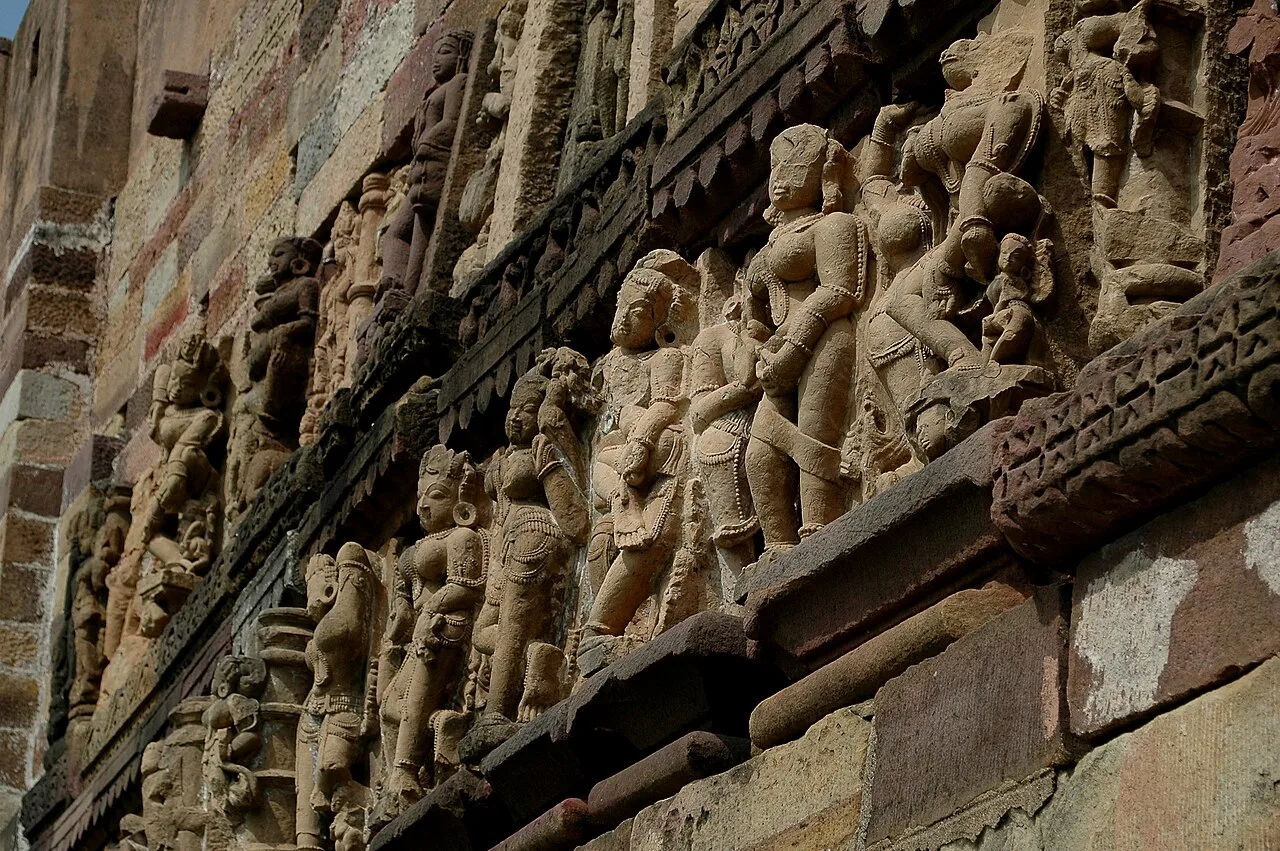
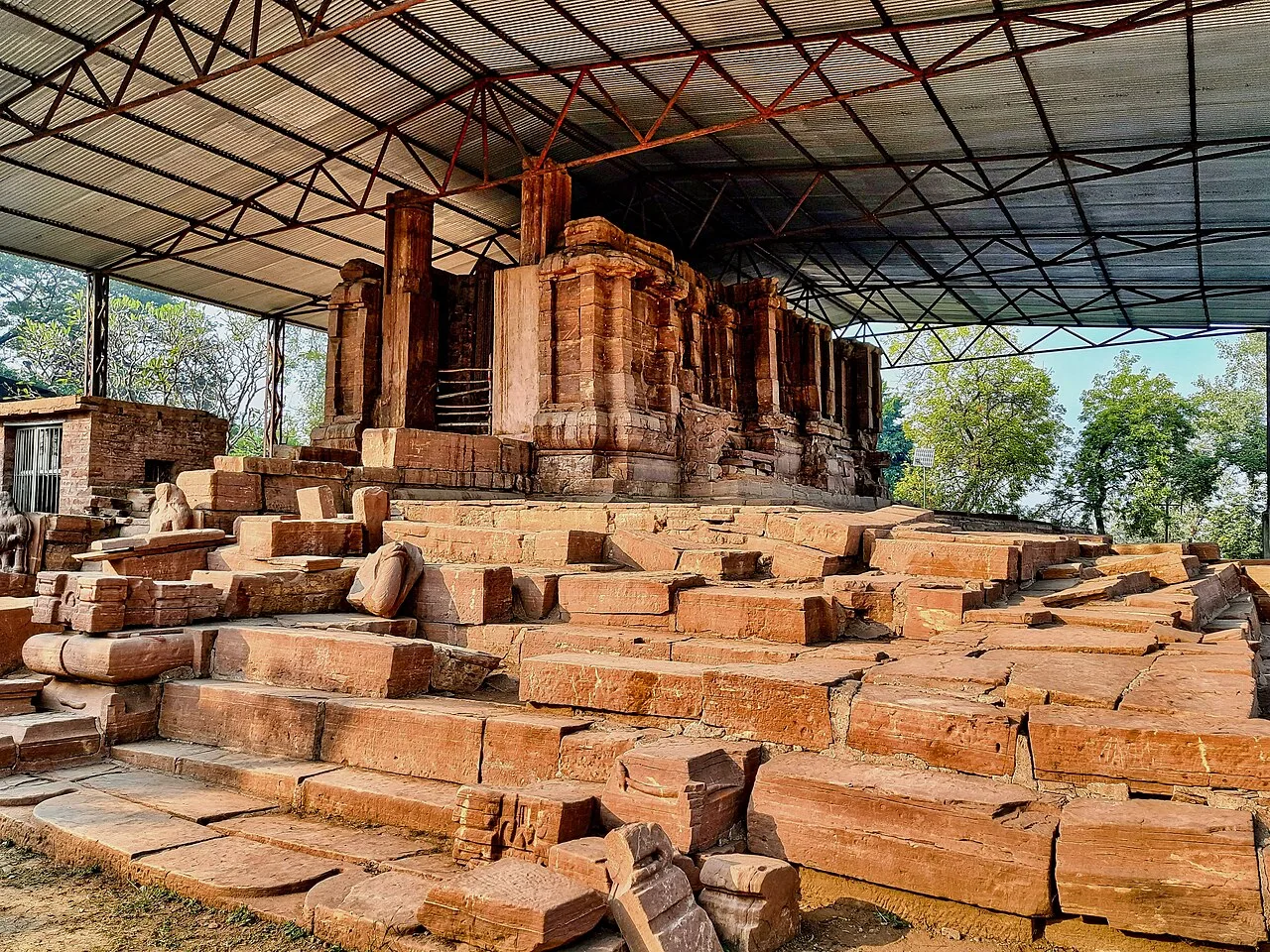
Tala is a village in Chhattisgarh’s Bilaspur district. Visitors are drawn to the Devrani and Jethani temples and its distinctive stone statue of Rudra Shiva.

Malhar

39 km away · Bilaspur district

Malhar

Malhar, in Chhattisgarh’s Bilaspur district, draws visitors interested in archaeology and its remains of an old fort, restored Shiva temples, and Hindu, Jain and Buddhist temples.

Sirpur

50 km away · Mahasamund district

Sirpur

Sirpur, a village in Chhattisgarh’s Mahasamund district, attracts visitors to its historic group of Buddhist, Hindu and Jain temples and monasteries, built between the fifth and twelfth centuries.

65 km away · Mahasamund district

Barnawapara Wildlife Sanctuary

Barnawapara Wildlife Sanctuary, in Chhattisgarh’s Mahasamund district, is a protected area established in 1976 under the Wildlife Protection Act. Visitors come to experience a wildlife sanctuary.

Nandan Van Zoo

65 km away · Raipur district

Nandan Van Zoo

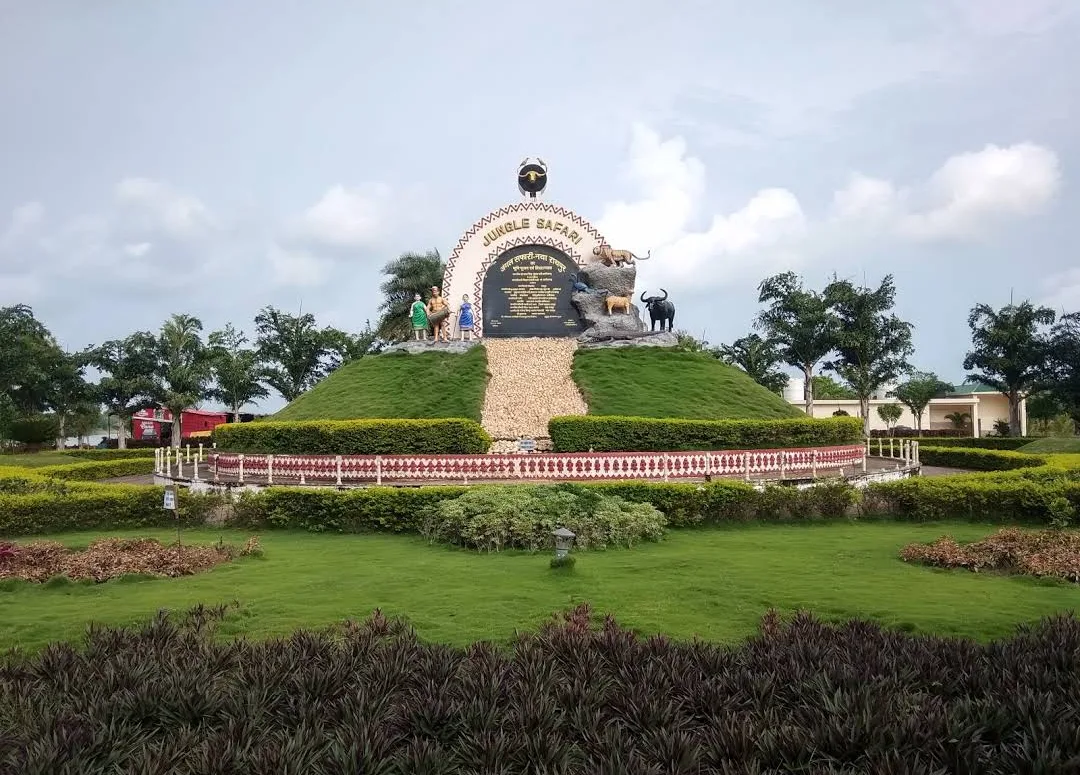
Nandan Van Zoo, also called Nandan Van Jungle Safari, is a visitor attraction in Raipur district, Chhattisgarh. People visit the 800-acre site beside the Kharun River.

Ratanpur

66 km away · Bilaspur district

Ratanpur

Ratanpur is a town and nagar palika in Chhattisgarh’s Bilaspur district. Travellers encounter it on National Highway 130, about 25 kilometres from Bilaspur on the way towards Ambikapur.

Purkhouti Muktangan

70 km away · Raipur district

Purkhouti Muktangan

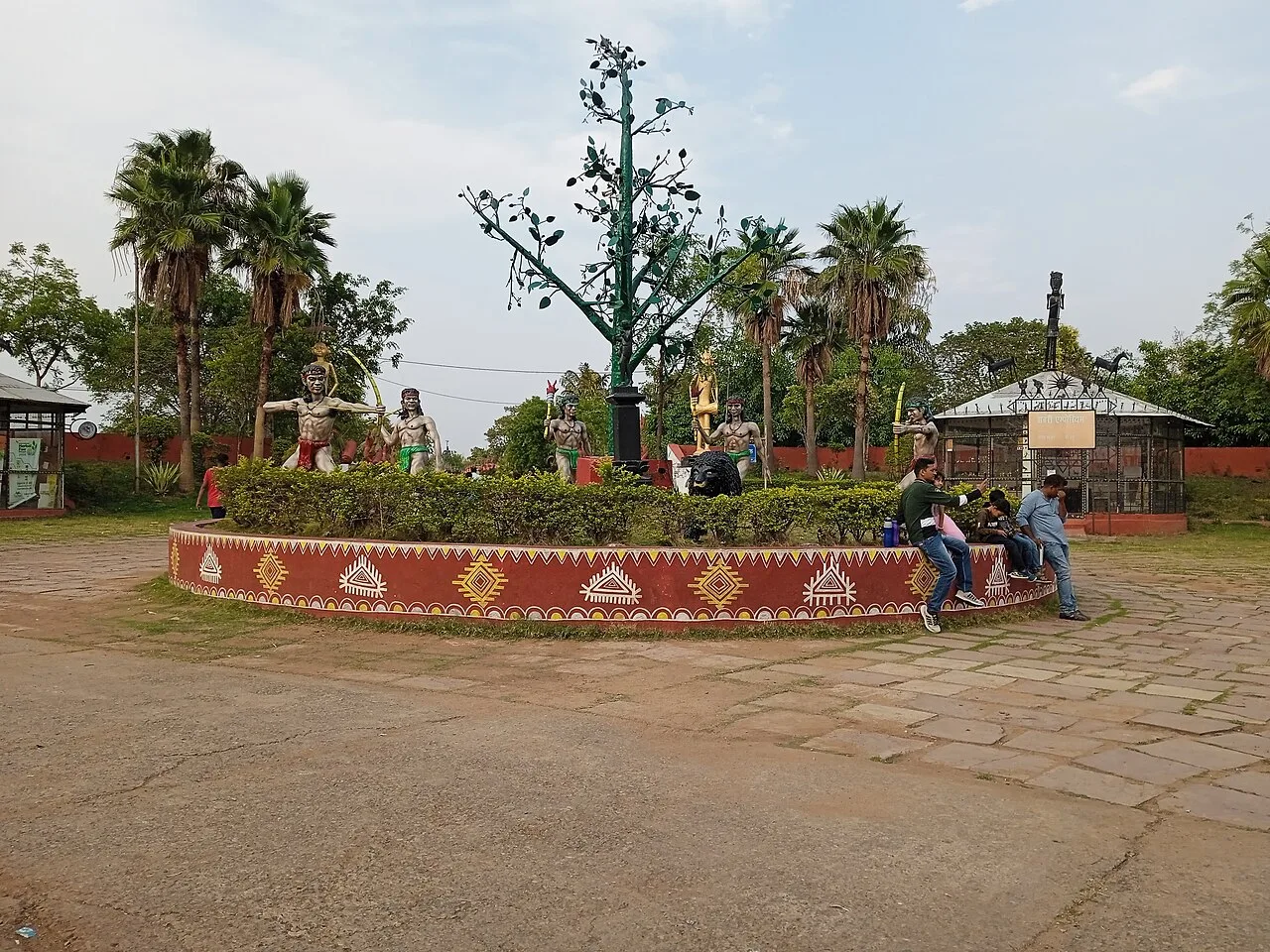
Purkhouti Muktangan is a 24.2-hectare cultural and sculpture park in Naya Raipur, where visitors can explore displays reflecting Chhattisgarh’s tribal communities and cultural life.

Champaran

78 km away · Janjgir-Champa district

Champaran

Champaran is a village in Chhattisgarh associated with Vallabhacharya, founder of the Vallabh sect. Visitors come to see temples and the two sites linked with his Chaurasi Bethak.

Map

Bhatapara on the map

  1. 1Tala
  2. 2Malhar
  3. 3Sirpur
  4. 4Barnawapara Wildlife Sanctuary
  5. 5Nandan Van Zoo
  6. 6Ratanpur
  7. 7Purkhouti Muktangan
  8. 8Champaran

Chhattisgarh

Other cities to explore