
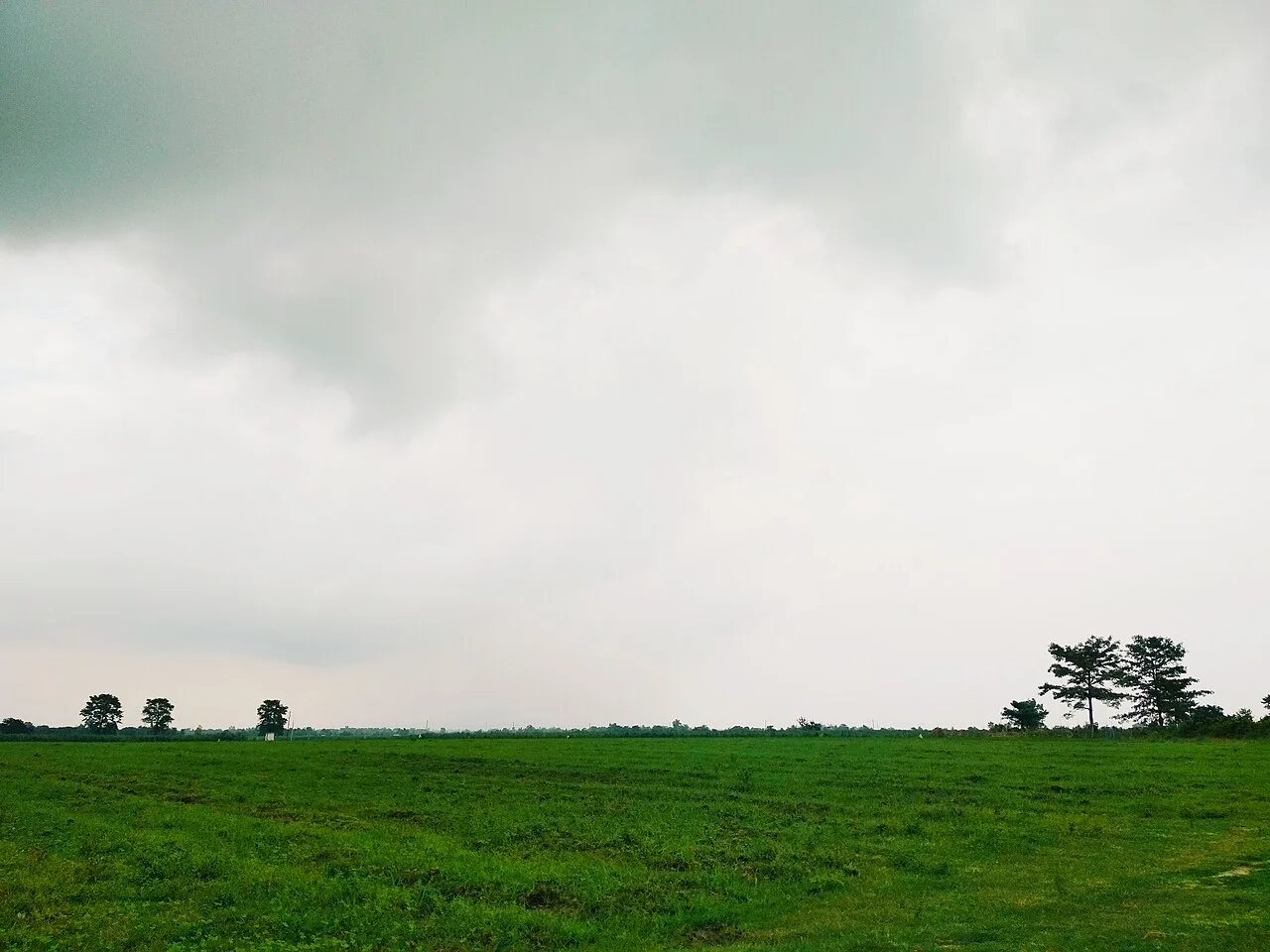
Champaran
Champaran is a village in Chhattisgarh associated with Vallabhacharya, founder of the Vallabh sect. Visitors come to see temples and the two sites linked with his Chaurasi Bethak.
Key facts · verified by Ghumoopedia editors
- Type of place
- Natural attraction
- Best time to visit
- October to February for sightseeing; July to September for the waterfalls at full flow
- Nearest railway station
- Mahasamund · about 20 km (straight line)
- Verified
- 21 Nov 2026
Plan a trip from Champaran — a day-by-day route through places nearby.
Also called Champaranya, the village was once known as Champajhar. Its name refers to local woods of champa flowers, which are no longer found there. Champaran is associated with the forest of Champaranya. Raipur is about 60 kilometres away by way of Arang; Mahasamund lies roughly 30 kilometres distant, reached via Bamhani and Tila. Champaran is known as the birthplace of Vallabhacharya, a religious reformer who established the Vallabh sect. A temple there commemorates him. Close by stands the shrine of Champeshwar Mahadeva. The village also has two Baithaks belonging to Vallabhacharya’s Chaurasi Bethak. Chhattisgarh is known for its Gond, Maria and Muria tribal heritage, Bastar Dussehra, bell-metal and wrought-iron crafts, ancient temples at Sirpur and Bhoramdeo, and the wide Chitrakote Falls. Chhattisgarh has hot summers from March to June, a monsoon from June to September when Chitrakote and the other falls are at their most dramatic, and mild winters from November to February. The usual best time to visit is October to February for sightseeing; July to September for the waterfalls at full flow. Timings, fees and access arrangements must be confirmed locally. For official information, see Chhattisgarh Tourism at https://visitcg.in.
Why it matters
Champaran, also known as Champaranya and formerly called Champajhar, is best known as a pilgrimage village associated with Vallabhacharya, the 15th-century theologian and founder of the Vallabh Sampradaya. A temple honours him, and the village has two traditional baithaks, or commemorative seats, connected with his travels and teaching. Champeshwar Mahadeva temple is another local place of worship. The name is linked in local accounts to champa trees once associated with the surrounding forest. Champaran’s importance is chiefly religious and cultural; it is not widely documented as a formally protected nature reserve or as a UNESCO or ASI-listed site. Published descriptions differ on its district location, so check a current map or local listing before travelling.
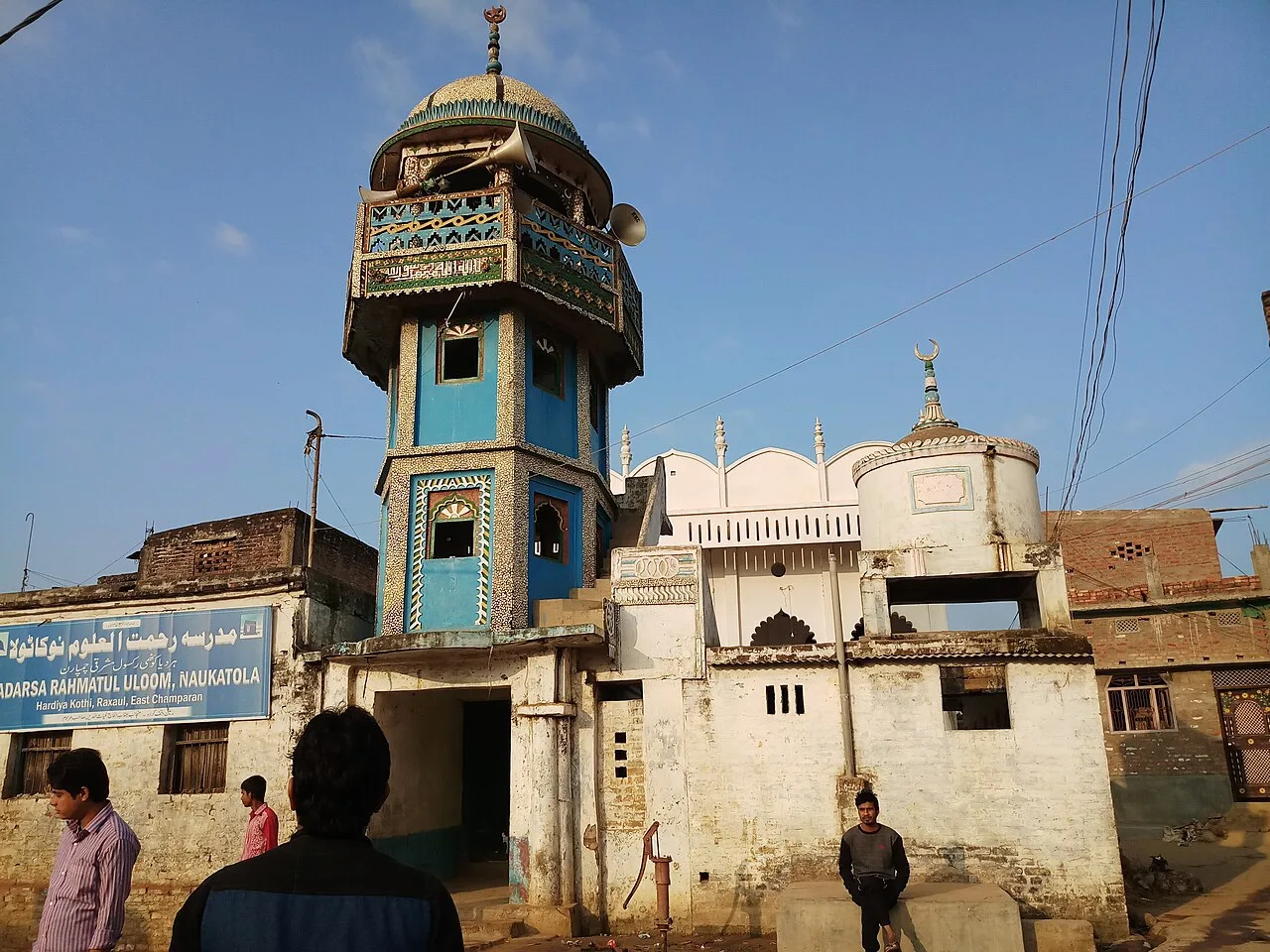
Champaran’s older name, Champajhar, is associated with a landscape remembered for champa trees; Champaranya is another name used for the village and its forest setting. Local accounts say those trees are no longer found here. The place is most closely connected with Vallabhacharya, a Hindu philosopher and devotional teacher traditionally said to have been born at Champaran in 1479. He later founded the Vallabh Sampradaya, also known as the Pushtimarg tradition, which centres on devotion to Krishna. The village’s Vallabhacharya temple commemorates this association, while two baithaks preserve sites of religious remembrance linked to him. Champeshwar Mahadeva temple is another part of the local sacred landscape. These shrines have made Champaran a destination for pilgrims as well as visitors interested in regional religious history. The available accounts do not establish the dates of construction, the names of temple builders, or a documented programme of restoration, so these details should not be assumed. Champaran is described inconsistently in published material as being in Raipur district and in Janjgir-Champa district; confirm its current administrative location when arranging a visit.
Origin stories & folklore
According to local tradition, the name Champajhar recalls a forest of champa trees that once grew around the settlement. The account links the later name Champaranya with that forested landscape, though it is a place-name tradition rather than a verified record of the area’s former vegetation. Vallabhacharya is traditionally believed to have been born at Champaran, and the temples and baithaks give this association a continuing place in local devotion. Pilgrims may hear stories connecting his early life and spiritual purpose with the village. Such accounts belong to religious memory and belief; interpretations can differ among devotees and should be approached respectfully.
Explore Champaran slowly and read the interpretation boards, use the official audio guide where available or hire an authorised guide to understand its history. Check opening days, ticket counters and camera rules in advance; many monuments and museums close on one weekday and on some public holidays. Early morning gives softer light, cooler air and smaller crowds. A comfortable itinerary is one main visit in the morning, a local meal at midday and a short nearby stop before an afternoon return. Use the district list on this site to find other places in Janjgir-Champa, but check the route and its condition before combining stops. If a festival or fair is on — such as Bastar Dussehra — roads and stays can be busy, and the experience can be unforgettable. Leave no litter: many sites are protected by the communities around them.
Suggested itineraries
Half day: Arrive and orient yourself (15–30 minutes); visit the Vallabhacharya temple and its baithaks (1–2 hours); see Champeshwar Mahadeva temple if open (30–45 minutes); pause for a meal or tea before leaving. Full day: Begin with the Vallabhacharya temple and baithaks (1–2 hours); take a relaxed village break (1 hour); visit Champeshwar Mahadeva temple (30–45 minutes); add a carefully route-checked excursion to Rajim or another nearby destination (2–4 hours), allowing time for the return drive. Gentler option: Focus on one temple precinct, take seated breaks, and arrange drop-off close to the entrance; confirm steps and access with the temple locally.
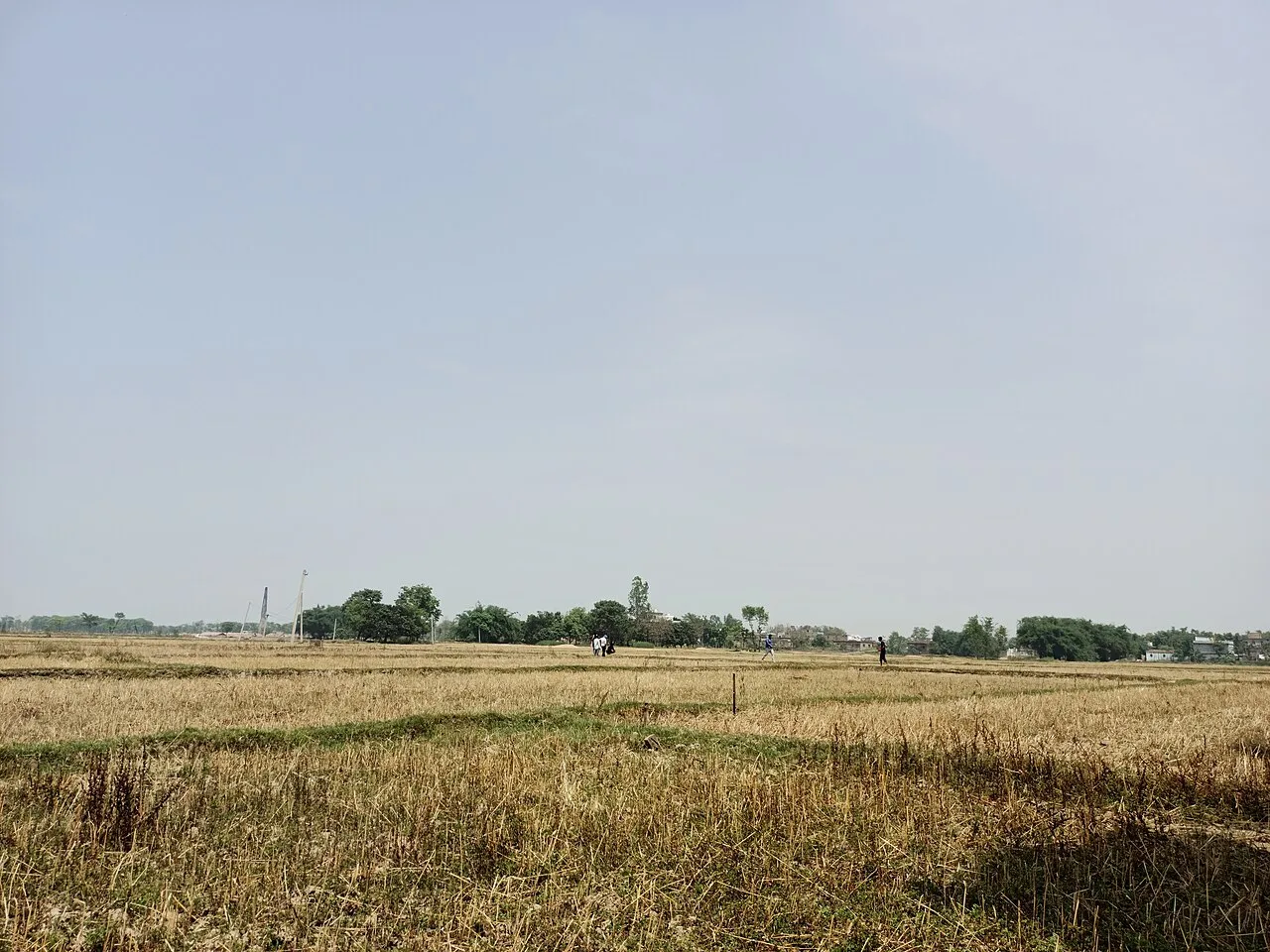
Champaran’s everyday visitor experience is shaped by temple worship and the devotional traditions associated with Vallabhacharya. Visitors may encounter prayer, bhajans, kirtan, offerings and acts of seva, particularly during religious observances. Hindi and Chhattisgarhi are commonly used in the wider region; temple visitors and staff may also use other Indian languages. Customs vary, but modest clothing and quiet conduct are considerate in places of worship. The village is not primarily a performance or craft destination, so cultural encounters are usually centred on its shrines and the surrounding community rather than staged activities.
Local communities
Champaran is a lived-in village, and its residents include families whose work and routines are connected with rural life and local services. Farming is part of the wider regional economy, while temple caretaking, pilgrimage-related work, small shops and transport can support activity around the shrines. Visitors should not assume that every local person is available as a guide or photographer. Ask permission before photographing residents, respect worshippers’ privacy, and follow any guidance from temple caretakers. The area is in Chhattisgarh, a state with diverse communities, but specific tribal or caste identities should not be attributed to Champaran without reliable local information.
Festivals & events
Religious observances connected with Krishna and Vallabhacharya may bring additional worshippers to Champaran. Janmashtami and Vallabhacharya Jayanti are among the occasions visitors may wish to ask about; observance and attendance can vary by temple and year. Nearby Rajim is known for the Rajim Kumbh Mela, generally held in the cooler season, which can increase regional traffic and demand for accommodation. Festival dates follow religious calendars and change from year to year. During larger observances, expect busier roads, fuller local services and more activity around shrines; check locally before planning a quiet visit.
Local food in Chhattisgarh includes chana sela, fara (steamed rice dumplings), muthiya, chila (rice-lentil pancake), aamat, bafauri, thethari-khurmi, pej and mahua-based preparations; Bastar is known for red ant chutney (chaprah) for the adventurous. Ask what is fresh that day; many small eateries cook a limited daily menu. Vegetarian travellers eat very well across this region, and most towns also have non-vegetarian options. Remote sites may have no restaurant at all. Carry water and snacks, eat a proper breakfast before long drives, and ask your accommodation for a packed lunch if you are heading out early. Try a home-cooked or dhaba meal when you can — it is often the best food on the route. Choose busy, clean places, drink sealed or filtered water, and carry your packaging back with you.
Shopping & local experiences
Shopping at Champaran is likely to be modest and may depend on the day, pilgrimage activity and local vendors. Look for simple devotional items or refreshments where offered, and ask before assuming a stall is open. Chhattisgarh is known for crafts such as bell-metal work and wrought-iron objects, but these are more reliably sought in larger towns or established craft outlets than at the temple itself. Local markets may offer seasonal produce and everyday regional foods. Buy respectfully, avoid purchasing objects represented as sacred without understanding their use, and take reusable bags to reduce litter.
Champaran is associated in local accounts with the Champaranya forest and with champa trees that are said no longer to grow here. Today, visitors should treat it primarily as a village and temple destination rather than expect a maintained forest reserve or a marked nature trail. The surrounding countryside is part of Chhattisgarh’s rural landscape, where cultivated land and seasonal greenery may be noticeable. Conditions change with the monsoon and dry seasons. No specific wildlife-viewing area or dependable birdwatching location is documented for the village, and sightings should not be expected. Keep to public paths and cultivated areas, avoid disturbing plants or animals, and ask locally before entering land beyond the temple precincts.
October to February for sightseeing; July to September for the waterfalls at full flow
The nearest principal railway station by straight-line distance is Mahasamund, roughly 20 km away. The nearest operating airport by straight-line distance is Swami Vivekananda Airport, Raipur, roughly 25 km away. These figures are calculated from map coordinates — actual road distance is longer. Raipur Junction and Bilaspur Junction are the main rail gateways, and Raipur has the busiest airport; Jagdalpur is connected by rail and has a small airport. For the final leg, Chhattisgarh State Road Transport Corporation buses, private buses and shared jeeps link district towns; shared jeeps usually leave early in the morning. A private taxi gives more flexibility for remote sites. When comparing train, bus and flight, count the complete door-to-door time: a flight saves the most time only if the onward road transfer is short, while an overnight train can save a hotel night. Book your return before you leave, because seats fill quickly on weekends, festivals and holidays. Current train numbers, timings, return services and fares are not listed here; check IRCTC and NTES for trains and the airline's own schedule for flights. No permit is needed to visit Chhattisgarh. Interior parts of Bastar, Dantewada, Sukma and Bijapur are affected by Left-wing extremism — check current advisories with the district administration, police or your host before travelling to remote areas, travel in daylight and follow instructions at check posts. Forest rest houses in the tiger reserves must be booked in advance.
Confirm onward and return timings on IRCTC / NTES, the state bus operator or your airline before travel. A dash means current timings or fares have not been verified.
Getting around
Champaran is reached by road, and visitors generally arrange a private taxi, hired vehicle or local transport from a larger town. Availability of autos and shared vehicles can vary, so confirm the return journey before travelling. Local buses may serve routes in the wider region, but schedules and stops should be checked locally. The village’s temple area can usually be explored on foot, though surfaces and distances between stops may vary. Ask where parking is permitted and avoid blocking access for residents or worshippers. Published distance and district descriptions are inconsistent, making a current map useful for the final approach.
Hours, tickets & permissions
The temples are places of worship, and visitor access may depend on prayer schedules, festivals or the presence of caretakers. Entry arrangements, any donation or ticket practice, photography rules and access to particular shrine areas can change. Follow notices and instructions from temple staff, dress respectfully, and ask before taking photographs inside. No general visitor timetable or fee should be assumed. Confirm current opening arrangements and any applicable charges with the managing temple authority or locally before setting out, especially on public holidays and festival days.
Facilities
Facilities at the temple precinct may be basic and can vary with the day and season. Drinking water, toilets, shaded seating, food stalls, parking, guides and accessible toilets should not be assumed; check locally and carry water and essential supplies. Small shops or simple refreshments may be available in the village, while a broader choice of food, cash services and accommodation is more likely in larger towns. ATMs and medical services are not guaranteed at the site. Carry some cash for small purchases and plan for personal needs before leaving your base.
Accessibility
Expect a village setting with uneven outdoor surfaces and possible steps at temple entrances; the condition of paths can change after rain. The amount of walking depends on which shrines are open and where a vehicle can stop. Shade and seating may be limited, so allow extra time and take breaks, particularly in hot weather. Wheelchair and stroller access cannot be assumed, and no ramps or lifts are confirmed. Older visitors or anyone with limited mobility may find it easier to visit one shrine at a time with a companion. Contact temple staff or ask locally about current paths and drop-off points.
No permit is needed to visit Chhattisgarh. Interior parts of Bastar, Dantewada, Sukma and Bijapur are affected by Left-wing extremism — check current advisories with the district administration, police or your host before travelling to remote areas, travel in daylight and follow instructions at check posts. Forest rest houses in the tiger reserves must be booked in advance. Carry a photo ID at all times and save the emergency number 112 and your accommodation's contact offline. Heat in summer and fog in winter are the main weather risks; carry water and allow extra travel time on foggy December–January mornings. Respect community rules, private property and posted instructions. Follow local guidance if access changes.
Photography
Soft morning or late-afternoon light is often more comfortable for outdoor photographs, though local conditions and access vary. Ask before photographing inside shrines, worshippers or ceremonies, and follow any signs or instructions from temple staff. Photography may be restricted in particular areas or during rituals. Do not use flash where it could disturb worship. Drone use may require permissions and can intrude on the privacy of residents and religious activity; do not fly without checking applicable rules and obtaining consent. Keep equipment and movement clear of entrances and prayer spaces.
Choose a stay by the full journey to Champaran, not just the district name. Raipur and Bilaspur offer the widest choice; in Bastar, Jagdalpur is the practical base. In summer, check air-conditioning or coolers; in December and January, check hot water. Book in advance for weekends, festivals and the peak season (October to February for sightseeing; July to September for the waterfalls at full flow). Confirm the exact location, meals included, check-in time and cancellation terms in writing. Avoid sending money to unverified contacts or touts at stations. Carry some cash, as card and digital payments can be unreliable in remote areas.
Champeshwar Mahadeva temple is a local religious stop associated with Champaran. Rajim, in the wider region, is known for the Rajiv Lochan Temple and its religious significance; it can be considered as a separate excursion after checking the route. Sirpur, with its historic temple and archaeological sites, is another regional destination, but allow for a longer road journey rather than treating it as an immediate village stop. Because published descriptions of Champaran’s district location and distances vary, verify routes and travel conditions before combining places. Ask locally about smaller stops and whether they are open to visitors.
For couples, Champaran rewards a slow pace: arrive early for soft light and fewer crowds, share a local meal and keep the evening free. The wide curtain of Chitrakote Falls at dusk or a tribal craft market makes the trip memorable. Public displays of affection can be frowned upon in conservative communities and at religious sites, so be discreet. Keep a buffer in your itinerary, because weather and road conditions can delay plans.
Q: How much time should I allow for Champaran? A: Allow a few hours for the temples and baithaks; a full day is useful if adding a route-checked regional excursion. Q: When is a good season to visit? A: The cooler months are generally more comfortable for sightseeing. Check weather and road conditions during the monsoon. Q: Is there an entry fee or fixed visitor schedule? A: Do not assume either. Temple access and any charges can vary; confirm with the managing authority locally. Q: Can children and elderly visitors manage the visit? A: Many can visit with breaks, but steps and uneven paths may be present. Check access conditions and arrange assistance if needed. Q: Is accommodation available at Champaran? A: Do not count on extensive village lodging. Check current options in nearby towns and confirm availability before travelling.
Be the first to share photos, stories, advice or a helpful contact for Champaran.
Loading…