
Ghumoopedia — Explore, Discover, Experience
Sign in
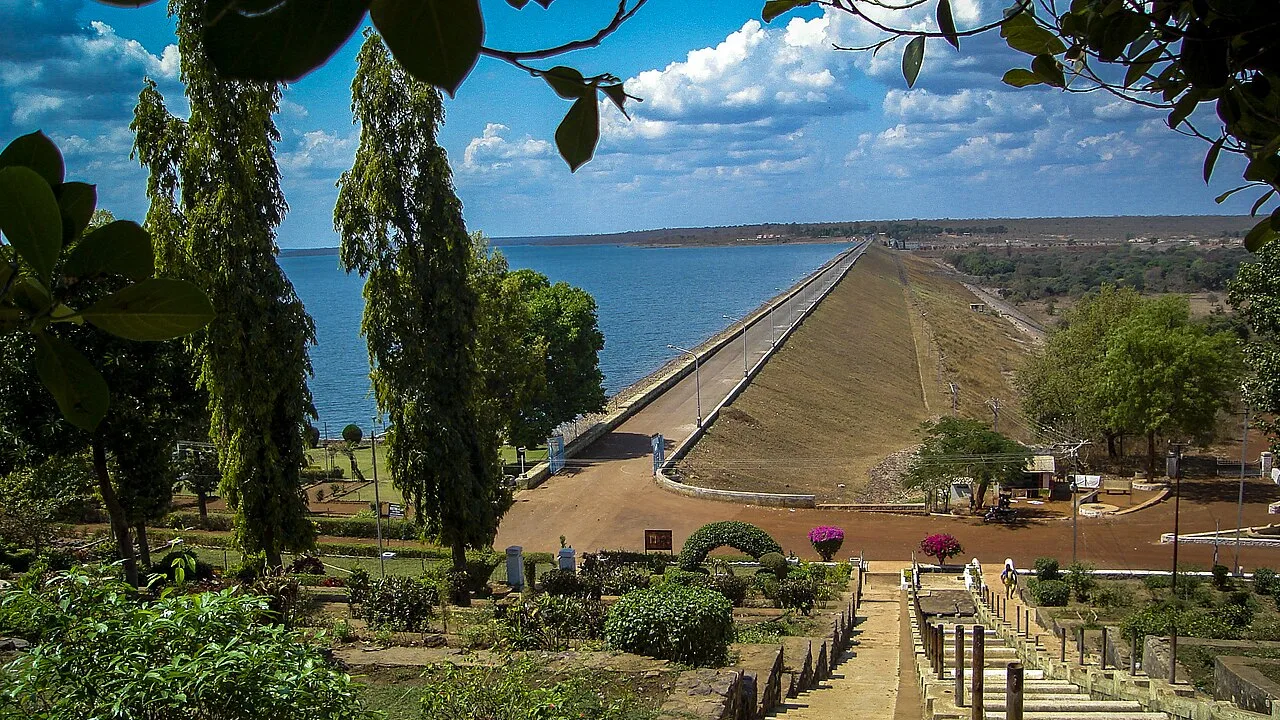
Gangrel Dam, near Dhamtari

City guide · Chhattisgarh

Dhamtari

Dhamtari is the administrative centre of Dhamtari district, set among the fertile plains and river networks of southern Chhattisgarh. Its position on National Highway 30 links it with Raipur to the north and the region farther south, making it a practical stop for travellers exploring the state.

Famous for

  • Gangrel Dam
  • Mahanadi rice mills
  • Vindhyavasini Mata Temple
  • Historic timber trade
  • Mennonite heritage
In the city
1
District
Dhamtari

Why Dhamtari matters

Dhamtari is the administrative centre of Dhamtari district, set among the fertile plains and river networks of southern Chhattisgarh. Its position on National Highway 30 links it with Raipur to the north and the region farther south, making it a practical stop for travellers exploring the state. The Mahanadi and its tributaries support agriculture, while rice milling and timber-related commerce have long shaped the local economy.

Visitors come for the region’s water landscapes and places of worship. Gangrel Dam, also known as Ravishankar Sagar Dam, is a prominent excursion from the city; the Rudri barrage and Bilai Mata Temple are other local points of interest. Dhamtari is also notable for its history as a rail-linked trading town and for a longstanding Christian and Mennonite presence. Today, its role as a district headquarters brings together government services, education, healthcare and trade, giving it importance beyond its visitor attractions.

Famous for: crafts, trade & products

Dhamtari is best known economically for rice milling and trade linked to the surrounding agricultural region. Rice remains a defining local product, and the city has a substantial milling sector. Timber and forest products also figure in its commercial history: goods once traded through Dhamtari included timber, shellac, beedi leaves and morabulum nuts. These are historical associations rather than a guide to current availability, and the city is not especially known as a textile or GI-tagged craft centre.

For everyday produce and locally made goods, explore the central bazaar and neighbourhood markets, where rice and other regional staples are part of ordinary commerce. Ask locally about seasonal forest products, since their sale and availability can vary. Dhamtari’s institutions are another part of its identity: the district hospital, colleges and schools serve the wider area, while Dhamtari Christian Hospital reflects the city’s established Christian presence. For visitors interested in local trade, a market visit offers a more grounded view of the city than looking for a single signature handicraft or souvenir.

History

Dhamtari grew as a market town serving the agricultural and forest-rich plains of the Mahanadi basin. Its modern commercial importance increased when a narrow-gauge railway connected it northward with Raipur and the main Bengal Nagpur Railway route. The rail terminus helped move rice, timber, shellac, beedi leaves and other goods, making the town a regional trading centre. In the mid-20th century, Dhamtari was part of Raipur district in Madhya Pradesh.

The American Mennonite Mission established a presence in Dhamtari in 1899. Over time, its work included a church community, school, hospital, orphanage and nursing education; the mission later became part of the Mennonite Church in India. In 1998, Dhamtari district was formed, and the town became its headquarters. When Chhattisgarh became a separate state in 2000, Dhamtari became part of the new state. It is now a municipal corporation and continues to serve as an administrative, educational and commercial centre. The old narrow-gauge railway is no longer in service.

Food, festivals & culture

Rice is central to everyday meals in Dhamtari and the surrounding region. Local and widely enjoyed Chhattisgarhi preparations include chila, fara, muthiya and angakar roti; sweets such as jalebi and khurma are also familiar choices. Menus vary between homes and eateries, so visitors can ask for seasonal or locally prepared dishes. Hindi and Chhattisgarhi are widely used, and Marathi is also spoken by a longstanding community in the city.

Hareli, usually celebrated during the monsoon, honours agricultural life; Pola, generally observed later in the monsoon season, celebrates working cattle. Diwali and Holi are widely marked, while harvest-time celebrations and local fairs add to the seasonal calendar. Folk traditions of the wider region include panthi, Raut Nacha and women’s Sua dance. Bilai Mata, also known as Vindhyavasini Mata, is an important place of worship. Dhamtari’s Christian and Mennonite heritage is visible in its long-established church and educational communities, giving the city a varied religious and cultural character.

Visiting the city

The cooler, drier months from October to February are generally the most comfortable time to visit. The nearest airport is Swami Vivekananda Airport in Raipur. Raipur Junction is the main nearby railway hub; Dhamtari’s former narrow-gauge rail service is defunct, so check current connections before planning a train journey. National Highway 30 connects Dhamtari with Raipur and towns to the south, and buses are a common way to reach the city.

Within Dhamtari, local auto-rickshaws and hired vehicles can help with short trips. Explore the central market area for everyday city life, then visit Bilai Mata Temple and the Rudri barrage. Gangrel Dam makes a popular outing beyond the centre. Distances and road conditions can vary, so allow extra time for excursions outside town and confirm local transport options on arrival.

Attractions

Places to visit in Dhamtari

Sights within about 12 km of each other, even when they fall in different districts.

Map

Dhamtari on the map

  1. 1Gangrel Dam

Chhattisgarh

Other cities to explore