
Ghumoopedia — Explore, Discover, Experience
Sign in
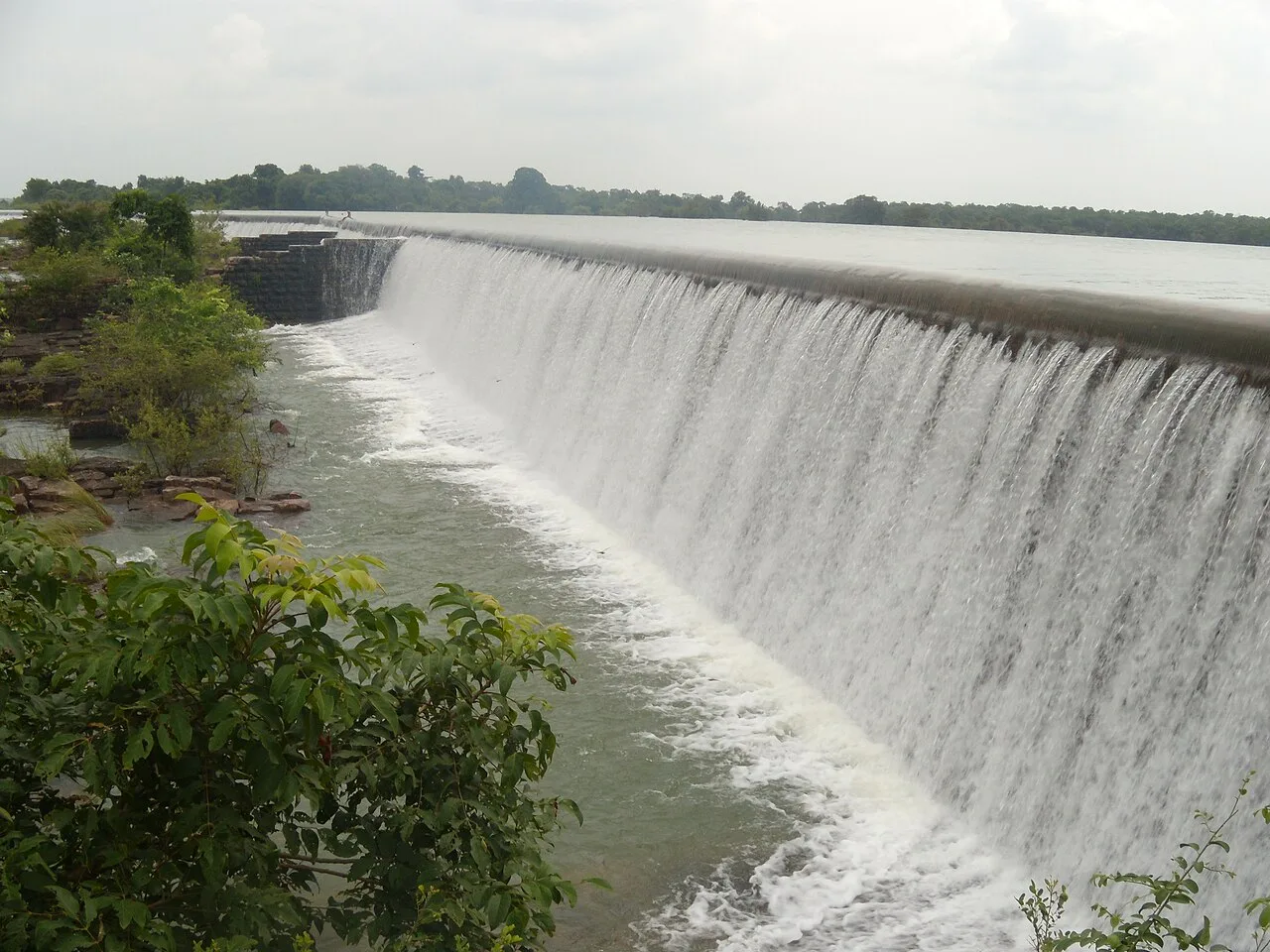
Tandula Dam, near Balod

City guide · Chhattisgarh

Balod

Balod is a small city in central Chhattisgarh, set beside the Tandula River and serving as the administrative centre of Balod district. Its role is practical as well as local: residents from surrounding settlements come here for government services, court facilities, healthcare, education and everyday trade.

Famous for

  • Tandula River
  • Tandula Dam
  • Aadmabaad Dam
  • Ganga Maiyya Temple
  • Siyadevi Temple
In the city
1
District
Balod

Why Balod matters

Balod is a small city in central Chhattisgarh, set beside the Tandula River and serving as the administrative centre of Balod district. Its role is practical as well as local: residents from surrounding settlements come here for government services, court facilities, healthcare, education and everyday trade. The city is about 58 kilometres from Durg and 44 kilometres from Dhamtari, linking it to larger centres in the region.

Water and worship are among Balod’s strongest visitor interests. Tandula Dam and nearby Aadmabaad Dam offer a glimpse of the area’s irrigation infrastructure and river landscape. Temples in the surrounding area, including Ganga Maiyya and Siyadevi, are important pilgrimage destinations for local devotees. Balod is not primarily a destination for large museums or established craft districts; rather, it offers a quieter view of district-town life, with its river setting, local markets and nearby religious sites. It works well as a base for exploring the surrounding countryside and places of worship.

Famous for: crafts, trade & products

Balod is best known locally for its connection to the Tandula River, the nearby Tandula and Aadmabaad dams, and temples in the surrounding area. These landmarks shape the town’s identity more than any widely recognised textile, handicraft or GI-tagged product. Visitors interested in local commerce can explore the central market streets, where shops and everyday vendors serve Balod and nearby communities. The town is a useful place to look for ordinary regional goods and provisions, though it is not established as a specialist destination for a particular craft or shopping category.

Balod’s district institutions are also part of its role in the region. The city has a court, a community health centre, a college and a jail, alongside municipal and district services. These facilities support residents across a wider rural hinterland. For visitors, the most distinctive purchases or experiences are likely to come from the local market and nearby pilgrimage sites rather than from a dedicated artisan quarter. Ask locally about seasonal produce and temple activity, since availability and visitor services can vary.

History

Balod’s growth is closely connected to its position beside the Tandula River and its role as a service centre for surrounding settlements. The Tandula and Aadmabaad dams are notable landmarks in the area’s development; the dam works date to 1912 and reflect the importance of managing local river water. These structures remain part of the region’s landscape and its agricultural infrastructure.

The available historical record does not point to a single ruling dynasty or a widely documented colonial-era event that defines the city. Its more visible modern change has been administrative: Balod became the headquarters of Balod district when the district was established in 2012, following its separation from Durg district. This brought district-level administration to the city and reinforced its role as a centre for courts, public services, education and healthcare. Today, Balod’s identity combines this administrative function with its river setting and the religious sites scattered across nearby towns and countryside.

Food, festivals & culture

Daily life in Balod reflects the wider culture of Chhattisgarh. Chhattisgarhi is widely used in local conversation, while Hindi is also common, especially in official and educational settings. Meals are based on familiar regional staples, including rice and seasonal vegetables; visitors can find everyday local food at small eateries and market-area stalls. Balod is not especially known for a single signature sweet or restaurant dish, so food experiences are best approached as a taste of the region rather than a specialised culinary trail.

Major Hindu festivals such as Navratri, Diwali and Holi are observed, while rural traditions including Hareli and Pola follow the agricultural calendar, generally during the monsoon season. Devotion is an important part of local culture, with Ganga Maiyya and Siyadevi among the better-known temples in the surrounding area. Chhattisgarhi folk music and dance are part of regional celebrations and community events, though performances are usually seasonal rather than a regular tourist programme.

Visiting the city

The cooler, drier months from roughly October to March are generally the most comfortable time to visit. The nearest major airport is Swami Vivekananda Airport in Raipur. Balod has its own railway station for local connections; Durg Junction is a larger rail hub for onward travel. Road journeys connect Balod with Durg, Dhamtari and nearby towns.

Within the city, auto-rickshaws and local road transport are useful for short trips; arrange a vehicle locally for the dams and temples outside the centre. Explore the central market and civic area for a sense of everyday town life, then make separate excursions to Tandula Dam, Aadmabaad Dam, Ganga Maiyya Temple or Siyadevi Temple. Check local conditions before travelling to outlying sites, as facilities and transport may be limited.

Attractions

Places to visit in Balod

Sights within about 12 km of each other, even when they fall in different districts.

Map

Balod on the map

  1. 1Tandula Dam

Chhattisgarh

Other cities to explore