Ghumoopedia — Explore, Discover, Experience
Sign in
Ratanpur, near Bilaspur

City guide · Chhattisgarh

Bilaspur

Bilaspur is a major administrative, commercial and transport centre in northeastern Chhattisgarh. It is the headquarters of Bilaspur district and division, and a regional hub for trade and services.

Famous for

  • Kosa silk sarees
  • Doobraj aromatic rice
  • South East Central Railway
  • South Eastern Coalfields
  • Chhattisgarh High Court

Why Bilaspur matters

Bilaspur is a major administrative, commercial and transport centre in northeastern Chhattisgarh. It is the headquarters of Bilaspur district and division, and a regional hub for trade and services. The Chhattisgarh High Court at Bodri has earned the city the name Nyayadhani, or “Law Capital.” Its railway connections are central to its identity: Bilaspur is the headquarters of the South East Central Railway and its Bilaspur division. The city is also home to the headquarters of South Eastern Coalfields Limited, reflecting the importance of mining and energy to the wider region.

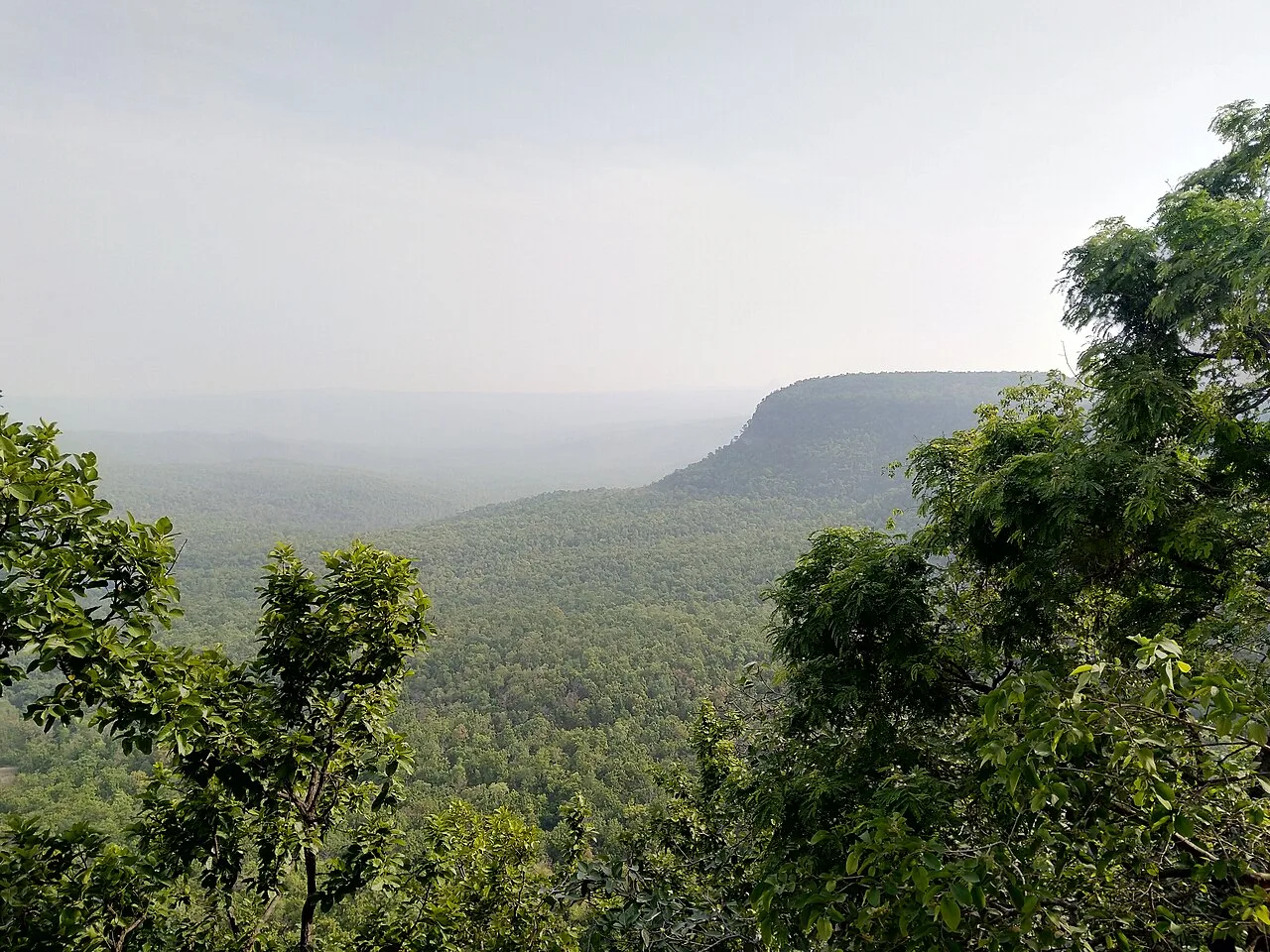
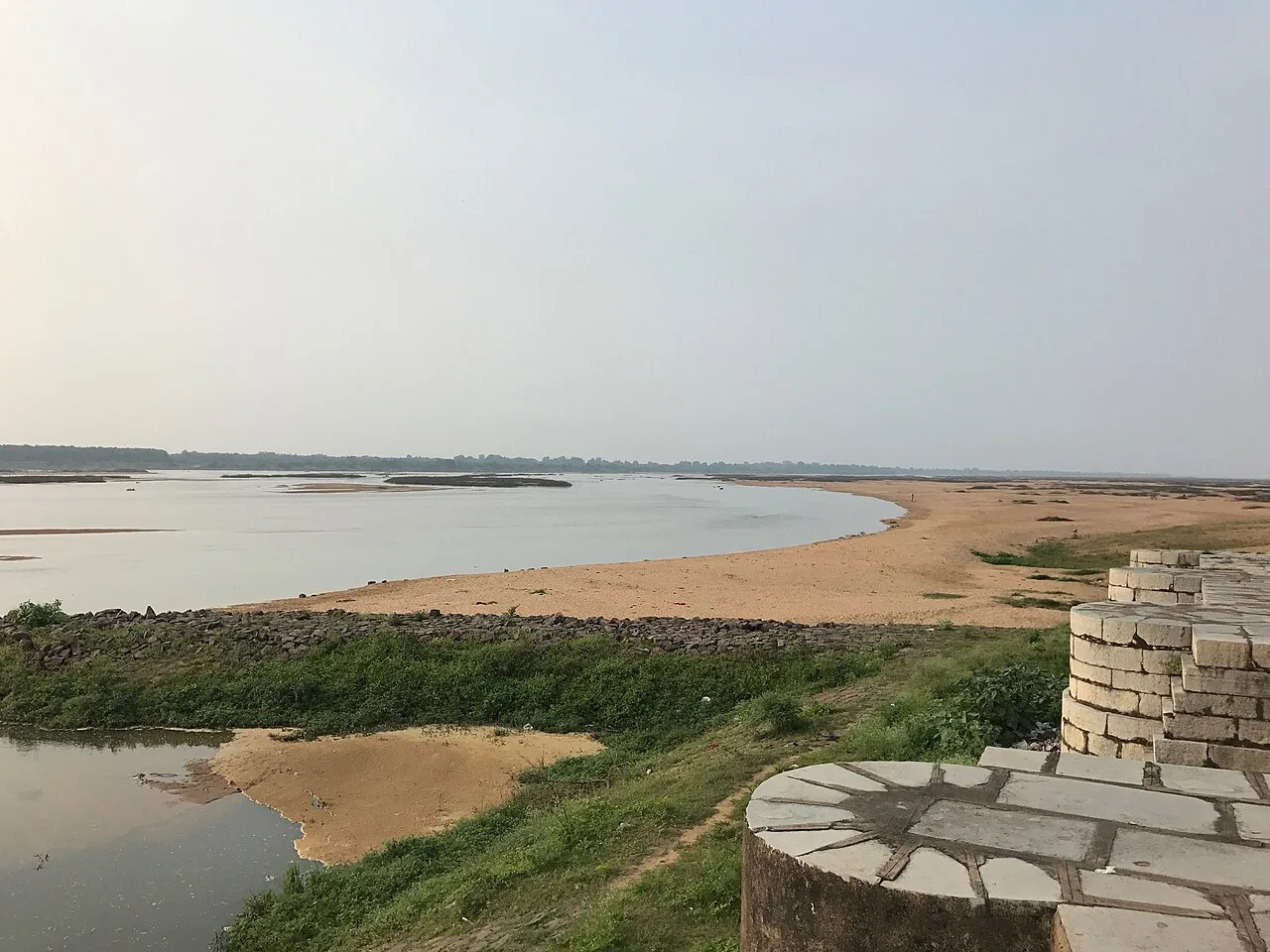
Visitors know Bilaspur for its soft kosa silk sarees and fragrant doobraj rice, as well as for its role as a convenient base for exploring historic places such as Ratanpur and Malhar. The Arpa River runs through the city, while nearby landscapes connect urban life with the forests and river valleys of the region. Bilaspur is also among the cities included in India’s Smart Cities Mission.
Famous for: crafts, trade & products

Bilaspur is associated with kosa silk, a soft tasar-based fabric woven into colourful sarees and other garments. Local textile and handloom shops are the most practical places to look for these products; ask about the weave and fibre when comparing items. Tasar production is supported by the Basic Tasar Silkworm Seed Organisation, which works under the Central Silk Board to produce and supply seed from the surrounding region. The city is also known for doobraj, an aromatic rice variety grown in Chhattisgarh. It can be sought in grocery shops and local markets, though availability may vary by season.

Bilaspur’s commercial role is closely tied to railways, coal and power. The South East Central Railway and South Eastern Coalfields Limited have their headquarters here, while the NTPC power station at Sipat is part of the wider regional energy network. For visitors, central markets and established grocery and textile shops offer the best starting points for locally made or grown products. Doobraj and kosa silk are regional specialties; they should not be assumed to carry a geographical indication tag unless a seller can verify that status.

History

Bilaspur lies in the historic region of Dakshina Kosala, near older centres including Malhar, Sirpur, Tuman and Ratanpur. From around the fifth century, the area was associated with the Kalachuri rulers of Ratanpur, a significant capital in the region. The city itself gained prominence in the eighteenth century, when a Maratha official established a residence here to oversee the Ratanpur territories.

After the Maratha defeat in the Third Anglo-Maratha War, the East India Company took control of the district in 1818. Bilaspur district was established in 1861 and the municipality followed in 1867. The arrival of the Bengal Nagpur Railway in the 1880s transformed the town, linking it to a growing railway network and supporting local trade and industry. Weaving of tasar silk and cotton was recorded among its important industries by the early twentieth century. In modern times, railway, coal and power institutions have reinforced Bilaspur’s position as a major regional centre. The Satnam movement begun by Guru Ghasidas in the surrounding region also forms an important part of its historical context.

Food, festivals & culture

Rice is central to Chhattisgarhi cooking, and doobraj is prized for its aroma. Everyday and festive foods across the region include chila, fara, bafauri and rice-based dishes; local sweet shops may offer treats such as dehrori or khurma. Recipes and availability vary between households and seasons, so asking residents about local specialities is a good way to discover what is being made.

Hindi and Chhattisgarhi are widely used, alongside other languages heard in this busy railway and commercial city. The cultural calendar includes Diwali, Holi and Navratri, as well as regional observances such as Hareli in the monsoon season, Teeja and Pola. Panthi, Raut Nacha, Sua and Karma are dance and music traditions of Chhattisgarh that may be seen at community or festive events. Hindu temples and Satnami places of worship reflect the region’s varied religious life. The historic Mahamaya Temple at Ratanpur is a well-known nearby pilgrimage destination, while Guru Ghasidas’s teachings remain significant to the area’s Satnam tradition.

Visiting the city

October to March is generally the most comfortable period to visit, with milder weather than the hot summer months. The nearest airport is Bilaspur Airport, also known as Bilasa Devi Kevat Airport, at Chakarbhatha; check current flight availability before planning around it. Bilaspur Junction is the city’s main railway station and a major arrival point by train.

Auto-rickshaws and taxis are useful for getting around, while local buses serve parts of the city. Explore the central market streets for textiles and food, and spend time around the older city and the Arpa River. Sarkanda is another area to include in a city visit. Ratanpur and Malhar make rewarding excursions for their historical and religious sites; arrange local transport for these trips.

Trips from the city

Nearest places to visit from Bilaspur

Our closest destination guides, by straight-line distance.

Ratanpur

23 km away · Bilaspur district

Ratanpur

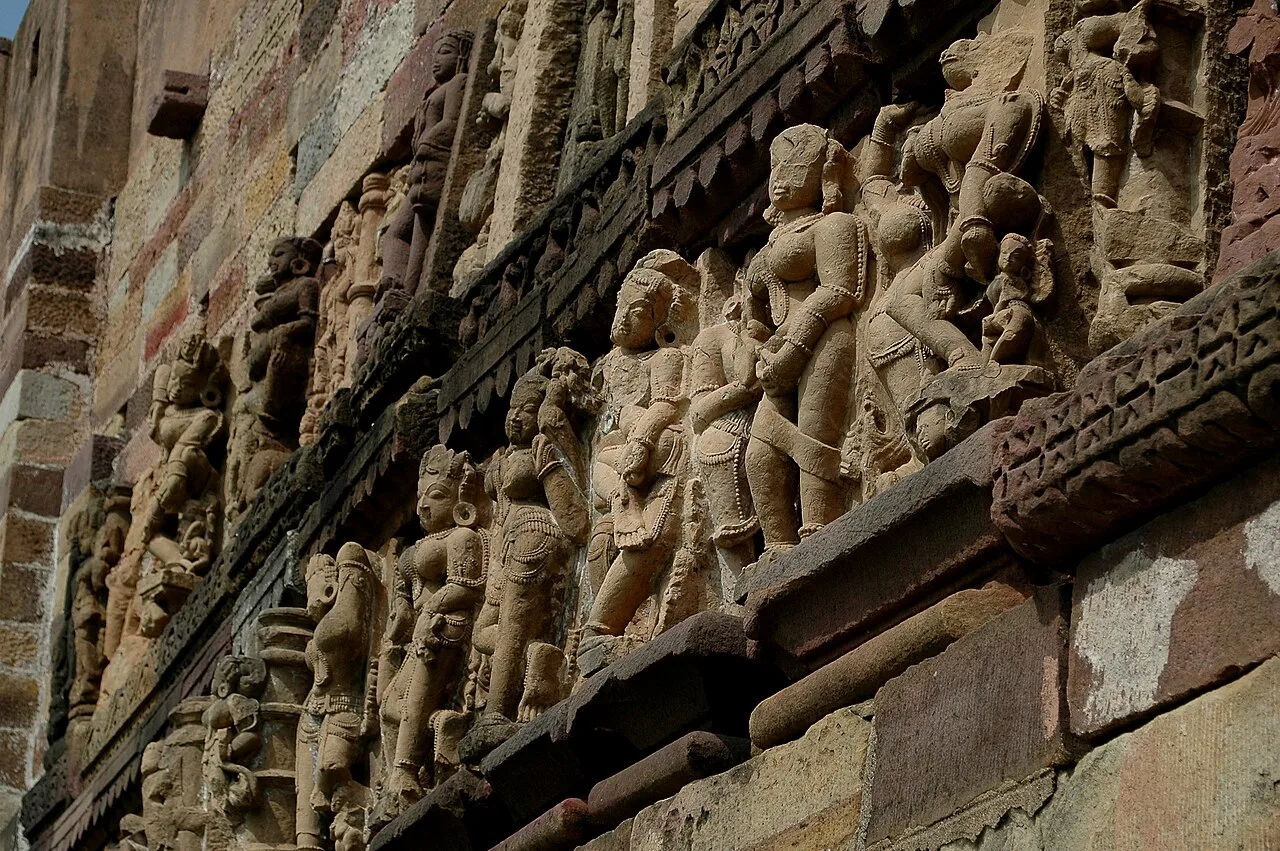
Ratanpur is a town and nagar palika in Chhattisgarh’s Bilaspur district. Travellers encounter it on National Highway 130, about 25 kilometres from Bilaspur on the way towards Ambikapur.

Tala

23 km away · Bilaspur district

Tala

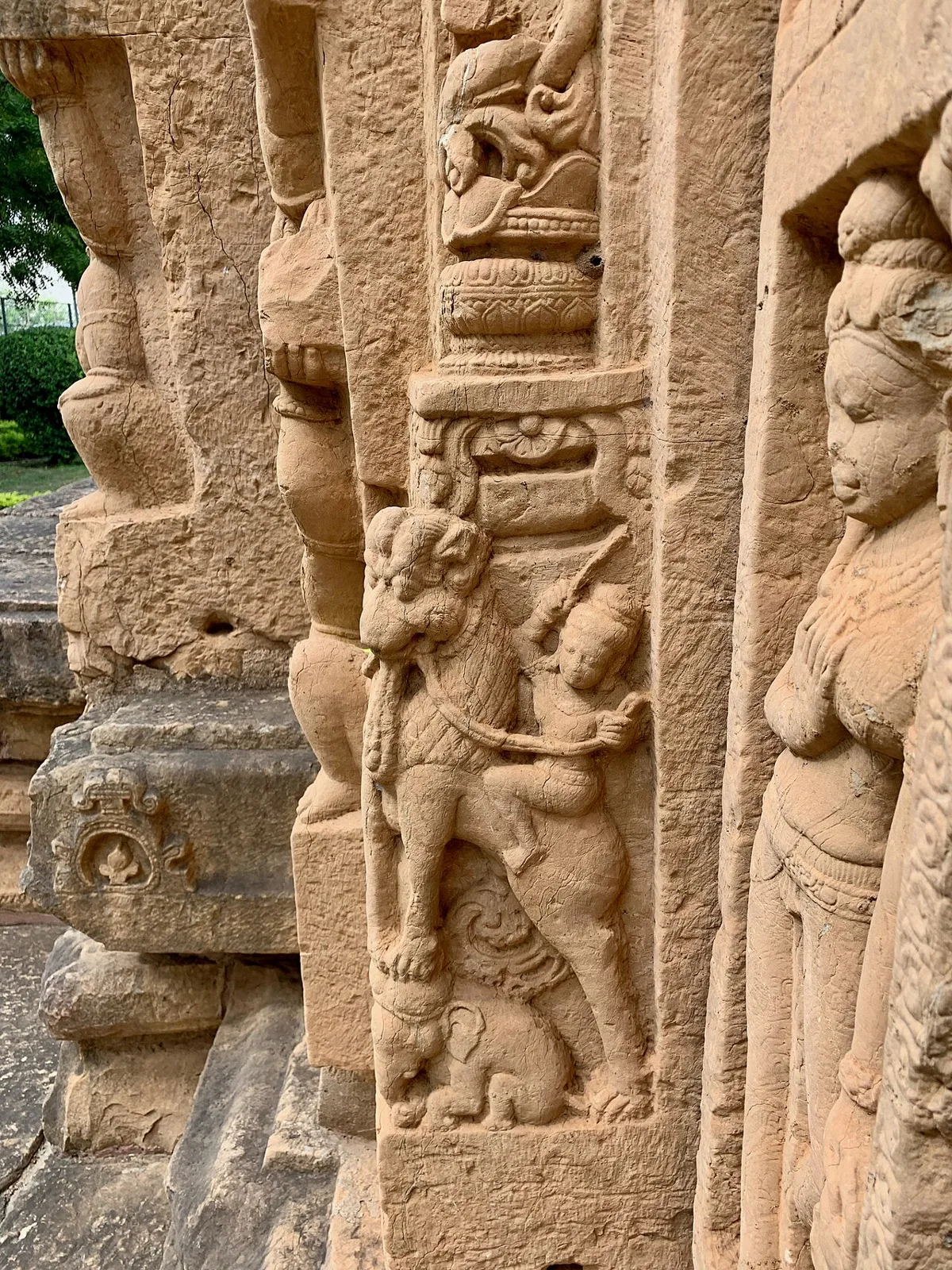
Tala is a village in Chhattisgarh’s Bilaspur district. Visitors are drawn to the Devrani and Jethani temples and its distinctive stone statue of Rudra Shiva.

Malhar

25 km away · Bilaspur district

Malhar

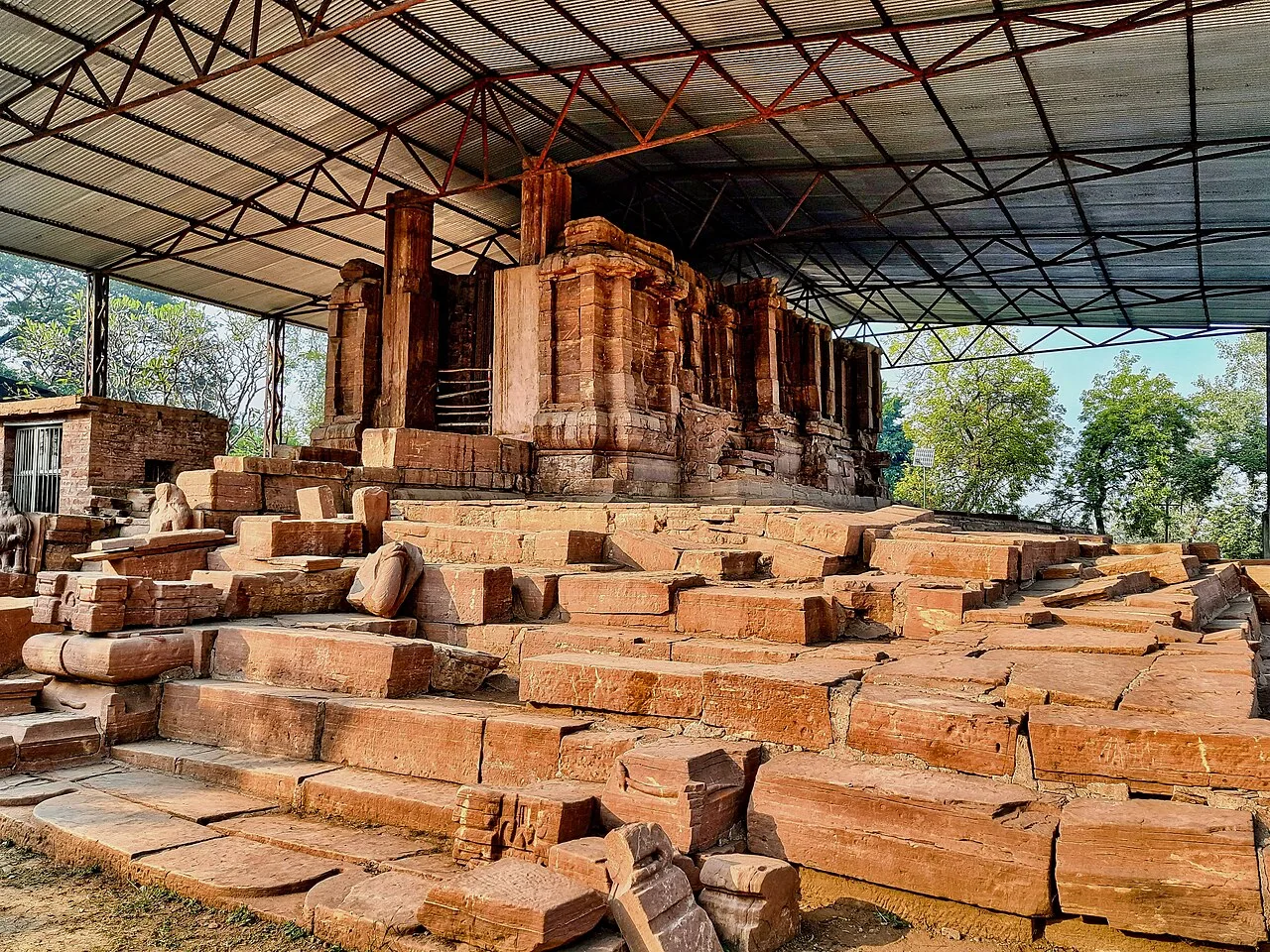
Malhar, in Chhattisgarh’s Bilaspur district, draws visitors interested in archaeology and its remains of an old fort, restored Shiva temples, and Hindu, Jain and Buddhist temples.

Chaiturgarh

49 km away · Korba district

Chaiturgarh

Chaiturgarh, also called Lafagarh, is a historic hill fort in Korba district, Chhattisgarh. Visitors come for its pilgrimage associations, historic remains and setting within a biosphere reserve.

Achanakmar Wildlife Sanctuary

68 km away · Bilaspur district

Achanakmar Wildlife Sanctuary

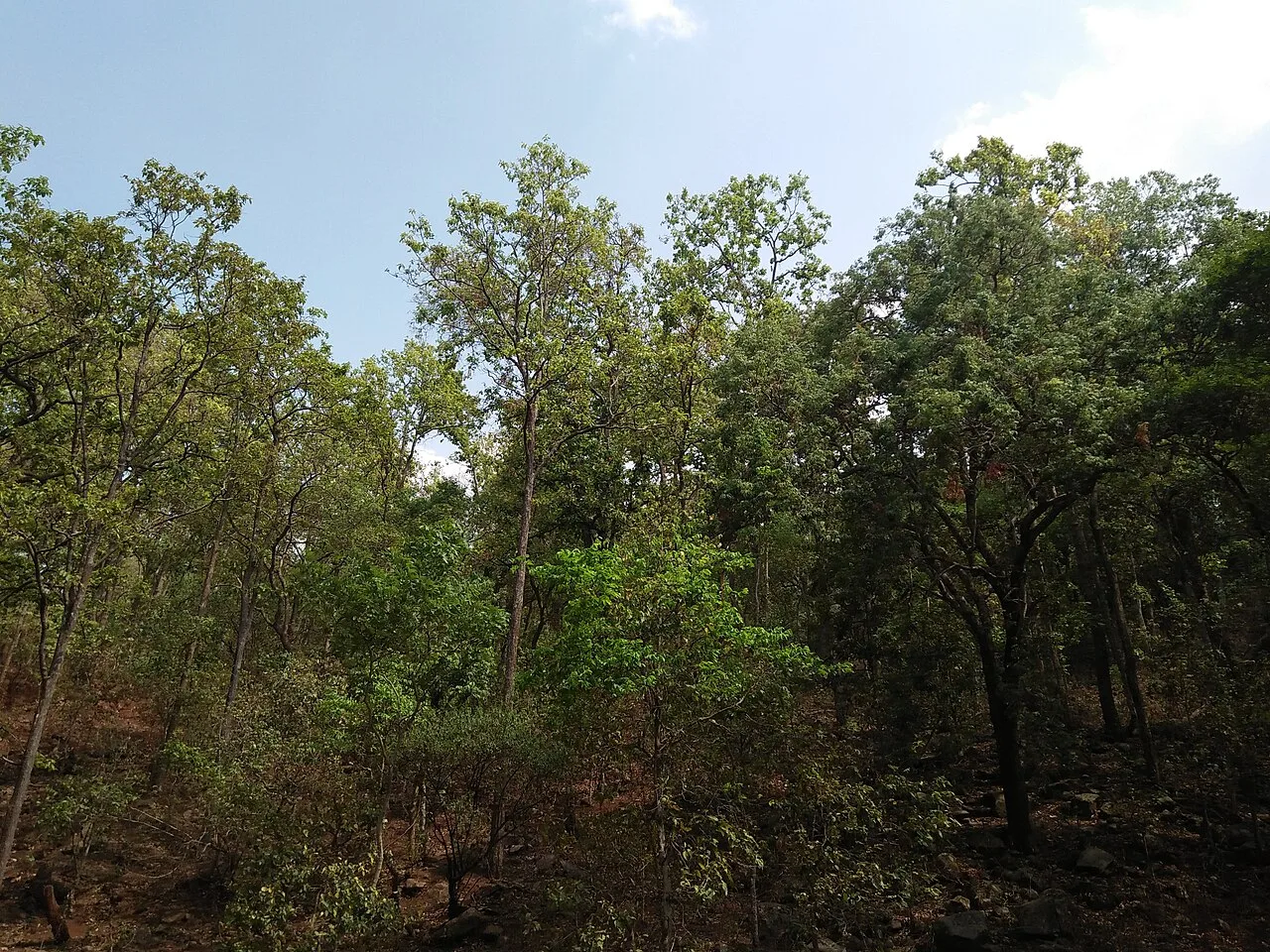
Achanakmar is a protected forest area and tiger reserve spanning parts of Chhattisgarh and Madhya Pradesh. Visitors come to experience its wooded hills, varied terrain and the Maniyari River.

82 km away · Mahasamund district

Barnawapara Wildlife Sanctuary

Barnawapara Wildlife Sanctuary, in Chhattisgarh’s Mahasamund district, is a protected area established in 1976 under the Wildlife Protection Act. Visitors come to experience a wildlife sanctuary.

Sirpur

82 km away · Mahasamund district

Sirpur

Sirpur, a village in Chhattisgarh’s Mahasamund district, attracts visitors to its historic group of Buddhist, Hindu and Jain temples and monasteries, built between the fifth and twelfth centuries.

Bhoramdeo Temple

104 km away · Kabirdham district

Bhoramdeo Temple

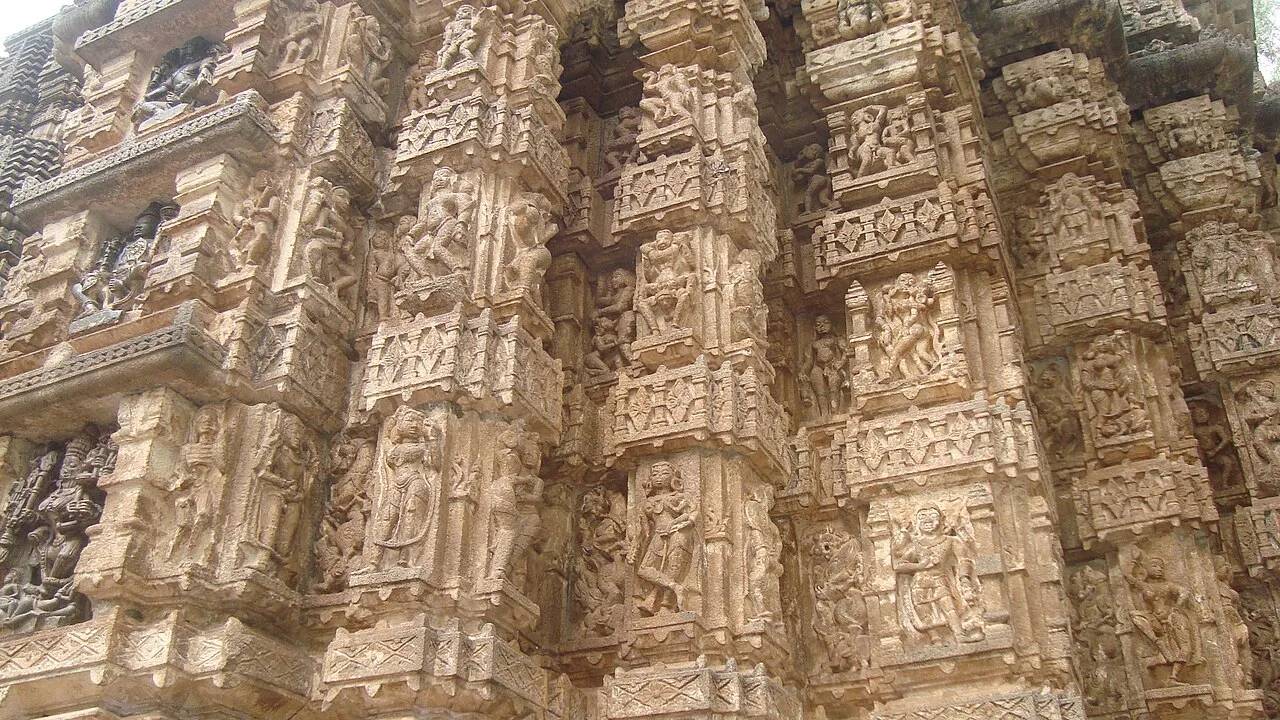
Bhoramdeo is a Shiva temple complex in Chhattisgarh, visited for its four shrines, sculptural detail and architectural links with Khajuraho and Konark.

Map

Bilaspur on the map

  1. 1Ratanpur
  2. 2Tala
  3. 3Malhar
  4. 4Chaiturgarh
  5. 5Achanakmar Wildlife Sanctuary
  6. 6Barnawapara Wildlife Sanctuary
  7. 7Sirpur
  8. 8Bhoramdeo Temple

Chhattisgarh

Other cities to explore