
Ghumoopedia — Explore, Discover, Experience
Sign in
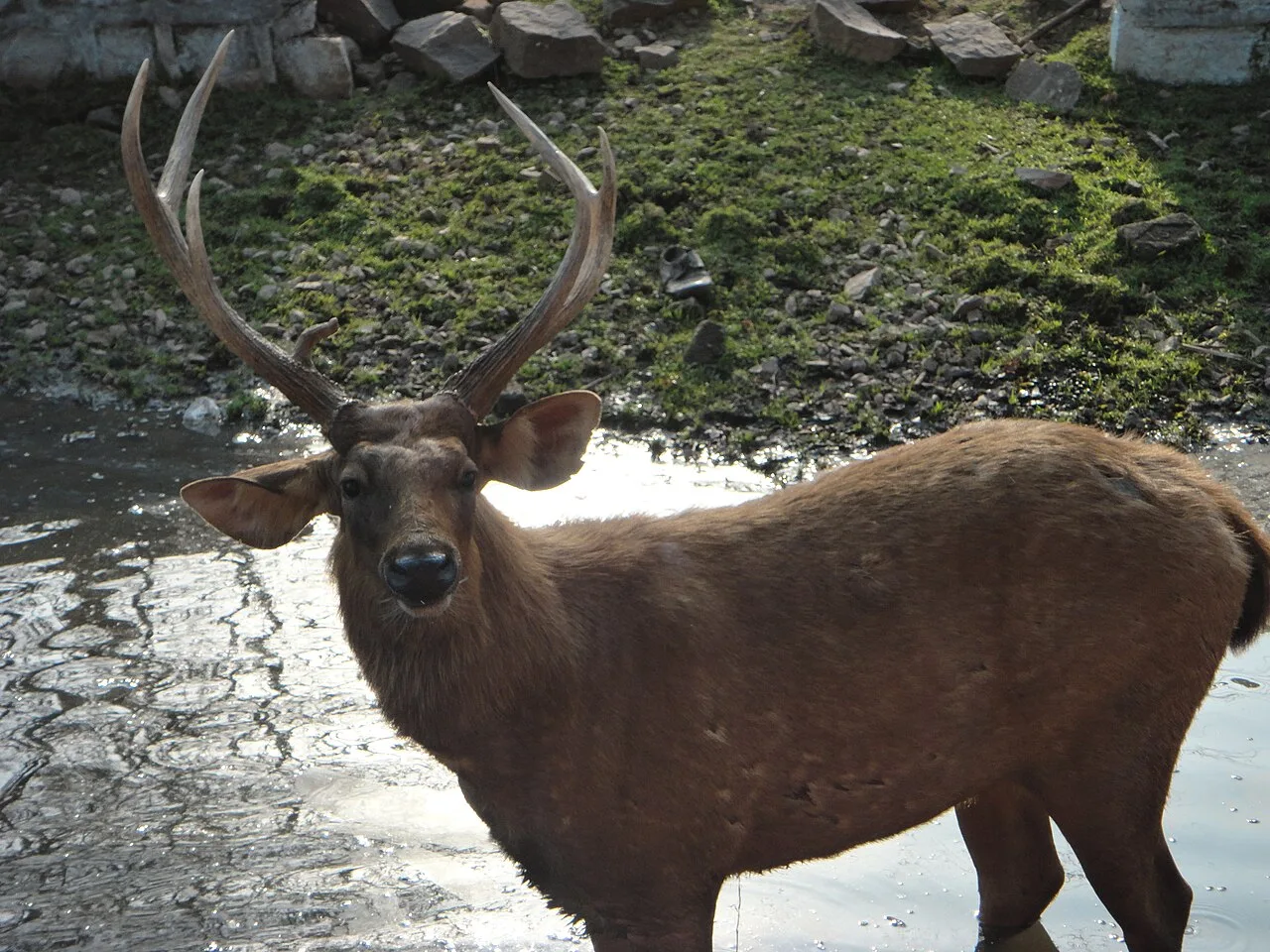
Maitri Bagh, near Bhilai

City guide · Chhattisgarh

Bhilai

Bhilai is one of Chhattisgarh’s principal industrial and educational centres. Together with neighbouring Durg, it forms a major urban hub in the state, with steelmaking, power, cement and engineering shaping both its economy and its identity.

Famous for

  • Bhilai Steel Plant
  • Steel and heavy industry
  • Maitri Bagh zoo
  • IIT Bhilai
  • Chhattisgarhi regional culture
In the city
1
District
Durg

Why Bhilai matters

Bhilai is one of Chhattisgarh’s principal industrial and educational centres. Together with neighbouring Durg, it forms a major urban hub in the state, with steelmaking, power, cement and engineering shaping both its economy and its identity. The Bhilai Steel Plant, operated by the Steel Authority of India, is the city’s defining landmark and a major part of India’s industrial history. The city is also home to Indian Institute of Technology Bhilai and Bhilai Institute of Technology, drawing students and professionals from across the region.

For visitors, Bhilai offers a different view of central India from its forest and heritage destinations: its planned sectors reflect the growth of a large industrial township, while local markets and food spots reveal a lively, diverse community. Maitri Bagh, the state’s oldest zoo, is a popular green retreat. Civic Centre and the busy commercial areas provide places to browse, eat and experience everyday city life. Bhilai is also a useful base for exploring Durg and nearby parts of the region.

Famous for: crafts, trade & products

Bhilai is best known for steel rather than for a distinctive textile or handicraft industry. The Bhilai Steel Plant is a major producer of steel products used in infrastructure and industry, while cement, power and engineering are also part of the local industrial landscape. These are principally large-scale industries, not products sold as souvenirs. The city is not widely associated with a Bhilai-specific GI-tagged product.

For regional shopping, Supela, Civic Centre and Sector 6 have everyday markets, shops and food businesses. Visitors may find Chhattisgarh crafts and textiles, including kosa silk, terracotta and bell-metal work, through local retailers or seasonal fairs; availability and the stated place of manufacture can vary, so check labels if provenance matters. Bhilai’s best-known institutions include the steel plant, Indian Institute of Technology Bhilai and Bhilai Institute of Technology. Maitri Bagh is another local landmark, combining a zoo with landscaped grounds. For a sense of the city’s commercial life, explore the neighbourhood markets rather than expecting a single specialist craft bazaar.

History

Bhilai began as a small settlement in a region associated with the Haihaiyavansi kingdom. Maratha forces conquered the area in 1740, and the wider region later came under British administration. For much of this period, Bhilai remained a village rather than a major urban centre.

Its transformation began in 1955, when the Indian government signed an agreement with the Soviet Union to establish a steel plant near the village. The project brought workers, engineers and families from many parts of India, and a planned township grew around the industrial complex. The plant’s first blast furnace was commissioned in 1959 by India’s first President, Rajendra Prasad. Steelmaking became the foundation of Bhilai’s growth, followed by related industries and educational institutions. Today, Bhilai is administered through several municipal corporations and functions as part of the wider Durg-Bhilai urban centre. Its history is visible in the contrast between the planned sectors and the older settlements that have grown alongside them.

Food, festivals & culture

Bhilai’s food reflects Chhattisgarhi traditions as well as the many communities drawn here by industry and education. Local and regional dishes to look for include chila, fara, bafauri, angakar roti and dubki kadhi; thethethri and khurmi are familiar savoury and sweet snacks. Restaurants and market stalls also serve food from across India, reflecting the city’s diverse population.

Hindi and Chhattisgarhi are widely heard, alongside languages brought by residents from other states. Major Hindu festivals such as Navratri, Dussehra and Diwali are observed, while Hareli and Pola connect celebrations to the agricultural calendar; Teeja is also important in the region. Holi and Chhath are celebrated by many communities. Folk forms from Chhattisgarh, including Panthi, Raut Nacha and Sua dance, may feature at cultural events. Temples, mosques, churches and gurdwaras serve the city’s varied communities, while festivals and neighbourhood gatherings are often as much about shared social life as worship.

Visiting the city

October to February is generally the most comfortable time to visit, with cooler weather than the hot pre-monsoon months. The monsoon, usually strongest in July and August, brings substantial rain. The nearest airport is Swami Vivekananda Airport in Raipur. Bhilai Power House is a main railway station for the city; Durg Junction, nearby, is another important rail gateway.

Auto-rickshaws, app-based taxis where available, local buses and hired cars are useful for getting around the spread-out sectors. Civic Centre is a good area for shops and places to eat, while Supela offers busy market streets. Sector 6 and Risali give a sense of the city’s residential and commercial life. Set aside time for Maitri Bagh, a popular green space and zoo. Bhilai and Durg are close enough to explore together, though local travel times depend on traffic.

Attractions

Places to visit in Bhilai

Sights within about 12 km of each other, even when they fall in different districts.

Map

Bhilai on the map

  1. 1Maitri Bagh

Chhattisgarh

Other cities to explore