
Ghumoopedia — Explore, Discover, Experience
Sign in
Ratanpur, near Ratanpur

City guide · Chhattisgarh

Ratanpur

Ratanpur is a historic town in Bilaspur district, about 25 kilometres from Bilaspur on National Highway 130. Its importance rests above all on the Mahamaya Temple, a major regional place of worship that draws pilgrims throughout the year, with especially lively gatherings during Navratri.

Famous for

  • Mahamaya Temple
  • Kalachuri-era heritage
  • Historic fort remains
  • Navratri pilgrimage
In the city
1
Nearby
1
Districts
Bilaspur, Korba

Why Ratanpur matters

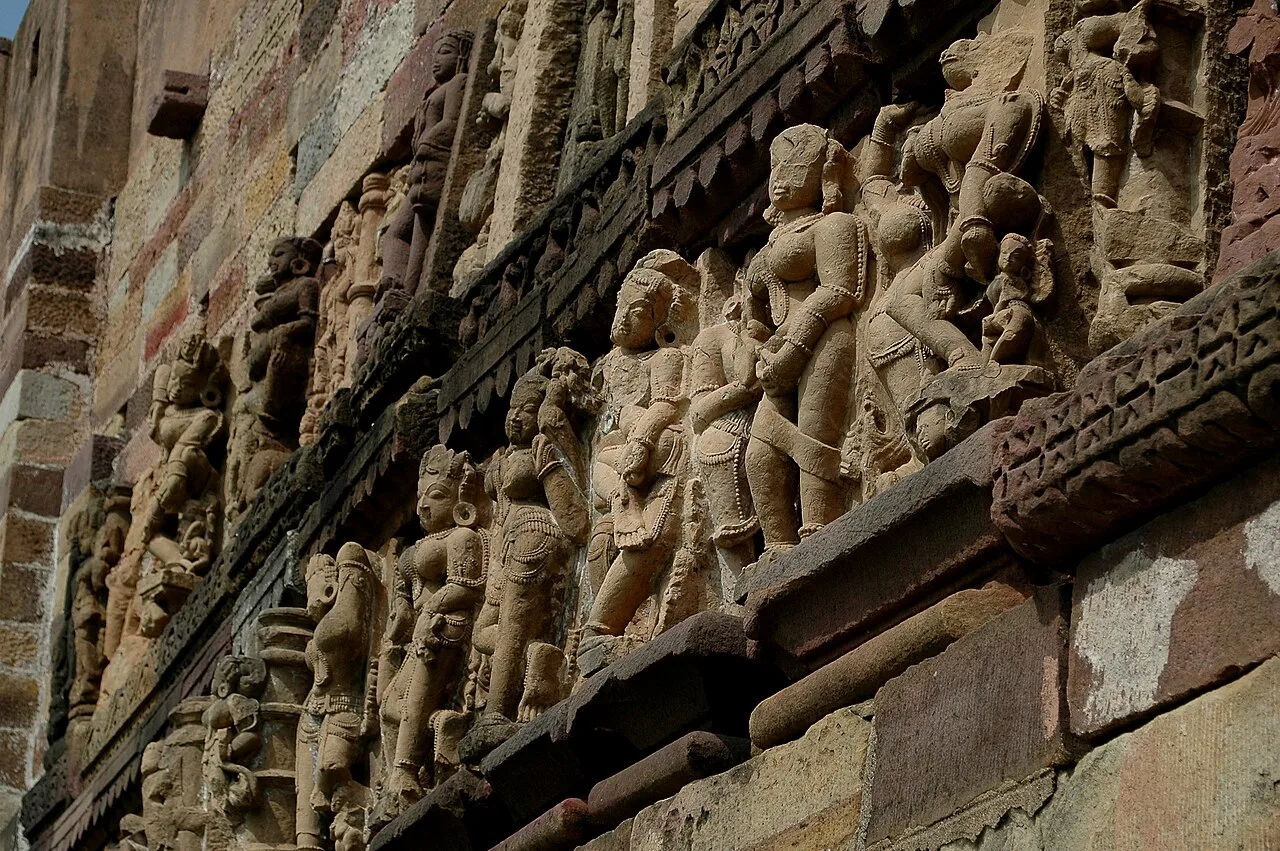
Ratanpur is a historic town in Bilaspur district, about 25 kilometres from Bilaspur on National Highway 130. Its importance rests above all on the Mahamaya Temple, a major regional place of worship that draws pilgrims throughout the year, with especially lively gatherings during Navratri. Temple precincts, old fort remains and other shrines give the town a strong heritage character and make it a rewarding stop for visitors exploring northern Chhattisgarh.

Ratanpur was once the capital of the Kalachuris of Ratnapura, and its historic standing distinguishes it from a typical highway town. Today it serves local communities and religious visitors, while Bilaspur provides the area’s principal transport and commercial hub. Travellers often combine a visit to Ratanpur’s temples and historic sites with time in Bilaspur or journeys farther north towards Ambikapur. The town is best known for its devotional life and medieval past rather than for a large modern industry or a nationally recognised craft tradition.
Famous for: crafts, trade & products

Ratanpur is principally known for the Mahamaya Temple and its historic associations, not as a major textile, handicraft or industrial centre. There is no widely established signature saree, craft or GI-tagged product specifically associated with the town. Visitors looking for local shopping will find everyday goods and devotional items in the bazaar and around the temple area; offerings and small religious keepsakes are the most natural purchases for many pilgrims.

The local market serves residents as well as visitors, with routine groceries, household necessities and seasonal produce. Chhattisgarhi staples and ingredients may be encountered through ordinary food shops and eateries, though availability varies. For a broader choice of branded goods, specialist shopping and larger markets, Bilaspur is the regional destination. Ratanpur’s distinctive appeal is therefore its sacred and historical landscape: the temple precinct, the old fort area and other shrines are the places to explore, rather than dedicated craft markets or factory outlets. Visitors interested in traditional crafts from across the state can look for them in larger Chhattisgarh centres, while treating Ratanpur as a pilgrimage and heritage stop.

History

Ratanpur, historically known as Ratnapura, became the capital of the Kalachuris of Ratnapura, a branch of the Kalachuris of Tripuri. An inscription dated 1114 CE records the dynasty’s account of its origins: Kalingaraja established a seat at Tummana, present-day Tuman, and his grandson Ratnaraja later founded Ratnapura. The town developed as a political centre whose rulers controlled substantial parts of what is now Chhattisgarh.

In 1407, the kingdom divided, with a junior branch ruling from Raipur, while Ratanpur continued as a capital into the eighteenth century. The Maratha Bhonsles of Nagpur then brought the region under their authority; Bimbaji Bhonsle governed Chhattisgarh from Ratanpur. Under British rule, the area was administered from Bilaspur within the Central Provinces, later reorganised as the Central Provinces and Berar. After Indian independence, Ratanpur became part of Madhya Pradesh. It joined the newly formed state of Chhattisgarh in 2000, with Raipur as the state capital.

Food, festivals & culture

Ratanpur’s cultural life is closely tied to worship at the Mahamaya Temple. Navratri, observed in spring and autumn, is a particularly important period for prayer and pilgrimage, while Diwali, Holi and Dussehra are also widely celebrated. The town’s shrines and historic religious sites remain central to community life. Nearby cultural traditions reflect the wider Chhattisgarhi region, where folk forms such as Panthi and Raut Nacha are performed on festive and community occasions.

Hindi and Chhattisgarhi are commonly heard, with language use varying among residents and visitors. Everyday food draws on the state’s rice-based cuisine. Dishes found across the region include chila, fara, bara and rice served with seasonal vegetables or lentils; local eateries and household menus differ. Sweets and snacks are available in the bazaar, particularly around busy festival periods, but Ratanpur is not especially associated with one signature sweet. For visitors, a temple visit, a walk through the old town and an opportunity to observe the rhythm of a pilgrimage day offer a sense of the town’s devotional culture.

Visiting the city

The cooler months, roughly October to March, are generally the most comfortable time to visit. Navratri brings a stronger pilgrimage atmosphere, though temple areas can be busier. The nearest airport is Bilaspur Airport at Chakarbhatha; check current flight connections before planning. Bilaspur Junction is the main railway station for reaching Ratanpur, around 25 kilometres away. From Bilaspur, visitors can continue by road using buses, taxis or other local transport. Within Ratanpur, short journeys are commonly made by local vehicles or on foot, depending on distance and conditions.

Explore the Mahamaya Temple precinct, the old town and the remains of the historic fort, along with nearby shrines. Bilaspur is a practical base for additional services and onward travel.

Attractions

Places to visit in Ratanpur

Sights within about 12 km of each other, even when they fall in different districts.

Short trips

Around Ratanpur

Within about 40 km — easy half-day or day trips from the city.

Map

Ratanpur on the map

  1. 1Ratanpur
  2. 2Chaiturgarh

Chhattisgarh

Other cities to explore