Ghumoopedia — Explore, Discover, Experience
Sign in
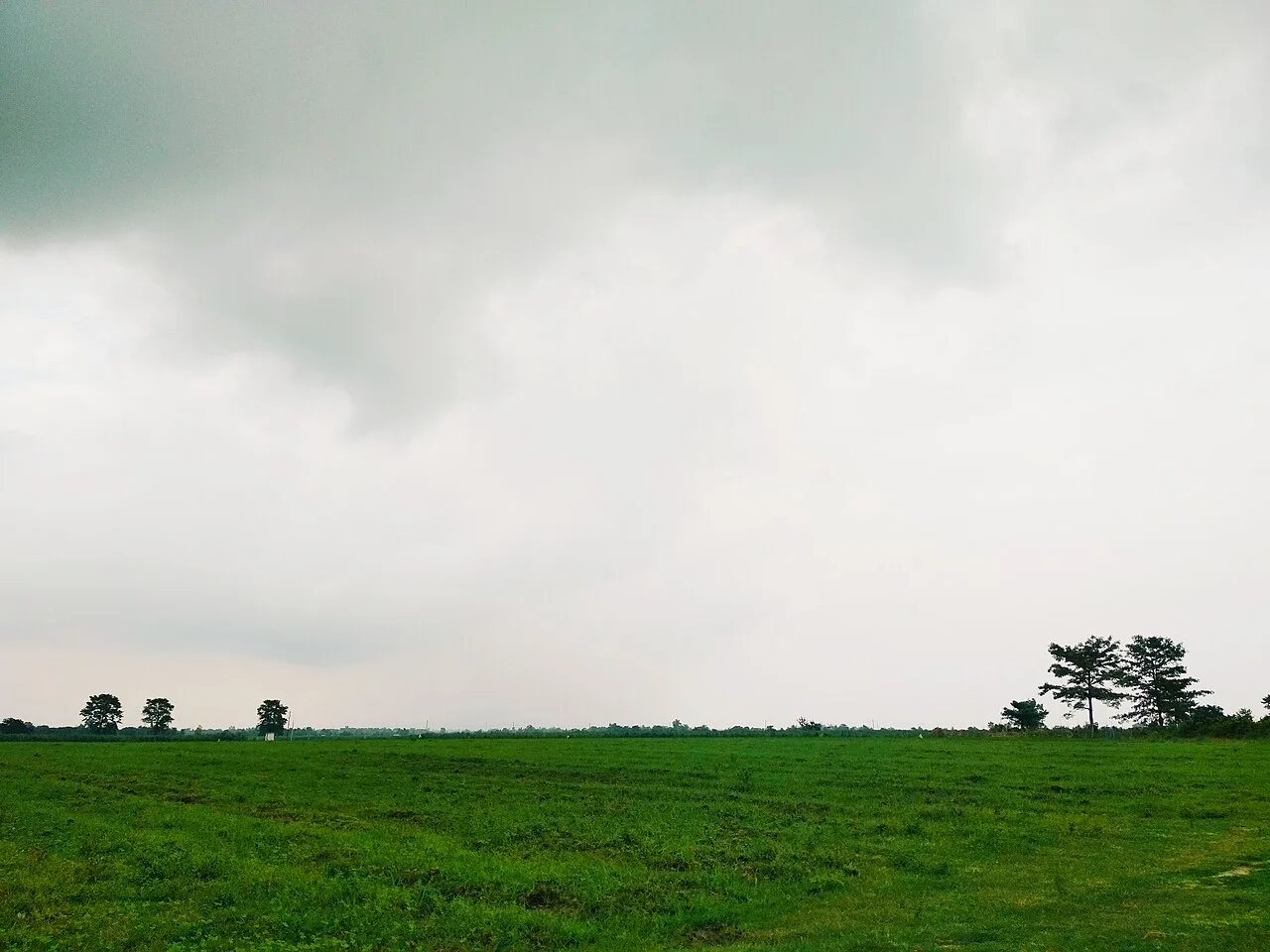
Champaran, near Arang

City guide · Chhattisgarh

Arang

Arang is an ancient temple town in Raipur district, near the eastern edge of Raipur and within easy reach of Mahasamund. Its cluster of Hindu and Jain shrines, many dating to the 11th and 12th centuries, gives it a distinctive place in Chhattisgarh’s religious and archaeological landscape.

Famous for

  • Mand Deval Jain temple
  • Mahamaya temple
  • Panchmukhi temple
  • Hanuman temple
  • Rice and pulse mills

Why Arang matters

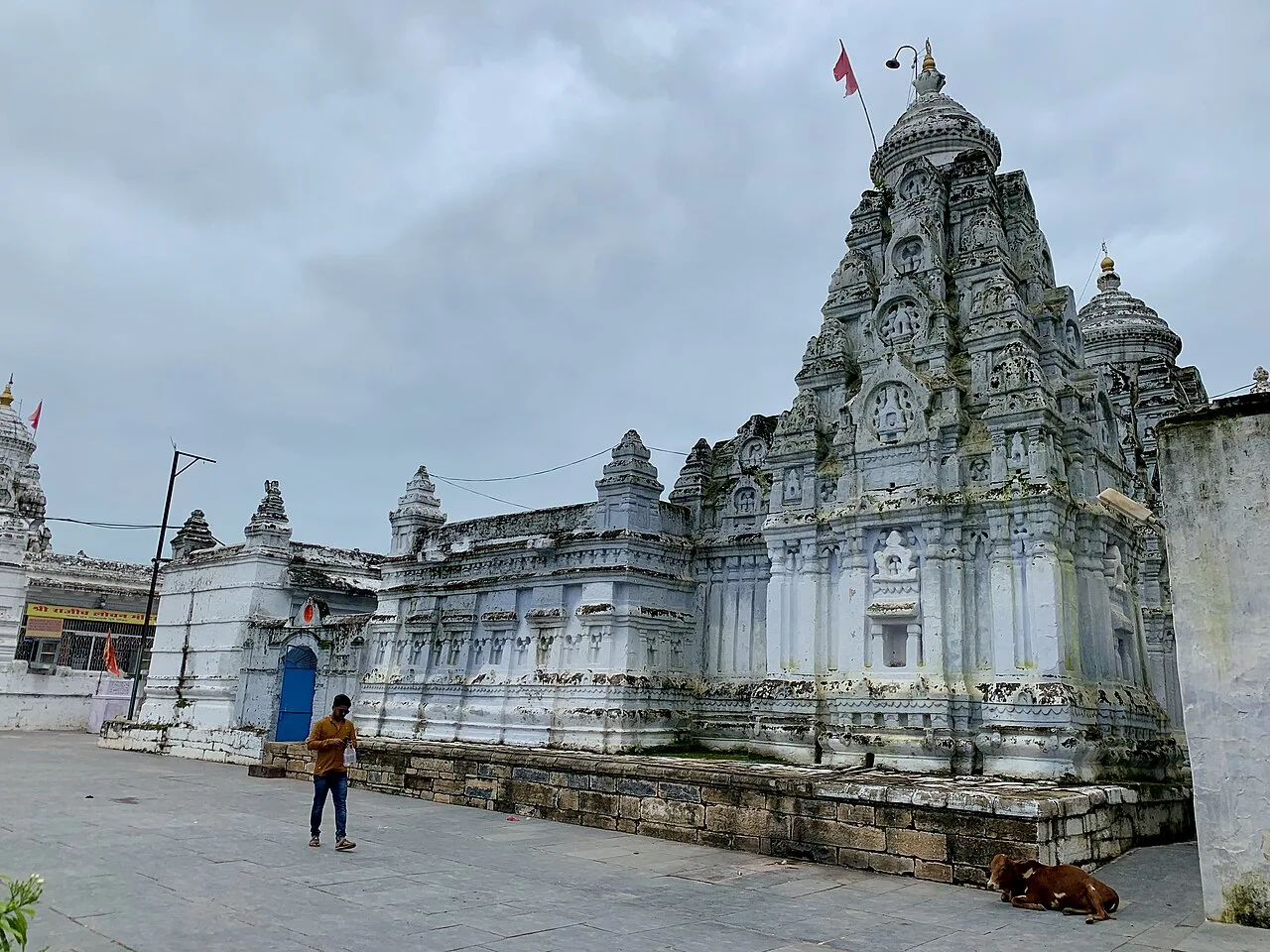
Arang is an ancient temple town in Raipur district, near the eastern edge of Raipur and within easy reach of Mahasamund. Its cluster of Hindu and Jain shrines, many dating to the 11th and 12th centuries, gives it a distinctive place in Chhattisgarh’s religious and archaeological landscape. The Mand Deval Jain temple is especially notable for its large, polished black-stone images of Digambara tirthankaras; other landmarks include the Mahamaya, Panchmukhi and Hanuman temples.

Arang’s significance extends beyond pilgrimage. A Gupta-period copper-plate inscription found here attests to its early political history, while local legends and folk traditions add to its cultural identity. Today, the town serves its surrounding area as a Nagar Palika and a centre for small-scale rice and pulse milling and trade in forest products. Visitors come chiefly for the temples and heritage, often combining a visit with Raipur or Mahasamund. Its position beside National Highway 53 makes Arang an accessible stop for travellers exploring the region.
Famous for: crafts, trade & products

Arang is better known for its temples and agricultural processing than for textiles, handicrafts or a distinctive branded product. Small-scale rice and pulse mills form part of the local economy, serving the town and its rural surroundings.

For everyday provisions and locally traded goods, visitors can look around the town’s shops and market area; rice and pulses are the most characteristic local products to ask about. There is no established visitor-focused craft bazaar or specialist shopping district to seek out. The temples are the town’s principal cultural attractions rather than places to buy souvenirs. Those interested in local livelihoods may find the surrounding countryside and milling activity more representative of Arang’s economy than a formal tourist market. For a heritage-focused visit, the Mand Deval Jain temple and the other historic shrines offer a stronger sense of what distinguishes the town.

History

Arang’s history reaches back to at least the Gupta period. A copper-plate inscription found in the town, associated with Bhimasena II of the Rajarsitulya lineage, records a dynasty whose rulers are understood to have held power in the region as Gupta vassals. Arang later came under the Haihaya Rajput dynasty. Its temples, including the Mand Deval Jain temple and Hindu shrines, reflect its long-standing importance as a centre of Jain and Hindu worship. Jain images discovered in the area are now preserved at a Digambar Jain temple in Raipur.

The town also appears in regional sacred and folk traditions: it is associated with the Mahabharata and with the tale of King Murddhawaja, while the story of Chandini and Lorik survives in Chhattisgarhi folk poetry. These traditions are distinct from the archaeological record. The available account of Arang’s past is especially rich in ancient and religious history, with little specific detail about its colonial-era development. In modern times it has grown as a Nagar Palika and local service centre, with rice and pulse milling among its economic activities.

Food, festivals & culture

Arang’s cultural life is closely tied to its Hindu and Jain places of worship. The Mand Deval Jain temple and the Mahamaya, Panchmukhi and Hanuman temples are important destinations for worship and heritage visits. Hindu festivals commonly observed across the region include Holi in spring, Navratri in spring or autumn, and Diwali in autumn; Jain observances are also part of the town’s religious landscape. Celebrations and practices can vary among communities and households.

Chhattisgarhi is widely spoken in the region, alongside Hindi. The local folk tradition includes the story of Chandini and Lorik, remembered in sung poetry and associated with a memorial near Arang. Rice is central to Chhattisgarhi cooking, and visitors may encounter regional foods such as chila, fara and rice-based dishes, as well as sweets such as dehrori; these are regional specialties rather than foods unique to Arang. The town’s temples, everyday worship and oral traditions offer a more grounded introduction to its culture than a dedicated performance or food-tour scene.

Visiting the city

The cooler months, roughly October to February, are generally the most comfortable for visiting. Summer can be very hot, while July and August bring much of the region’s rainfall. Swami Vivekananda Airport near Raipur is the nearest airport. Mahasamund railway station is a nearby railhead; Raipur Junction is a larger station for broader rail connections.

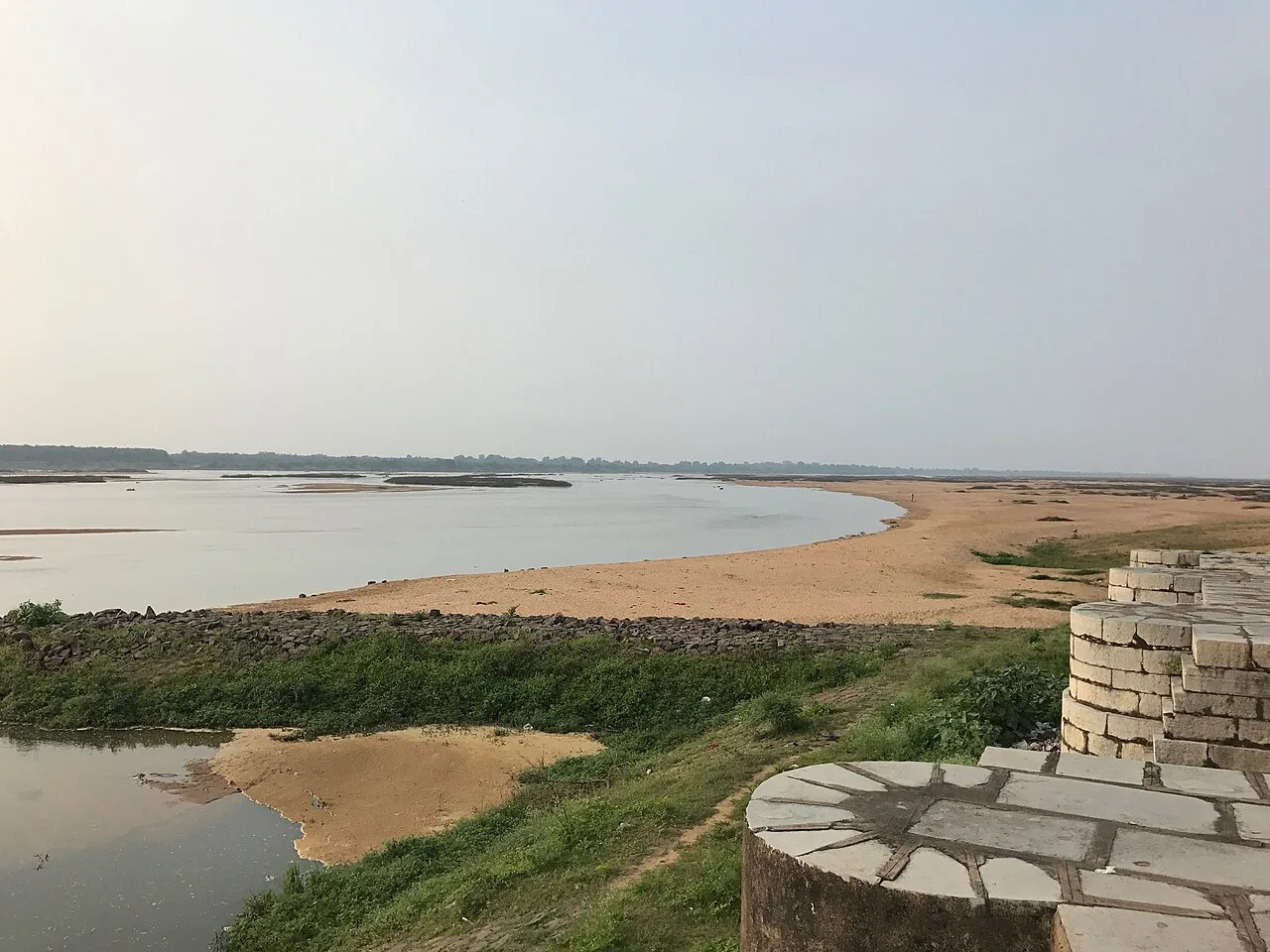
Arang lies beside National Highway 53, and road travel is the practical way to reach and explore the town. Local transport can be used for short trips, while arranging a vehicle is useful for visiting several temples or travelling onward to nearby places. Focus on the central temple area, especially Mand Deval and the Mahamaya, Panchmukhi and Hanuman temples. The Chandini-Lorik memorial and the Mahanadi-side surroundings are additional points of interest. Raipur and Mahasamund make convenient bases or onward stops.

Trips from the city

Nearest places to visit from Arang

Our closest destination guides, by straight-line distance.

Champaran

18 km away · Janjgir-Champa district

Champaran

Champaran is a village in Chhattisgarh associated with Vallabhacharya, founder of the Vallabh sect. Visitors come to see temples and the two sites linked with his Chaurasi Bethak.

Purkhouti Muktangan

23 km away · Raipur district

Purkhouti Muktangan

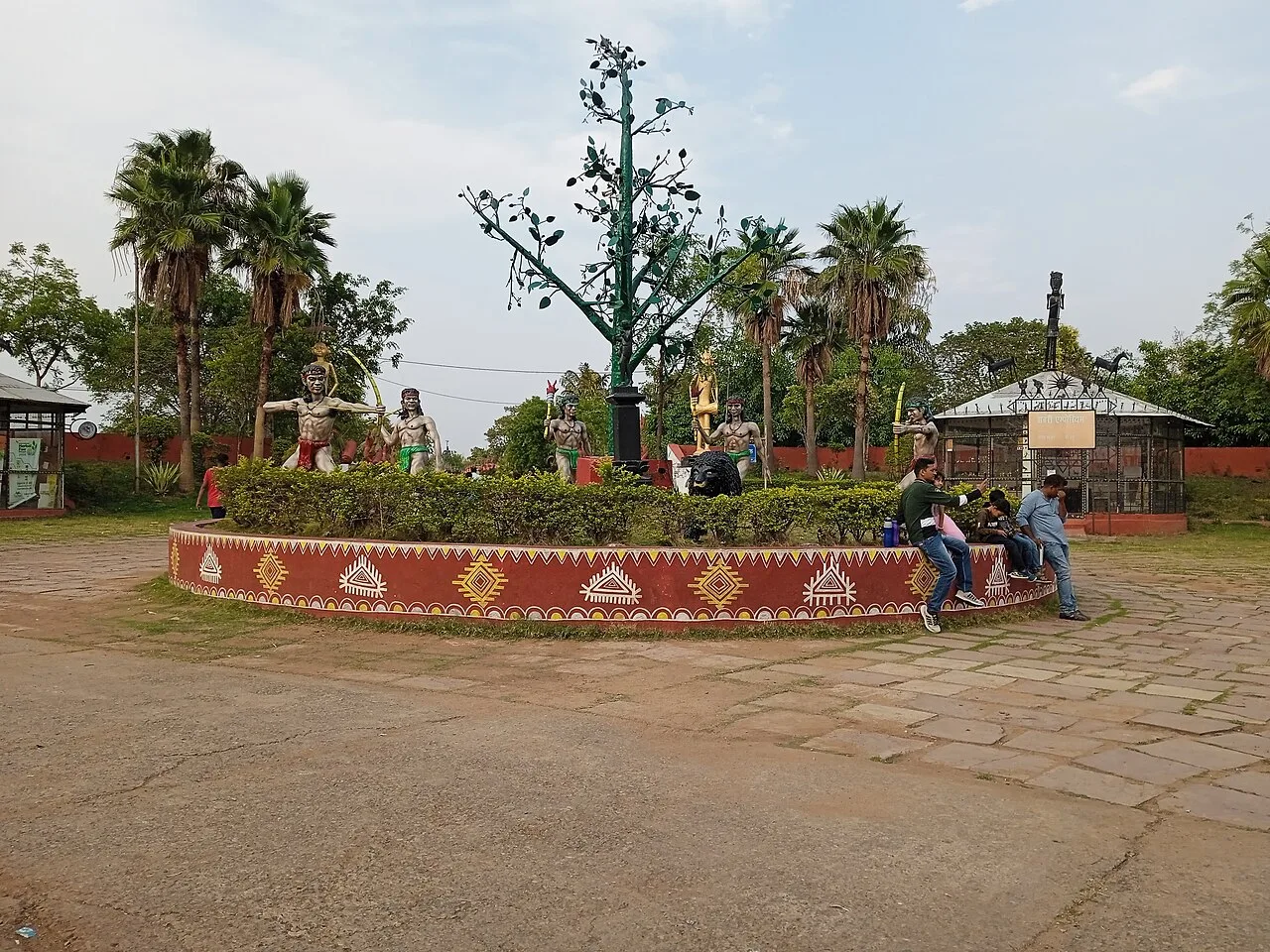
Purkhouti Muktangan is a 24.2-hectare cultural and sculpture park in Naya Raipur, where visitors can explore displays reflecting Chhattisgarh’s tribal communities and cultural life.

Rajim

27 km away · Gariaband district

Rajim

Rajim is a town in Gariaband district, Chhattisgarh, India. People visit to spend time in the town and experience this part of the state.

Sirpur

28 km away · Mahasamund district

Sirpur

Sirpur, a village in Chhattisgarh’s Mahasamund district, attracts visitors to its historic group of Buddhist, Hindu and Jain temples and monasteries, built between the fifth and twelfth centuries.

Nandan Van Zoo

45 km away · Raipur district

Nandan Van Zoo

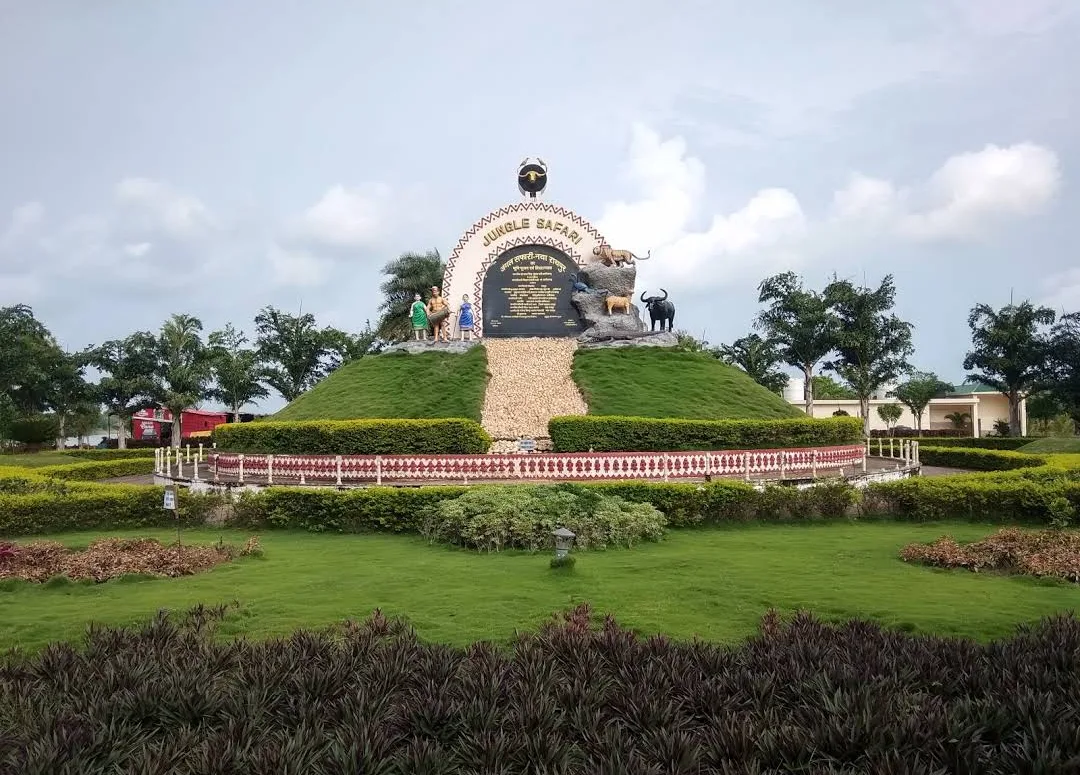
Nandan Van Zoo, also called Nandan Van Jungle Safari, is a visitor attraction in Raipur district, Chhattisgarh. People visit the 800-acre site beside the Kharun River.

56 km away · Mahasamund district

Barnawapara Wildlife Sanctuary

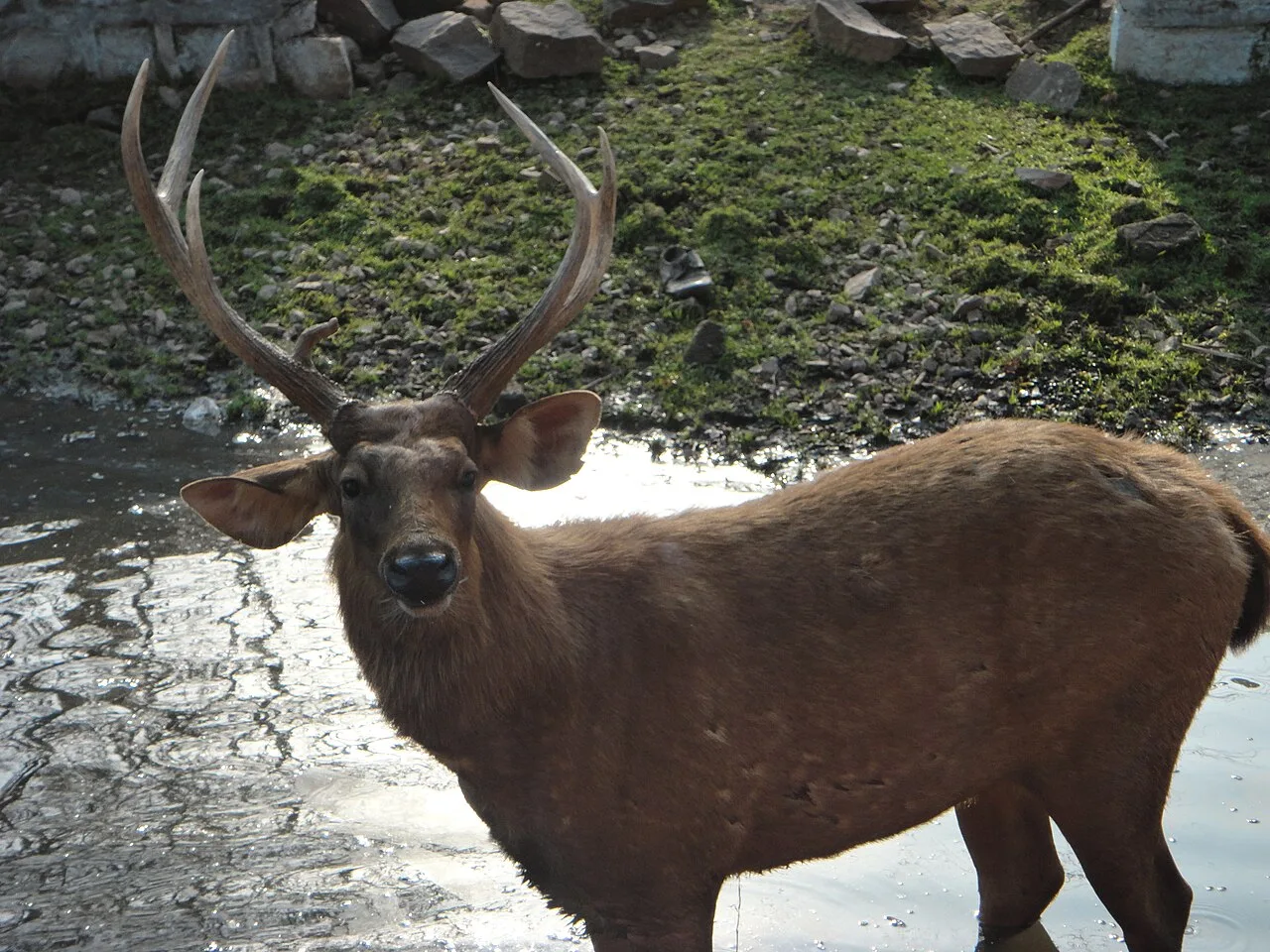
Barnawapara Wildlife Sanctuary, in Chhattisgarh’s Mahasamund district, is a protected area established in 1976 under the Wildlife Protection Act. Visitors come to experience a wildlife sanctuary.

Maitri Bagh

64 km away · Durg district

Maitri Bagh

Maitri Bagh is a zoo and visitor attraction in Bhilai, Durg district, Chhattisgarh. People visit for its wildlife setting and its history as a symbol of India–Soviet friendship.

Gangrel Dam

76 km away · Dhamtari district

Gangrel Dam

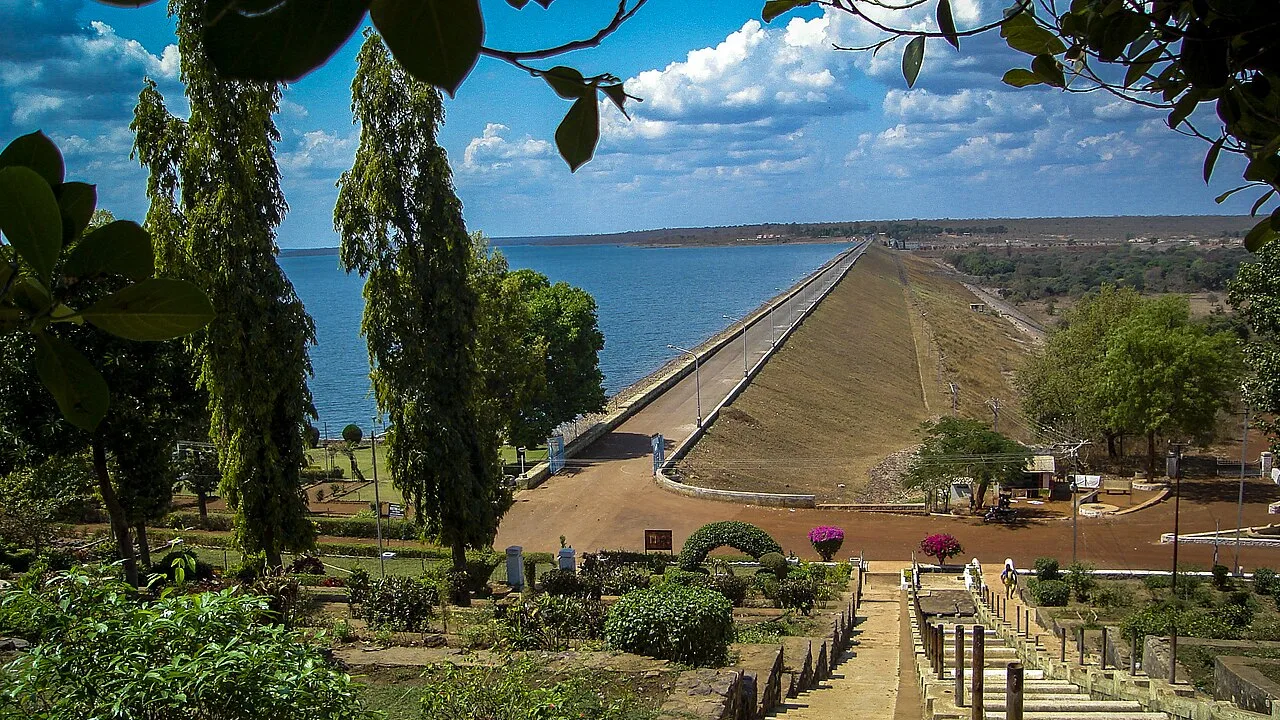
Gangrel Dam, officially named Pandit Ravishankar Sagar, is a major water project in Dhamtari district. Visitors are drawn to the reservoir and to Onakona, a tourist spot on its shore.

Map

Arang on the map

  1. 1Champaran
  2. 2Purkhouti Muktangan
  3. 3Rajim
  4. 4Sirpur
  5. 5Nandan Van Zoo
  6. 6Barnawapara Wildlife Sanctuary
  7. 7Maitri Bagh
  8. 8Gangrel Dam

Chhattisgarh

Other cities to explore