
Ghumoopedia — Explore, Discover, Experience
Sign in
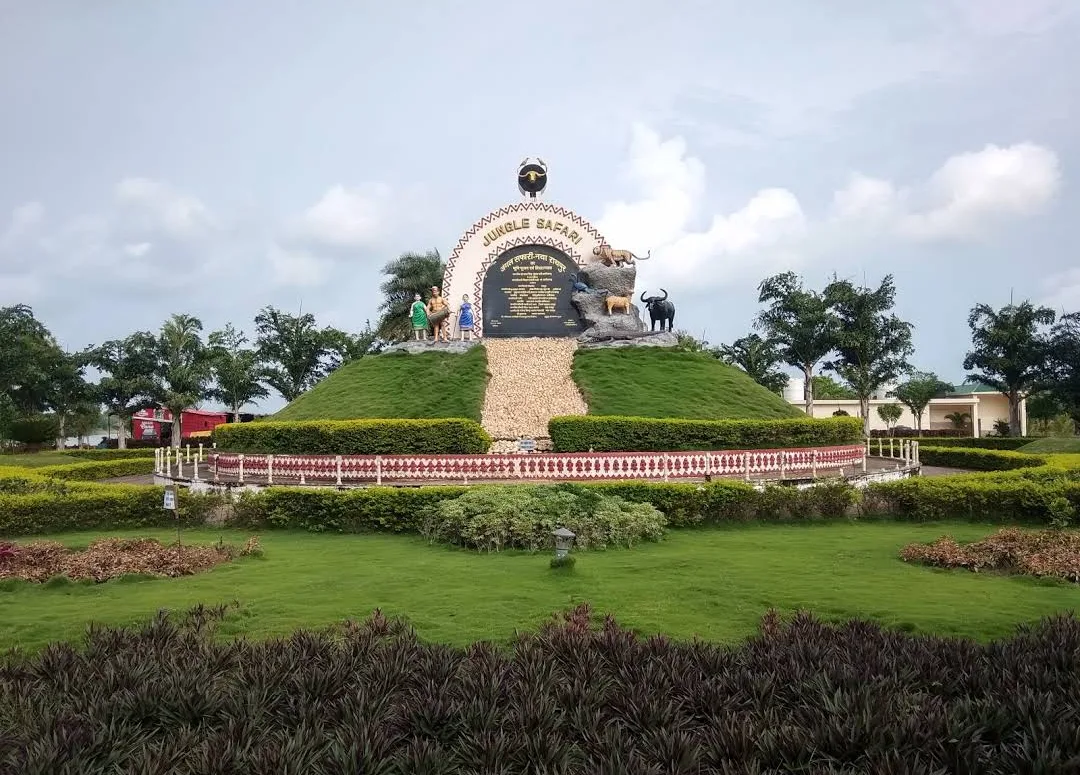
Nandan Van Zoo, near Raipur

City guide · Chhattisgarh

Raipur

Raipur is the capital of Chhattisgarh and the administrative centre of Raipur district and division. It is the state’s main commercial hub, with industries and trade in steel, iron, rice and other agricultural products shaping its economy.

Famous for

  • Steel and iron industry
  • Chhattisgarh Kosa silk
  • Rice milling and trade
  • Mahamaya Temple
  • Chhattisgarhi cuisine
In the city
1
District
Raipur

Why Raipur matters

Raipur is the capital of Chhattisgarh and the administrative centre of Raipur district and division. It is the state’s main commercial hub, with industries and trade in steel, iron, rice and other agricultural products shaping its economy. As Chhattisgarh’s largest urban centre, it is also a practical base for exploring the wider region, including historic sites such as Sirpur and the temples and landscapes of the Chhattisgarh plains.

Visitors find a mix of old-city markets, places of worship and newer urban districts. Mahamaya Temple, Dudhadhari Math and the Mahant Ghasidas Memorial Museum offer glimpses of local history and religious life; Telibandha and the planned city of Naya Raipur show a more contemporary side. Raipur is also known for Chhattisgarhi food and for access to the state’s crafts and textiles, including Kosa silk and work made by artisans elsewhere in Chhattisgarh. Its transport connections and range of accommodation make it a convenient starting point for journeys across the state.

Famous for: crafts, trade & products

Raipur is best known economically for steel, iron, rice milling and related trade. Industrial activity is concentrated around the city and its outskirts, while agricultural produce and processed foods move through its wholesale markets. For everyday shopping, Gol Bazaar and Sadar Bazaar are central places to browse clothing, household goods and local food products; larger shopping areas offer a more modern retail mix.

The city is also a useful place to find crafts and textiles from across Chhattisgarh. Kosa silk, woven into sarees and other garments, is among the region’s best-known textiles. State emporiums, including Shabari outlets, are useful places to look for verified regional handicrafts and textiles. Metalwork such as Bastar Dhokra, iron craft and carved wooden objects are associated especially with Bastar, rather than Raipur itself, but are sold in the capital. Rice varieties including Jeeraphool and Nagri Dubraj come from other parts of the state and may be found through specialist food retailers. Check labels for the product’s place of origin when buying.

History

Raipur lies in the historic Chhattisgarh plain, an area once associated with Dakshina Kosala. The region passed through the hands of several ruling powers: Gupta influence is recorded in a sixth-century inscription at Arang, while later kingdoms held territory from centres including Sirpur. Kalachuri rulers became prominent from around the early medieval period; a branch based at Raipur gained power by the fourteenth century. Their rule formed part of the political history behind the region’s many forts and the name Chhattisgarh.

In later centuries the area came under the Kalachuris of Ratnapura and then the Maratha Bhonsles of Nagpur. British administration followed the annexation of Nagpur in the mid-nineteenth century, bringing Raipur into a new system of provincial governance. The city remained part of Madhya Pradesh after Indian independence. On 1 November 2000, Chhattisgarh became a separate state, with Raipur as its capital. Since then, government, transport links and industrial growth have expanded the city, alongside development at Naya Raipur, now known as Atal Nagar.

Food, festivals & culture

Rice is central to Chhattisgarhi cooking, often served with lentils, leafy vegetables and seasonal produce. Local snacks and meals include chila, a savoury rice-flour pancake; fara, steamed rice dumplings; and bafauri, a steamed lentil preparation. Angakar roti is another regional staple. Sweets and savoury snacks are easy to find in the city’s markets and sweet shops, alongside familiar favourites such as jalebi. Recipes and ingredients vary between households and communities.

Hindi and Chhattisgarhi are widely heard, with other languages spoken among the city’s diverse residents. The cultural calendar includes Hareli during the monsoon season, Pola later in the rains, and Teeja, as well as Navratri, Dussehra, Diwali and Holi. Folk forms from the wider state, including Panthi singing and dance and Raut Nacha, appear at cultural events. Places of worship include Mahamaya Temple, Dudhadhari Math and Hatkeshwar Mahadev Temple; they reflect the city’s continuing religious life as well as its architectural heritage.

Visiting the city

October to March is generally the most comfortable season to visit; summer can be very hot, while the monsoon brings rain. Raipur is served by Swami Vivekananda Airport, near Mana, and Raipur Junction is the main railway station. Auto-rickshaws and taxis are useful for getting around, with local buses serving parts of the city.

Explore the old city for temples and traditional markets, especially around Gol Bazaar and Sadar Bazaar. Telibandha is a popular area for an evening stroll, while Shankar Nagar has shops and places to eat. Naya Raipur, also called Atal Nagar, offers a contrasting planned-city setting and attractions such as Purkhouti Muktangan. The Mahant Ghasidas Memorial Museum is a worthwhile stop for visitors interested in regional history and culture.

Attractions

Places to visit in Raipur

Sights within about 12 km of each other, even when they fall in different districts.

Map

Raipur on the map

  1. 1Nandan Van Zoo

Chhattisgarh

Other cities to explore