Ghumoopedia — Explore, Discover, Experience
Sign in

City guide · Chhattisgarh

Raigarh

Raigarh is a cultural and industrial centre in northern Chhattisgarh, serving as the administrative headquarters of its district and a gateway for nearby communities. Its identity brings together the legacy of the former princely state, classical music and dance, and the energy and steel industries that have helped shape the region.

Famous for

  • Raigarh gharana music
  • Kosa silk
  • Suwa folk dance
  • Coal and power
  • Steel and rice

Why Raigarh matters

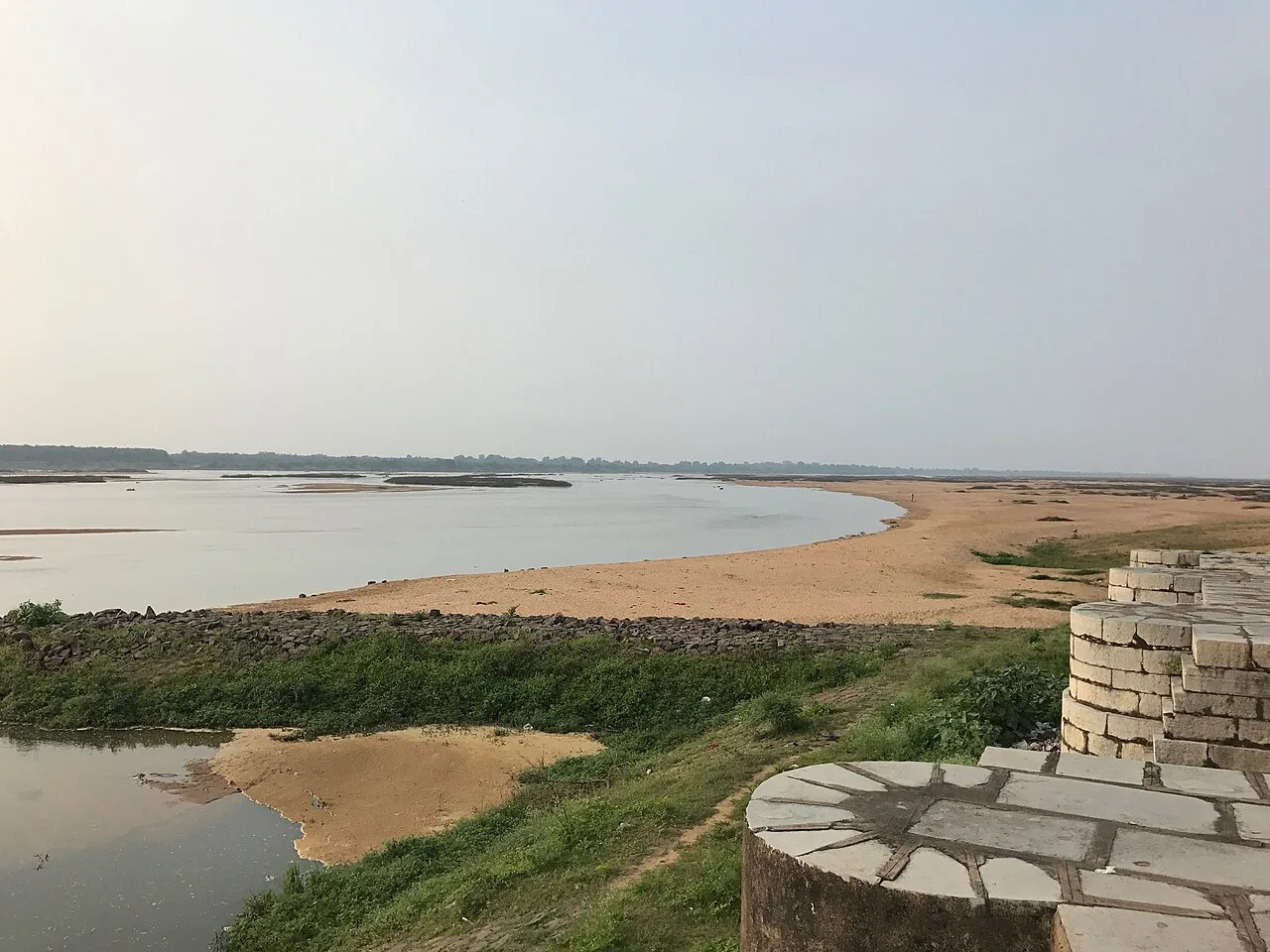
Raigarh is a cultural and industrial centre in northern Chhattisgarh, serving as the administrative headquarters of its district and a gateway for nearby communities. Its identity brings together the legacy of the former princely state, classical music and dance, and the energy and steel industries that have helped shape the region. The Kelo river flows through the city, while the surrounding district is known for rice cultivation and coal reserves.

Visitors come for Raigarh’s cultural heritage, especially its classical music tradition and the annual Chakradhar Samaroh, which celebrates music and dance. The city is also associated with Kosa silk, a fine, locally valued textile. Beyond its cultural attractions, Raigarh is an important centre for industry and transport, connected by rail and road to cities in Chhattisgarh and neighbouring Odisha. Its mix of courtly history, artistic traditions and modern industry makes it distinctive among the state’s regional cities.
Famous for: crafts, trade & products

Raigarh is closely associated with Kosa, a fine silk produced in the region and used for sarees and other textiles. Look for Kosa garments and silk goods in the city’s textile shops and local markets; ask about the fabric’s origin and finish when choosing a piece. The city is also known for its classical music heritage, often called the Raigarh gharana, which developed under the former rulers and remains central to its cultural reputation. Raigarh’s Suwa folk-dance tradition is another part of its artistic identity.

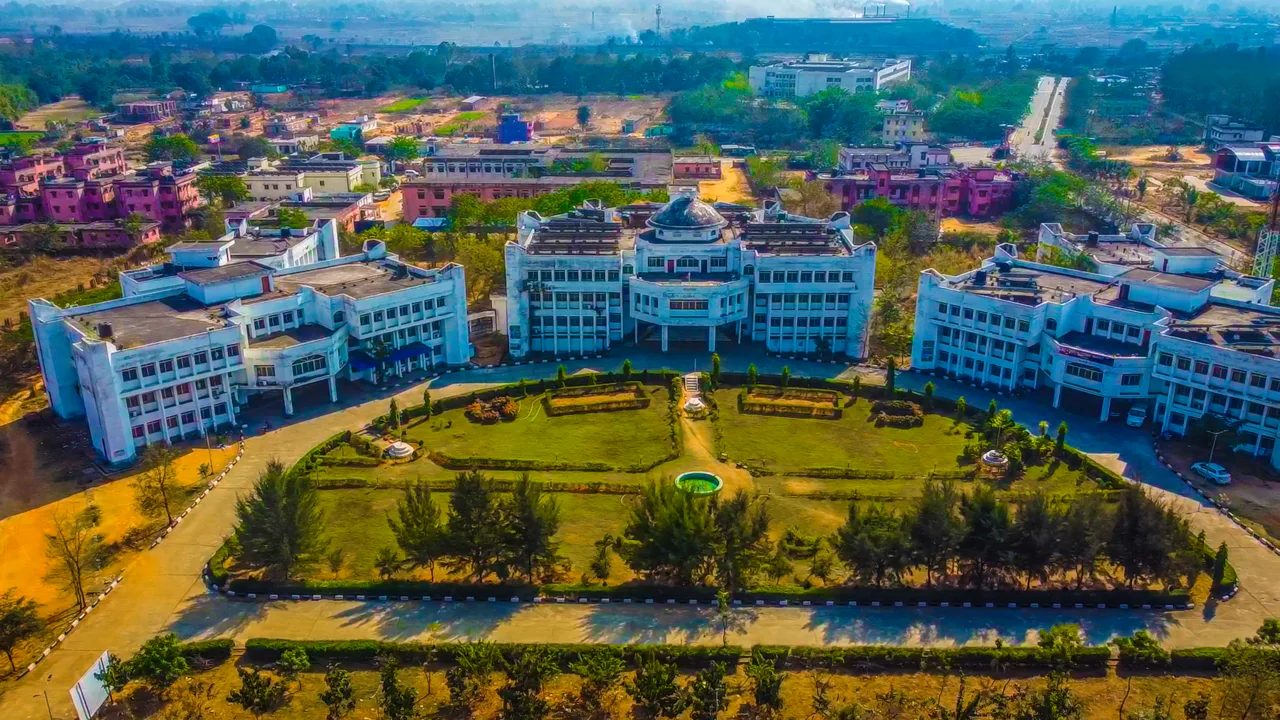
Industry is prominent in and around the city: coal deposits support power generation, and the wider area has steel and iron production. Raigarh also has a historic jute-mill connection and serves a district noted for rice production. These industries are part of the city’s modern character, though industrial sites are not generally visitor attractions. For education, the city is home to institutions including Kirodimal Institute of Technology and O.P. Jindal University. There is no need to assume a product has a GI tag; check current certification if that matters to a purchase.

History

Raigarh’s history is closely tied to the former princely state of Raigarh. According to the ruling family’s tradition, its Raj Gond ancestors came to the region from the Chanda area of present-day Maharashtra in the early eighteenth century. Madan Singh established the family at Banda, and later rulers expanded the state. Raigarh remained a princely capital before Indian independence.

The court became especially important to the arts under Maharaja Bhupdev Singh and Maharaja Chakradhar Singh. Chakradhar Singh’s patronage helped foster a distinctive classical music and dance tradition that became known as the Raigarh gharana. The legacy is celebrated through performances and the city’s cultural events.

After independence, Raigarh developed as the administrative headquarters of its district. In the modern era, rail connections, coal mining, power generation and steel production have contributed to rapid industrial growth. The city’s cultural identity and industrial role continue side by side.

Food, festivals & culture

Rice is central to everyday food in Raigarh and the wider Chhattisgarh region. Local meals may include rice with dal, seasonal vegetables and familiar Chhattisgarhi preparations such as chila and fara. Sweets and snacks vary by household and season; visitors can look for regional options in local eateries and markets. The city’s population also reflects connections with Odisha and other parts of India, bringing a range of food traditions.

Hindi, Chhattisgarhi and Odia are widely spoken, alongside other languages. Raigarh is especially associated with classical music and the Raigarh gharana, as well as Suwa folk dance. The Chakradhar Samaroh, usually held around the Ganesh Chaturthi season, brings classical music and dance performances to the city. Diwali, Holi, Navratri and other Hindu festivals are observed, alongside festivals celebrated by the city’s diverse communities. Hindu temples, mosques, churches, gurdwaras and other places of worship serve local residents.

Visiting the city

The cooler months, roughly October to February, are generally the most comfortable time to visit. Summers can be very hot, while the monsoon brings rain. Raigarh railway station is the city’s main station on the Howrah–Nagpur–Mumbai rail corridor. The nearest airport with regular passenger services is Veer Surendra Sai Airport at Jharsuguda, Odisha, about 95 km away; Raigarh also has a private airport associated with Jindal Steel and Power.

Auto-rickshaws and local taxis are practical for getting around. Buses use the Kevda Badi Bus Stand, with connections to nearby cities. Explore the central market and older parts of town for local shops and everyday city life, and seek out cultural performances when they are scheduled. The Kelo river and the city’s cultural venues offer further points of interest; check locally for access and current events.

Trips from the city

Nearest places to visit from Raigarh

Our closest destination guides, by straight-line distance.

52 km away · Raigarh district

Gomardha Wildlife Sanctuary

Gomardha Wildlife Sanctuary is a wildlife-protection area in Chhattisgarh, associated with Raigarh and Sarangarh-Bilaigarh districts. Visitors come to encounter it as a place set aside for wildlife.

Mainpat

105 km away · Surguja district

Mainpat

Mainpat is a small settlement and hill station in northern Chhattisgarh’s Surguja district. Visitors know it for Ulta Pani, also called Bisar Paani, where water appears to run uphill.

111 km away · Mahasamund district

Barnawapara Wildlife Sanctuary

Barnawapara Wildlife Sanctuary, in Chhattisgarh’s Mahasamund district, is a protected area established in 1976 under the Wildlife Protection Act. Visitors come to experience a wildlife sanctuary.

Malhar

115 km away · Bilaspur district

Malhar

Malhar, in Chhattisgarh’s Bilaspur district, draws visitors interested in archaeology and its remains of an old fort, restored Shiva temples, and Hindu, Jain and Buddhist temples.

Ramgarh

123 km away · Balrampur district

Ramgarh

Ramgarh is a village in Balrampur district, Chhattisgarh, close to the Ramgarh hills. Visitors come to see the well-known Jogimara and Sitabenga caves there.

Chaiturgarh

134 km away · Korba district

Chaiturgarh

Chaiturgarh, also called Lafagarh, is a historic hill fort in Korba district, Chhattisgarh. Visitors come for its pilgrimage associations, historic remains and setting within a biosphere reserve.

Ratanpur

134 km away · Bilaspur district

Ratanpur

Ratanpur is a town and nagar palika in Chhattisgarh’s Bilaspur district. Travellers encounter it on National Highway 130, about 25 kilometres from Bilaspur on the way towards Ambikapur.

Sirpur

140 km away · Mahasamund district

Sirpur

Sirpur, a village in Chhattisgarh’s Mahasamund district, attracts visitors to its historic group of Buddhist, Hindu and Jain temples and monasteries, built between the fifth and twelfth centuries.

Map

Raigarh on the map

  1. 1Gomardha Wildlife Sanctuary
  2. 2Mainpat
  3. 3Barnawapara Wildlife Sanctuary
  4. 4Malhar
  5. 5Ramgarh
  6. 6Chaiturgarh
  7. 7Ratanpur
  8. 8Sirpur

Chhattisgarh

Other cities to explore