Ghumoopedia — Explore, Discover, Experience
Sign in
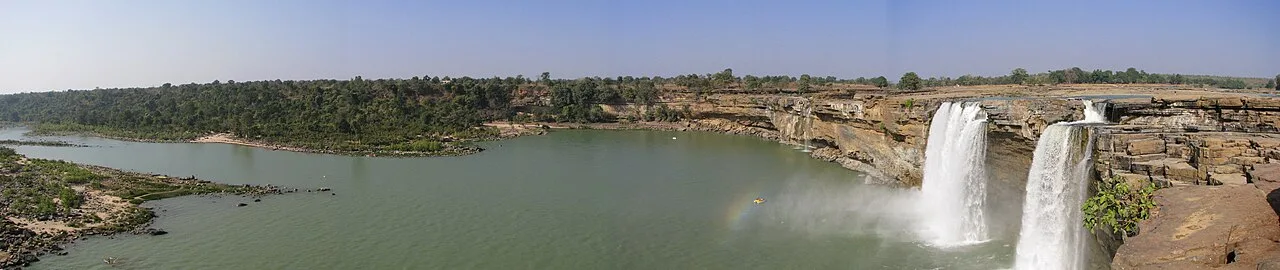
Chitrakote Falls, near Kondagaon

City guide · Chhattisgarh

Kondagaon

Kondagaon is an administrative and commercial centre in the Bastar region of southern Chhattisgarh. It became the headquarters of its own district in 2012, after separating from Bastar district, and remains an important stop on National Highway 30 between Raipur and Jagdalpur.

Famous for

  • Bastar bell-metal craft
  • Lost-wax metalwork
  • Indigenous artisan traditions
  • Keshkal Valley
  • Bastar waterfalls and caves

Why Kondagaon matters

Kondagaon is an administrative and commercial centre in the Bastar region of southern Chhattisgarh. It became the headquarters of its own district in 2012, after separating from Bastar district, and remains an important stop on National Highway 30 between Raipur and Jagdalpur. Its identity is closely tied to the surrounding forested landscape and the craft traditions of Bastar’s communities.

Visitors come for the town’s bell-metal workshops and for excursions into the Keshkal area, known for its valley, waterfalls, caves and archaeological sites. Kondagaon is often called Chhattisgarh’s craft city: metalworkers and other artisans make it a rewarding place to learn about living traditions rather than simply view finished objects. The town also serves as a practical base for exploring nearby attractions, though many waterfalls and caves lie outside the centre and require local transport. Its setting on the Narangi River and its mix of regional and migrant communities add to its character.
Famous for: crafts, trade & products

Kondagaon is particularly associated with Bastar bell-metal work, made using a lost-wax casting technique. Artisans shape wax models, cover them in clay and cast the resulting moulds in metal; each mould is generally broken to release the finished piece. Figures, ritual objects and decorative forms reflect local stories and artistic styles. The wider region is also known for other indigenous crafts, including woodwork, ironwork and terracotta.

The best way to encounter these traditions is to visit working artisan studios or craft outlets in town and ask whether a maker is available to explain the process. Buying directly from craftspeople can help support the work, but confirm materials and provenance with the seller. Kondagaon is better identified with regionally rooted craft than with a single widely recognised GI-tagged product. Timber milling is another part of the local economy, while the Coconut Development Board’s farm lies on the southern outskirts; access to working sites may be restricted. Everyday shops and markets serve local needs, rather than functioning as a specialised craft bazaar.

History

Kondagaon’s past is closely connected with the wider history of Bastar, a region shaped by Adivasi communities, forest livelihoods and the former Bastar princely state. During British rule, Bastar remained a princely state under British paramountcy; the town is not especially known for a single royal monument or colonial-era landmark. After independence, the area became part of Madhya Pradesh and later Chhattisgarh, formed in 2000.

For much of its modern history Kondagaon was administered within Bastar district. Its position on the route between Raipur and Jagdalpur, local trade and its established artisan community helped it grow as a service centre. In 2012 it was separated from Bastar district and made the headquarters of a new district, strengthening its administrative role. The Keshkal region preserves further traces of the past, including archaeological and megalithic sites and rock paintings. These places belong to a much older cultural landscape than the town’s recent administrative development.

Food, festivals & culture

Kondagaon’s food reflects both Bastar’s rural traditions and the town’s diverse population. Rice is a staple, and meals may include millets, seasonal vegetables and forest produce; recipes and ingredients vary between households. Small restaurants and local eateries also serve familiar dishes from across India. Ask locally about seasonal or community-specific foods rather than expecting a single signature dish.

Hindi and Chhattisgarhi are widely used, alongside regional languages such as Halbi and Gondi. Music and dance in the wider Bastar region draw on community traditions, with drums and group dancing prominent at celebrations. Bastar Dussehra, observed during the monsoon-to-autumn festival season, is a major regional event; Madai fairs are held at different places, often in the cooler months. Hareli, a monsoon festival, is also celebrated in Chhattisgarh. In town, Hindu temples and neighbourhood shrines serve local worshippers. The Keshkal area’s Satnam Hathi Pahad is associated with Satnam Panth traditions and has cultural and religious significance for local communities.

Visiting the city

The cooler, drier months from about October to March are generally the most comfortable for exploring; the monsoon brings greener scenery but can make access to waterfalls and rural sites more difficult. Jagdalpur Airport, also known as Maa Danteshwari Airport, is the nearest airport, while Jagdalpur is the nearest railway station. Raipur is a longer-distance alternative for air and rail connections.

Kondagaon lies on NH 30 and has bus links with Jagdalpur and Raipur. Auto-rickshaws and local vehicles are useful within town; arrange a vehicle for outlying attractions. Explore artisan workshops and shops in the town centre, the Narangi river surroundings and the eastern hillocks. Keshkal Valley and nearby waterfalls, caves and archaeological sites make worthwhile longer excursions, but check local access conditions before setting out.

Trips from the city

Nearest places to visit from Kondagaon

Our closest destination guides, by straight-line distance.

Chitrakote Falls

43 km away · Bastar district

Chitrakote Falls

Chitrakote Falls is a waterfall on the Indravati River in Chhattisgarh, drawing visitors to see its broad monsoon flow and distinctive horseshoe form.

Mendri Ghumar

47 km away · Bastar district

Mendri Ghumar

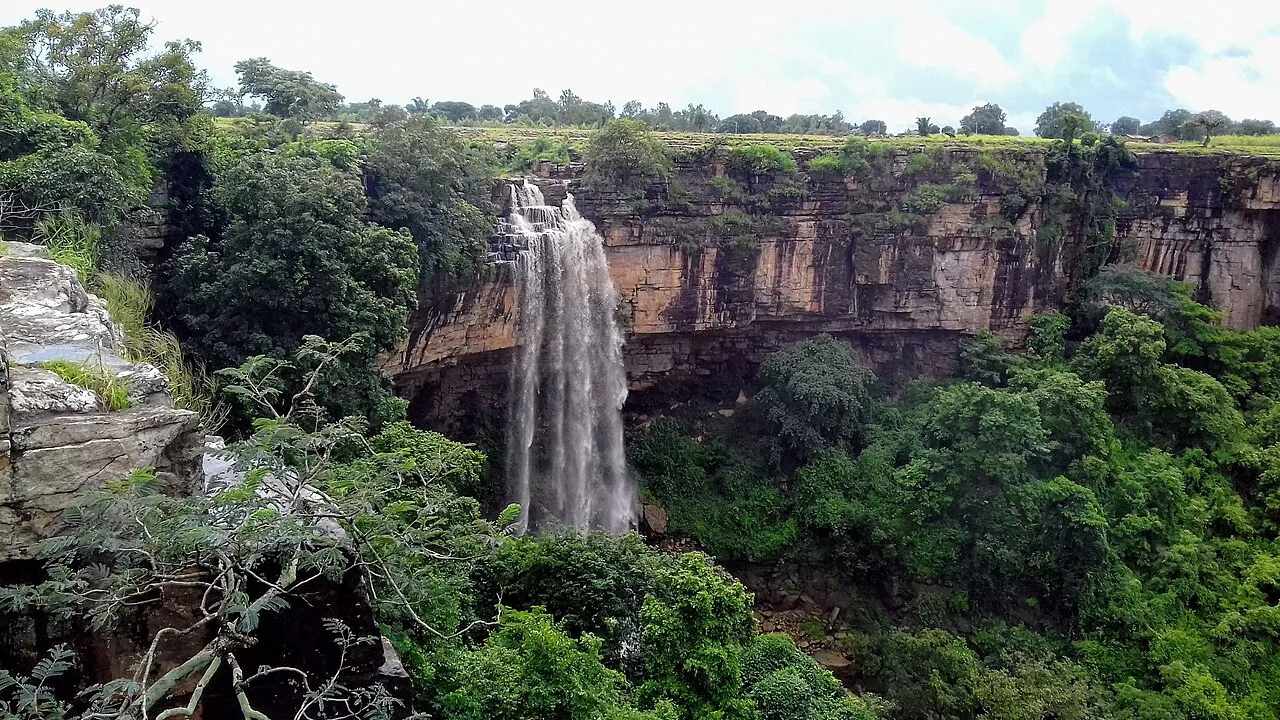
Mendri Ghumar is a seasonal waterfall in Bastar district, Chhattisgarh, about 44 kilometres west of Jagdalpur. Visitors come to see the falls, which are near Chitrakote and Tamda Ghumar.

Teerathgarh Falls

78 km away · Bastar district

Teerathgarh Falls

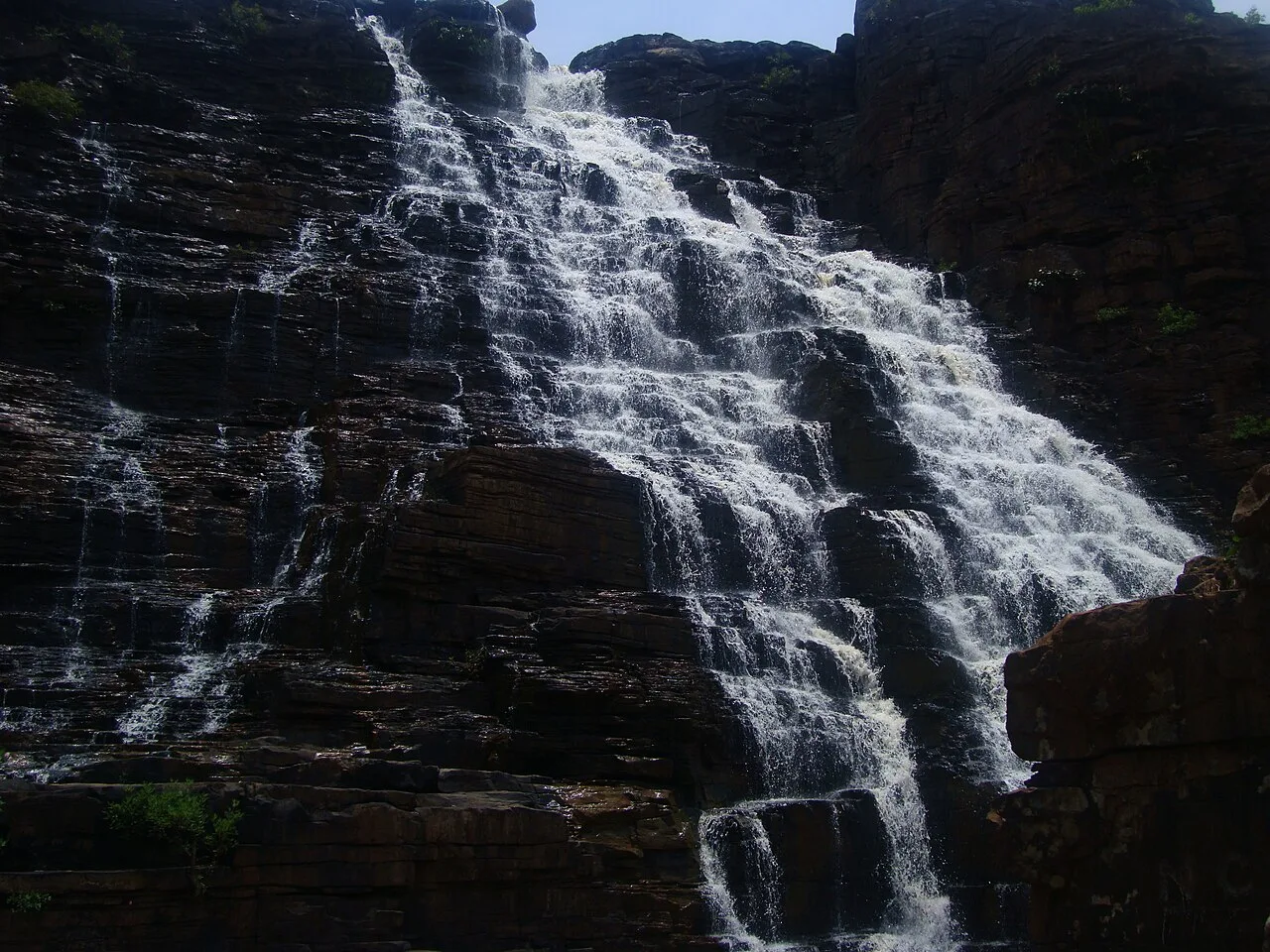
Teerathgarh Falls is a waterfall in Bastar district, Chhattisgarh, about 35 kilometres from Jagdalpur. Visitors come to see water descend beside a hillside shaped by natural rock.

Danteshwari Temple

84 km away · Dantewada district

Danteshwari Temple

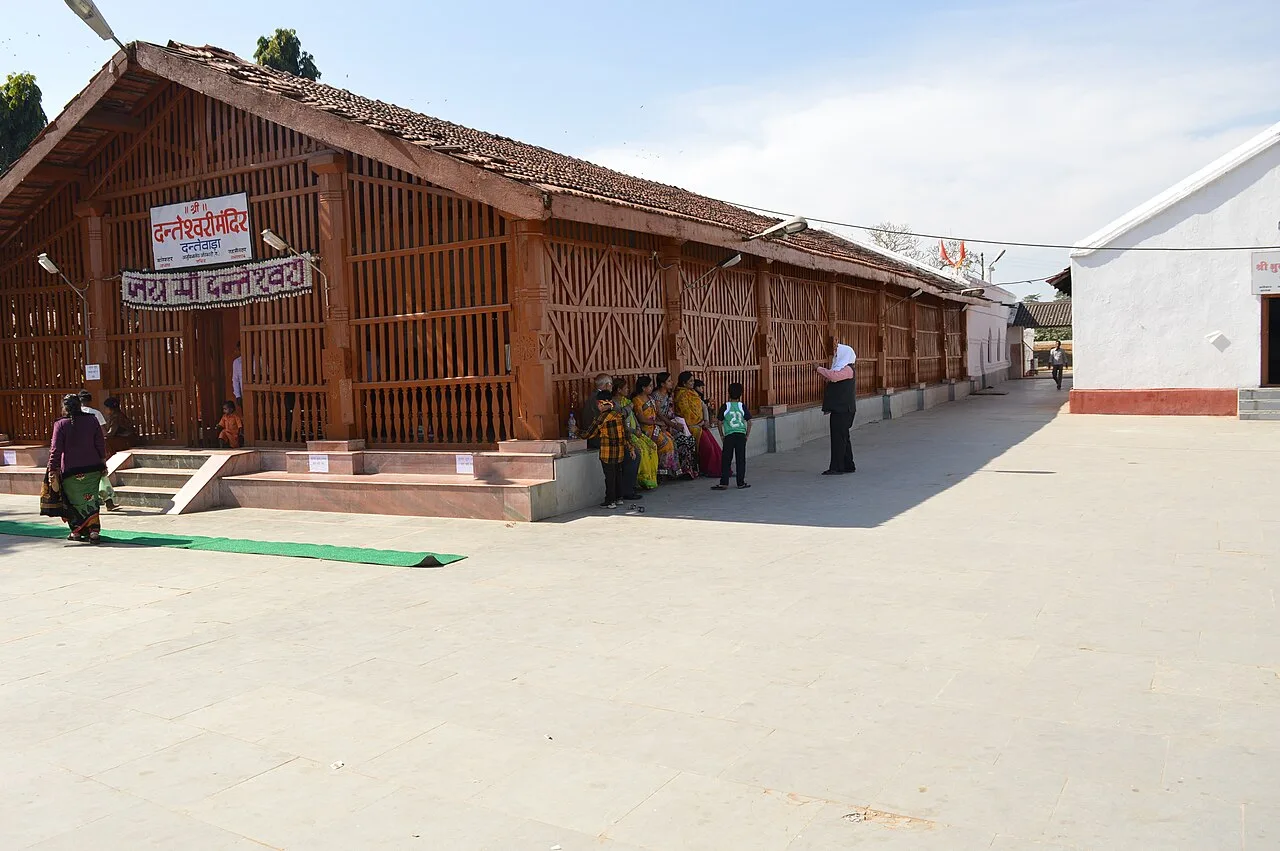
Danteshwari Temple is a Hindu shrine in Dantewada, Chhattisgarh, associated with the goddess regarded as Bastar’s family deity. People visit to worship and take part in Dussehra and Navaratri observances.

Kotumsar Cave

85 km away · Bastar district

Kotumsar Cave

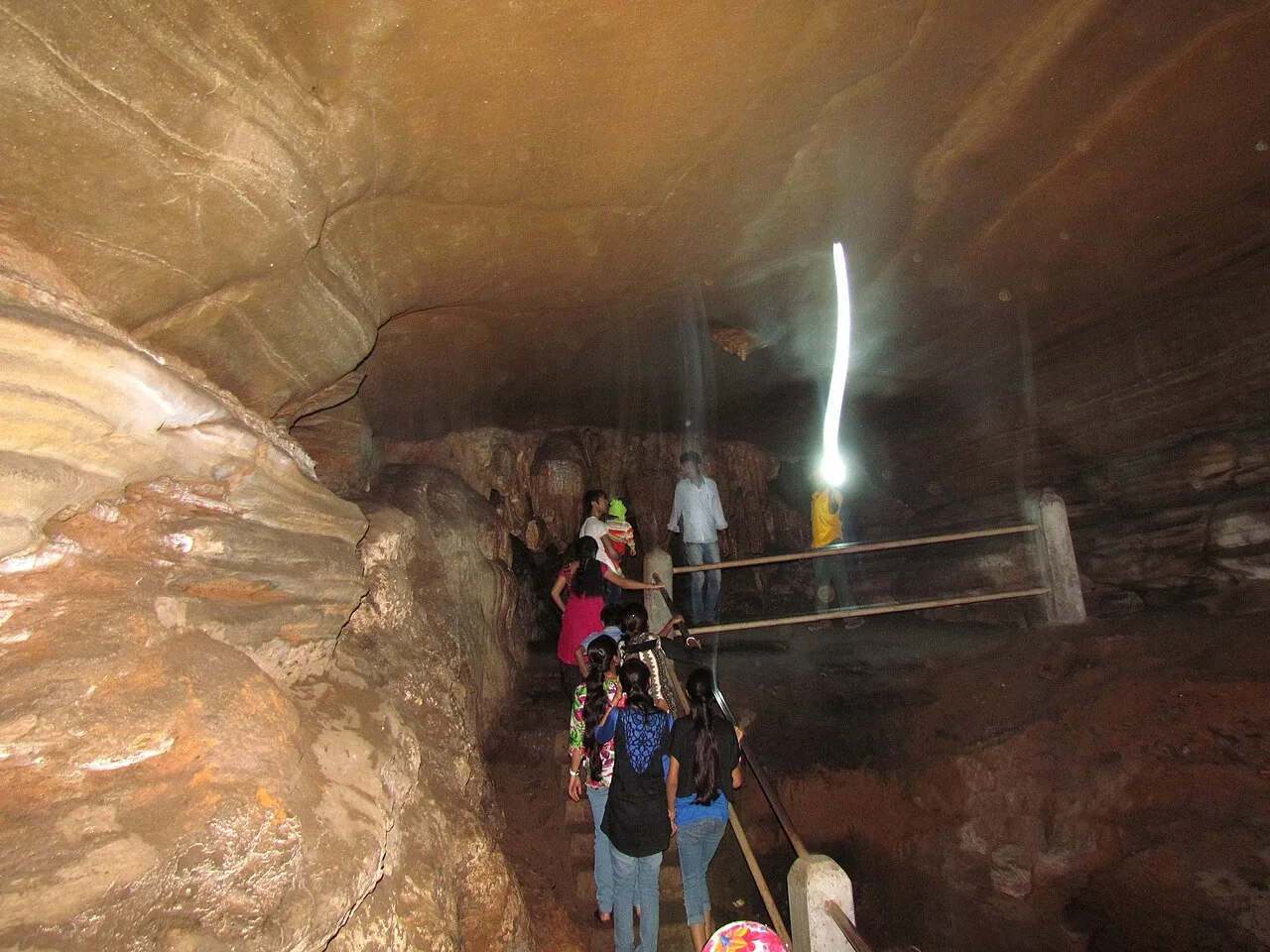
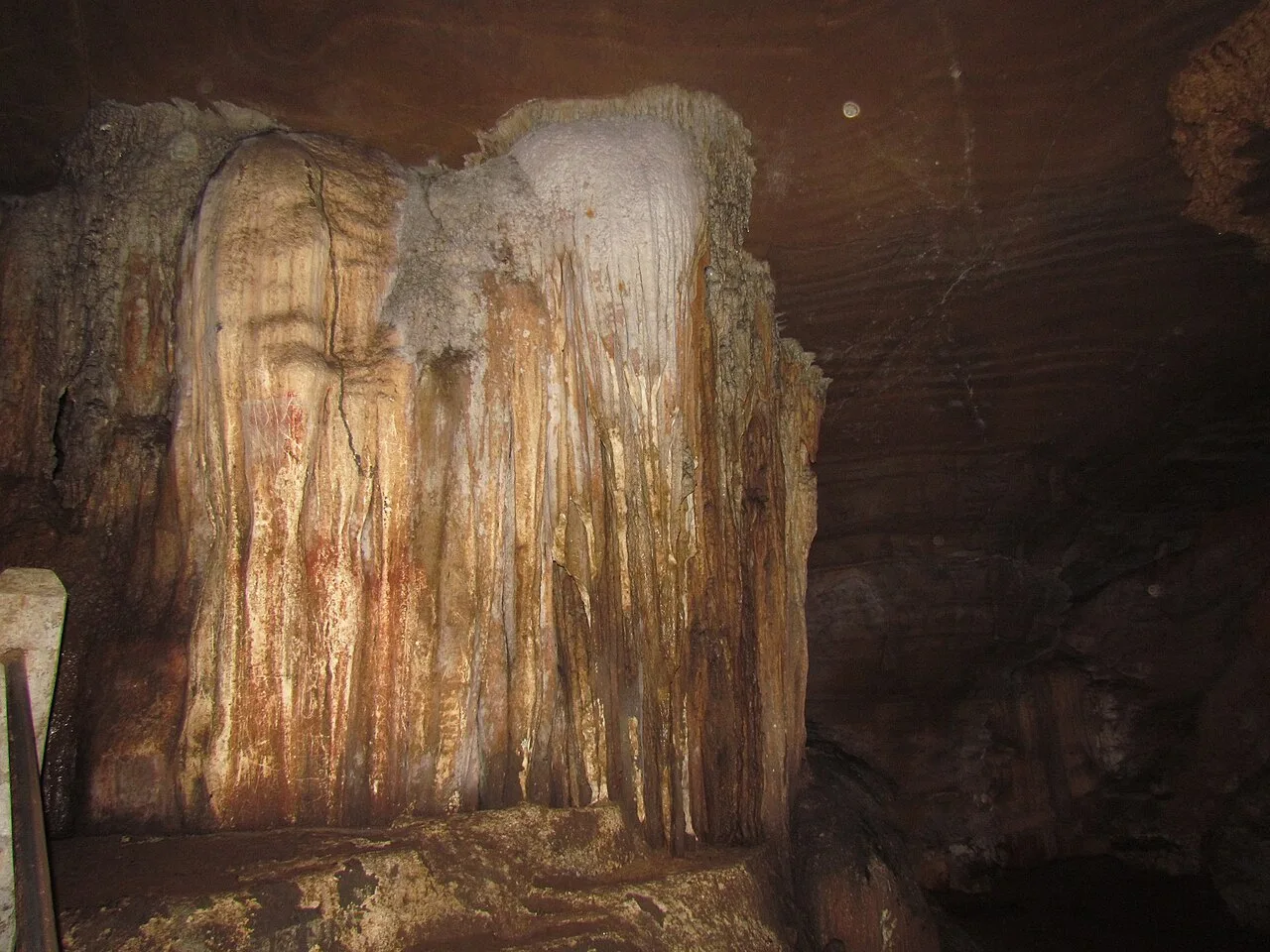
In Bastar district near Jagdalpur, Chhattisgarh, Kotumsar Cave is a limestone cave in the Kanger belt. It draws visitors interested in ecotourism and the cave’s natural setting.

Kanger Valley National Park

98 km away · Bastar district

Kanger Valley National Park

In Bastar, Chhattisgarh, Kanger Valley is a protected natural area visited for its wildlife, waterfalls and limestone caves, set within a landscape of varied landforms.

Gangrel Dam

116 km away · Dhamtari district

Gangrel Dam

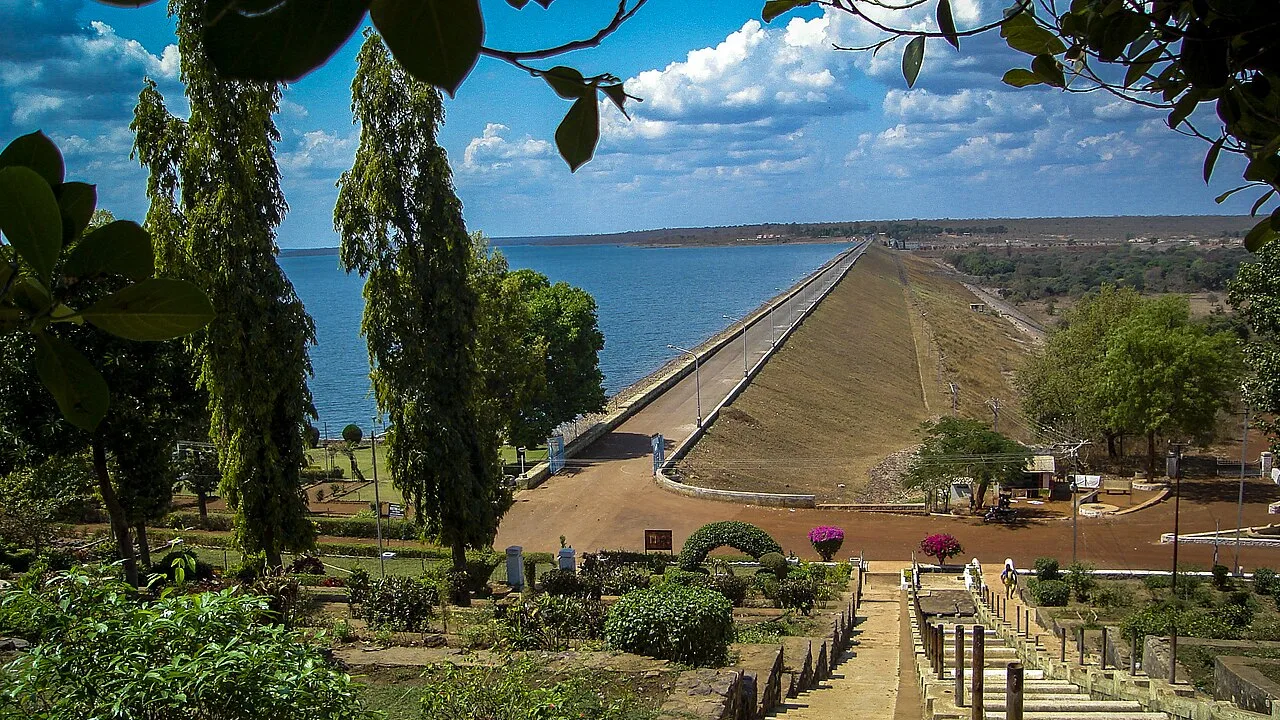
Gangrel Dam, officially named Pandit Ravishankar Sagar, is a major water project in Dhamtari district. Visitors are drawn to the reservoir and to Onakona, a tourist spot on its shore.

Tandula Dam

132 km away · Balod district

Tandula Dam

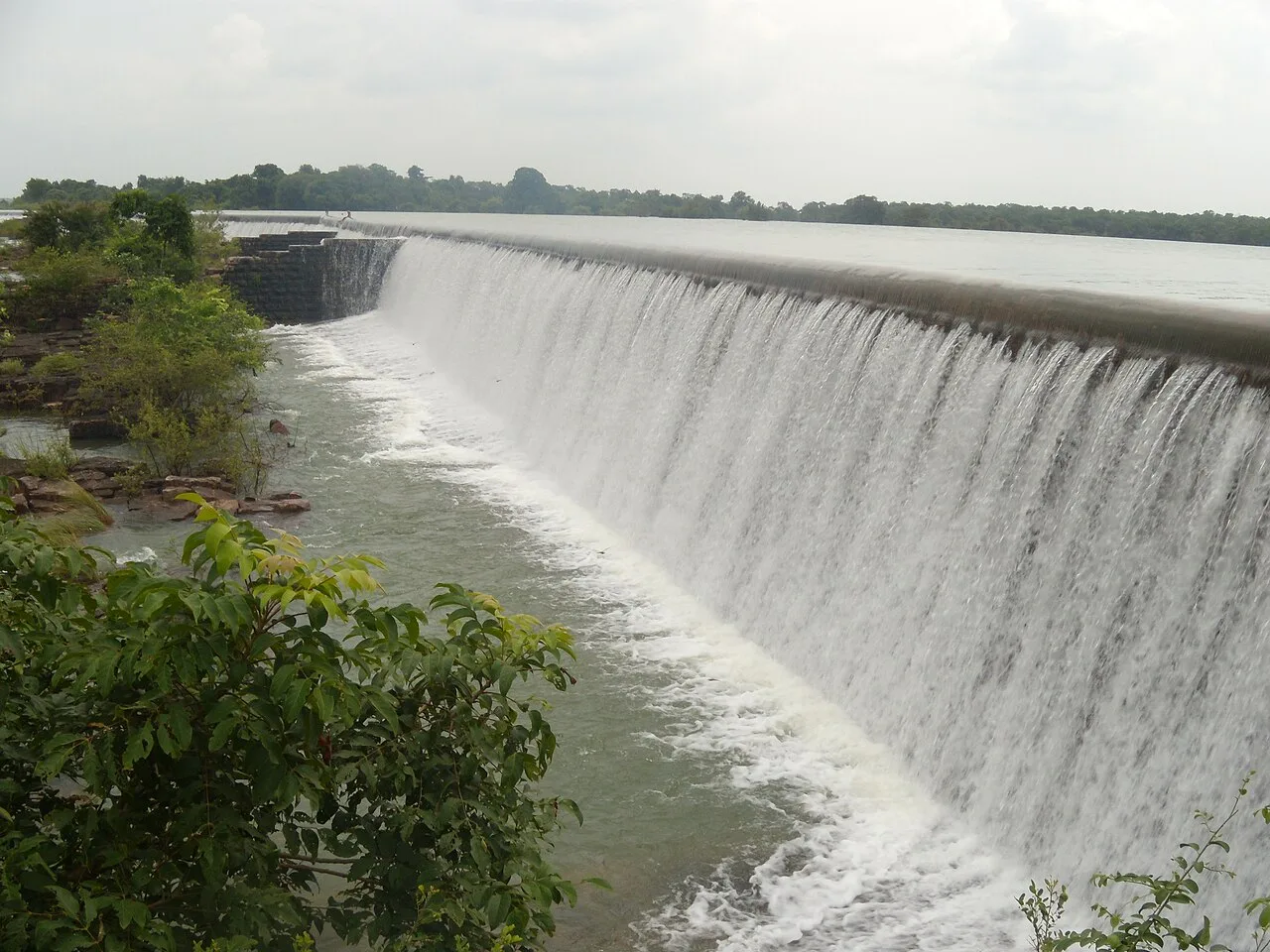
Tandula Dam, in Chhattisgarh’s Balod district, is a reservoir and water-supply project. Its river setting and role in serving nearby urban and industrial areas are points of interest.

Map

Kondagaon on the map

  1. 1Chitrakote Falls
  2. 2Mendri Ghumar
  3. 3Teerathgarh Falls
  4. 4Danteshwari Temple
  5. 5Kotumsar Cave
  6. 6Kanger Valley National Park
  7. 7Gangrel Dam
  8. 8Tandula Dam

Chhattisgarh

Other cities to explore