Ghumoopedia — Explore, Discover, Experience
Sign in
Malhar, near Deori

City guide · Chhattisgarh

Deori

Deori is a small urban centre in Mungeli district, Chhattisgarh, whose importance lies in serving the surrounding countryside. Local shops and services connect residents of nearby settlements with district-level facilities and markets.

Famous for

  • Mungeli district countryside
  • Rice-growing surroundings
  • Local village markets
  • Chhattisgarhi festival traditions

Why Deori matters

Deori is a small urban centre in Mungeli district, Chhattisgarh, whose importance lies in serving the surrounding countryside. Local shops and services connect residents of nearby settlements with district-level facilities and markets. Rather than a major sightseeing destination, it offers a glimpse of everyday life in the state’s central plains, where agriculture, family networks and regional travel shape the rhythm of the town.

Visitors may use Deori as a base for exploring Mungeli district and travelling onward to Bilaspur, a larger centre for transport, shopping and services. The appeal is chiefly local: the surrounding rural landscape, seasonal farming activity, neighbourhood temples and the customs of Chhattisgarhi life. Deori is not widely associated with a signature textile, craft or tourist attraction, so travellers looking for specialist shopping or major heritage sites will find more options in larger regional towns. Its value is as a practical stop and a way to experience a quieter side of Chhattisgarh.
Famous for: crafts, trade & products

Deori’s shops and small markets mainly meet everyday needs for residents of the town and nearby villages. Local trade reflects the agricultural character of the area, with household goods and seasonal farm produce among the kinds of commerce found in rural district centres. The town is not especially known for a distinct saree, handicraft or manufactured product, so it is better approached as a place for ordinary local shopping than as a specialist craft destination.

For regional products, travellers can look beyond Deori to larger markets in Mungeli and Bilaspur. Chhattisgarh is associated with Kosa silk, a traditional silk textile with a geographical indication; established shops in larger towns are more practical places to browse for it. These regional products should not be mistaken for goods made specifically in Deori. Local markets are most useful for seeing the area’s everyday trading life and buying routine provisions, while a wider selection of textiles and crafts is more likely in the larger centres.

History

Deori’s story is best understood within the history of the wider Mungeli region. The central Chhattisgarh plains formed part of the historic landscape of Dakshina Kosala, and the region was shaped over time by local dynasties, including the Kalachuris, whose power was centred at Ratanpur. Later came Maratha influence, followed by British administration. These successive periods shaped regional institutions and settlement patterns, though Deori itself is not known for a major royal court or a prominent colonial-era monument.

In modern times, the area developed through agriculture, local commerce and improved connections to larger towns. Chhattisgarh became a separate state in 2000, and Mungeli was established as a district in 2012. Deori’s present role is primarily that of a local service and market centre within this district setting. Its growth reflects the everyday expansion of smaller settlements rather than a single landmark event or major industrial transformation.

Food, festivals & culture

Daily life in Deori reflects the agrarian culture of the Chhattisgarh plains. Rice is a staple, commonly served with lentils, vegetables and seasonal ingredients; simple snacks and sweets are part of household and festival meals. Chhattisgarhi is widely used in everyday conversation, alongside Hindi, which is useful for travel and business. Local temples and neighbourhood shrines provide places for worship and community gatherings.

Hareli, usually celebrated during the monsoon, honours farming traditions and agricultural tools. Pola, generally observed in the monsoon season, celebrates cattle and their role in rural life. Teeja, associated with the monsoon period, is an important women’s festival, while Diwali and Holi bring wider family and community celebrations. Folk songs, devotional music and regional dance traditions are heard especially during festivals and social occasions. Cultural activity is largely community-based, so visitors are most likely to encounter it through local celebrations rather than scheduled performances.

Visiting the city

The cooler months, roughly from October to March, are generally the most comfortable for visiting. The monsoon brings greener countryside but can make road journeys slower. Bilaspur Airport and Bilaspur Junction are the most useful named transport hubs for reaching the area; onward travel to Deori is by road. Check current connections before setting out, as services and onward options can change.

Within Deori, local roads and short-distance transport are the practical ways to get around. The market area is a good place to observe daily trade, while neighbourhood streets and local places of worship offer a quieter look at town life. For a broader outing, visitors can explore Mungeli’s district centre or continue to Bilaspur for a wider range of services and regional attractions. Deori works best as a short stop or part of a district road trip.

Trips from the city

Nearest places to visit from Deori

Our closest destination guides, by straight-line distance.

Malhar

23 km away · Bilaspur district

Malhar

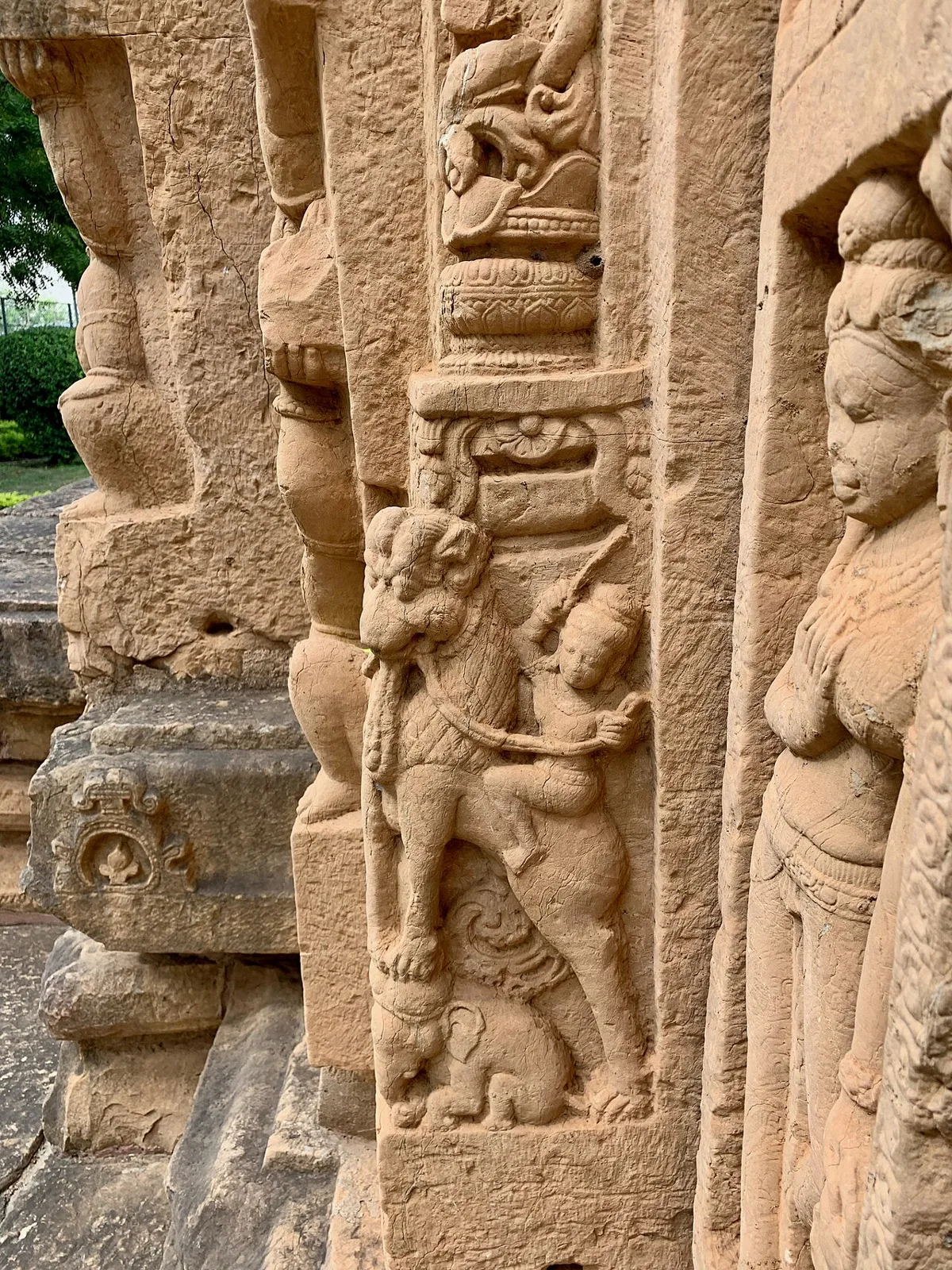
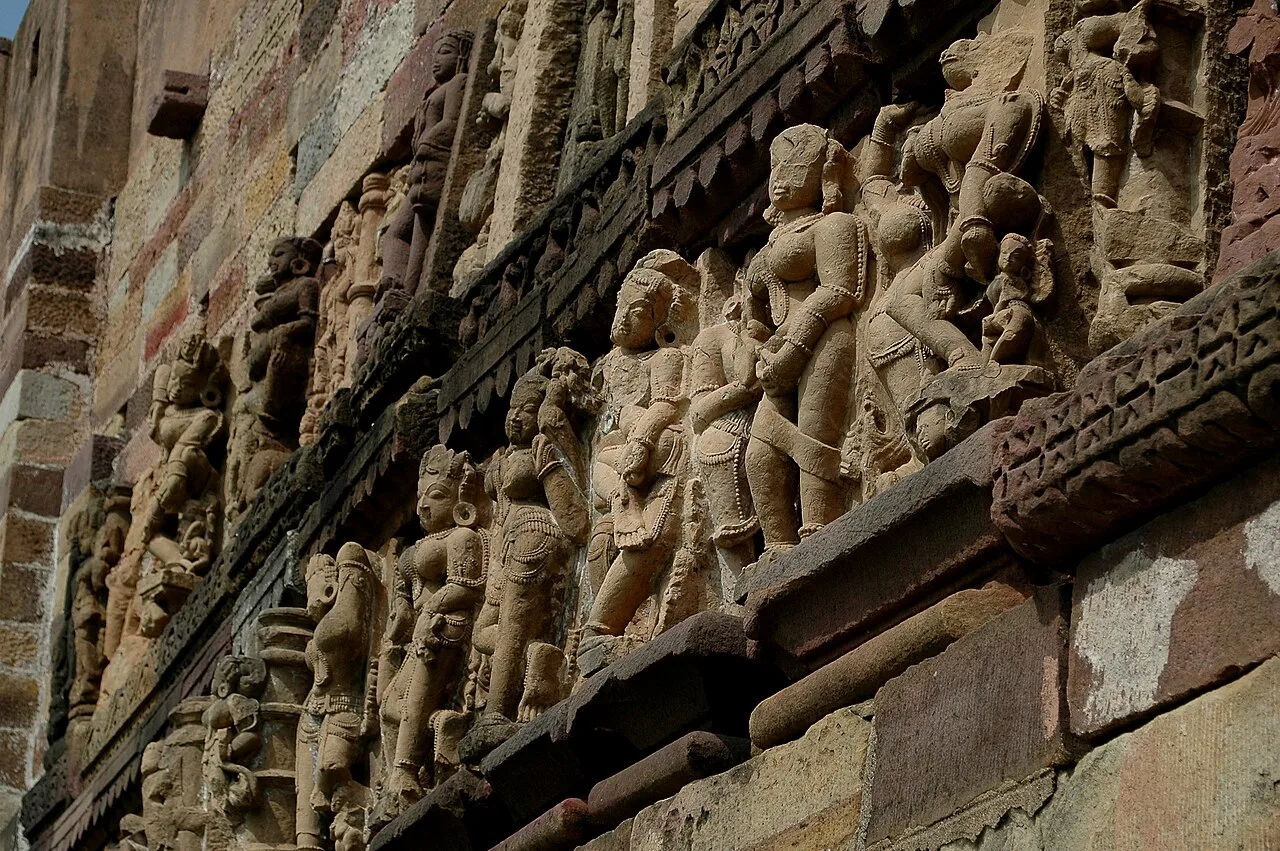
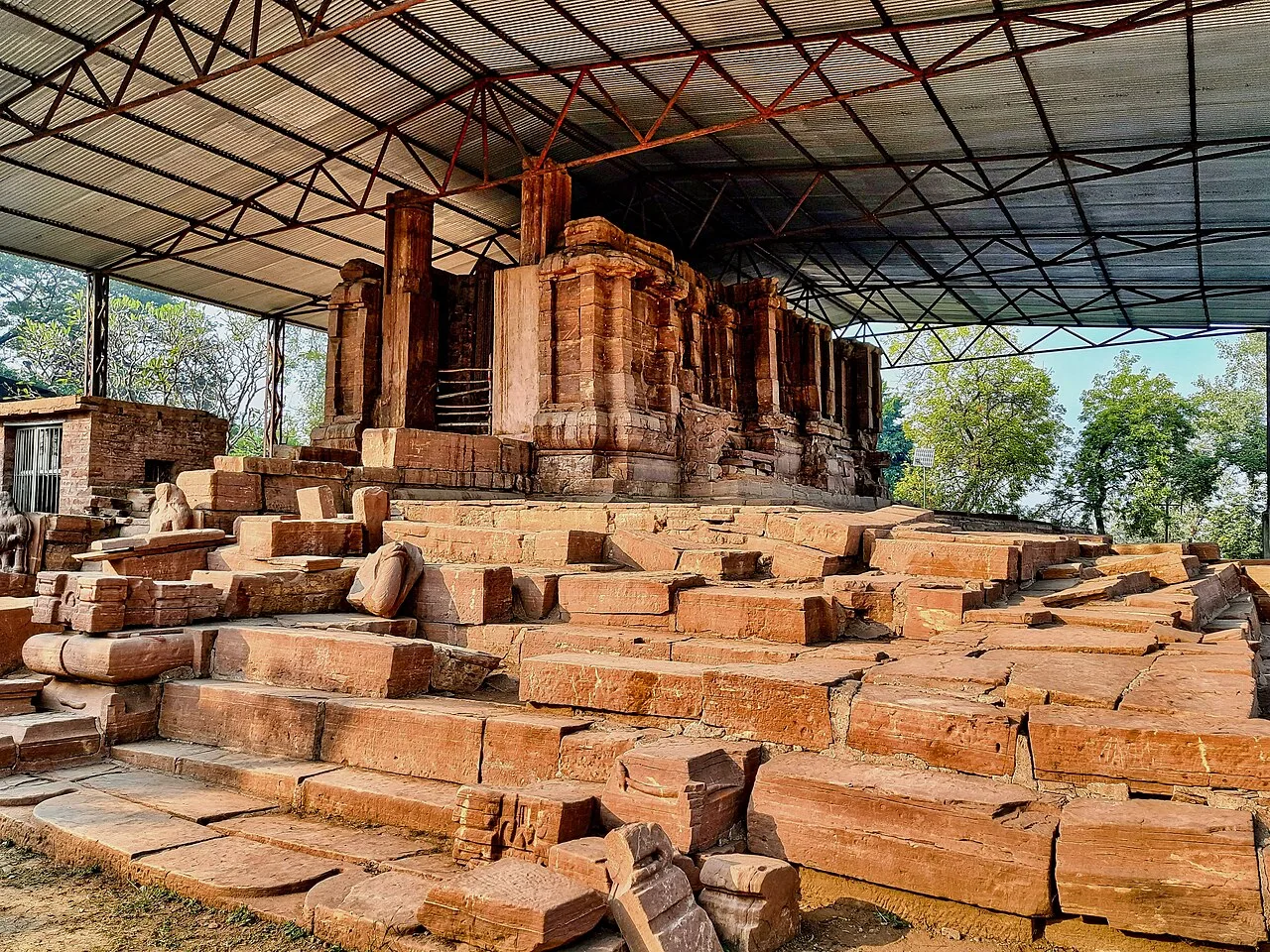
Malhar, in Chhattisgarh’s Bilaspur district, draws visitors interested in archaeology and its remains of an old fort, restored Shiva temples, and Hindu, Jain and Buddhist temples.

Ratanpur

23 km away · Bilaspur district

Ratanpur

Ratanpur is a town and nagar palika in Chhattisgarh’s Bilaspur district. Travellers encounter it on National Highway 130, about 25 kilometres from Bilaspur on the way towards Ambikapur.

Tala

33 km away · Bilaspur district

Tala

Tala is a village in Chhattisgarh’s Bilaspur district. Visitors are drawn to the Devrani and Jethani temples and its distinctive stone statue of Rudra Shiva.

Chaiturgarh

46 km away · Korba district

Chaiturgarh

Chaiturgarh, also called Lafagarh, is a historic hill fort in Korba district, Chhattisgarh. Visitors come for its pilgrimage associations, historic remains and setting within a biosphere reserve.

Achanakmar Wildlife Sanctuary

75 km away · Bilaspur district

Achanakmar Wildlife Sanctuary

Achanakmar is a protected forest area and tiger reserve spanning parts of Chhattisgarh and Madhya Pradesh. Visitors come to experience its wooded hills, varied terrain and the Maniyari River.

80 km away · Mahasamund district

Barnawapara Wildlife Sanctuary

Barnawapara Wildlife Sanctuary, in Chhattisgarh’s Mahasamund district, is a protected area established in 1976 under the Wildlife Protection Act. Visitors come to experience a wildlife sanctuary.

Sirpur

84 km away · Mahasamund district

Sirpur

Sirpur, a village in Chhattisgarh’s Mahasamund district, attracts visitors to its historic group of Buddhist, Hindu and Jain temples and monasteries, built between the fifth and twelfth centuries.

112 km away · Raigarh district

Gomardha Wildlife Sanctuary

Gomardha Wildlife Sanctuary is a wildlife-protection area in Chhattisgarh, associated with Raigarh and Sarangarh-Bilaigarh districts. Visitors come to encounter it as a place set aside for wildlife.

Map

Deori on the map

  1. 1Malhar
  2. 2Ratanpur
  3. 3Tala
  4. 4Chaiturgarh
  5. 5Achanakmar Wildlife Sanctuary
  6. 6Barnawapara Wildlife Sanctuary
  7. 7Sirpur
  8. 8Gomardha Wildlife Sanctuary

Chhattisgarh

Other cities to explore