Ghumoopedia — Explore, Discover, Experience
Sign in
Malhar, near Kharod

City guide · Chhattisgarh

Kharod

Kharod is a historic temple town in Janjgir-Champa district, best known by the devotional name Chhattisgarh ki Kashi. Its temples give it a distinctive place in the region’s religious life and draw visitors interested in worship, local traditions and historic architecture.

Famous for

  • Chhattisgarh ki Kashi
  • Lakshmaneshwar Mahadev Temple
  • Ancient Shaiva temples
  • Temple architecture
  • Nearby Shivrinarayan pilgrimage

Why Kharod matters

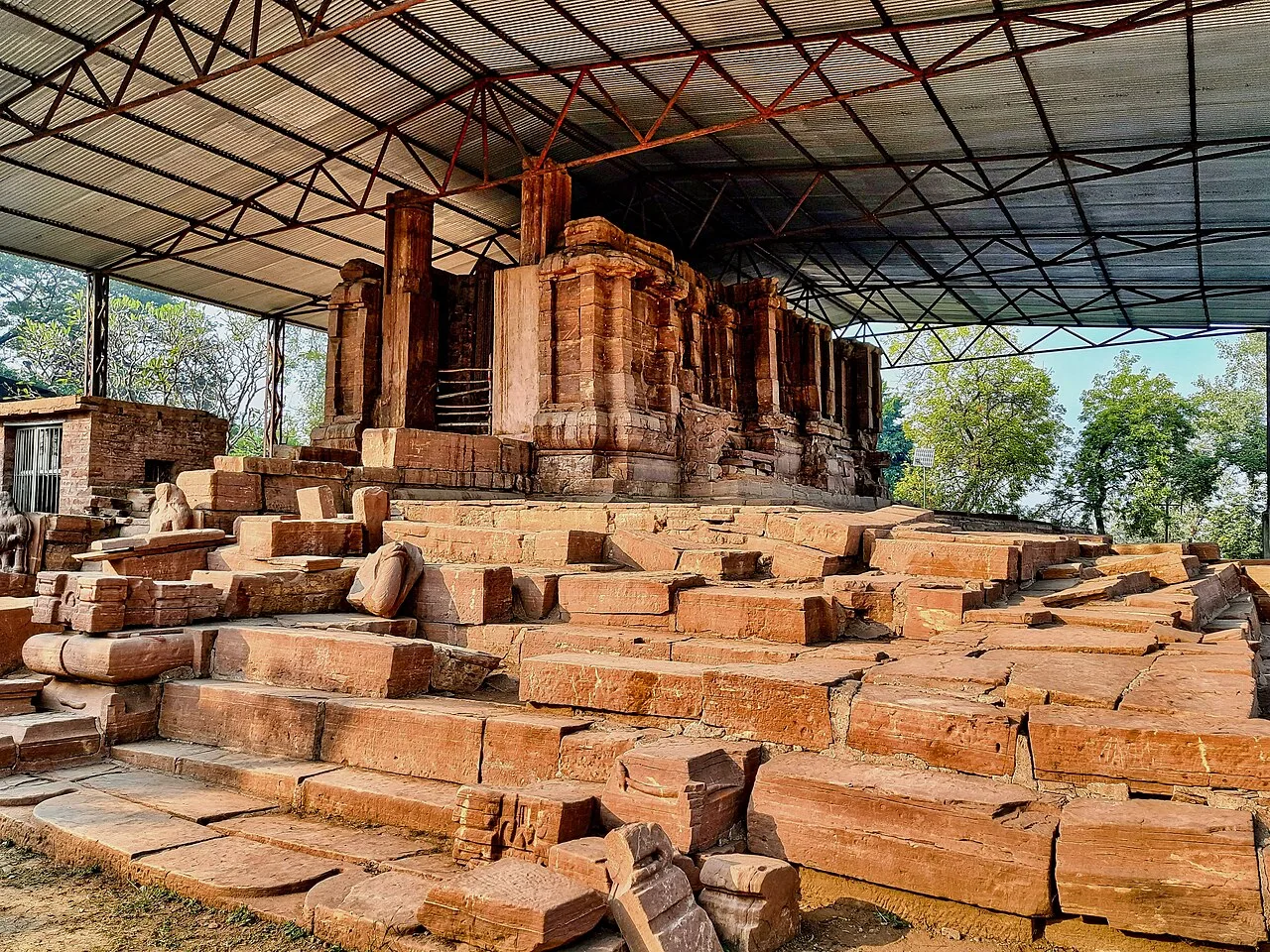
Kharod is a historic temple town in Janjgir-Champa district, best known by the devotional name Chhattisgarh ki Kashi. Its temples give it a distinctive place in the region’s religious life and draw visitors interested in worship, local traditions and historic architecture. The best-known shrine is Lakshmaneshwar Mahadev Temple, dedicated to Shiva; the town’s cluster of old places of worship is central to its identity.

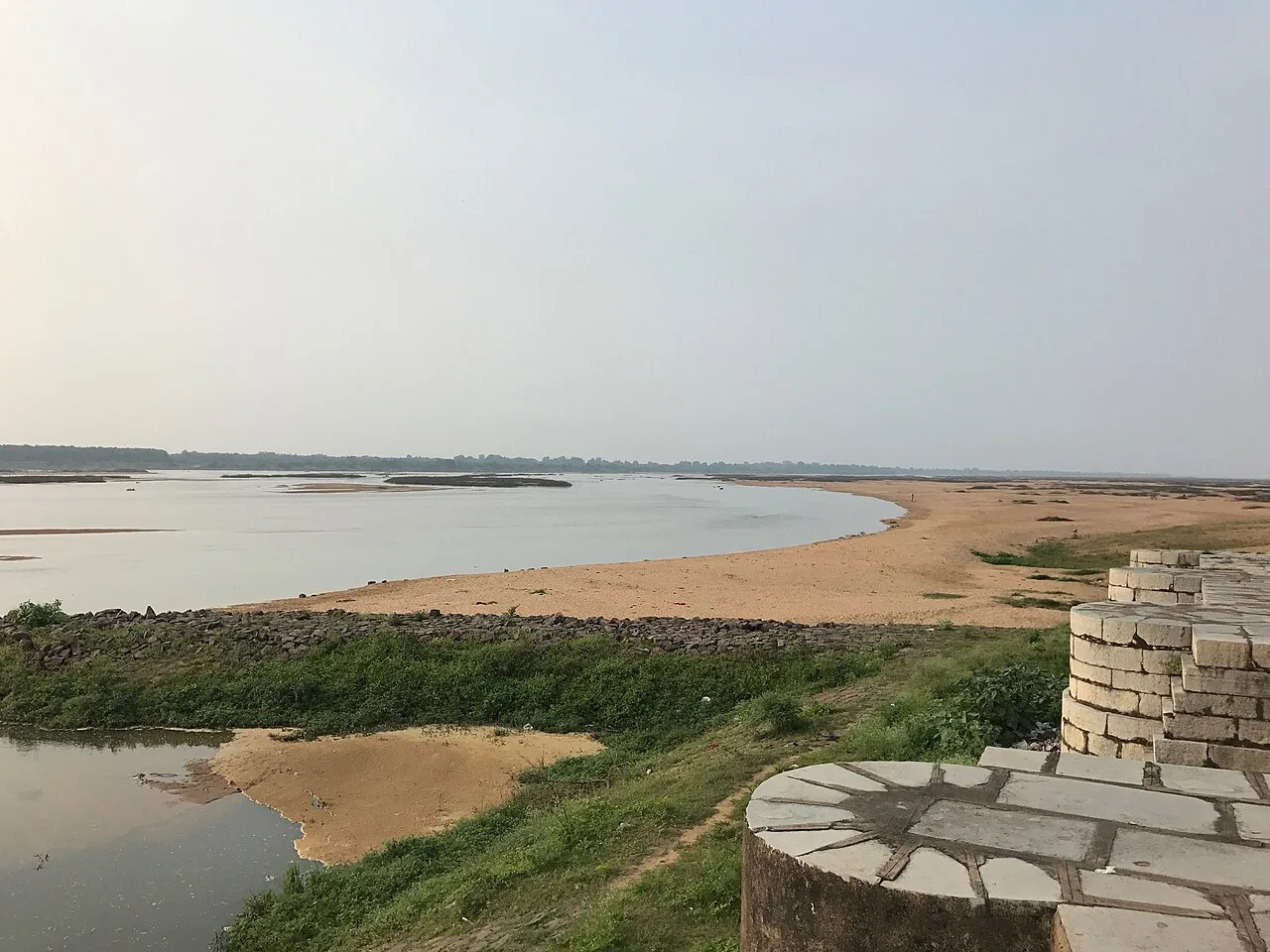
Kharod is also a small regional centre, connected by road to nearby settlements and pilgrimage sites, including Shivrinarayan. The surrounding landscape and everyday life reflect the wider district, where agriculture, local commerce and religious gatherings shape the rhythm of the year. Visitors often combine temple visits with a look around the town’s lanes and market area. Kharod is not a large urban destination, but its concentrated heritage makes it a meaningful stop for travellers exploring the cultural and sacred places of central Chhattisgarh.
Famous for: crafts, trade & products

Kharod is chiefly known for its temple heritage rather than for a specialised textile or handicraft industry. Lakshmaneshwar Mahadev Temple is the principal landmark, and the older shrines around town are the places to explore for religious architecture and local worship traditions. Small shops and market stalls serve residents and pilgrims with everyday goods, offerings and refreshments; the market area is a practical place to experience the town’s daily trade.

The wider Janjgir-Champa district has a stronger association with Kosa silk, particularly in and around Champa, as well as with agriculture and rice. These are regional connections, not products for which Kharod itself is especially known. Travellers looking for locally made textiles can enquire in larger district towns, while Kharod’s own appeal lies in its sacred sites and the services that support visitors. There is no need to treat the town as a craft-shopping destination: time here is better spent visiting its temples and observing the local market and pilgrimage activity.

History

Kharod’s history is most visible in its old temples, which point to a long-standing role as a centre of worship and pilgrimage. Lakshmaneshwar Mahadev Temple is the town’s best-known historic shrine, and local religious tradition connects its name with Lakshmana from the Ramayana. The architecture of Kharod’s temples reflects older building traditions in the region. The surrounding area was shaped by successive central Indian powers, including the Kalachuris, whose influence was important across parts of present-day Chhattisgarh.

Over time, pilgrimage, agriculture and local exchange helped sustain the settlement. During British rule, the area formed part of the Central Provinces; after Independence it became part of the reorganised state of Madhya Pradesh and later Chhattisgarh. Modern Kharod remains a small town administered as a nagar panchayat. Its contemporary identity continues to be closely tied to its temples, while roads connect it with Janjgir-Champa district’s larger towns and services.

Food, festivals & culture

Religious life is closely connected to Kharod’s temples, especially the worship of Shiva at Lakshmaneshwar Mahadev Temple. Mahashivratri is an important time for devotees, while Navratri, Ram Navami and Diwali are observed in the town and surrounding region. Seasonal celebrations such as Hareli and Pola reflect Chhattisgarh’s agrarian traditions. Larger gatherings may bring prayer, processions and devotional singing to temple precincts.

Chhattisgarhi is widely spoken alongside Hindi. Everyday food draws on the region’s rice-based cooking: visitors may encounter dishes such as chila, fara and angakar roti, with sweets including khurmi or thethri found in the broader local food tradition. Panthi and Raut Nacha are among the dance forms associated with Chhattisgarh; performances are more likely around festivals and community events than as a regular tourist programme. The temples and nearby pilgrimage centres remain the most visible settings for Kharod’s cultural life.

Visiting the city

October to March is generally the most comfortable season for exploring Kharod, with milder weather than the summer months. The nearest major airport is Swami Vivekananda Airport in Raipur. Janjgir Naila railway station serves the district, while Champa Junction is a larger rail hub; road travel connects these places with Kharod.

Within town, local autos and hired vehicles are useful for reaching temples and nearby areas. Allow time to walk around the Lakshmaneshwar Mahadev Temple precinct and the surrounding lanes and market. Shivrinarayan makes a worthwhile nearby pilgrimage stop, and Janjgir and Champa offer additional district-level services and connections. Roads and local transport are the practical way to link these places, so visitors can plan a temple-focused day trip or use Kharod as one stop on a wider tour of the district.

Trips from the city

Nearest places to visit from Kharod

Our closest destination guides, by straight-line distance.

Malhar

35 km away · Bilaspur district

Malhar

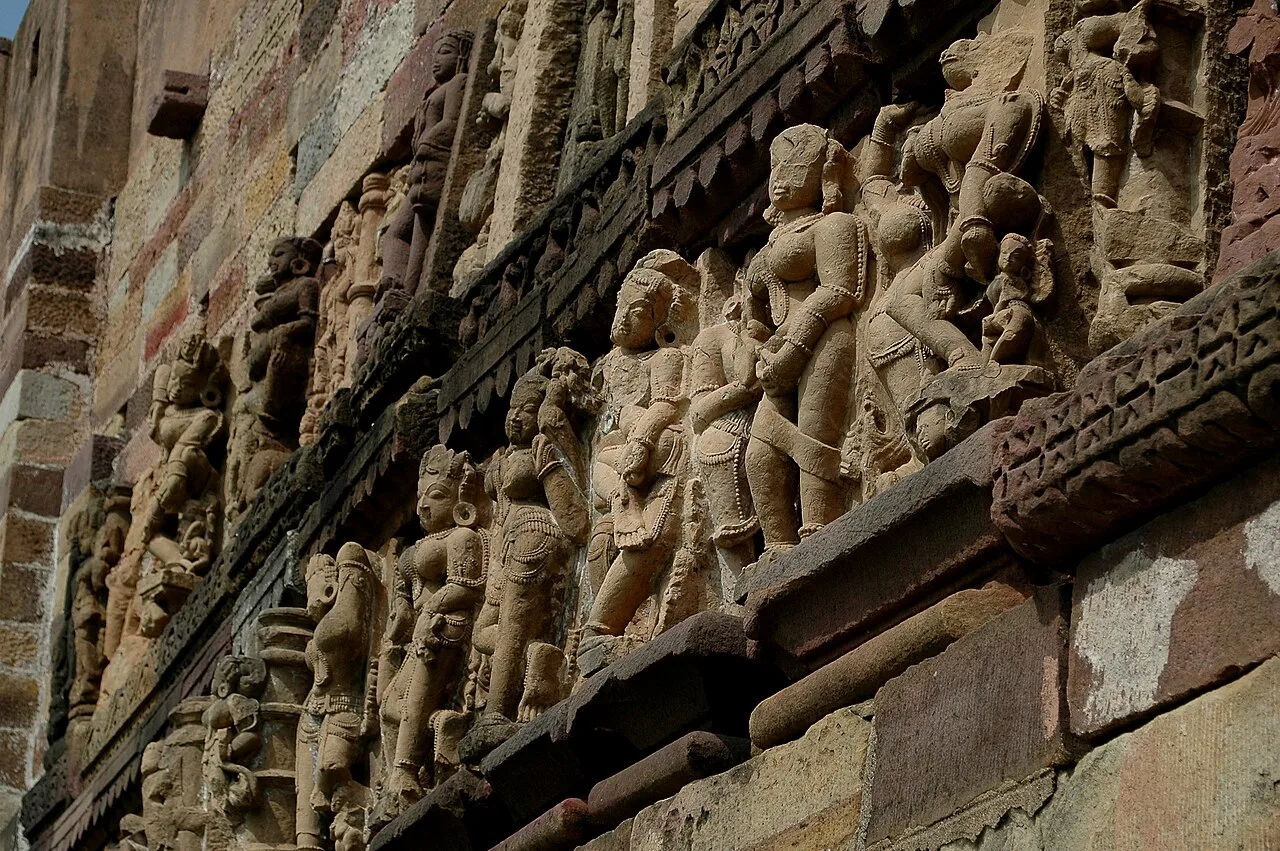
Malhar, in Chhattisgarh’s Bilaspur district, draws visitors interested in archaeology and its remains of an old fort, restored Shiva temples, and Hindu, Jain and Buddhist temples.

40 km away · Mahasamund district

Barnawapara Wildlife Sanctuary

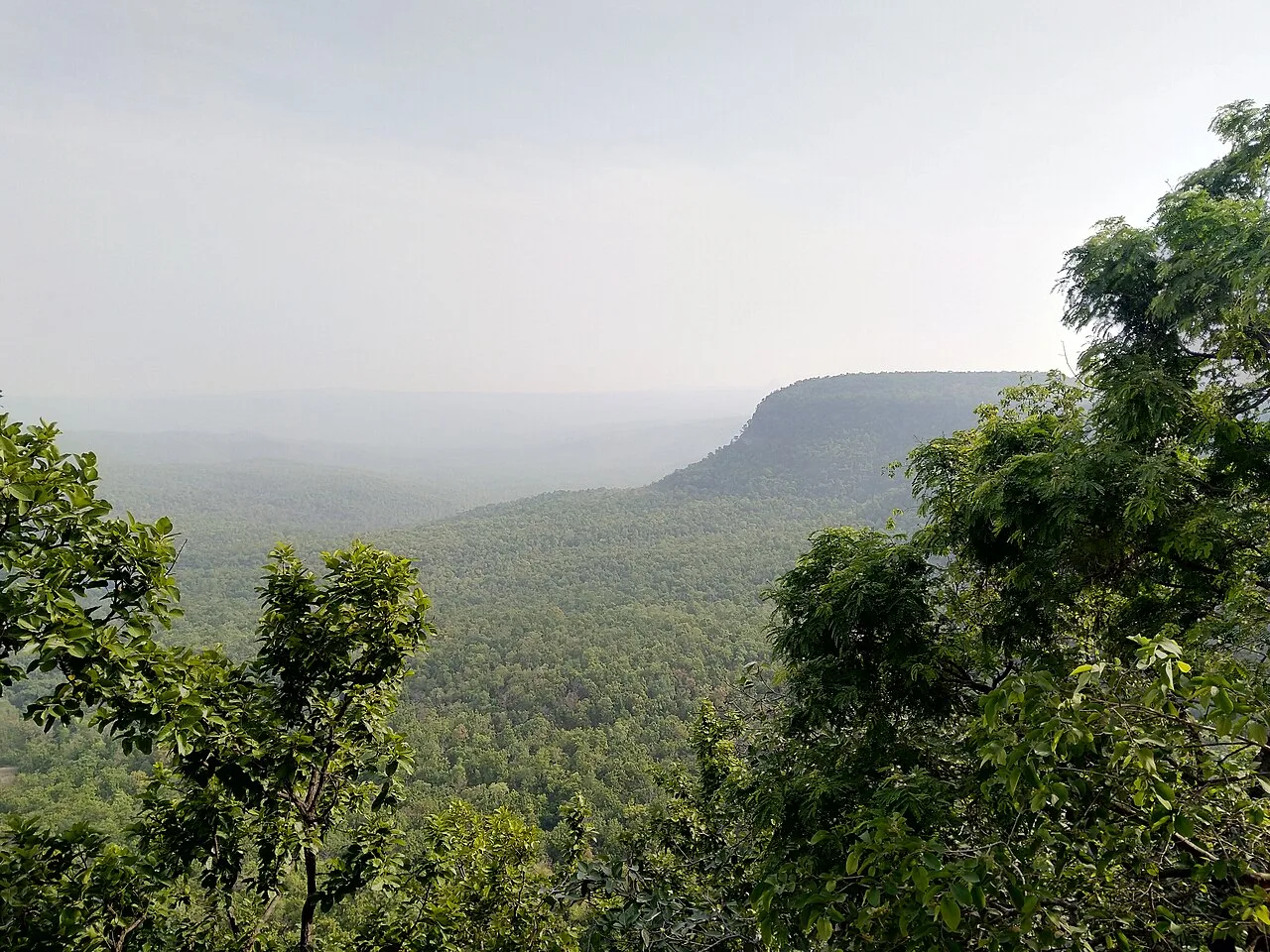
Barnawapara Wildlife Sanctuary, in Chhattisgarh’s Mahasamund district, is a protected area established in 1976 under the Wildlife Protection Act. Visitors come to experience a wildlife sanctuary.

Sirpur

60 km away · Mahasamund district

Sirpur

Sirpur, a village in Chhattisgarh’s Mahasamund district, attracts visitors to its historic group of Buddhist, Hindu and Jain temples and monasteries, built between the fifth and twelfth centuries.

Tala

60 km away · Bilaspur district

Tala

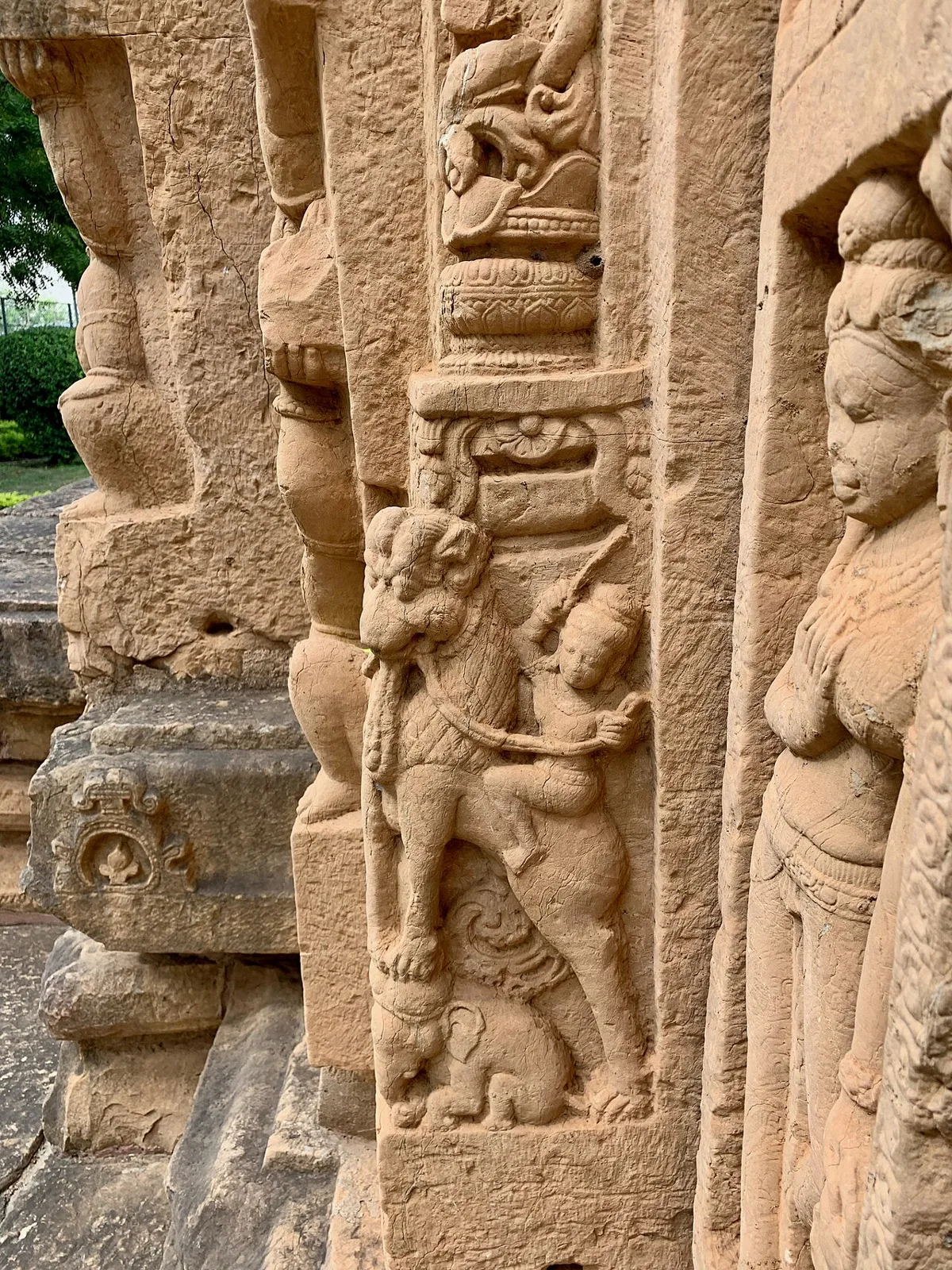
Tala is a village in Chhattisgarh’s Bilaspur district. Visitors are drawn to the Devrani and Jethani temples and its distinctive stone statue of Rudra Shiva.

63 km away · Raigarh district

Gomardha Wildlife Sanctuary

Gomardha Wildlife Sanctuary is a wildlife-protection area in Chhattisgarh, associated with Raigarh and Sarangarh-Bilaigarh districts. Visitors come to encounter it as a place set aside for wildlife.

Ratanpur

74 km away · Bilaspur district

Ratanpur

Ratanpur is a town and nagar palika in Chhattisgarh’s Bilaspur district. Travellers encounter it on National Highway 130, about 25 kilometres from Bilaspur on the way towards Ambikapur.

Chaiturgarh

91 km away · Korba district

Chaiturgarh

Chaiturgarh, also called Lafagarh, is a historic hill fort in Korba district, Chhattisgarh. Visitors come for its pilgrimage associations, historic remains and setting within a biosphere reserve.

Champaran

104 km away · Janjgir-Champa district

Champaran

Champaran is a village in Chhattisgarh associated with Vallabhacharya, founder of the Vallabh sect. Visitors come to see temples and the two sites linked with his Chaurasi Bethak.

Map

Kharod on the map

  1. 1Malhar
  2. 2Barnawapara Wildlife Sanctuary
  3. 3Sirpur
  4. 4Tala
  5. 5Gomardha Wildlife Sanctuary
  6. 6Ratanpur
  7. 7Chaiturgarh
  8. 8Champaran

Chhattisgarh

Other cities to explore