Ghumoopedia — Explore, Discover, Experience
Sign in
Malhar, near Champa

City guide · Chhattisgarh

Champa

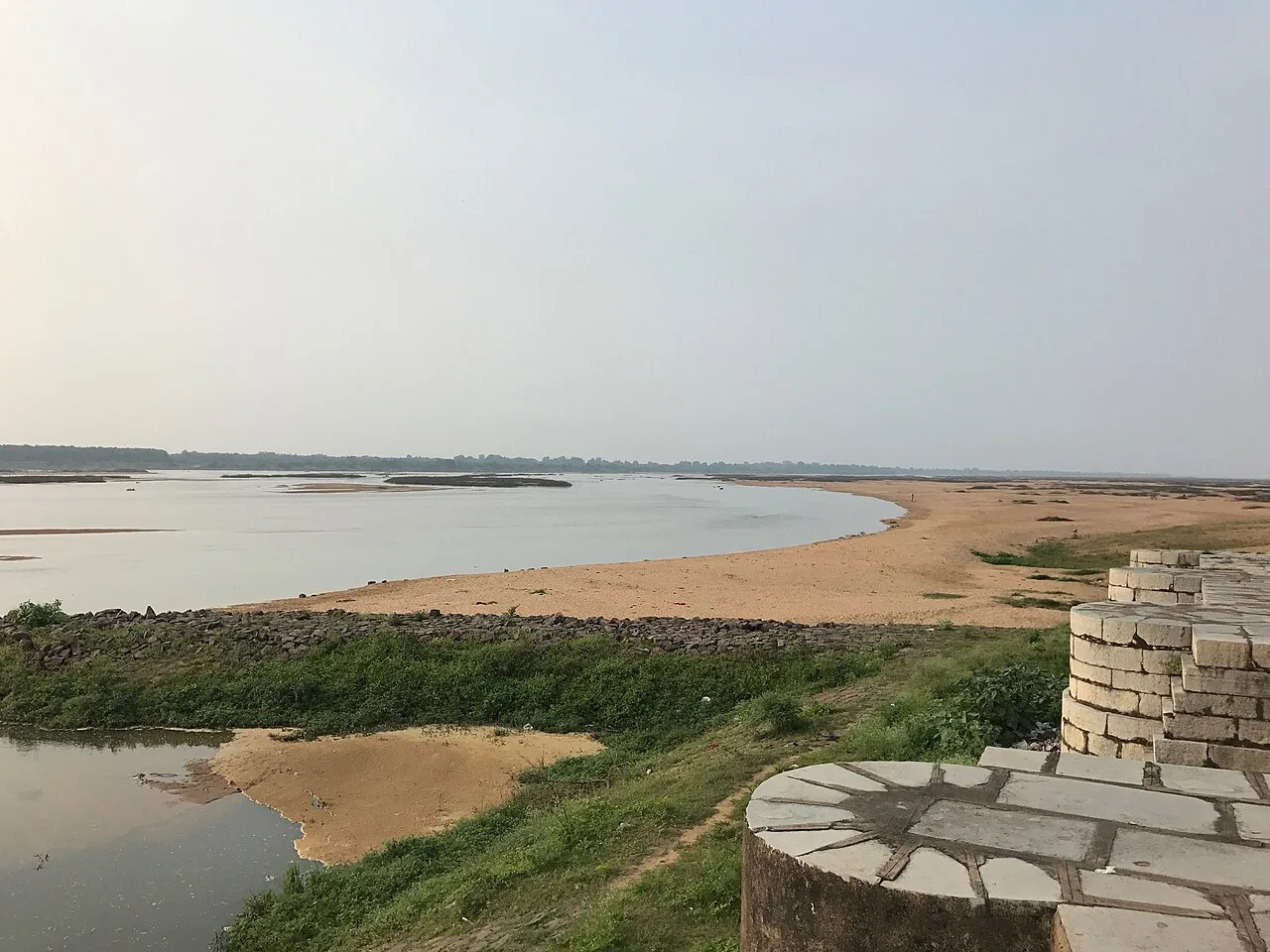
Champa is a town in Chhattisgarh’s Janjgir-Champa district, set on the banks of the Hasdeo River, a tributary of the Mahanadi. Its best-known identity is tied to Kosa silk: the town is associated with the weaving of silk sarees and fabrics that have a wider market beyond the region.

Famous for

  • Champa Kosa silk
  • Kosa silk sarees
  • Hasdeo river
  • Champa Junction
  • Historic zamindari estate

Why Champa matters

Champa is a town in Chhattisgarh’s Janjgir-Champa district, set on the banks of the Hasdeo River, a tributary of the Mahanadi. Its best-known identity is tied to Kosa silk: the town is associated with the weaving of silk sarees and fabrics that have a wider market beyond the region. Champa also serves as a local centre for trade and travel, with its railway junction linking it to towns across Chhattisgarh and neighbouring states.

For visitors, Champa offers a quieter look at an active regional town rather than a large, purpose-built tourist destination. The river and older parts of town provide a sense of its setting and history, while local markets are places to look for silk products and everyday Chhattisgarhi life. The town’s past as a zamindari estate adds another layer to its identity. Champa’s importance today rests on this mix of textile heritage, transport connections and its role in the surrounding district.
Famous for: crafts, trade & products

Champa is particularly associated with Kosa silk, a form of tasar silk traditionally woven into sarees and fabrics. Champa silk sarees and fabrics have a Geographical Indication, recognising their connection with the town and its weaving tradition. Designs and finishes vary, so visitors interested in textiles can ask sellers about the fabric, weaving and whether a piece is handloom-made.

The central market and textile shops are practical places to look for sarees, dress fabrics and other silk items. Availability and selection can vary; asking locally for established Kosa-silk sellers or weaver-linked outlets may help visitors find more traditional work. Champa is not chiefly known for a wide range of separately identified handicrafts or specialty foods, so silk is the clearest local product to seek out. Its railway junction and position in the district also support everyday commerce, connecting local trading activity with markets elsewhere in Chhattisgarh. For a meaningful purchase, compare pieces in person and check the seller’s description of the silk and weave.

History

Champa’s name is linked to a story about the mare of a local Raja, from which the town is said to have taken its name. Before Indian Independence, Champa was the centre of a zamindari estate. That history shaped the town’s early identity as a local seat of authority and a settlement serving the surrounding countryside.

In the colonial period, the zamindari system continued under the wider administration of British India, though local authority and land arrangements changed over time. Champa later developed as part of the modern state of Chhattisgarh and is now a municipality in Janjgir-Champa district. Its growth has been supported by its role as a regional market and by rail connections through Champa Junction. Silk weaving remains an important part of its reputation, linking contemporary trade with a longstanding local craft tradition. The Hasdeo River continues to define the town’s physical setting.

Food, festivals & culture

Champa shares the food traditions of the wider Chhattisgarh region. Everyday meals commonly draw on rice, lentils and seasonal vegetables; chila, fara and bafauri are familiar regional preparations. Khurma and the crisp sweets thethri and khurmi are among the treats visitors may encounter, though what is available depends on the season and local vendors. Hindi and Chhattisgarhi are widely used in daily life.

The festival calendar includes Navratri and Diwali, as well as regional celebrations such as Hareli during the monsoon season, Teeja and Pola. Dates vary each year with the lunar calendar. Folk forms such as Panthi, Raut Nacha, Suwa and Karma belong to the cultural life of the broader region and may be seen at community or seasonal events. Hindu temples serve local neighbourhoods, while festivals and family gatherings are central occasions for worship and community life. Visitors should ask locally about events taking place during their stay rather than expect a fixed annual programme.

Visiting the city

October to March is generally the most comfortable season to visit, with cooler weather than the hot summer months and less monsoon rain. The nearest airport is Bilaspur Airport; Raipur’s Swami Vivekananda Airport is another option for air connections. Champa Junction is the town’s main railway station and a useful arrival point for rail travellers.

Auto-rickshaws and local taxis are practical for getting around, while the central market and older town streets are easy areas to explore on foot. Visitors can also seek out Kosa-silk shops around the market and, where access is public, spend time near the Hasdeo riverbanks. Champa is a working regional town, so it is sensible to confirm local transport and river access on arrival. For a wider itinerary, use Champa as a base for exploring other destinations in Janjgir-Champa district.

Trips from the city

Nearest places to visit from Champa

Our closest destination guides, by straight-line distance.

Malhar

40 km away · Bilaspur district

Malhar

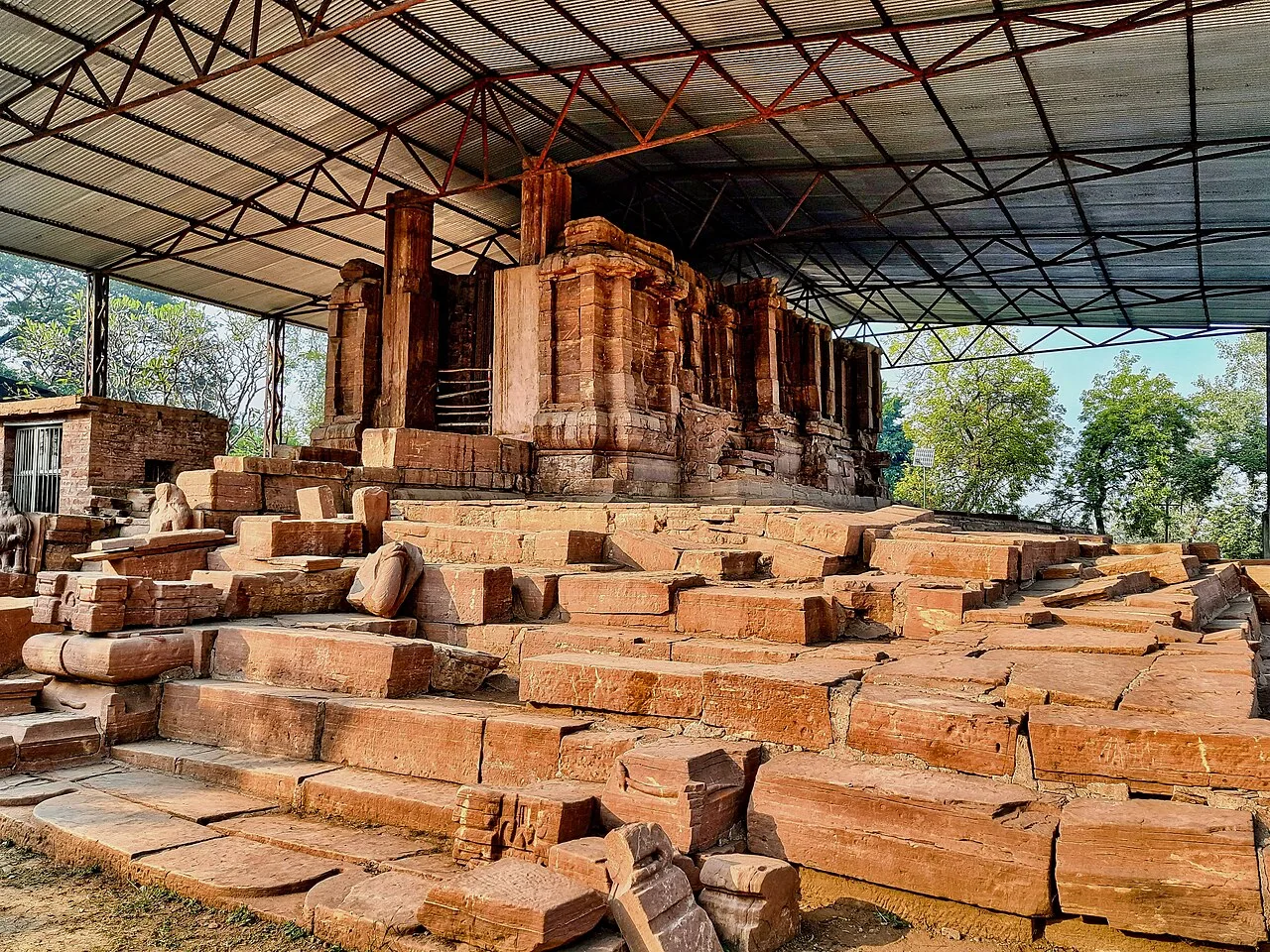
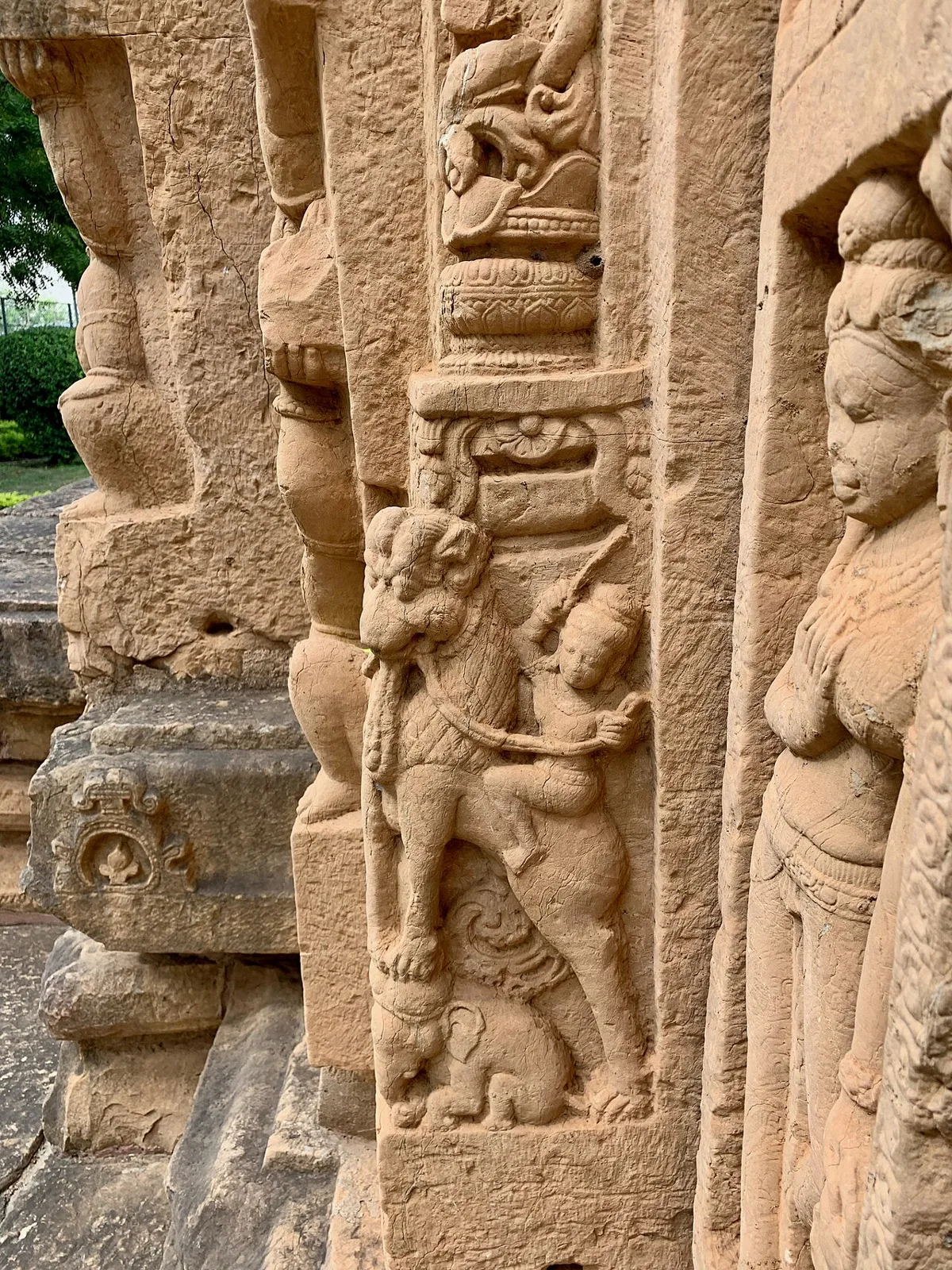
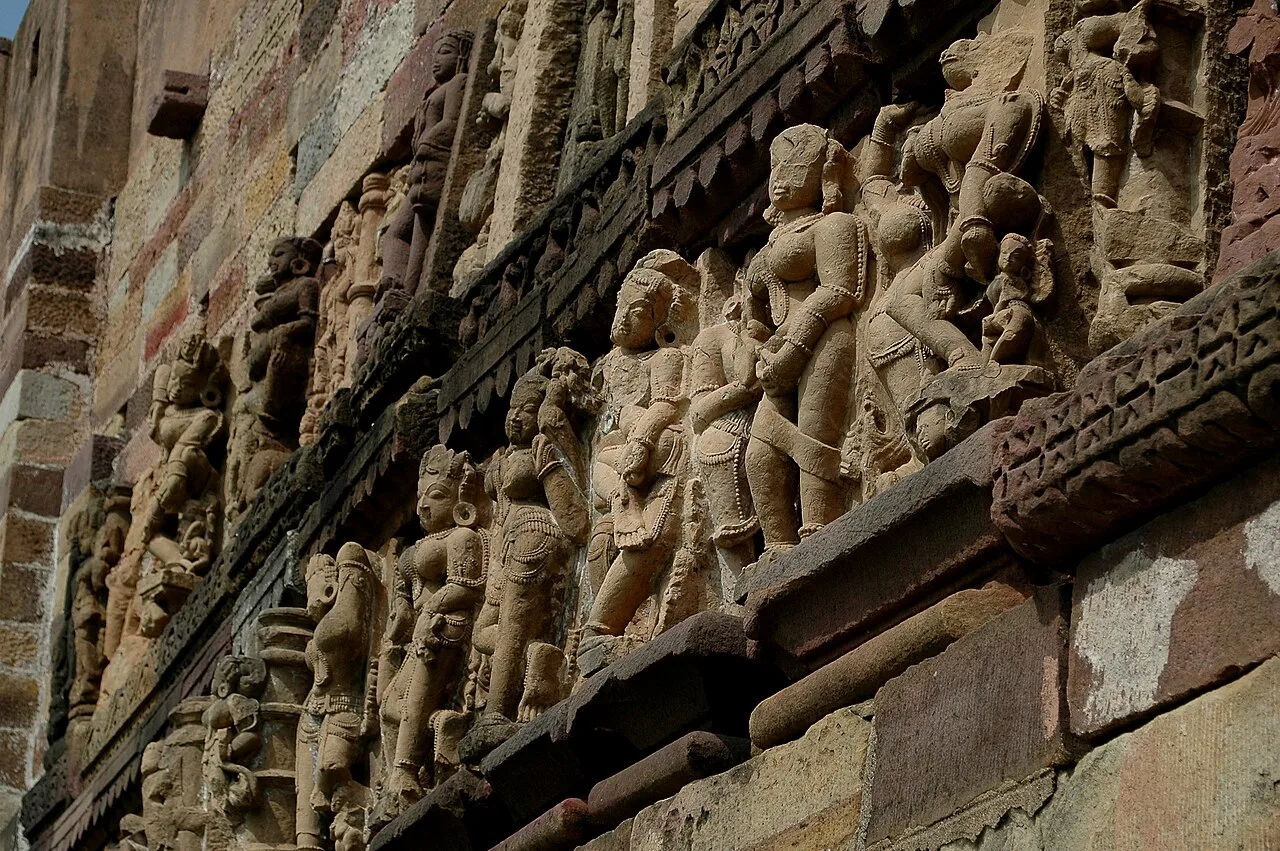
Malhar, in Chhattisgarh’s Bilaspur district, draws visitors interested in archaeology and its remains of an old fort, restored Shiva temples, and Hindu, Jain and Buddhist temples.

Ratanpur

57 km away · Bilaspur district

Ratanpur

Ratanpur is a town and nagar palika in Chhattisgarh’s Bilaspur district. Travellers encounter it on National Highway 130, about 25 kilometres from Bilaspur on the way towards Ambikapur.

Chaiturgarh

65 km away · Korba district

Chaiturgarh

Chaiturgarh, also called Lafagarh, is a historic hill fort in Korba district, Chhattisgarh. Visitors come for its pilgrimage associations, historic remains and setting within a biosphere reserve.

Tala

65 km away · Bilaspur district

Tala

Tala is a village in Chhattisgarh’s Bilaspur district. Visitors are drawn to the Devrani and Jethani temples and its distinctive stone statue of Rudra Shiva.

73 km away · Mahasamund district

Barnawapara Wildlife Sanctuary

Barnawapara Wildlife Sanctuary, in Chhattisgarh’s Mahasamund district, is a protected area established in 1976 under the Wildlife Protection Act. Visitors come to experience a wildlife sanctuary.

78 km away · Raigarh district

Gomardha Wildlife Sanctuary

Gomardha Wildlife Sanctuary is a wildlife-protection area in Chhattisgarh, associated with Raigarh and Sarangarh-Bilaigarh districts. Visitors come to encounter it as a place set aside for wildlife.

Sirpur

90 km away · Mahasamund district

Sirpur

Sirpur, a village in Chhattisgarh’s Mahasamund district, attracts visitors to its historic group of Buddhist, Hindu and Jain temples and monasteries, built between the fifth and twelfth centuries.

Ramgarh

105 km away · Balrampur district

Ramgarh

Ramgarh is a village in Balrampur district, Chhattisgarh, close to the Ramgarh hills. Visitors come to see the well-known Jogimara and Sitabenga caves there.

Map

Champa on the map

  1. 1Malhar
  2. 2Ratanpur
  3. 3Chaiturgarh
  4. 4Tala
  5. 5Barnawapara Wildlife Sanctuary
  6. 6Gomardha Wildlife Sanctuary
  7. 7Sirpur
  8. 8Ramgarh

Chhattisgarh

Other cities to explore