Ghumoopedia — Explore, Discover, Experience
Sign in

City guide · Chhattisgarh

Manendragarh

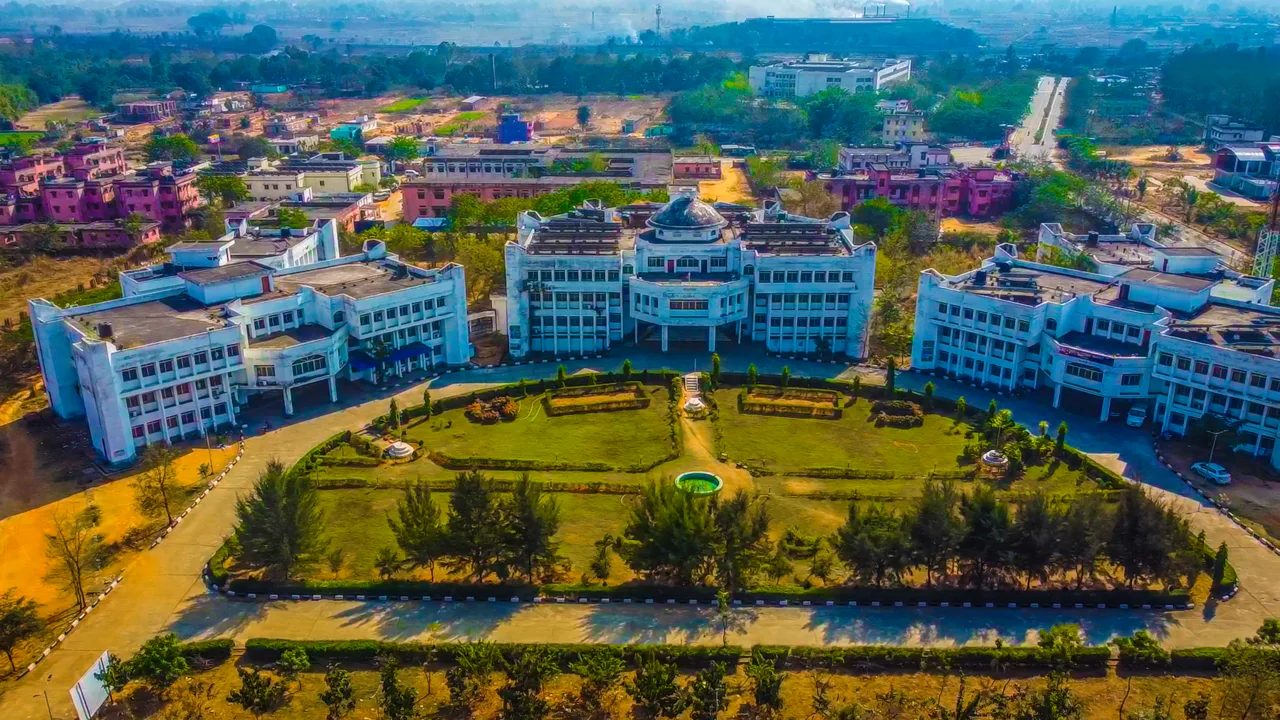
Manendragarh is a town in northern Chhattisgarh and the administrative headquarters of Manendragarh-Chirmiri-Bharatpur district. Its district role, established in the state’s 2022 administrative reorganisation, makes it an important service centre for surrounding settlements.

Famous for

  • Coal-mining heritage
  • Manendragarh railway station
  • District headquarters
  • Northern Chhattisgarh landscapes
  • Regional rice dishes

Why Manendragarh matters

Manendragarh is a town in northern Chhattisgarh and the administrative headquarters of Manendragarh-Chirmiri-Bharatpur district. Its district role, established in the state’s 2022 administrative reorganisation, makes it an important service centre for surrounding settlements. The town is part of the Surguja region, a northern belt of forested uplands and smaller urban centres, and lies within a wider area shaped by coal mining and railway links.

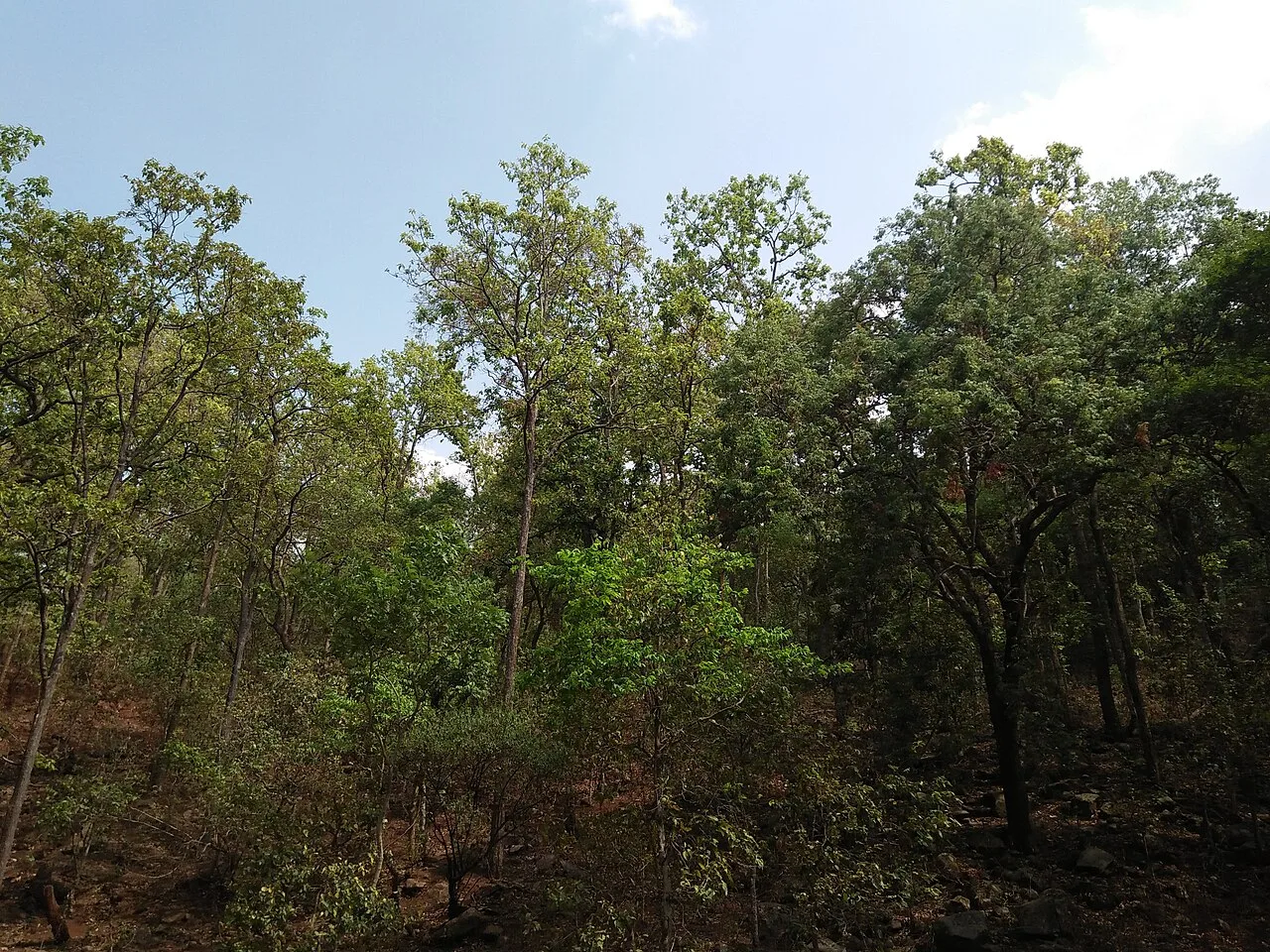
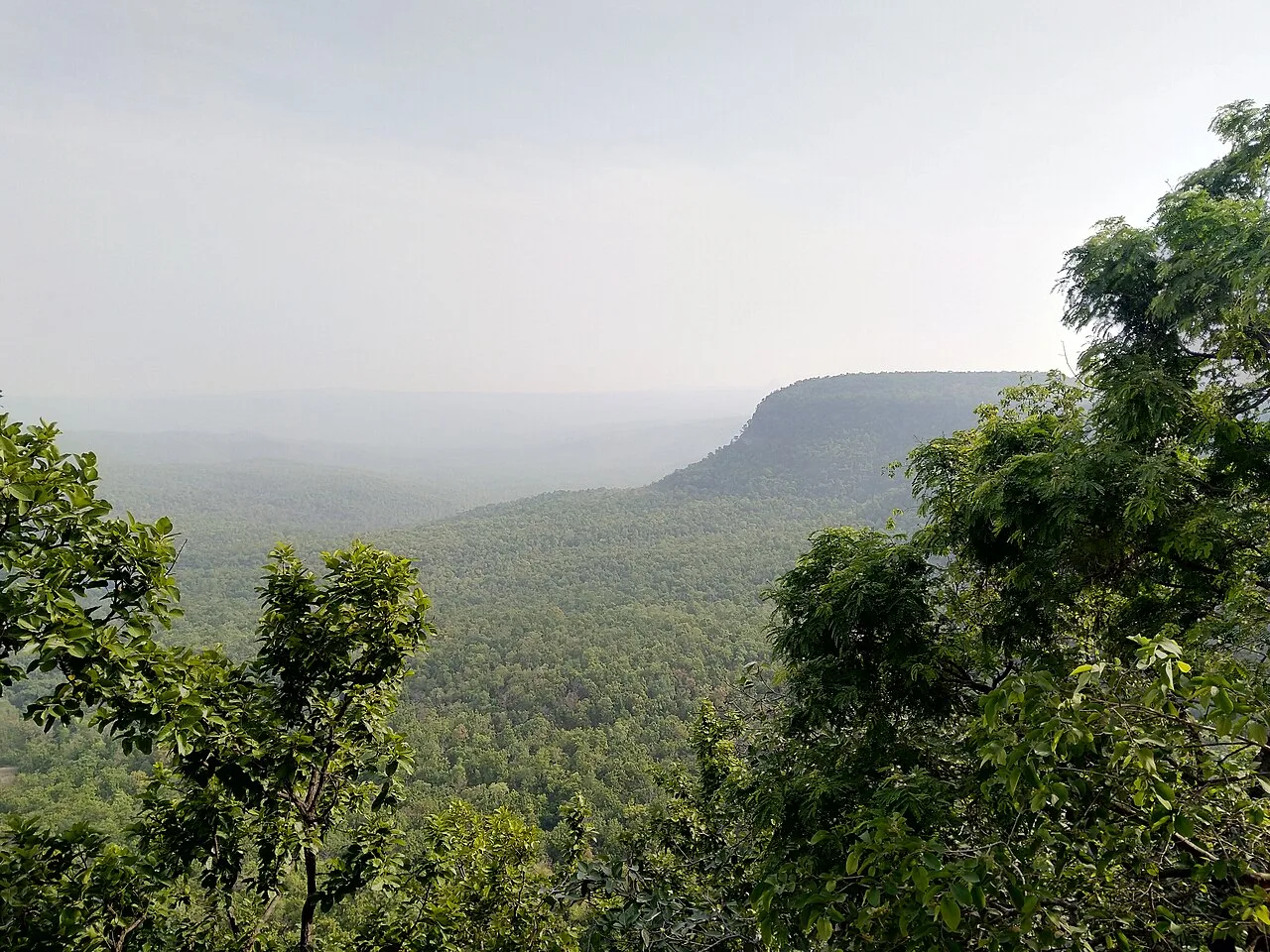
Visitors come chiefly for the character of this regional town and as a base for exploring nearby landscapes and communities. The wider district offers forest scenery and waterfalls, while neighbouring Chirimiri reflects the region’s mining history. Manendragarh itself is best known for its railway connection, administrative importance and association with coal-related activity rather than for a major monument or a nationally recognised craft. Its everyday markets, local temples and food provide a practical introduction to life in northern Chhattisgarh.
Famous for: crafts, trade & products

Manendragarh is associated with coal mining and the transport links that serve the wider mineral-producing region. Coal-related work and commerce have helped shape the local economy, although the town is not a large industrial showcase for visitors. Its railway station and market area are useful points of reference for understanding its role as a regional service centre. Since Manendragarh became a district headquarters, government and civic institutions have also become a more visible part of the town’s identity.

There is no widely established Manendragarh-specific textile, handicraft or GI-tagged product. The town’s everyday bazaars are the best places to look for local produce, household goods and regional snacks; visitors should not expect a dedicated craft district or a large souvenir market. Forest-based products, including seasonal produce, are associated with the broader region, but availability varies and they are not unique to the town. For a sense of local trade, explore the central market streets and shops around the station and main roads. These are practical places to buy daily necessities and sample food rather than specialist crafts.

History

Manendragarh developed within the former princely state of Korea, one of several princely territories that made up northern Chhattisgarh before Indian independence. After independence, the princely territories of the region were integrated into Madhya Pradesh. The town’s growth was shaped in part by railway connections and the expansion of coal mining in the surrounding belt, which brought workers, trade and public services to the area.

Chhattisgarh became a separate state on 1 November 2000, and Manendragarh remained within the state’s northern region. For many years it was part of the larger Korea district. In September 2022, Manendragarh-Chirmiri-Bharatpur was inaugurated as a separate district, with Manendragarh as its headquarters. This change strengthened the town’s administrative role, bringing district-level offices and services closer to communities across the new district. Its history is therefore closely tied to regional administration, rail access and the economic influence of nearby mining settlements.

Food, festivals & culture

Daily life reflects the mix of town and countryside found across northern Chhattisgarh. Hindi is widely used, alongside Chhattisgarhi and other regional languages. Meals commonly centre on rice, lentils and seasonal vegetables. Familiar Chhattisgarhi foods such as chila, fara and rice preparations can be found in homes and local eateries, though menus vary. Street-side tea stalls and small restaurants around busy market roads offer simple, filling meals rather than a distinct fine-dining scene.

Holi, Diwali and Navratri are observed, while seasonal festivals such as Hareli during the monsoon and Pola, associated with agriculture, are part of the wider Chhattisgarhi calendar. Community celebrations may include devotional singing, folk music and local dance; forms and customs vary among communities. The town has neighbourhood temples and other places of worship that serve residents, but it is not especially known as a major pilgrimage centre. Visitors can experience local culture most naturally in the market streets and during public festival gatherings, while being respectful when attending religious events.

Visiting the city

October to March is generally the most comfortable period to visit, with milder weather than the hot summer months and the monsoon season. Manendragarh Railway Station is the main rail access point. The nearest named airport is Darima Airport near Ambikapur, though scheduled flight options may be limited; Raipur’s Swami Vivekananda Airport offers broader air connections and requires a longer onward journey.

Within town, auto-rickshaws and local taxis are practical for short trips, while hired vehicles are useful for visiting places beyond the centre. The station area and central market streets are convenient places to explore on foot for shops, food and everyday town life. For a wider outing, Chirimiri and natural attractions in the district can be considered, but check local road conditions and transport availability before setting out. Carry cash for smaller shops and rural journeys.

Trips from the city

Nearest places to visit from Manendragarh

Our closest destination guides, by straight-line distance.

51 km away · Koriya district

Guru Ghasidas - Tamor Pingla Tiger Reserve

This protected area in Chhattisgarh brings together a national park and wildlife sanctuary under tiger-reserve status. Visitors come to experience its forest landscape and its role in tiger conservation.

Chaiturgarh

79 km away · Korba district

Chaiturgarh

Chaiturgarh, also called Lafagarh, is a historic hill fort in Korba district, Chhattisgarh. Visitors come for its pilgrimage associations, historic remains and setting within a biosphere reserve.

Ramgarh

85 km away · Balrampur district

Ramgarh

Ramgarh is a village in Balrampur district, Chhattisgarh, close to the Ramgarh hills. Visitors come to see the well-known Jogimara and Sitabenga caves there.

Achanakmar Wildlife Sanctuary

88 km away · Bilaspur district

Achanakmar Wildlife Sanctuary

Achanakmar is a protected forest area and tiger reserve spanning parts of Chhattisgarh and Madhya Pradesh. Visitors come to experience its wooded hills, varied terrain and the Maniyari River.

Ratanpur

103 km away · Bilaspur district

Ratanpur

Ratanpur is a town and nagar palika in Chhattisgarh’s Bilaspur district. Travellers encounter it on National Highway 130, about 25 kilometres from Bilaspur on the way towards Ambikapur.

Mainpat

121 km away · Surguja district

Mainpat

Mainpat is a small settlement and hill station in northern Chhattisgarh’s Surguja district. Visitors know it for Ulta Pani, also called Bisar Paani, where water appears to run uphill.

Tala

146 km away · Bilaspur district

Tala

Tala is a village in Chhattisgarh’s Bilaspur district. Visitors are drawn to the Devrani and Jethani temples and its distinctive stone statue of Rudra Shiva.

Malhar

147 km away · Bilaspur district

Malhar

Malhar, in Chhattisgarh’s Bilaspur district, draws visitors interested in archaeology and its remains of an old fort, restored Shiva temples, and Hindu, Jain and Buddhist temples.

Map

Manendragarh on the map

  1. 1Guru Ghasidas - Tamor Pingla Tiger Reserve
  2. 2Chaiturgarh
  3. 3Ramgarh
  4. 4Achanakmar Wildlife Sanctuary
  5. 5Ratanpur
  6. 6Mainpat
  7. 7Tala
  8. 8Malhar

Chhattisgarh

Other cities to explore