Ghumoopedia — Explore, Discover, Experience
Sign in
Maitri Bagh, near Durg

City guide · Chhattisgarh

Durg

Durg is a district headquarters in central Chhattisgarh, set east of the Shivnath River and closely connected with neighbouring Bhilai. Together, the two cities form an important urban and industrial centre in the state.

Famous for

  • Bhilai steel industry
  • Shivnath River
  • Kalachuri-era history
  • Durg Junction
  • Chhattisgarhi festivals
Plan a tripHotels near Durg

Why Durg matters

Durg is a district headquarters in central Chhattisgarh, set east of the Shivnath River and closely connected with neighbouring Bhilai. Together, the two cities form an important urban and industrial centre in the state. Durg serves as a regional hub for administration, education, trade and rail travel, while Bhilai’s steel industry has shaped employment and development across the area.

Visitors come for a glimpse of the region’s history and everyday life, with temples, local markets and the river landscape among the nearby points of interest. Durg also makes a practical base for exploring Bhilai and other destinations in the wider region. Its character blends an older town centre with newer residential and commercial areas, and local festivals and food offer an introduction to Chhattisgarhi culture. The city is best understood not as a single monument destination, but as a working urban centre linking the state’s industrial belt with its surrounding towns and rural communities.
Famous for: crafts, trade & products

Durg is better known as a commercial and administrative centre than as a specialised textile or handicraft town. Its shops and markets serve residents across the city and nearby communities, with everyday clothing, household goods and regional food products among the main purchases. The central bazaar areas and streets around the railway station are useful places to browse local retail life.

The wider region is associated with Chhattisgarh’s Kosa silk, a traditional tussar silk, and crafts such as bell-metal work, though these are not exclusive to Durg. Visitors may find regional textiles and craft goods through local retailers, but should ask about the maker and place of origin. Durg’s economy is closely linked to Bhilai’s steel works and the surrounding network of trade and supporting businesses. The city is also an education and administrative centre, with Hemchand Yadav Vishwavidyalaya based here. Rather than a single signature product, Durg’s identity rests on its role in the connected Durg–Bhilai urban and industrial area.

History

Historical accounts associate Durg’s early growth with Jagpal, a treasury officer under the Kalachuri rulers who is said to have received the territory for his service. The settlement was known as Shiva Durg, a name linked to its position by the Shivnath River. In medieval times, a fort here served as the centre of one of the Kalachuri administrative divisions, or garhs. The remains and historical references point to Durg’s former strategic importance.

Maratha forces from Nagpur took Chhattisgarh in 1741 and used the old fort as a base. The area later came under British administration during the nineteenth century. In the modern period, Durg developed as a district headquarters and rail-linked market town. Industrial growth in neighbouring Bhilai, particularly around steel production, transformed the wider urban region and brought new residents and businesses. Durg became part of the newly formed state of Chhattisgarh in 2000 and continues to serve as a civic and transport centre.

Food, festivals & culture

Everyday cooking draws on the rice-based food traditions of Chhattisgarh. Chila, fara, angakar roti and muthiya are familiar regional dishes, while bore baasi—cooked rice soaked in water—is especially associated with hot-weather meals. Local eateries and sweet shops also serve snacks and sweets such as jalebi and khurma; menus vary from place to place.

Hindi and Chhattisgarhi are widely used, and the city’s mixed population brings other languages into daily life. Diwali and Holi are celebrated, while Navratri brings worship and community gatherings in spring and autumn. Regional festivals such as Hareli, usually observed during the monsoon, and Pola, associated with the agricultural season, reflect local customs. Folk forms including Panthi, Raut Nacha, Sua and Karma are part of the broader cultural landscape of Chhattisgarh. Temples and other places of worship across Durg and nearby Bhilai serve as centres for religious observance and neighbourhood gatherings.

Visiting the city

The cooler months from October to March are generally the most comfortable for visiting. Summer can be very hot, while the monsoon brings rain. The nearest airport is Swami Vivekananda Airport in Raipur; Durg Junction is the city’s main railway station and a useful arrival point for the region.

Auto-rickshaws, taxis and local buses connect the station, central markets and residential areas. The old-town streets and central bazaar give a sense of Durg’s local pace, while Bhilai’s planned sectors and Civic Centre offer a different urban setting. The Shivnath River and Deobaloda temple are options to explore in the surrounding area; check local transport arrangements before setting out. Durg also works well as a base for short visits around the Durg–Bhilai region.

Trips from the city

Nearest places to visit from Durg

Our closest destination guides, by straight-line distance.

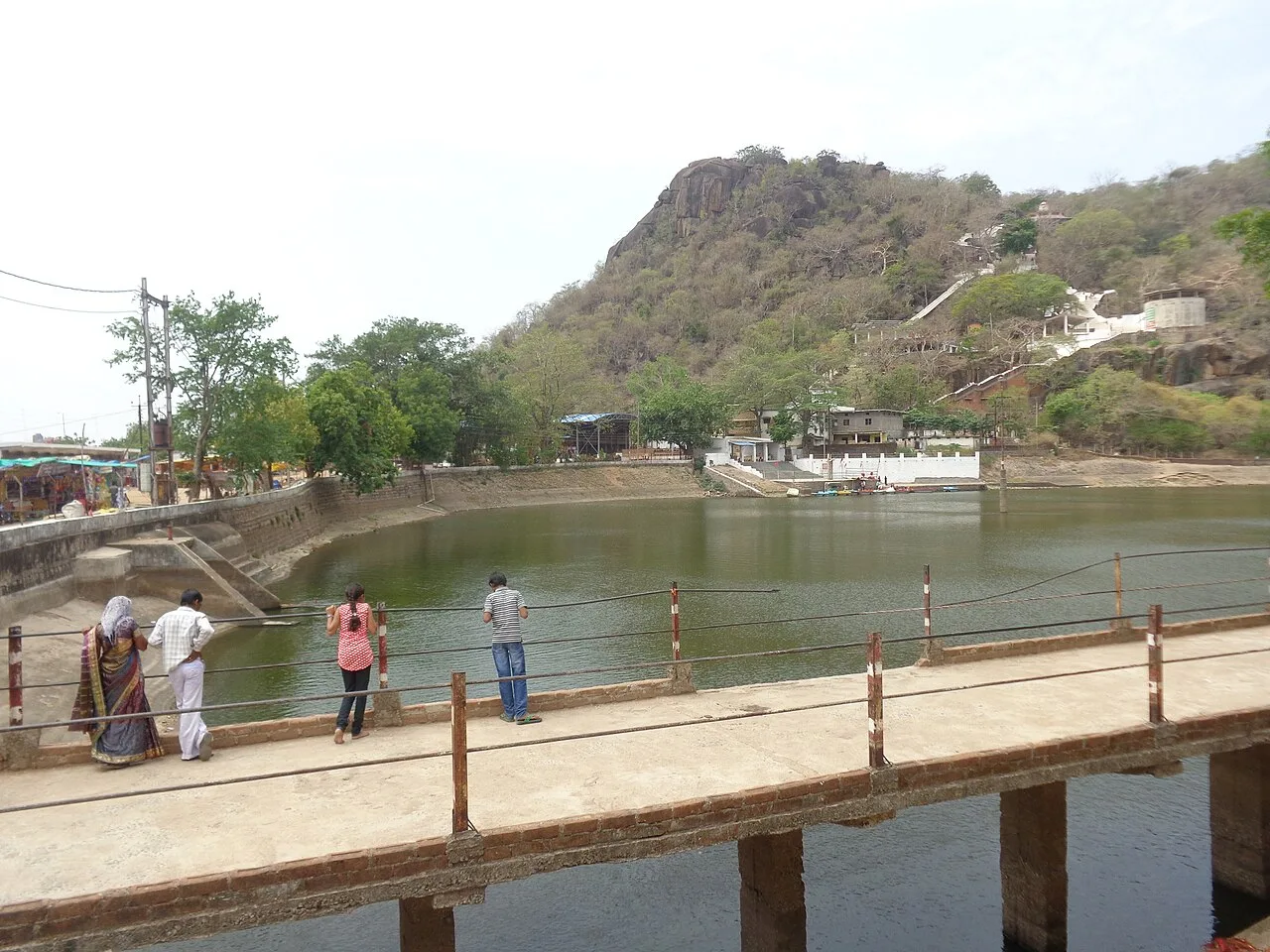
Maitri Bagh

8 km away · Durg district

Maitri Bagh

Maitri Bagh is a zoo and visitor attraction in Bhilai, Durg district, Chhattisgarh. People visit for its wildlife setting and its history as a symbol of India–Soviet friendship.

Nandan Van Zoo

30 km away · Raipur district

Nandan Van Zoo

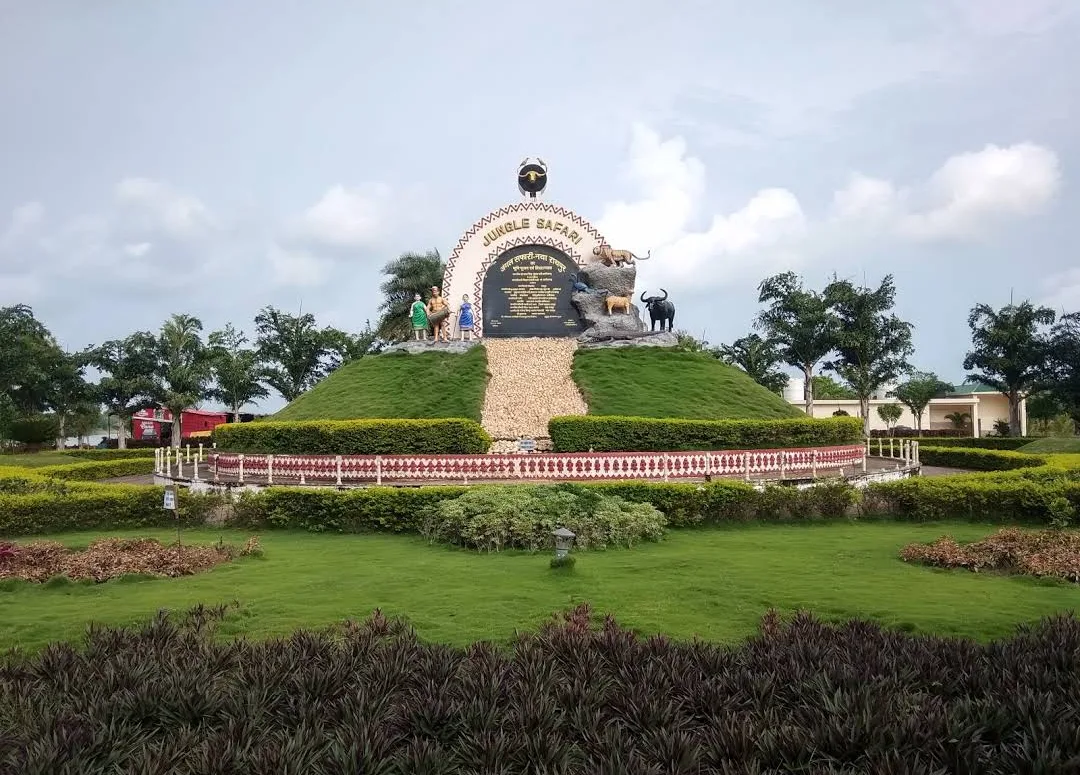
Nandan Van Zoo, also called Nandan Van Jungle Safari, is a visitor attraction in Raipur district, Chhattisgarh. People visit the 800-acre site beside the Kharun River.

Purkhouti Muktangan

50 km away · Raipur district

Purkhouti Muktangan

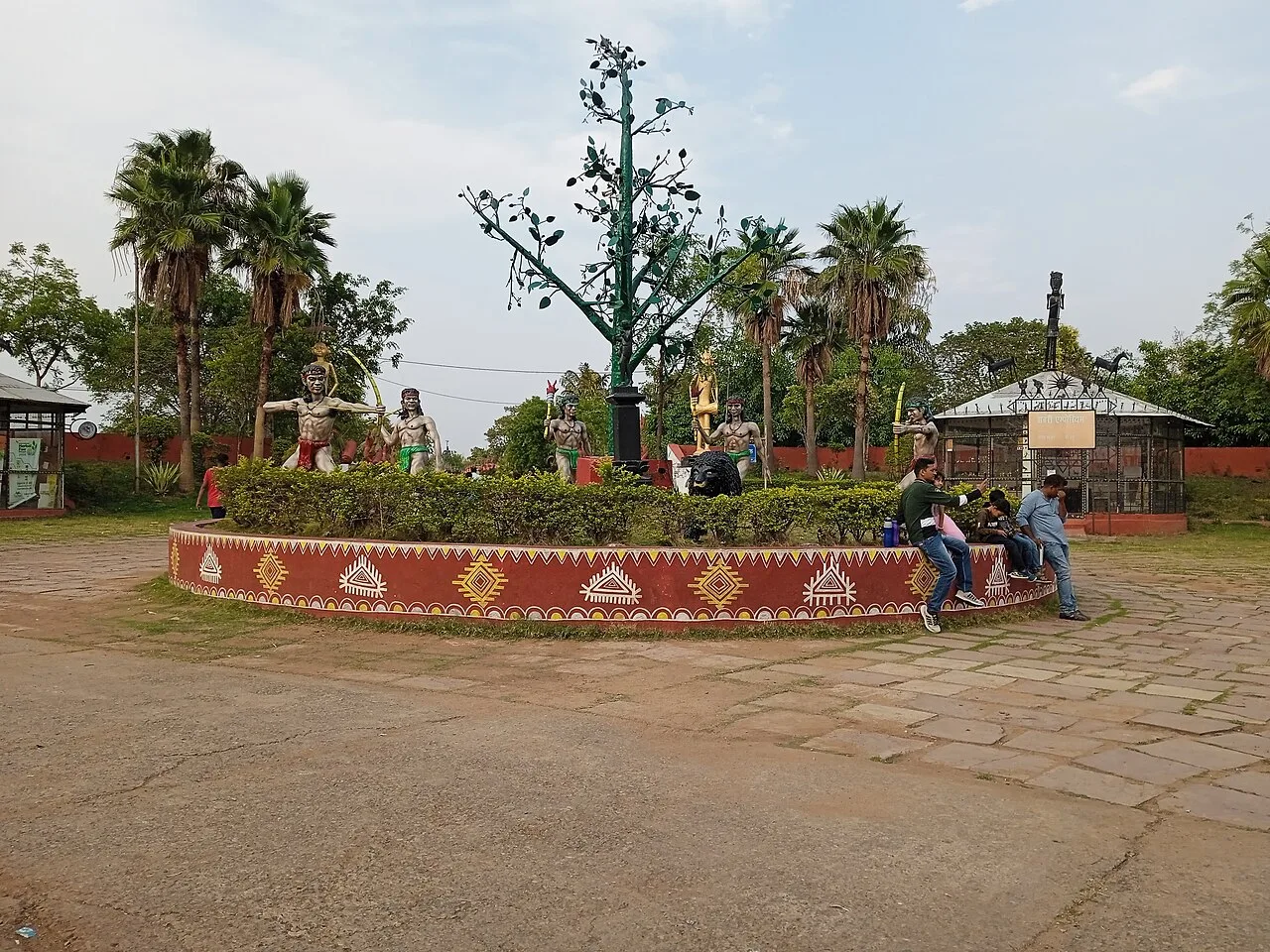
Purkhouti Muktangan is a 24.2-hectare cultural and sculpture park in Naya Raipur, where visitors can explore displays reflecting Chhattisgarh’s tribal communities and cultural life.

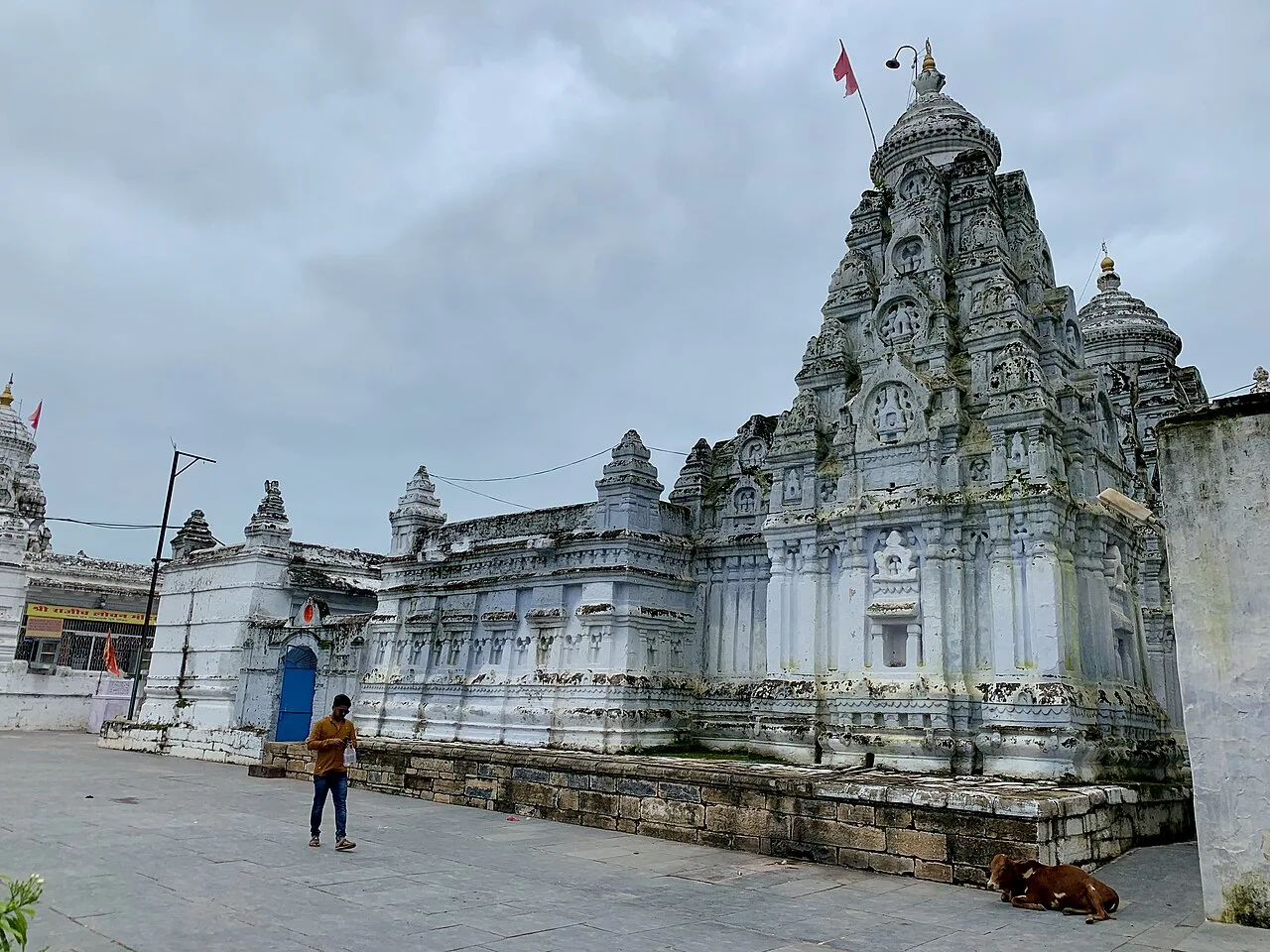
Dongargarh

54 km away · Rajnandgaon district

Dongargarh

Dongargarh, a municipality in Chhattisgarh’s Rajnandgaon district, attracts pilgrims to Maa Bamleshwari Devi and other shrines. Jain, Buddhist and Sikh places of worship reflect the town’s religious diversity.

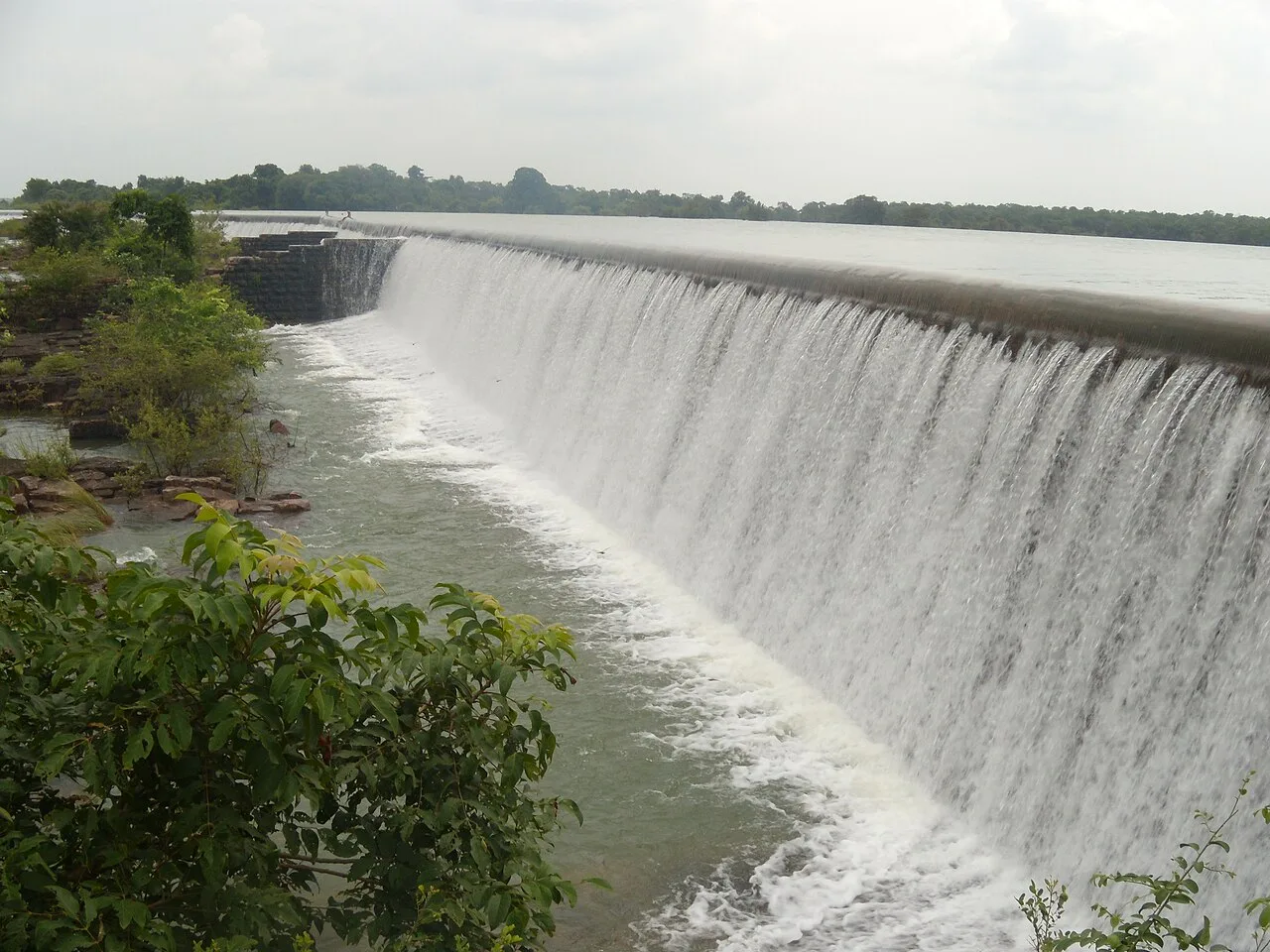
Tandula Dam

55 km away · Balod district

Tandula Dam

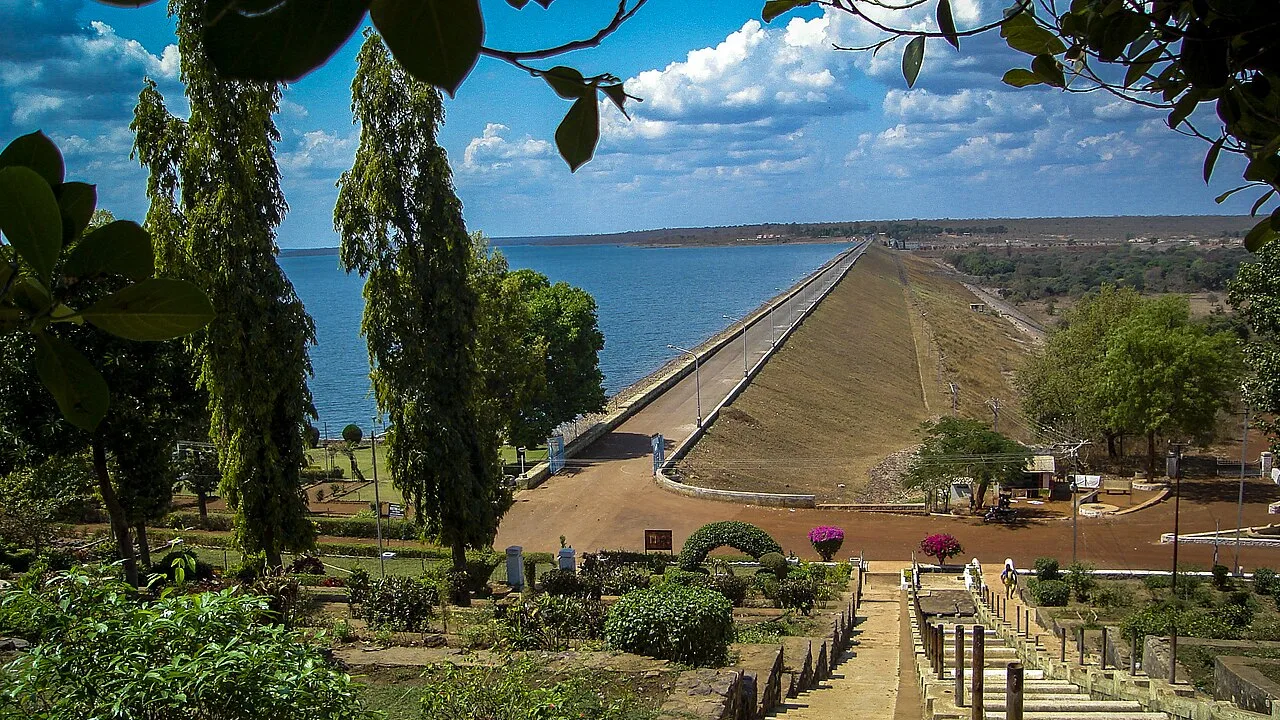
Tandula Dam, in Chhattisgarh’s Balod district, is a reservoir and water-supply project. Its river setting and role in serving nearby urban and industrial areas are points of interest.

Rajim

68 km away · Gariaband district

Rajim

Rajim is a town in Gariaband district, Chhattisgarh, India. People visit to spend time in the town and experience this part of the state.

Champaran

69 km away · Janjgir-Champa district

Champaran

Champaran is a village in Chhattisgarh associated with Vallabhacharya, founder of the Vallabh sect. Visitors come to see temples and the two sites linked with his Chaurasi Bethak.

Gangrel Dam

69 km away · Dhamtari district

Gangrel Dam

Gangrel Dam, officially named Pandit Ravishankar Sagar, is a major water project in Dhamtari district. Visitors are drawn to the reservoir and to Onakona, a tourist spot on its shore.

Map

Durg on the map

  1. 1Maitri Bagh
  2. 2Nandan Van Zoo
  3. 3Purkhouti Muktangan
  4. 4Dongargarh
  5. 5Tandula Dam
  6. 6Rajim
  7. 7Champaran
  8. 8Gangrel Dam

Chhattisgarh

Other cities to explore