Ghumoopedia — Explore, Discover, Experience
Sign in

City guide · Chhattisgarh

Junagarh

Junagarh is a historic town in Kalahandi district, Odisha—not in Chhattisgarh. It matters as a local centre for the surrounding area and as the former capital of the Kalahandi princely state.

Famous for

  • Kalahandi fort heritage
  • Historic temple complex
  • Sati-pillar sculptures
  • Ponds and orchard heritage

Why Junagarh matters

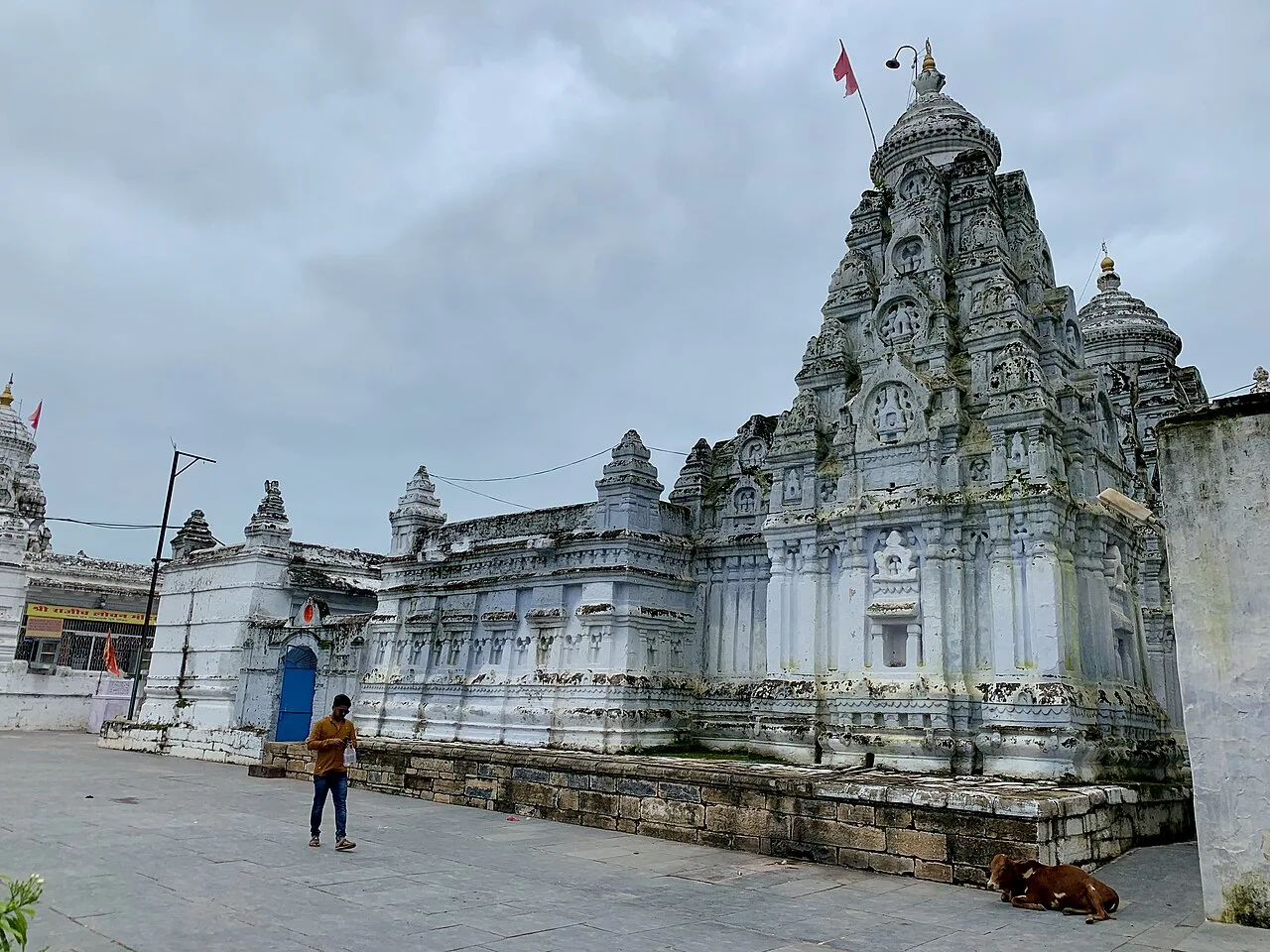
Junagarh is a historic town in Kalahandi district, Odisha—not in Chhattisgarh. It matters as a local centre for the surrounding area and as the former capital of the Kalahandi princely state. Its old fortified precinct, temples and inscriptions offer visitors a glimpse of the region’s royal and religious past. Junagarh is also known as the temple town of Kalahandi.

The town’s heritage is associated with an old saying about “chha kodi bandha naa kodi tota”—120 ponds and 180 orchards—recalling a landscape shaped by water tanks and fruit gardens. Within the historic area, visitors can see temples and sculptural remains, including sati pillars that record a medieval custom. Junagarh is about 26 kilometres from Bhawanipatna and is connected to the wider district by road and rail. It is best suited to travellers interested in Kalahandi’s history, architecture and everyday town life; it also makes a useful stop when exploring the district.
Famous for: crafts, trade & products

Junagarh is better known for its heritage than for a signature textile, handicraft, GI-tagged product or large industry. No particular craft or product can be confidently identified as unique to the town. Its most distinctive legacy is the historic fortified area, where temples and stone sculptures reflect the region’s former royal centre. The remembered ponds and orchards are another part of its local identity.

For everyday shopping, browse the central bazaar and local shops, where residents find household goods, clothing and seasonal produce. These are practical places to experience the town’s commerce, rather than specialist destinations for a particular craft. Visitors looking for a wider selection of regional products or services can also explore Bhawanipatna, the district headquarters. Do not assume that items sold locally carry a GI designation or were made in Junagarh; ask sellers about their origin. The town’s principal draw remains its historic and religious sites, rather than a recognised shopping district or export industry.

History

Junagarh developed as a fortified seat of the rulers of Kalahandi and served as the capital of the former princely state. The remains of its defensive precinct, temples and Odia inscriptions testify to its importance as a royal and religious centre. The area’s historic identity is also tied to its ponds and orchards, which supported settlement and cultivation.

Sati pillars in Junagarh’s historic precinct are sculptural records associated with the sati rite, practised in parts of medieval India. The custom was later prohibited under British rule during Lord William Bentinck’s administration; the pillars are evidence of the past, not a present-day practice. After princely rule ended and Kalahandi became part of modern Odisha, Junagarh continued as a town serving the district. Road links and the Junagarh Road railway station connect it with Bhawanipatna and other regional centres, while its old temples and fortified area remain central to its historical character.

Food, festivals & culture

Odia is widely used in Junagarh, alongside local varieties of speech and Hindi. Everyday food reflects Odisha and western Odisha cooking: rice, lentils, vegetables and seasonal produce are common, with pakhala, a fermented rice dish, especially welcome in hot weather. Local eateries are the best place to ask about dishes made with ingredients in season; no particular sweet or food is uniquely associated with the town.

The religious calendar follows Odisha’s Hindu festivals, including Rath Yatra in the monsoon season, Durga Puja and Dussehra in autumn, and Nuakhai, the harvest celebration observed in western Odisha. Dates vary each year. Temple worship is part of daily life, and the historic temples are the most visible cultural landmarks. Regional folk music and dance traditions, including Sambalpuri forms and Dalkhai, are part of the wider cultural setting, though performances in town depend on local events and festival programmes.

Visiting the city

October to February is generally the most comfortable period to visit, while the monsoon can bring heavy rain and summer is hot. Utkela Airport, near Bhawanipatna, is the nearest airport; check current commercial flight availability before planning around it. Junagarh Road railway station is the main rail station for the town. Junagarh is connected by road to Bhawanipatna and the regional highway network, including National Highway 26.

Auto-rickshaws and local vehicles are practical for short trips; confirm local availability on arrival. Begin in the old fortified precinct to see its temples, inscriptions and sculptural remains, then explore the central bazaar for everyday town life. Bhawanipatna is a useful nearby base for broader district services and onward travel. Allow time for travel between sites, and ask locally about access to individual temple compounds.

Trips from the city

Nearest places to visit from Junagarh

Our closest destination guides, by straight-line distance.

Chitrakote Falls

148 km away · Bastar district

Chitrakote Falls

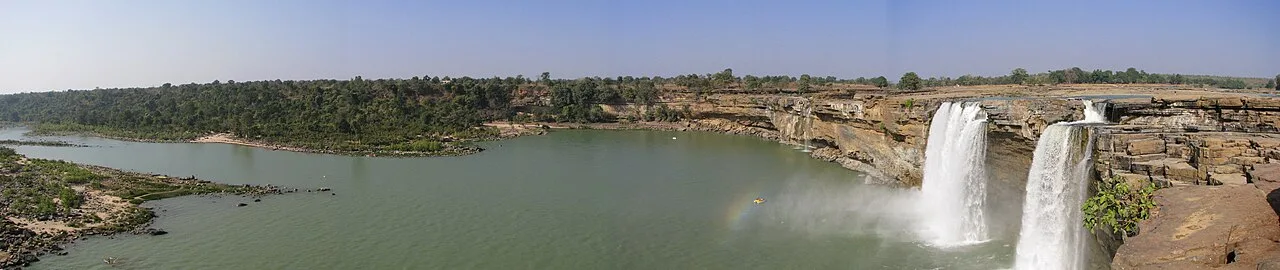
Chitrakote Falls is a waterfall on the Indravati River in Chhattisgarh, drawing visitors to see its broad monsoon flow and distinctive horseshoe form.

Kotumsar Cave

152 km away · Bastar district

Kotumsar Cave

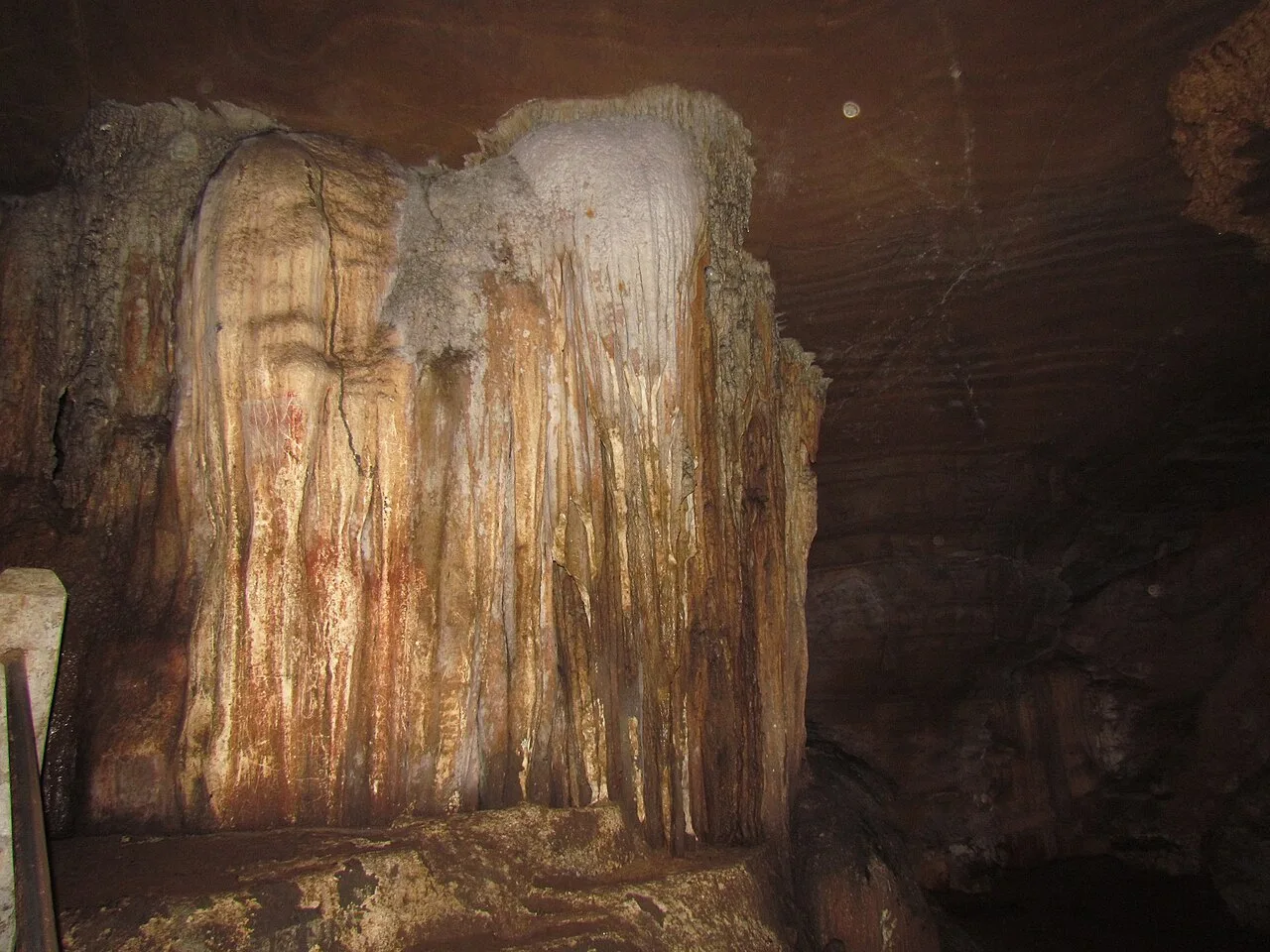
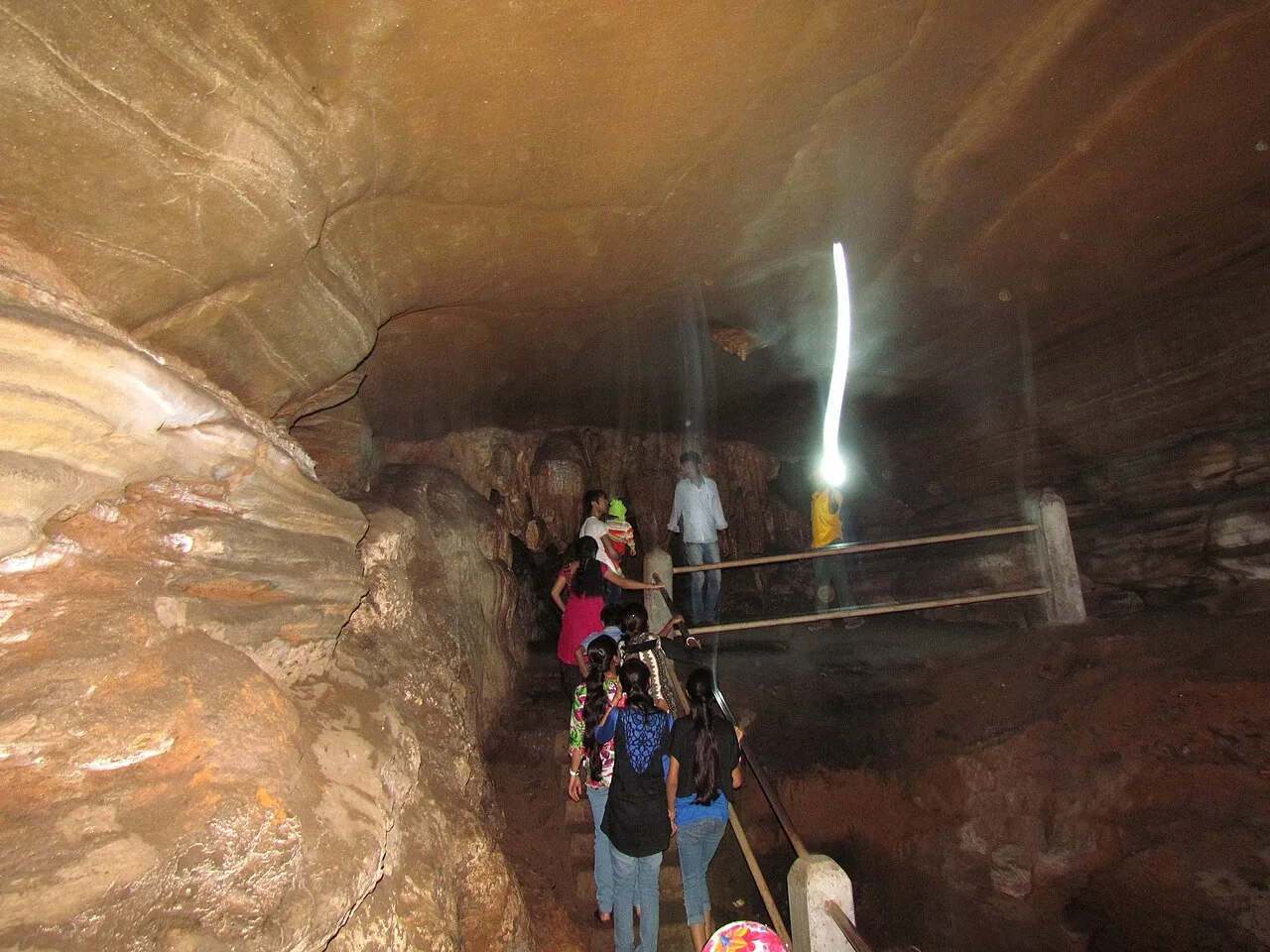
In Bastar district near Jagdalpur, Chhattisgarh, Kotumsar Cave is a limestone cave in the Kanger belt. It draws visitors interested in ecotourism and the cave’s natural setting.

Mendri Ghumar

154 km away · Bastar district

Mendri Ghumar

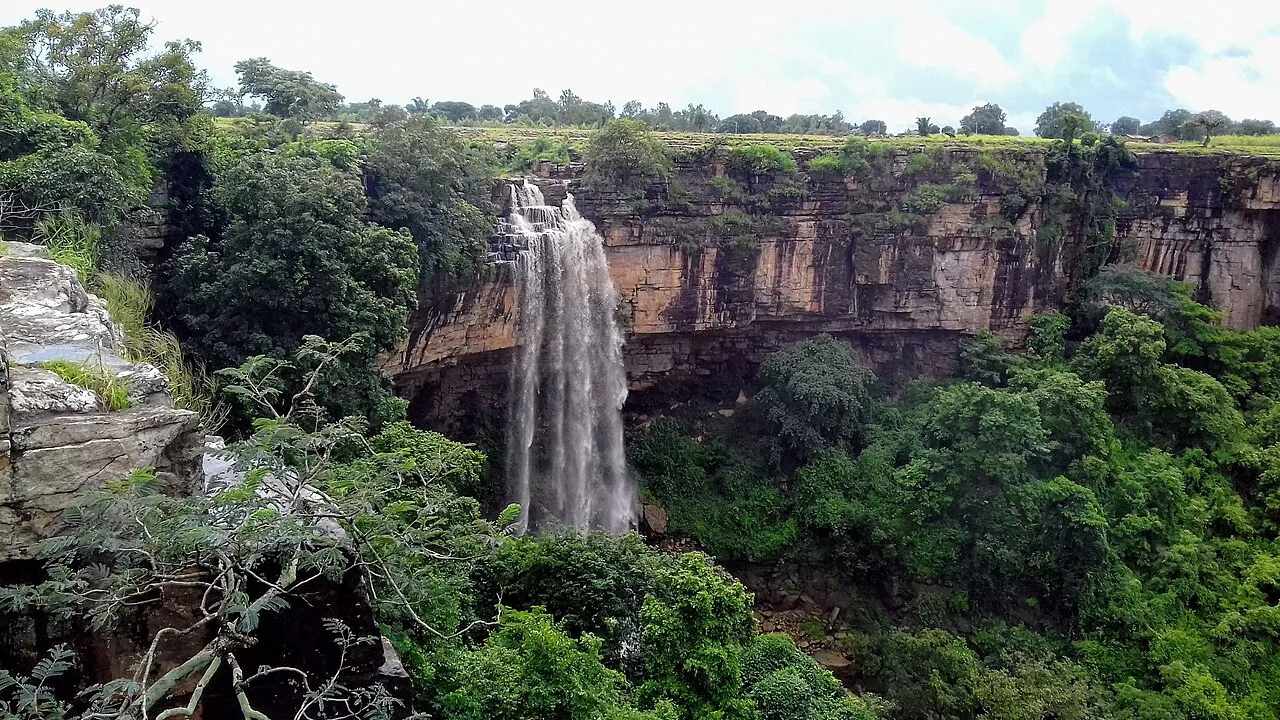
Mendri Ghumar is a seasonal waterfall in Bastar district, Chhattisgarh, about 44 kilometres west of Jagdalpur. Visitors come to see the falls, which are near Chitrakote and Tamda Ghumar.

Teerathgarh Falls

154 km away · Bastar district

Teerathgarh Falls

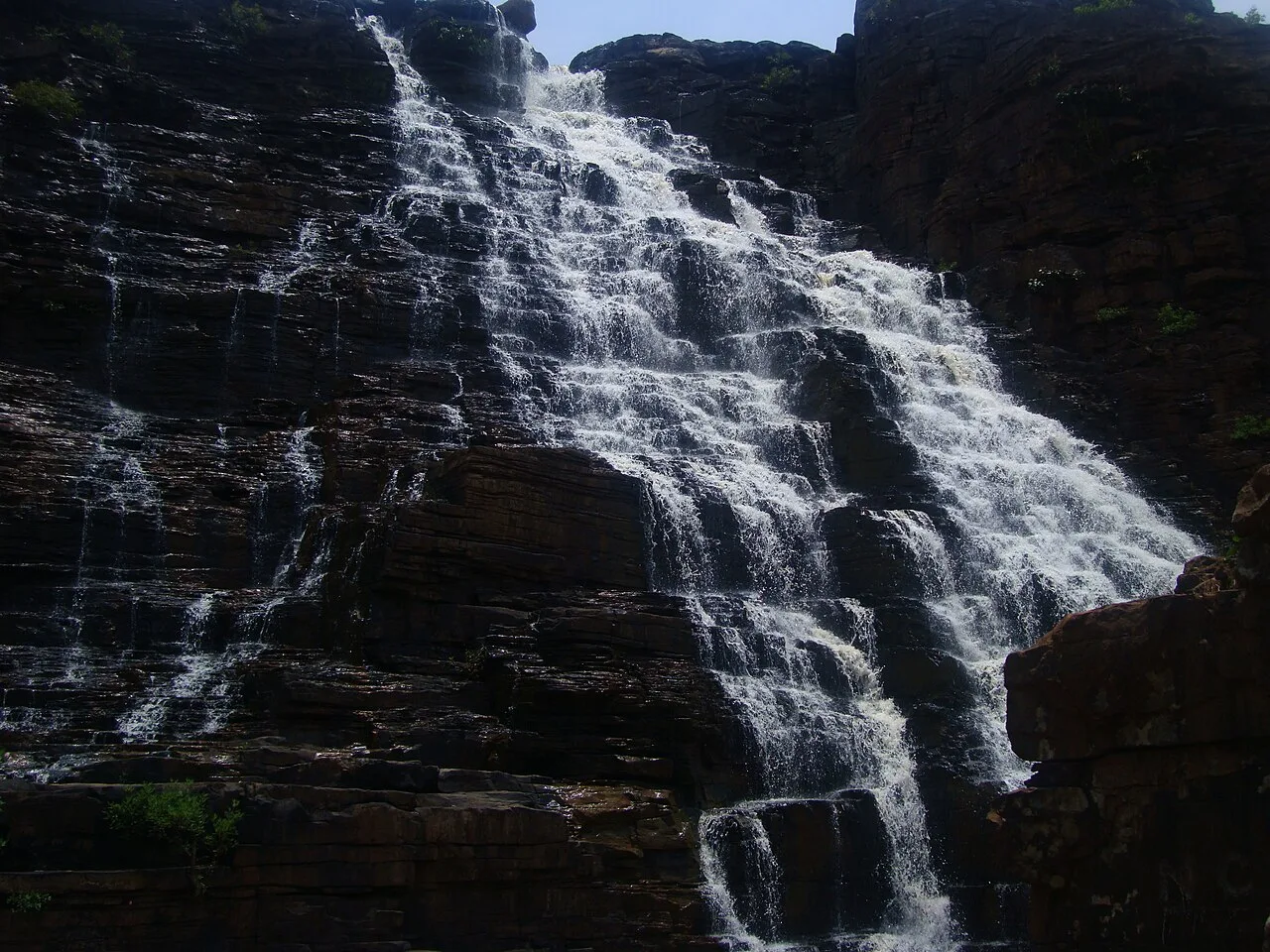
Teerathgarh Falls is a waterfall in Bastar district, Chhattisgarh, about 35 kilometres from Jagdalpur. Visitors come to see water descend beside a hillside shaped by natural rock.

Kanger Valley National Park

157 km away · Bastar district

Kanger Valley National Park

In Bastar, Chhattisgarh, Kanger Valley is a protected natural area visited for its wildlife, waterfalls and limestone caves, set within a landscape of varied landforms.

Rajim

165 km away · Gariaband district

Rajim

Rajim is a town in Gariaband district, Chhattisgarh, India. People visit to spend time in the town and experience this part of the state.

Gangrel Dam

167 km away · Dhamtari district

Gangrel Dam

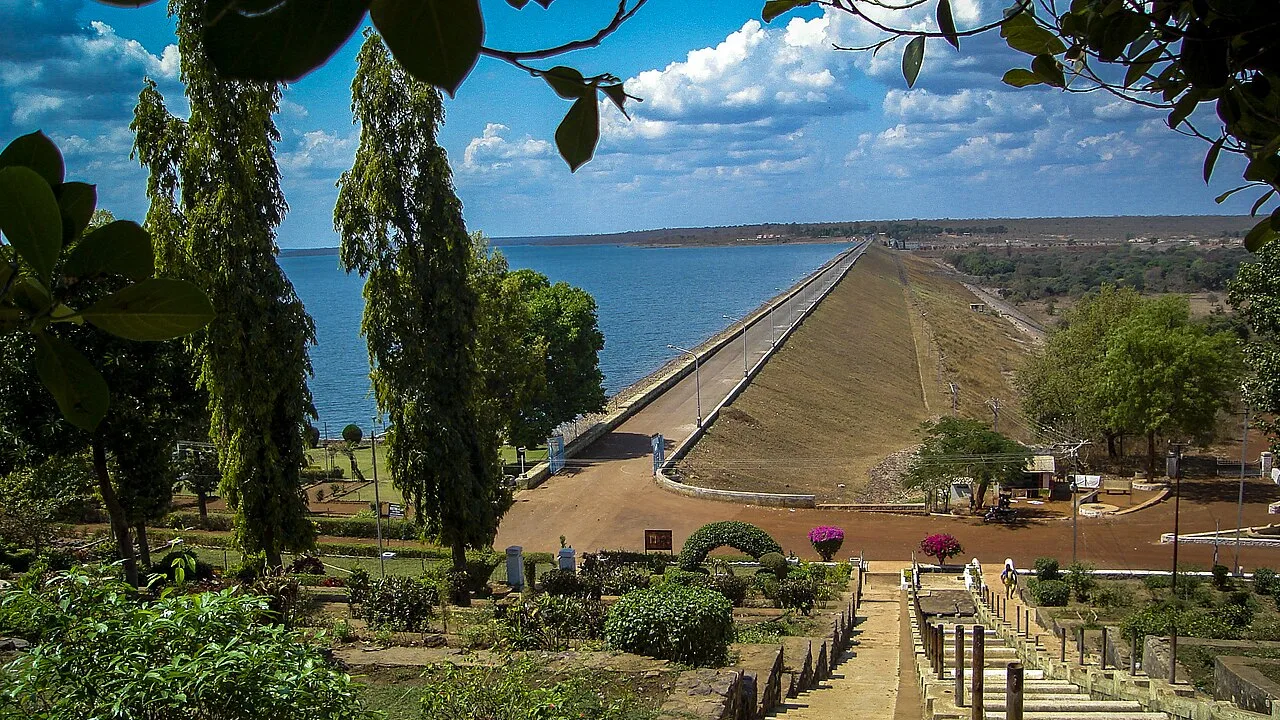
Gangrel Dam, officially named Pandit Ravishankar Sagar, is a major water project in Dhamtari district. Visitors are drawn to the reservoir and to Onakona, a tourist spot on its shore.

Champaran

168 km away · Janjgir-Champa district

Champaran

Champaran is a village in Chhattisgarh associated with Vallabhacharya, founder of the Vallabh sect. Visitors come to see temples and the two sites linked with his Chaurasi Bethak.

Map

Junagarh on the map

  1. 1Chitrakote Falls
  2. 2Kotumsar Cave
  3. 3Mendri Ghumar
  4. 4Teerathgarh Falls
  5. 5Kanger Valley National Park
  6. 6Rajim
  7. 7Gangrel Dam
  8. 8Champaran

Chhattisgarh

Other cities to explore