Ghumoopedia — Explore, Discover, Experience
Sign in
Ratanpur, near Sakri

City guide · Chhattisgarh

Sakri

Sakri is a growing town on the outskirts of Bilaspur in Chhattisgarh. Its importance comes largely from its position beside the region’s principal urban centre: Bilaspur is a railway, commercial and administrative hub, while Sakri connects residents and visitors with its services and surrounding settlements.

Famous for

  • Bilaspur’s expanding outskirts
  • Access to Bodri High Court
  • Nearby kosa silk
  • Regional rice and produce

Why Sakri matters

Sakri is a growing town on the outskirts of Bilaspur in Chhattisgarh. Its importance comes largely from its position beside the region’s principal urban centre: Bilaspur is a railway, commercial and administrative hub, while Sakri connects residents and visitors with its services and surrounding settlements. The Chhattisgarh High Court is at Bodri, in Bilaspur district, and is an important nearby institution rather than an attraction within Sakri itself.

Sakri is better understood as a convenient base and part of the wider Bilaspur urban area than as a standalone heritage destination. Visitors can use it to reach Bilaspur’s markets, railway facilities and cultural sites, as well as the district’s historic places. The wider region is associated with kosa silk weaving and doobraj rice, which can be sought in Bilaspur’s shops and markets. Sakri’s appeal is chiefly practical: it offers access to the work, services and transport connections of a major regional centre, alongside the everyday character of a growing Chhattisgarhi town.
Famous for: crafts, trade & products

Its commercial life serves local residents and people travelling between Bilaspur and nearby settlements. For a broader selection of shops and established markets, visitors can head into Bilaspur, where local produce and regional goods are easier to find.

The surrounding Bilaspur region is known for doobraj, an aromatic rice variety, and for colourful kosa silk sarees. These are regional associations, not products that should be assumed to originate in Sakri. Look for rice at food and grain retailers and ask textile shops in Bilaspur about kosa pieces and their provenance. The wider area also has a connection to tasar silk production and seed supply through government-supported institutions. Bilaspur’s railway and commercial role, along with the High Court at nearby Bodri, shapes the economy and travel patterns around Sakri. For visitors, the most useful approach is to treat Sakri as a local service centre and use Bilaspur for a wider choice of shopping, institutions and regional specialities.

History

Sakri’s story is closely tied to the development of Bilaspur and its surrounding countryside. The wider region formed part of historic Dakshina Kosala and lay near older centres such as Ratanpur, Malhar and Sirpur. The Kalachuris of Ratanpur held power in the area from around the fifth century; later, Maratha authority became prominent. These regional histories provide context for Sakri, but do not establish it as a major historic capital or separate princely centre.

Bilaspur gained importance in the eighteenth century and came under British East India Company administration in 1818. The district was constituted in 1861, and the arrival of railways in the late nineteenth century helped transform Bilaspur into a regional transport and trade centre. Sakri’s more recent growth reflects Bilaspur’s outward expansion, road links and the spread of residential and public services. The High Court’s establishment at Bodri has further strengthened the importance of this part of the district.

Food, festivals & culture

Everyday food in Sakri reflects the rice-based cooking of the Bilaspur region and wider Chhattisgarh. Rice, lentils and seasonal vegetables are common staples; regional dishes include chila, fara and bafauri. These are broadly Chhattisgarhi foods rather than specialties unique to Sakri. Local sweet shops and eateries serve familiar Indian snacks and sweets, with choices varying by establishment.

Hindi and Chhattisgarhi are widely used in daily life. Hindu festivals such as Holi, Navratri, Dussehra and Diwali are observed, while the farming calendar brings seasonal celebrations including Hareli, usually during the monsoon, and Pola, associated with the agricultural cycle. Panthi, Raut Nacha, Sua and Karma are among the folk dance traditions found across the region; performances are generally tied to community events and festivals rather than a fixed Sakri venue. Neighbourhood temples and shrines serve local worshippers. For a wider range of cultural events and places of worship, visitors can explore Bilaspur.

Visiting the city

The most comfortable time to visit is generally October to February, when the weather is cooler than in the hot summer months. The nearest airport is Bilasa Devi Kevat Airport at Chakarbhatha, near Bilaspur; travellers seeking a wider choice of flights may also consider Swami Vivekananda Airport in Raipur. Bilaspur Junction is the main railway station for reaching the area.

Sakri is reached by road from Bilaspur. Local buses, auto-rickshaws and taxis are practical options for getting around, though availability and routes can vary. In Sakri, explore the local market and main roads for a sense of daily town life. For shopping, railway connections, and a broader choice of food and cultural stops, plan time in Bilaspur. Bodri, home to the Chhattisgarh High Court, is a nearby point of interest in the district, not a Sakri neighbourhood.

Trips from the city

Nearest places to visit from Sakri

Our closest destination guides, by straight-line distance.

Ratanpur

22 km away · Bilaspur district

Ratanpur

Ratanpur is a town and nagar palika in Chhattisgarh’s Bilaspur district. Travellers encounter it on National Highway 130, about 25 kilometres from Bilaspur on the way towards Ambikapur.

Tala

23 km away · Bilaspur district

Tala

Tala is a village in Chhattisgarh’s Bilaspur district. Visitors are drawn to the Devrani and Jethani temples and its distinctive stone statue of Rudra Shiva.

Malhar

31 km away · Bilaspur district

Malhar

Malhar, in Chhattisgarh’s Bilaspur district, draws visitors interested in archaeology and its remains of an old fort, restored Shiva temples, and Hindu, Jain and Buddhist temples.

Chaiturgarh

49 km away · Korba district

Chaiturgarh

Chaiturgarh, also called Lafagarh, is a historic hill fort in Korba district, Chhattisgarh. Visitors come for its pilgrimage associations, historic remains and setting within a biosphere reserve.

Achanakmar Wildlife Sanctuary

61 km away · Bilaspur district

Achanakmar Wildlife Sanctuary

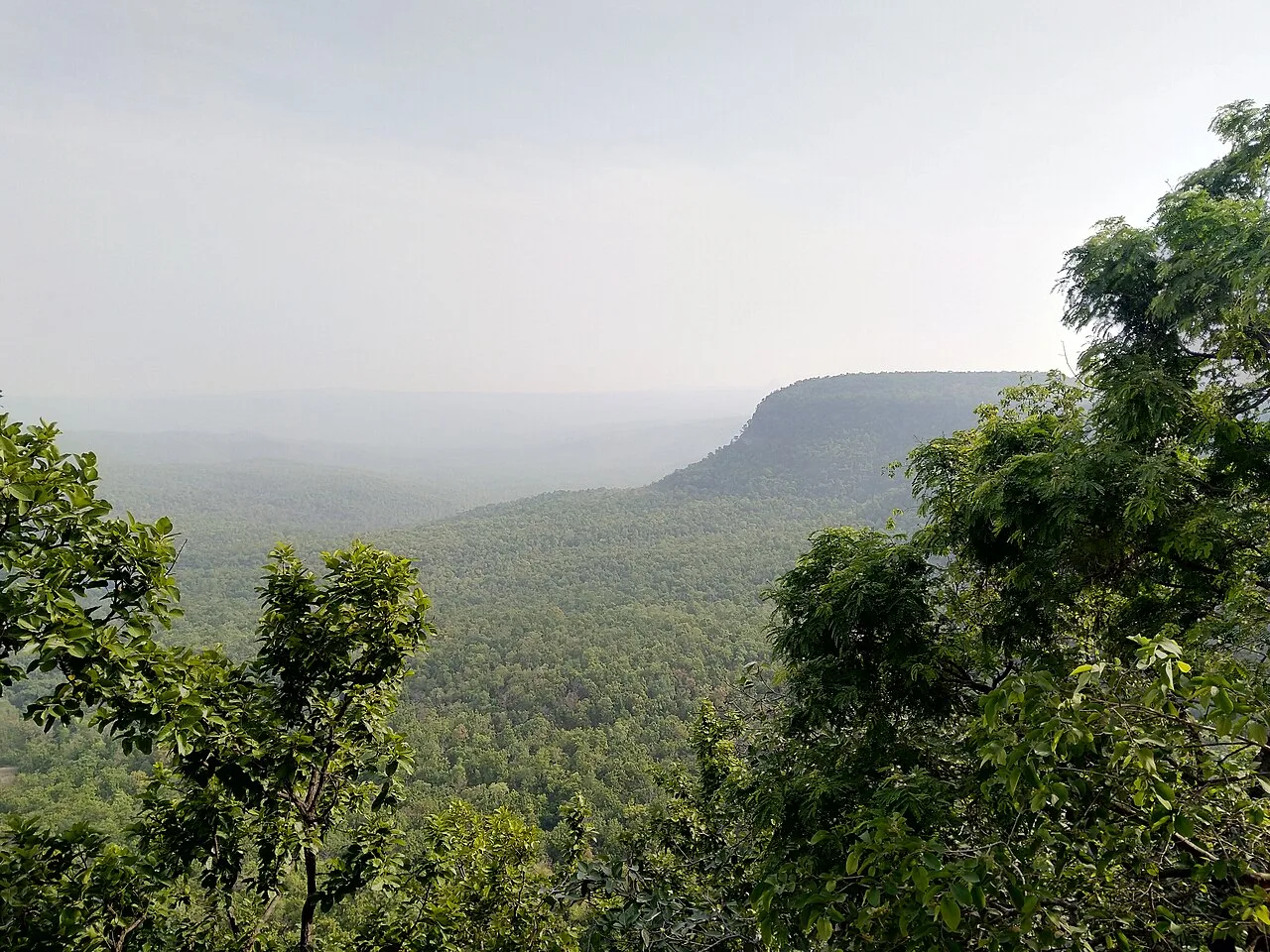
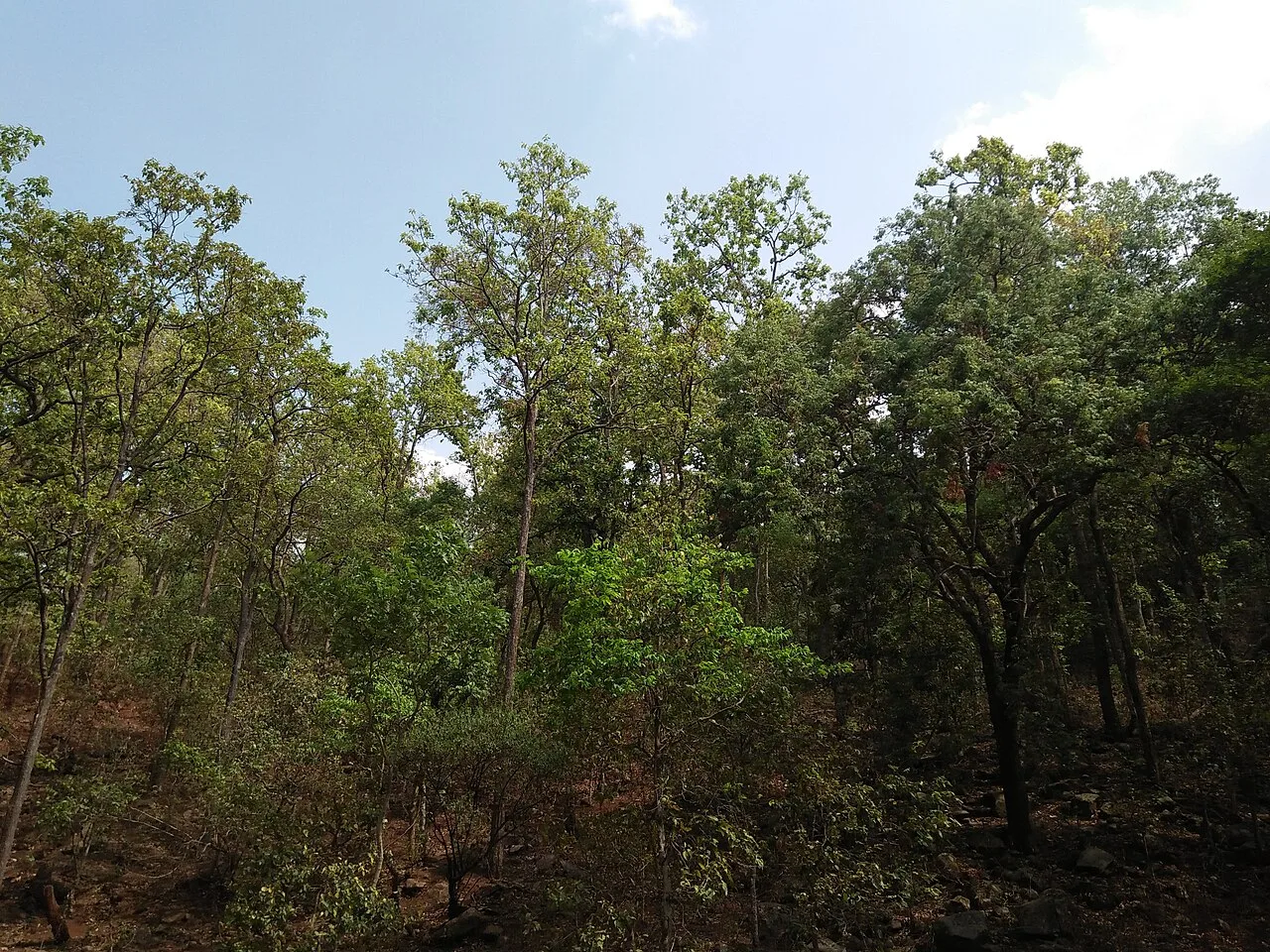
Achanakmar is a protected forest area and tiger reserve spanning parts of Chhattisgarh and Madhya Pradesh. Visitors come to experience its wooded hills, varied terrain and the Maniyari River.

Sirpur

85 km away · Mahasamund district

Sirpur

Sirpur, a village in Chhattisgarh’s Mahasamund district, attracts visitors to its historic group of Buddhist, Hindu and Jain temples and monasteries, built between the fifth and twelfth centuries.

88 km away · Mahasamund district

Barnawapara Wildlife Sanctuary

Barnawapara Wildlife Sanctuary, in Chhattisgarh’s Mahasamund district, is a protected area established in 1976 under the Wildlife Protection Act. Visitors come to experience a wildlife sanctuary.

Bhoramdeo Temple

96 km away · Kabirdham district

Bhoramdeo Temple

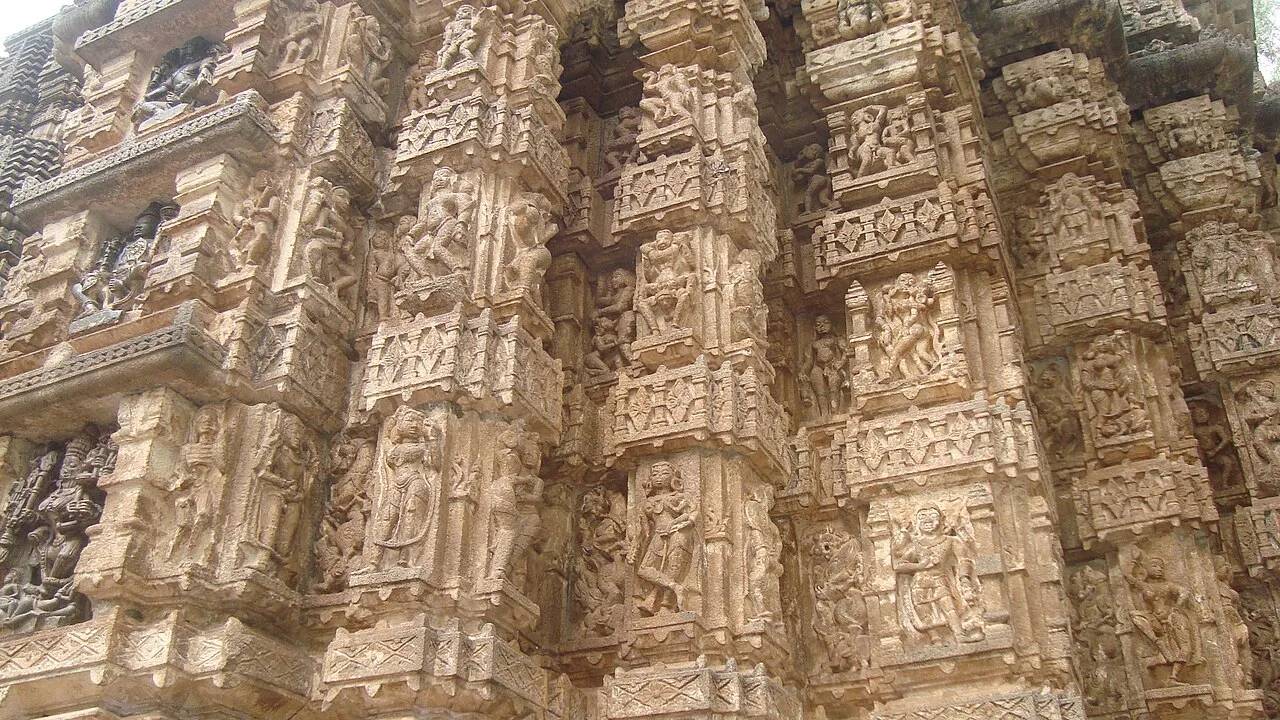
Bhoramdeo is a Shiva temple complex in Chhattisgarh, visited for its four shrines, sculptural detail and architectural links with Khajuraho and Konark.

Map

Sakri on the map

  1. 1Ratanpur
  2. 2Tala
  3. 3Malhar
  4. 4Chaiturgarh
  5. 5Achanakmar Wildlife Sanctuary
  6. 6Sirpur
  7. 7Barnawapara Wildlife Sanctuary
  8. 8Bhoramdeo Temple

Chhattisgarh

Other cities to explore