
District · Odisha
Balangir
Balangir lies in western Odisha, a region with a distinct cultural identity and strong links to the wider landscape of the Gandhamardan hills.
Balangir district lies in western Odisha, where open agricultural plains meet wooded uplands and the Gandhamardan hills. Its landscape includes seasonal streams and rural settlements, with the hills providing a striking setting for Harisankar Temple. The district’s history is visible at sites such as Ranipur Jharial, known for its Chausathi Yogini temple and other historic remains. Balangir was also the centre of the former princely state of Patna, a legacy reflected in the region’s old temples and local heritage. Today, the district combines pilgrimage, archaeology and village life, and offers a quieter view of western Odisha beyond the state’s better-known coastal destinations.
Balangir lies in western Odisha, a region with a distinct cultural identity and strong links to the wider landscape of the Gandhamardan hills. It is best known to visitors for its temples and archaeological heritage, especially Chausathi Yogini at Ranipur Jharial and Harisankar Temple. The district offers a mix of spiritual sites, early medieval architecture and rural journeys rather than a concentrated city sightseeing circuit. Balangir town is a practical gateway, while smaller towns and villages provide access to the district’s dispersed attractions. The published destinations here are a starting point, not a complete record of local places.
The Balangir region formed part of Dakshina Kosala, an early historic cultural region of central India, and its archaeological remains reflect longstanding religious traditions. Ranipur Jharial is an important early medieval temple complex, with the Chausathi Yogini shrine among its notable structures. The region later became associated with the Patna princely state, ruled by the Chauhan dynasty from the medieval period. Patna State was one of the princely states of western Odisha during British rule; it retained its ruler while coming under British paramountcy rather than being administered as an ordinary British district. After independence, the princely state merged with Odisha in 1948. Balangir district was constituted in 1949 as Odisha reorganised its administration. Its temples, settlements and cultural practices reflect these layers of regional history, although the surviving monuments represent only part of the area’s past.
2 destination guides
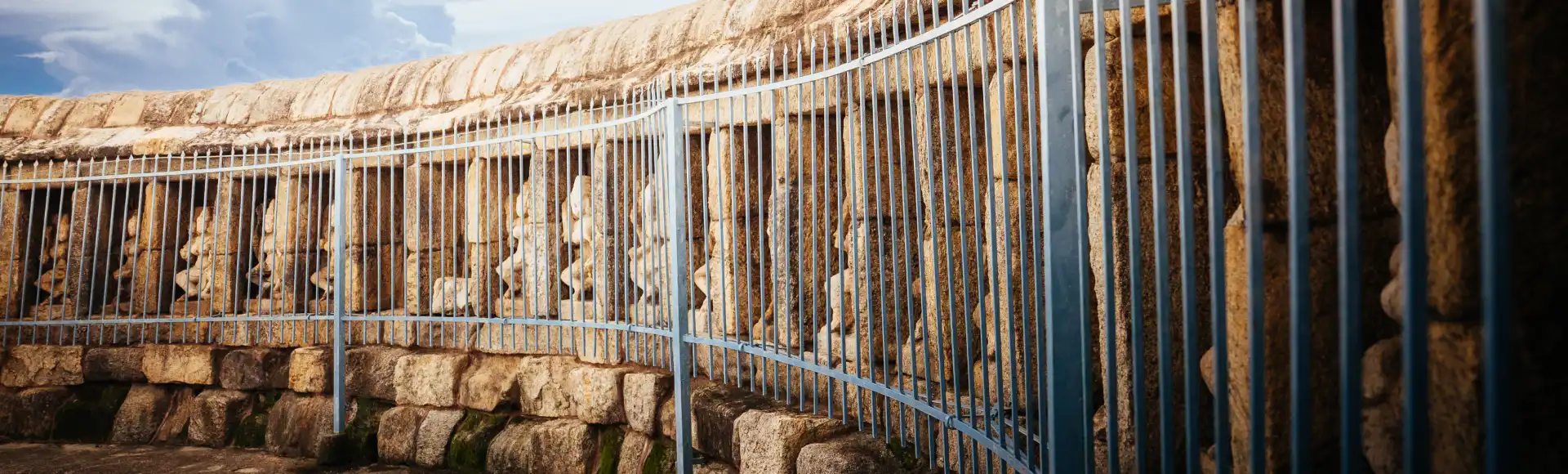
Chausathi Yogini, Ranipur Jharial
Ranipur Jharial, near Patnagarh in Balangir district, is an archaeological and religious complex in Odisha. Visitors come to see its circular 64 Yogini shrine, old temples and carved stonework.
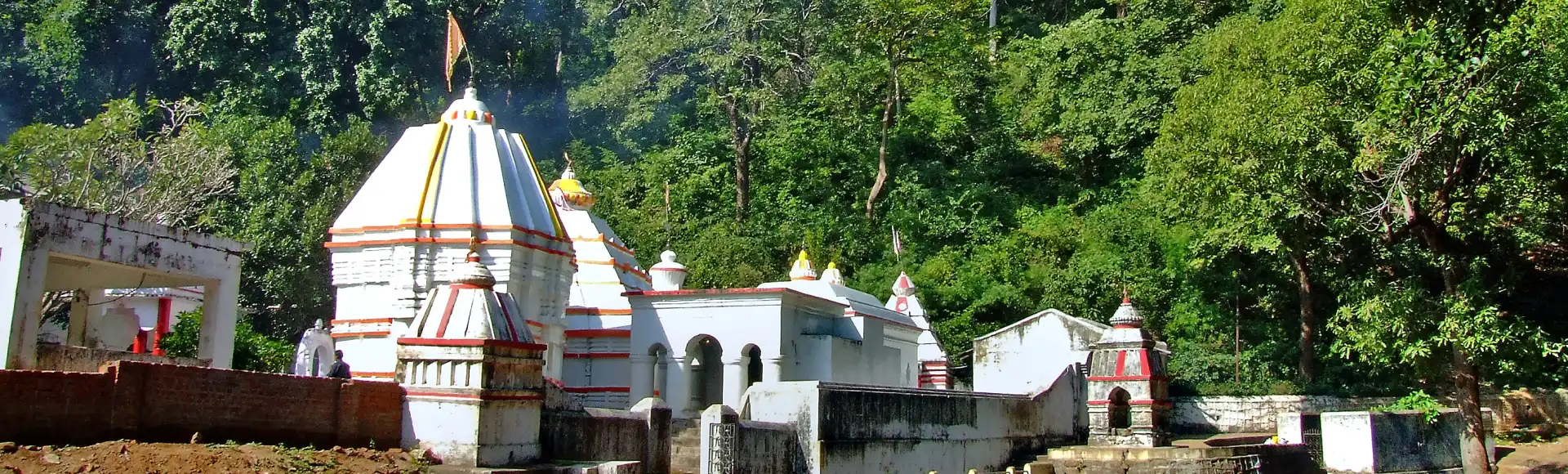
Harisankar Temple
Harisankar is a shrine to Shiva and Vishnu in Khaprakhol, Balangir district, Odisha. Visitors come for worship, the year-round waterfall, forest scenery and trekking paths in the Gandhamardan hills.
Rice is central to everyday meals in Balangir and the wider western Odisha region, commonly served with dal, vegetables and seasonal preparations. Dalma, a lentil-and-vegetable dish, is associated with Odisha more broadly, while pakhala—fermented rice served with accompaniments—is enjoyed in parts of the state, especially in warmer months. Millet foods are also part of some local and regional diets. Odisha sweets such as chhena poda and pitha varieties may be available, though menus differ by place and season. At smaller towns and remote attractions, ask what is freshly prepared rather than expecting a particular dish.
Balangir is part of western Odisha’s wider handloom region, where Sambalpuri ikat, also called Bandha, is an important weaving tradition. In this technique, threads are tied and dyed before weaving to form patterned designs. The style is associated with the region rather than exclusive to Balangir, and the selection available locally can vary. Other craft practices, including metalwork and clay work, are found across parts of Odisha, but availability and attribution differ from place to place. When buying textiles, ask about the weaving technique and origin.
Nuakhai, the harvest festival celebrated across western Odisha, is usually observed in the late monsoon or early autumn and brings families together. Towns and villages may be busier during this period, so visitors should arrange rooms ahead where possible. Durga Puja, Diwali and Rath Yatra are also observed locally, with celebrations varying by community. Temple events and fairs in the region can draw larger crowds, particularly around major religious occasions. Festival dates follow local calendars and change from year to year; check locally before planning a visit around a specific event.
Elsewhere in Odisha
Balangir is an inland district of western Odisha with undulating plains, low hills, agricultural land and patches of forest. The Gandhamardan hills shape the setting around Harisankar, where slopes, streams and wooded surroundings are part of the visit. The Tel River and smaller seasonal watercourses are features of the wider landscape. Settlements and attractions are spread across the district, so road journeys are an important part of exploring it. Rural approaches may be slower than travel between larger towns, especially during the monsoon.
The district has hot summers, a monsoon season and generally milder, drier winters. Summer travel can be tiring in the middle of the day, so plan outdoor visits for cooler hours and carry water and sun protection. Monsoon rains bring greener scenery but can make rural roads, steps and paths slippery or difficult. The cooler months, broadly from November to February, are usually the most comfortable for temple visits and road travel. Pack light clothing for warm days, a warmer layer for winter evenings, comfortable walking shoes and rain protection if travelling during the wet season.
Balangir Junction serves the district by rail and is a practical arrival point for journeys by train. For air travel, Veer Surendra Sai Airport at Jharsuguda is one regional option; compare connections and onward road travel before choosing an airport. Roads link Balangir with nearby towns, including Patnagarh, and with the wider regional network. Buses connect the district headquarters with other towns, while autos, shared vehicles and hired cars can help with local journeys. For places such as Harisankar or Ranipur Jharial, arrange onward transport in advance rather than relying on frequent services at the site. Check current services locally.
Balangir town is the main base for road and rail connections, while Patnagarh and Titlagarh are useful regional towns. Local buses serve many town-to-town routes, but service to smaller villages and the final approach to individual sites may be limited. Shared jeeps and autos can be useful locally where available; for a flexible visit to both destinations, arrange a taxi or local vehicle in advance. Roads link the main towns, but rural stretches can be slow, particularly in wet weather. There are no boat journeys needed for the listed attractions.
2 days: Balangir → Harisankar Temple (night: Balangir) → Chausathi Yogini, Ranipur Jharial (finish in Patnagarh or Titlagarh). 3 days: Balangir → Harisankar Temple (night 1: Balangir) → Chausathi Yogini, Ranipur Jharial (night 2: Patnagarh or Titlagarh) → return to Balangir.
Balangir town is the most practical base for rail connections and a broader choice of hotels, guesthouses and simple lodges. Patnagarh or Titlagarh can suit travellers visiting Ranipur Jharial, though room choices may be more limited than in the district headquarters. Near the rural temple sites, do not assume that accommodation will be available on arrival; plan an overnight stop in a town. Dharamshalas may be found in some town or temple settings, but facilities and access vary. Confirm lodging availability before setting out.
Wear sturdy footwear at temple sites and take care on uneven stone, steps and paths, especially after rain. Summer heat calls for water, shade and sun protection; during the monsoon, allow extra time for wet or damaged rural roads. Use treated or sealed drinking water and take ordinary food and medication precautions. Mobile coverage can be inconsistent outside towns, so arrange transport and check directions before leaving. Avoid entering forested areas or approaching wildlife. No special visitor permit is generally known to be required for the listed sites, but confirm current access rules with official local authorities before travel.
- Raigarh · Chhattisgarhabout 106 km
- Mahasamund · Chhattisgarhabout 108 km
- Bargarhabout 112 km
- Janjgir-Champa · Chhattisgarhabout 115 km
- Gariaband · Chhattisgarhabout 115 km
- Sambalpurabout 140 km
- Dhamtari · Chhattisgarhabout 140 km
- Rayagadaabout 144 km
Straight-line distance between the centres of each district's destinations; road distance is longer.
Q: How many days should I spend in Balangir? A: Two days can cover the two listed destinations with road travel; three days allow a less hurried pace and more flexibility. Q: When is the best time to visit? A: November to February is generally the most comfortable season. Monsoon visits are possible but may involve slower road travel. Q: What is the best base for exploring? A: Balangir town is the most practical general base; Patnagarh or Titlagarh can work for a visit to Ranipur Jharial. Q: How do I get to Balangir and travel around? A: Balangir is connected by rail and road. From town, use local buses where available or arrange a vehicle for the rural sites. Q: Are the sites suitable for families or elderly travellers? A: They can be visited by families, but uneven paths, steps, heat and limited nearby services may make access challenging for some elderly travellers. Check conditions and transport options in advance.
This page draws on our 2 destination guides for Balangir and is updated as our team checks it.
Be the first to share photos, stories, advice or a helpful contact for Balangir.
Loading…