
District · Odisha
Angul
Angul lies in central Odisha, where river valleys and forested country meet towns shaped by mining and industry.
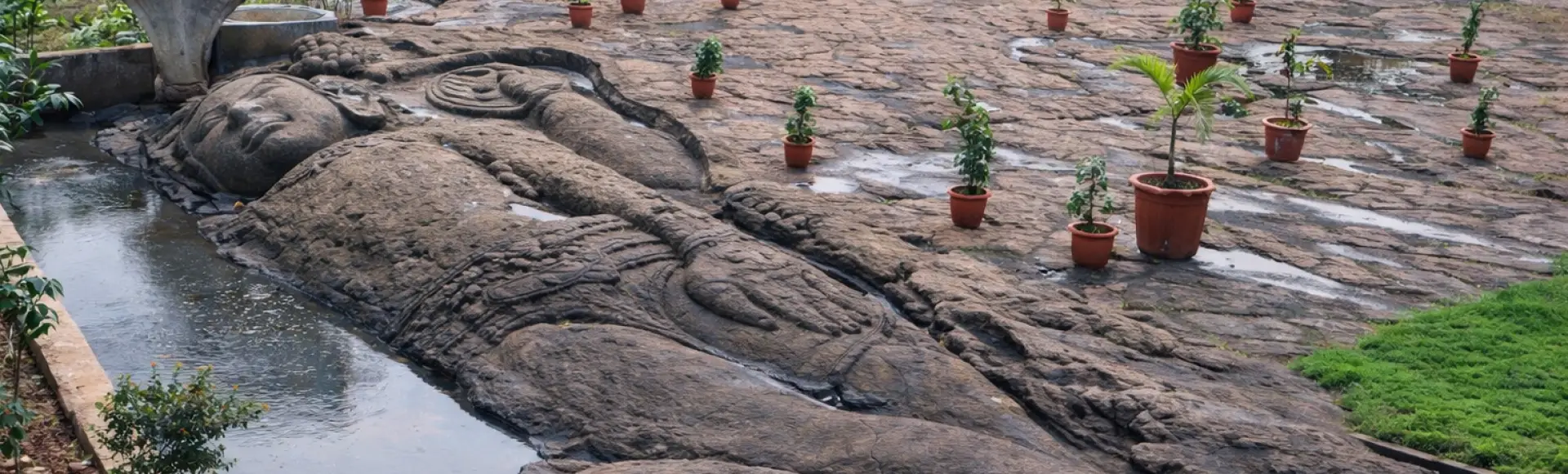
Angul, also written as Anugola, brings together river valleys, wooded hills, sacred places and busy industrial settlements in central Odisha. The Mahanadi shapes its southern wilderness around Tikarpada, a gateway to the forests and river scenery of Satkosia. Near Kaniha, Bhimkand, known as the Sleeping Vishnu, connects the Brahmani riverside landscape with religious tradition. The former princely state of Talcher is part of the district’s historical background, while coal mining and industry are prominent in its modern identity. These contrasting settings give Angul a character that is neither exclusively rural nor industrial. Angul town makes a practical base for exploring, but forest and riverside outings need advance planning rather than assumptions about facilities at each stop.
Angul lies in central Odisha, where river valleys and forested country meet towns shaped by mining and industry. It is best known to travellers for the Mahanadi scenery and Satkosia wilderness around Tikarpada, as well as Bhimkand’s rock-cut image of the Sleeping Vishnu beside the Brahmani. The district also carries the history of the former princely state of Talcher and a prominent modern coal and industrial economy. Angul town is a practical starting point, but the district’s appeal lies in contrasting places rather than one compact sightseeing centre. Visits to riverside and forest locations benefit from advance transport planning.
The area’s political history is associated with the former princely state of Angul and the neighbouring princely state of Talcher. British control of Angul followed conflict with its ruler in 1848, after which the territory entered changing colonial administrative arrangements in Odisha. Talcher remained a princely state under British paramountcy and joined Odisha after independence, in 1948, as the princely states of the region were integrated into the new state. The wider region’s history is also reflected in religious sites such as Bhimkand, where a large image of Vishnu carved on rock is associated with local tradition; interpretations of its age and origins should be treated cautiously. After independence, Angul was administered within the larger Dhenkanal district. The present Angul district was created on 1 April 1993, when it was separated from the then Dhenkanal district. In recent decades, coal mining and large industrial projects have become important parts of the district’s economy and identity.
2 destination guides · 1 on the map
Bhimkand (Sleeping Vishnu)
Bhimkand is a natural rock site in Odisha, known for a reclining image of Lord Vishnu more than 41 feet long. Visitors come for its religious associations, scenery and Mahabharata-linked local lore.
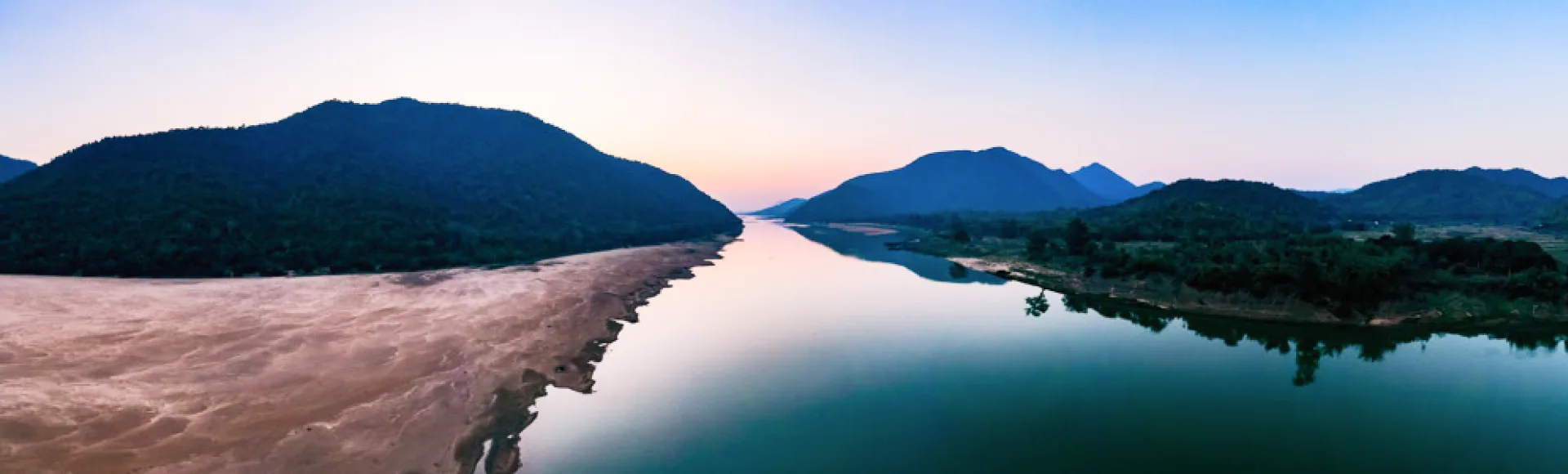
Tikarpada Wildlife Sanctuary
Tikarpada Wildlife Sanctuary lies beside the Mahanadi in Odisha’s Anugola district. Visitors explore its Satkosia Gorge, forest and river habitats through boating, trekking and birdwatching.
Food in Angul broadly reflects Odisha’s rice-centred cooking traditions rather than a separate, clearly defined district cuisine. Rice with dal, seasonal vegetables and dalma, a preparation combining lentils and vegetables, makes a useful starting point. Pakhala, rice served with water and accompanying dishes, is a familiar regional food, especially in hot weather. Chhena poda is a well-known Odia sweet, though availability depends on the shop. Plan meals around Angul town or your accommodation before visiting Bhimkand or Tikarpada; remote stops may have limited choices. Ask what is freshly cooked, choose clean, busy establishments and explain dietary restrictions before ordering.
Angul is best approached within Odisha’s wider craft landscape, without assuming that every celebrated Odia tradition is produced locally. The state is known for bandha, or ikat, textiles, including weaving traditions associated with western Odisha; pattachitra painting and Pipili’s appliqué work are other important regional arts. These should not be presented as crafts unique to Angul. When browsing local markets or shops, ask where an item was made and whether it is handmade. Established handloom and handicraft outlets can help distinguish artisan work from factory-made souvenirs, although stock varies.
Talcher’s Ganesh Puja is a prominent local celebration, usually held around the Ganesh Chaturthi season in late summer or early autumn. It can draw large crowds and make rooms in Talcher busier, so book ahead where possible. Durga Puja is observed in Angul and other towns in autumn, while agricultural and household festivals such as Raja and Nuakhai are celebrated in parts of the district and wider region; practices vary between communities. Festival processions and gatherings may slow town traffic and increase demand for local transport and accommodation.
Elsewhere in Odisha
Angul is inland, with no coastline. Its terrain includes settled valleys, wooded uplands and river country, with the Mahanadi cutting through the Satkosia gorge in the south and the Brahmani flowing through the district’s eastern areas. Forest and wildlife landscapes around Tikarpada contrast with the built-up mining and industrial zones near Angul and Talcher. River crossings, winding roads and stretches with limited services make journeys to remote sites slower and less predictable than travel between the main towns. Plan transport and return journeys before setting out.
Angul has hot summers, a monsoon season with periods of heavy rain, and generally milder, drier winter weather. For outdoor visits to Bhimkand and Tikarpada, the cooler months from roughly November to February are often the most comfortable. The monsoon brings greener landscapes but can affect road conditions, river access and outdoor plans; check local conditions before travelling. Summer heat can make midday sightseeing tiring, so carry water, sun protection and light clothing. Pack a light layer for winter mornings and evenings, and rain protection if travelling during the monsoon or its shoulder months.
Angul railway station, also referred to as Anugola, is a useful rail arrival point for the district. Biju Patnaik International Airport in Bhubaneswar is the principal airport option, followed by an onward road journey. Angul has road connections with Bhubaneswar, Cuttack and neighbouring towns, with buses and hired vehicles offering onward travel options. Use Angul town as a practical base and arrange a taxi or other suitable local vehicle for Bhimkand and Tikarpada. Do not assume regular transport or an easy return connection from remote riverside and forest locations. Check current services locally.
Angul town and Talcher are connected by roads and have local bus, auto-rickshaw and shared-vehicle options, though services and availability vary. Buses or shared vehicles may be useful between larger settlements, but they should not be relied on for a convenient return from remote sites. A hired car or taxi arranged in advance is a practical choice for Bhimkand and Tikarpada, especially when combining them with other stops. Do not assume a boat service is available at Tikarpada or the Mahanadi; confirm current arrangements locally. Mobile connectivity and transport options may be limited away from towns.
2 days: Bhimkand, then Tikarpada Wildlife Sanctuary; sleep night one in Angul town and night two near Tikarpada if suitable accommodation is confirmed, otherwise return to Angul town. 3 days: Tikarpada Wildlife Sanctuary, then Bhimkand; sleep nights one and two in Angul town, allowing a separate day for each outing. 4 days: Bhimkand, then Tikarpada Wildlife Sanctuary; sleep nights one and two in Angul town and nights three and four in Angul town or near Tikarpada, subject to confirmed accommodation and local access.
Angul town is the most practical base for visitors who want established hotels and guesthouses, local services and day trips to Bhimkand. Talcher also has town accommodation and can suit travellers focusing on that area, though it is not one of the listed destinations. For Tikarpada, check in advance whether a lodge, nature stay or other permitted accommodation is operating and available; options may be limited compared with town stays. Homestays and dharamshalas may be found in some places, but availability and facilities vary. Confirm location, meals and transport arrangements before booking.
Carry drinking water, sun protection and any personal medicines, and avoid swimming or approaching river edges where currents, slippery banks or changing water levels may pose risks. In forest areas, follow local staff instructions, keep a safe distance from wildlife and do not walk off marked or approved routes. Monsoon rain can affect roads and rivers; check conditions before departure and avoid driving unfamiliar forest roads after dark. Connectivity may be patchy outside towns, so share your plan and arrange a return vehicle. Check current access rules and any permits for protected-area activities with official authorities before visiting; requirements can vary by activity and season.
- Nayagarhabout 50 km
- Dhenkanalabout 77 km
- Cuttackabout 103 km
- Khordhaabout 108 km
- Keonjharabout 119 km
- Kandhamalabout 122 km
- Sambalpurabout 130 km
- Puriabout 138 km
Straight-line distance between the centres of each district's destinations; road distance is longer.
Q: How many days should I spend in Angul? A: Allow two or three days for Bhimkand and Tikarpada, with extra time if you want a slower pace or need to adapt to local transport and access conditions. Q: When is the best time to visit? A: The cooler, drier months from roughly November to February are generally more comfortable for outdoor visits. Check river and road conditions in other seasons. Q: What is the best base for visiting the listed sights? A: Angul town is the most practical general base, with a wider choice of services. Confirm any overnight options near Tikarpada before planning to stay there. Q: How do I get to Angul? A: Angul railway station is a useful rail arrival point. Bhubaneswar airport is the principal air option, followed by road travel; check current services and arrange onward transport locally. Q: Are the sights suitable for families or elderly travellers? A: Angul town is convenient, but access at river and forest locations may involve uneven ground, limited facilities or longer road journeys. Check conditions and mobility needs in advance; families should supervise children near water and in wildlife areas.
This page draws on our 2 destination guides for Angul and is updated as our team checks it.
Be the first to share photos, stories, advice or a helpful contact for Angul.
Loading…