
District · Odisha
Kandhamal
Kandhamal offers a different view of Odisha from its coastal cities: a central upland district of forested hills, rural settlements and long, winding roads.
Kandhamal lies in the uplands of central Odisha, where forested hills, ridges, valleys and streams shape much of the landscape. Around Daringbadi, visitors find cooler highland scenery, coffee gardens, pine plantations and waterfalls; elsewhere, rural settlements and forested terrain give the district a quieter, less-developed character. Phulbani is its main administrative town. Kandha communities have a longstanding presence here, and Adivasi cultures and rural livelihoods are important to the district’s identity, alongside wider Odia influences. The district was formed in 1994 from the former Phulbani district. Its attractions are spread out, so allow time for road journeys and plan stops rather than treating it as a single-town destination.
Kandhamal offers a different view of Odisha from its coastal cities: a central upland district of forested hills, rural settlements and long, winding roads. It is best known to visitors for Daringbadi’s cooler highland scenery, coffee gardens and pine plantations, as well as waterfalls and the forested valley around Mandasaru. Kandha communities have a longstanding presence, and Adivasi cultures and rural livelihoods are important to the district’s identity. Phulbani is the administrative centre, while attractions are spread across the hills. Come for quiet landscapes and a slower journey, allowing time for road travel rather than expecting a compact sightseeing circuit.
Kandhamal’s history is closely tied to the Kandha communities who have long lived in its uplands, with local forms of social organisation and livelihood shaped by the hills and forests. The region’s history is not represented by a single, well-documented succession of local courts; its administration changed over time as larger political authorities extended their influence into the interior of Odisha. Under British rule, colonial officials sought greater control over the hill tracts and pursued campaigns against the practice they called “Meriah” sacrifice. These efforts met resistance; Kandha leader Chakra Bisoi is associated with opposition to British intervention during the nineteenth century. After independence, the area was administered as part of Phulbani district. In 1994, the former Phulbani district was divided and Kandhamal became a separate district. Its present identity reflects both this administrative history and the continuing importance of Adivasi communities alongside wider Odia influences.
4 destination guides
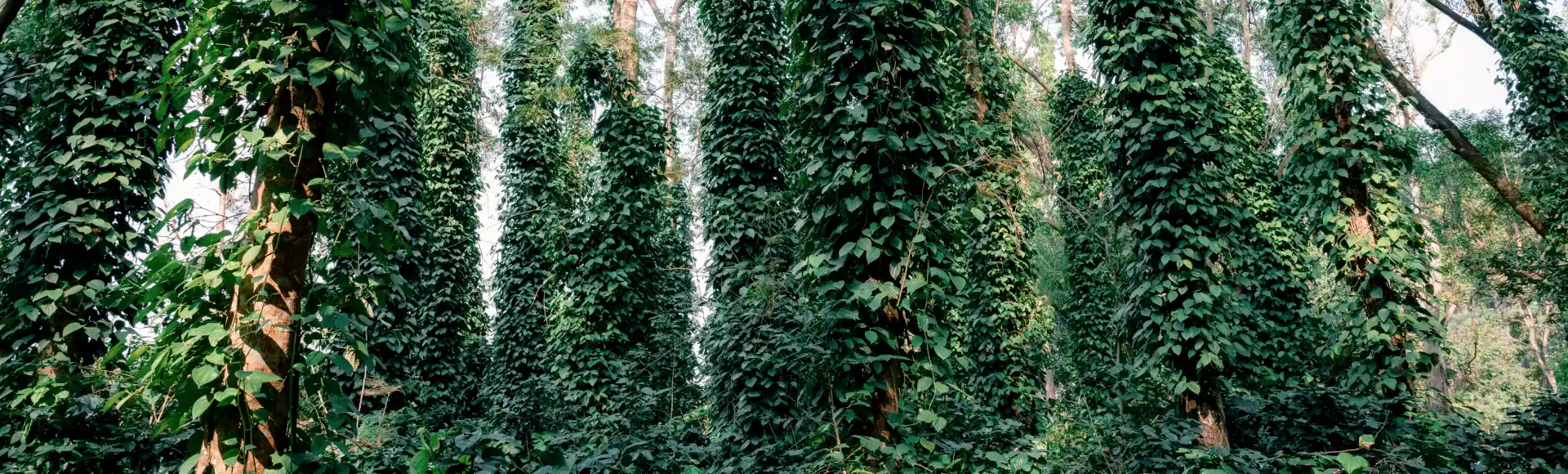
Daringbadi – Coffee Garden
Set among Daringbadi’s cool, mist-covered hills, the Coffee Garden offers visitors a chance to explore local coffee cultivation, follow its preparation from crop to cup and see other produce grown alongside it.
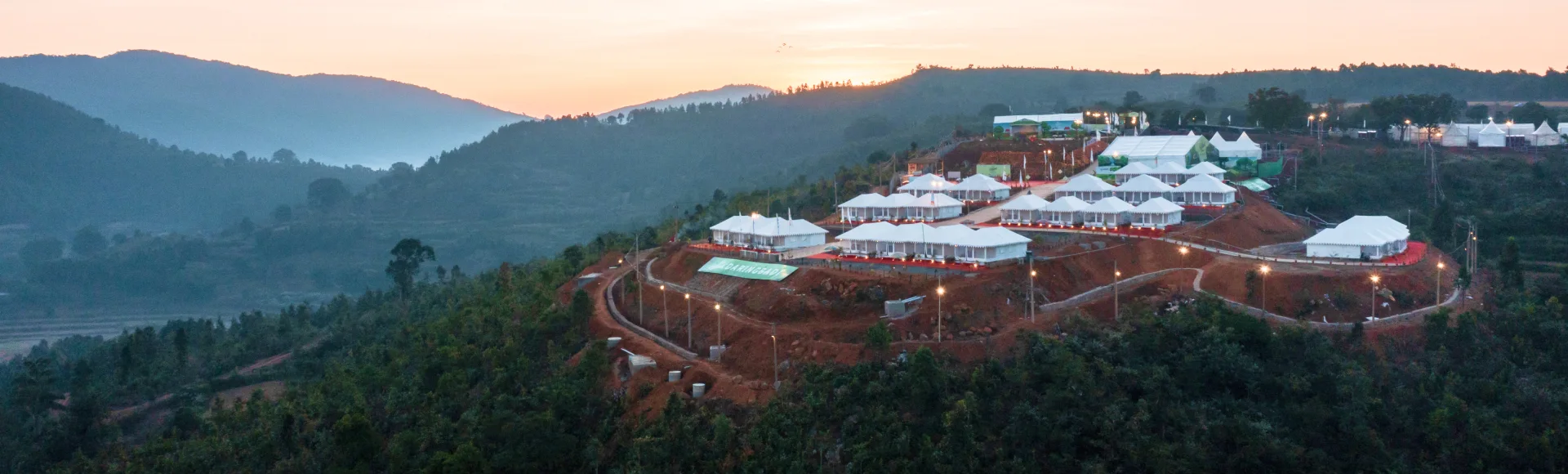
Daringbadi Hill Station
Daringbadi is an Odisha hill station known for its cool highland climate and scenery of pine woods, coffee plantations, waterfalls and misty valleys, attracting visitors in search of nature and a slower pace.
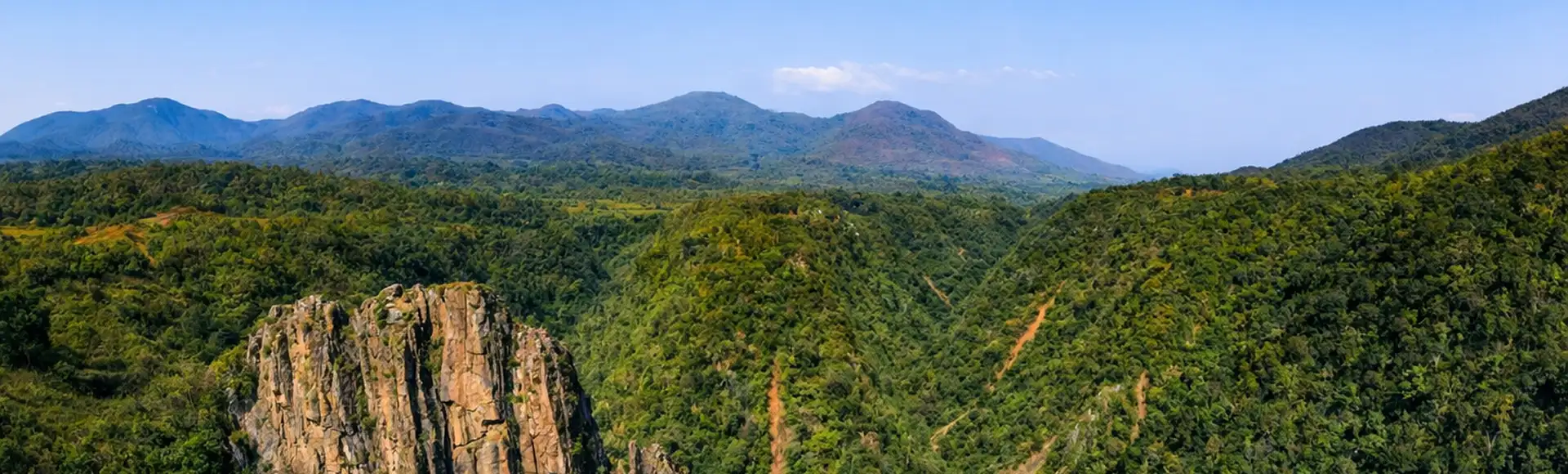
Mandasaru Valley
Set among the Eastern Ghats in Mandasaru, Kandhamala, Odisha, Mandasaru Valley attracts visitors with its streams, waterfalls, forest paths and varied natural life.
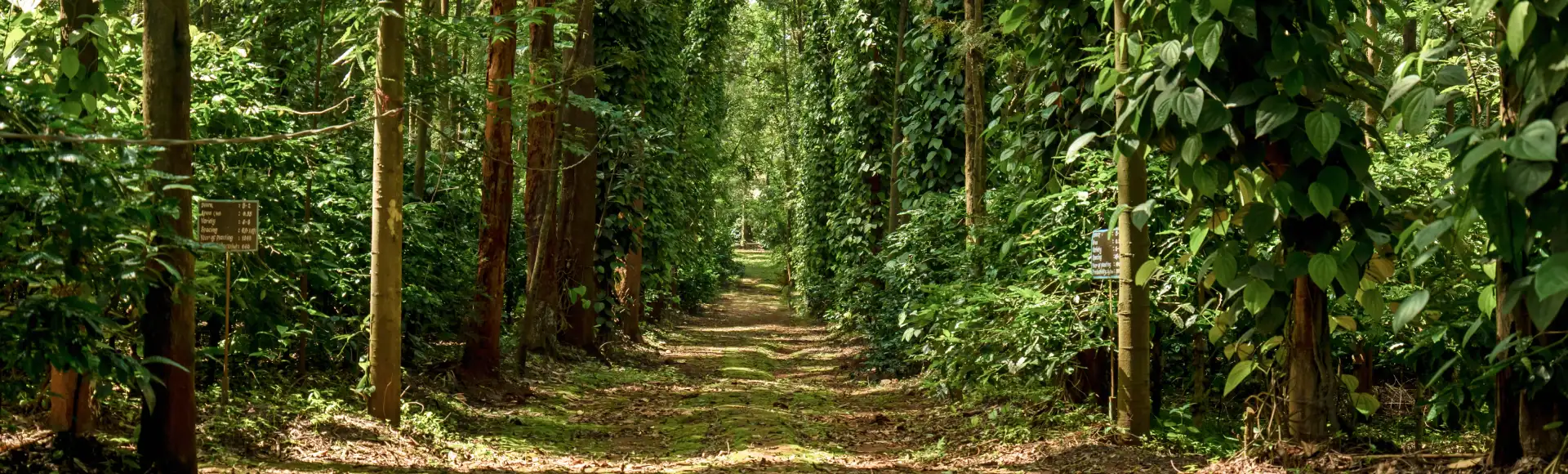
Midhubandha Waterfall
Set among forests near Daringbadi in Kandhamala, Odisha, Midhubandha Waterfall attracts visitors for its woodland scenery, walks, birdwatching, trekking and opportunities to photograph the falls.
Rice is a staple in Kandhamal, with pulses, vegetables and seasonal greens forming familiar everyday meals. Across Odisha, dalma—a preparation of lentils and vegetables—is well known, while mandia (finger millet) is also part of food traditions in parts of the state, including tribal and rural communities. Kandhamal is especially associated with its GI-tagged Kandhamal Haladi turmeric, valued as a regional crop and cooking spice. Chhena poda is a celebrated sweet of Odisha, though it is not specific to this district. In smaller settlements and near nature sites, food choices may be limited; ask what is freshly prepared and plan meals around your overnight base.
Kandhamal is not widely identified with a single signature handloom or craft tradition. Adivasi communities across Odisha maintain varied traditions of clothing, adornment and household making, while bamboo and cane utility work is found in many rural parts of the state; local availability can vary. Odisha’s better-known crafts also include ikat weaving, appliqué and palm-leaf work, but these are broader regional traditions rather than crafts to expect specifically in Kandhamal. Ask locally about makers and products, and distinguish handmade work from goods brought in from elsewhere.
Nuakhai, the harvest festival observed widely in western Odisha, is also celebrated in parts of Kandhamal, though customs vary between communities. Kandha and other Adivasi communities mark seasonal and village festivals, whose observances are often locally organised rather than large public events. Durga Puja and other Hindu festivals are observed in towns and settlements. Celebrations tend to follow the agricultural calendar or the usual festival season, so dates vary each year. Larger town events can bring more visitors and busier accommodation; during village festivals, local roads and services may be occupied. Confirm local arrangements before planning an overnight stay around an event.
Elsewhere in Odisha
Kandhamal is an inland upland district of the Eastern Ghats, with forested hills, ridges, valleys and streams rather than a coastal landscape. Daringbadi’s highland setting includes coffee gardens and pine plantations; waterfalls and the wooded Mandasaru Valley add to the district’s range of scenery. Settlements and sights are spread across hilly terrain, and roads can be winding, with journeys slower than a map may suggest. Monsoon weather can make some routes more difficult. Plan stops around road conditions and allow time between Phulbani, Daringbadi and more remote attractions.
Kandhamal has a tropical monsoon climate, but its uplands—especially around Daringbadi—can feel cooler than Odisha’s lowland towns. Summer is generally warm, while the monsoon brings rain, greener scenery and the possibility of difficult or delayed road journeys. Winter is usually the most comfortable season for exploring outdoors, with cooler evenings in the hills. October to February is generally a good period to visit, though conditions vary by year. Carry layers for evenings, comfortable shoes, sun protection and a light rain layer. In the wet season, check road conditions locally and allow flexibility in your plans.
For rail access, Brahmapur Railway Station is a commonly listed option; the nearest major airport listed for the district is Biju Patnaik International Airport in Bhubaneswar. From either, continue by road towards Phulbani or Daringbadi, choosing the route to suit your destination. Roads also connect Kandhamal with towns including Phulbani, Brahmapur and Bhubaneswar. Daringbadi and attractions such as Mandasaru Valley and Midhubandha Waterfall are separated by hilly roads, so allow time and arrange local transport in advance. Buses serve some town-to-town routes; taxis or shared vehicles may be needed for onward journeys. Check current services locally before travelling.
Road is the practical way to reach and explore Kandhamal. Phulbani is the main administrative town, and roads connect the district with towns including Brahmapur and Bhubaneswar. Local buses serve some town-to-town routes, while shared vehicles and autos may be available for shorter journeys, depending on the place and time. For Daringbadi, Mandasaru Valley and waterfalls, arrange a taxi or other local transport in advance where possible; services can be limited outside larger settlements. Hilly roads and weather can slow travel, so confirm onward transport locally and avoid relying on a tight connection.
2 days: Daringbadi Hill Station → Daringbadi – Coffee Garden → Midhubandha Waterfall. Sleep in Daringbadi. 3 days: Daringbadi Hill Station → Daringbadi – Coffee Garden → Midhubandha Waterfall → Mandasaru Valley. Sleep in Daringbadi on nights one and two. 4 days: Mandasaru Valley → Daringbadi Hill Station → Daringbadi – Coffee Garden → Midhubandha Waterfall. Sleep near Mandasaru Valley on night one if suitable accommodation is confirmed; otherwise sleep in Phulbani, then Daringbadi on nights two and three.
Daringbadi is the most practical base for its hill scenery, coffee gardens and nearby waterfall, with local hotels and some homestay-style options; confirm availability and facilities ahead of arrival. Phulbani suits travellers who want services in the administrative town or are using it as a road-journey stop. For Mandasaru Valley, check whether nearby lodging is operating and suitable before planning an overnight stay; otherwise use Phulbani or Daringbadi and allow for a longer drive. Basic lodges and dharamshalas may be found in some towns, but choices are limited in remote areas.
Hilly roads can be narrow, winding or affected by heavy rain, so travel in daylight where practical and check conditions locally before setting out. Keep water and essential medicines with you; use treated or bottled drinking water when the source is uncertain. Forest and waterfall areas may have uneven paths, slippery rocks and limited facilities; keep a safe distance from wildlife and avoid entering restricted or unfamiliar areas. Mobile coverage and roadside services can be patchy outside towns. Reserve transport in advance for remote sights. No special permit requirement for the listed attractions is assumed here; confirm any current access rules with local authorities before travel.
- Rayagadaabout 56 km
- Ganjamabout 103 km
- Gajapatiabout 109 km
- Nayagarhabout 118 km
- Angulabout 122 km
- Balangirabout 145 km
- Bargarhabout 171 km
- Srikakulam · Andhra Pradeshabout 177 km
Straight-line distance between the centres of each district's destinations; road distance is longer.
Q: How many days should I spend in Kandhamal? A: Allow at least two days for Daringbadi and nearby sights. Three or four days gives more time for Mandasaru Valley and the road journeys. Q: When is the best time to visit? A: October to February is generally comfortable for exploring. Monsoon brings lush scenery but can complicate road travel. Q: Where is the best base? A: Daringbadi is convenient for the highland sights; Phulbani is useful for town services and as a road stop. Q: How do I get to Kandhamal? A: Reach the district by road from Bhubaneswar or Brahmapur, or travel onward from Brahmapur Railway Station or Bhubaneswar airport. Confirm current connections locally. Q: Is Kandhamal suitable for families or elderly travellers? A: It can suit visitors comfortable with long road journeys. Uneven paths, hills and limited facilities at some sights may make access difficult for people with mobility needs.
This page draws on our 4 destination guides for Kandhamal and is updated as our team checks it.
Be the first to share photos, stories, advice or a helpful contact for Kandhamal.
Loading…