
District · Odisha
Khordha
Khordha brings together Odisha’s political and cultural centre, Bhubaneswar, with historic temple precincts, forested hills and access to the Chilika lagoon.
Khordha district brings together the urban and historic character of Bhubaneswar, Odisha’s capital, with quieter coastal plains, low hills and the lagoon landscape around Chilika. Bhubaneswar is known for its concentration of temples, including the historic old-city precinct, while the Udayagiri and Khandagiri caves preserve an important record of ancient Jain heritage. The district also has a place in Odisha’s political history: Khurda was the seat of a regional kingdom, and the Paika Rebellion of 1817 is associated with the area. Today, the district’s character ranges from museums and lively city neighbourhoods to wildlife and water landscapes, making it a varied base for exploring eastern Odisha.
Khordha brings together Odisha’s political and cultural centre, Bhubaneswar, with historic temple precincts, forested hills and access to the Chilika lagoon. Travellers come for the city’s Kalinga-era temples and museums, the ancient rock-cut caves at Udayagiri and Khandagiri, and the wildlife and bird habitats around Chandaka and Mangalajodi. The district also reflects Odisha’s more recent history through Khurda and the Paika resistance. Its mix of urban transport and quieter wetland and hill landscapes makes it a useful base for exploring both the state’s heritage and its coastal ecosystems.
The Khordha region has been shaped by successive powers of Odisha, including the Bhauma-Karas, Somavamsis and Eastern Gangas. Bhubaneswar’s temple landscape developed over several centuries, particularly from the early medieval period through the rule of the Eastern Gangas and Gajapatis. After the decline of the Gajapati kingdom, local rulers established the Khurda kingdom, whose influence became important in the region. The British occupied Puri in 1803 and brought Khurda under their control soon after. Resistance continued, most notably in the Paika uprising of 1817, associated with the Khurda commander Bakshi Jagabandhu. Odisha became a separate province in 1936, and Bhubaneswar became its capital after independence, with the transfer from Cuttack taking place in 1948. Khordha district was created in 1993 when the former Puri district was divided. The district today combines this history of regional kingdoms and colonial resistance with Bhubaneswar’s role as the state’s administrative centre.
18 destination guides · 16 on the map
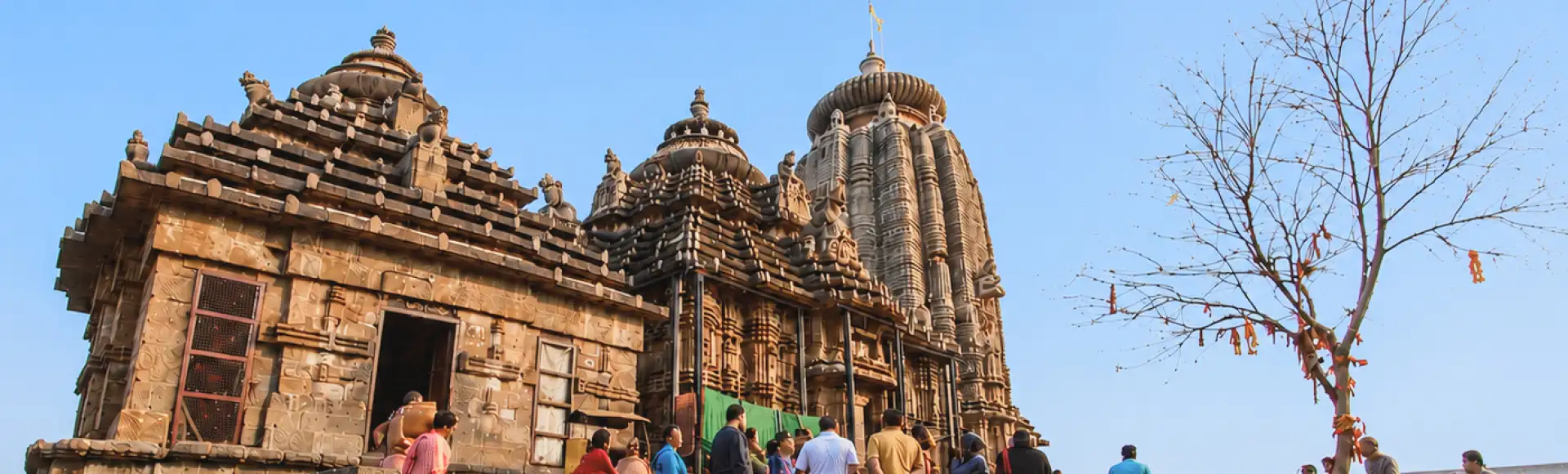
Ananta Basudeva Temple
Ananta Basudeva Temple is a Vaishnavite shrine in Bhubaneswar. Visitors come to see its Kalinga-style architecture, worship of Vishnu and related deities, and tradition of sharing Abadha.
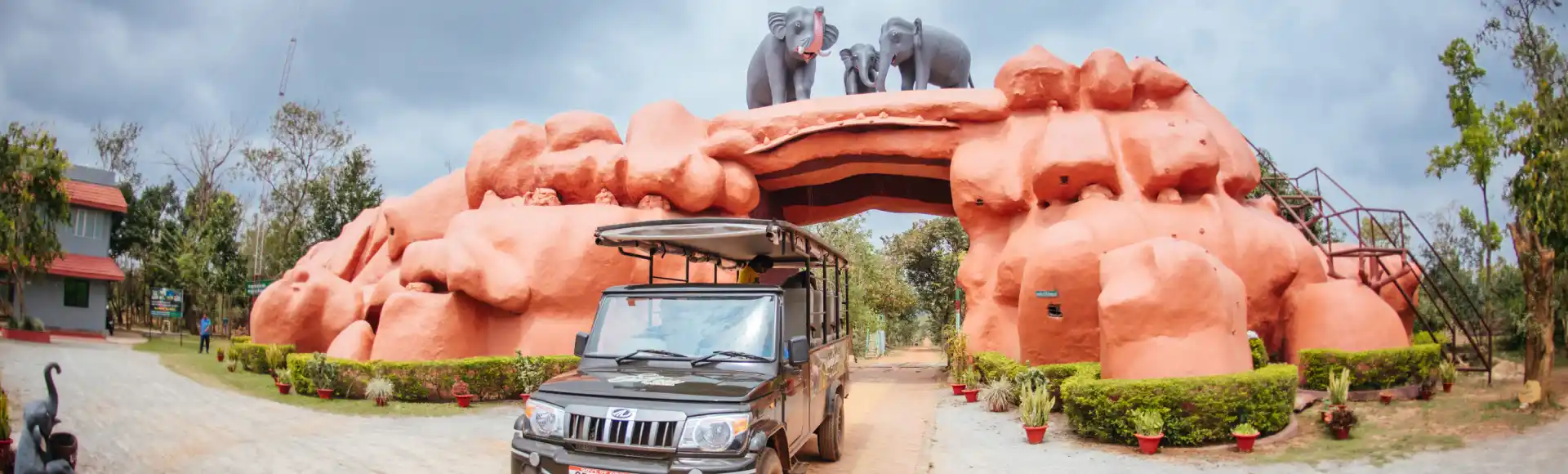
Chandaka Wildlife Sanctuary
On Bhubaneswar’s north-western edge, Chandaka Wildlife Sanctuary is a protected forest in Khordha, Odisha. Visitors come for its wildlife, safari routes, birdlife and peaceful natural setting.
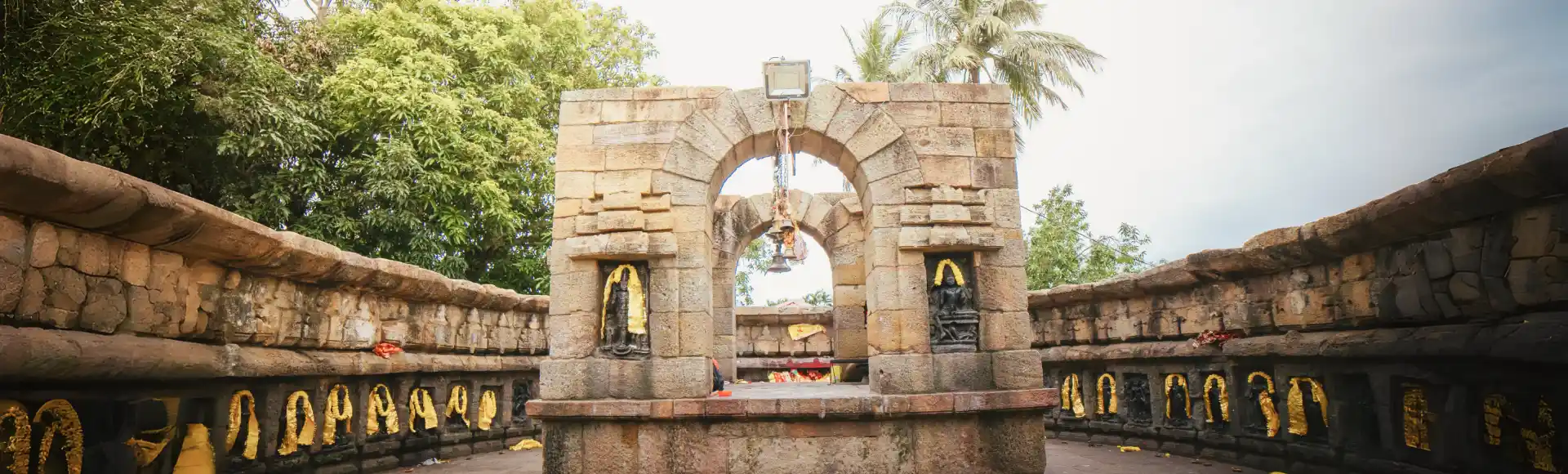
Chausathi Yogini Temple, Hirapur
Hirapur’s Chausathi Yogini Temple is a ninth-century Tantric shrine near Bhubaneswar. Visitors come to see its roofless circular design and carvings of the yoginis.
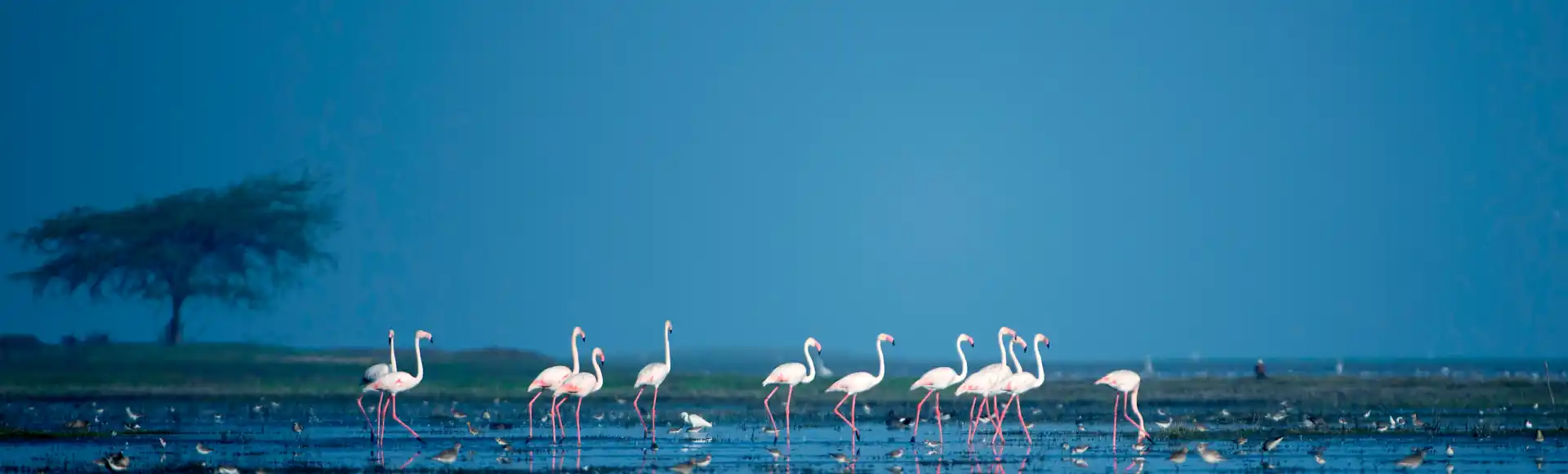
Chilika Lake
Chilika Lake, at Barkul in Odisha’s Khordha district, is a lagoon shaped by the meeting of river and sea. Visitors come for dolphins, seasonal birdlife and boat journeys.
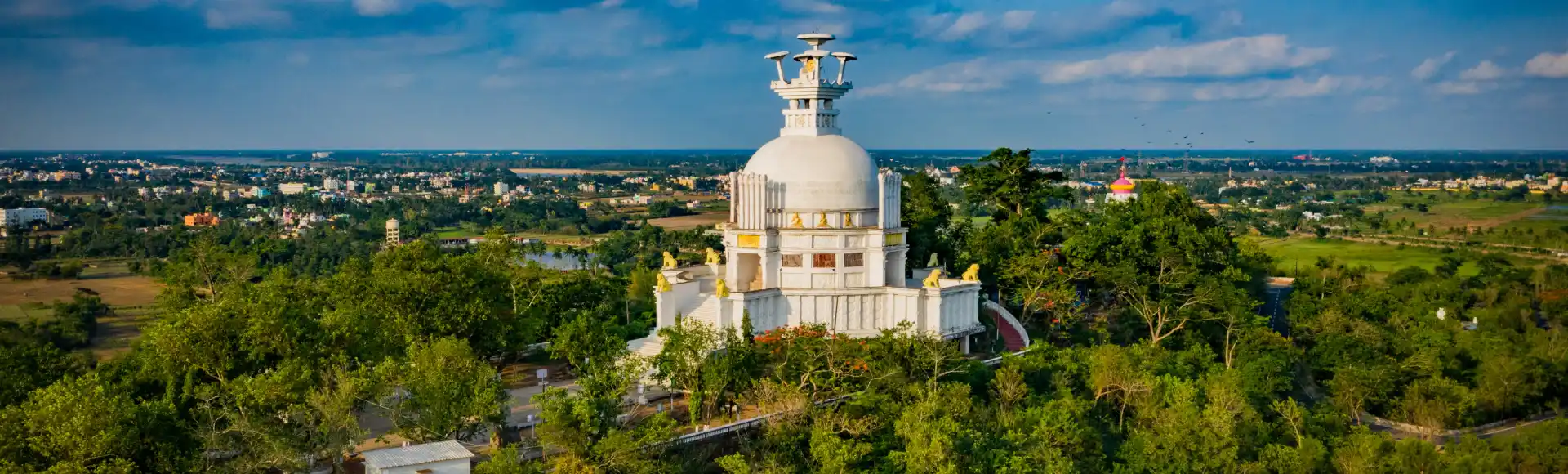
Dhauli Shanti Stupa (Dhauli Hills)
Dhauli Shanti Stupa on Dhauli Hill near Bhubaneswar is a white peace pagoda associated with the Kalinga War and Ashoka’s adoption of Buddhism; visitors come to explore this history and watch its Light and Sound Show.
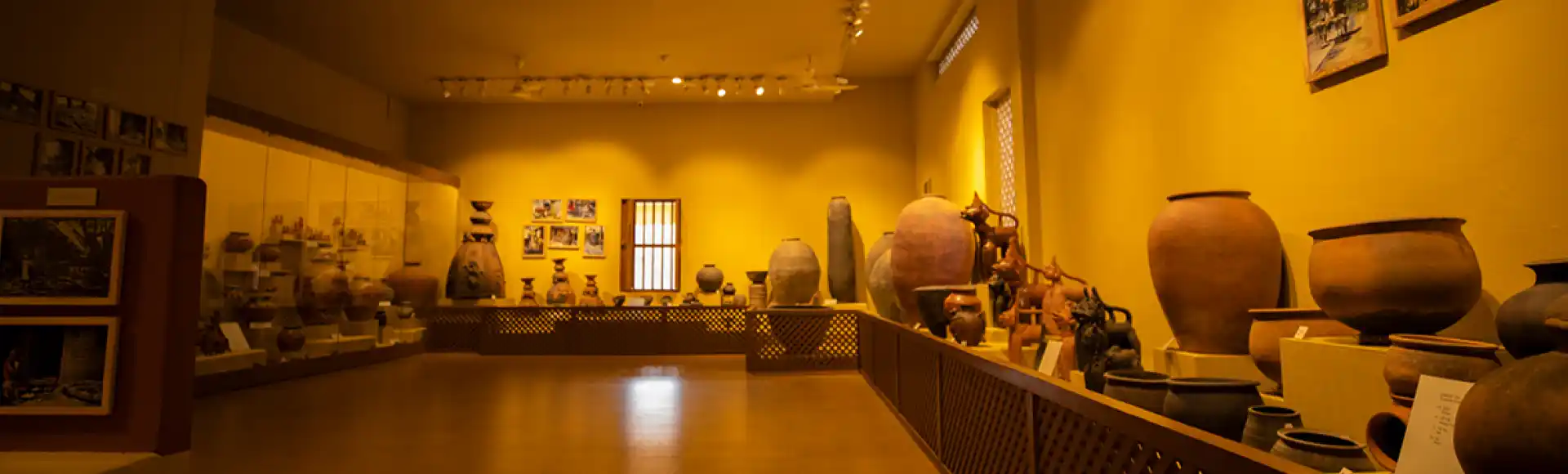
Kalabhoomi, Odisha Craft Museum
Kalabhoomi, Odisha Craft Museum, in Bhubaneswar, presents the state’s artistic traditions through craft displays, artisan demonstrations and recreated village environments that give visitors context for Odisha’s traditional forms of making.
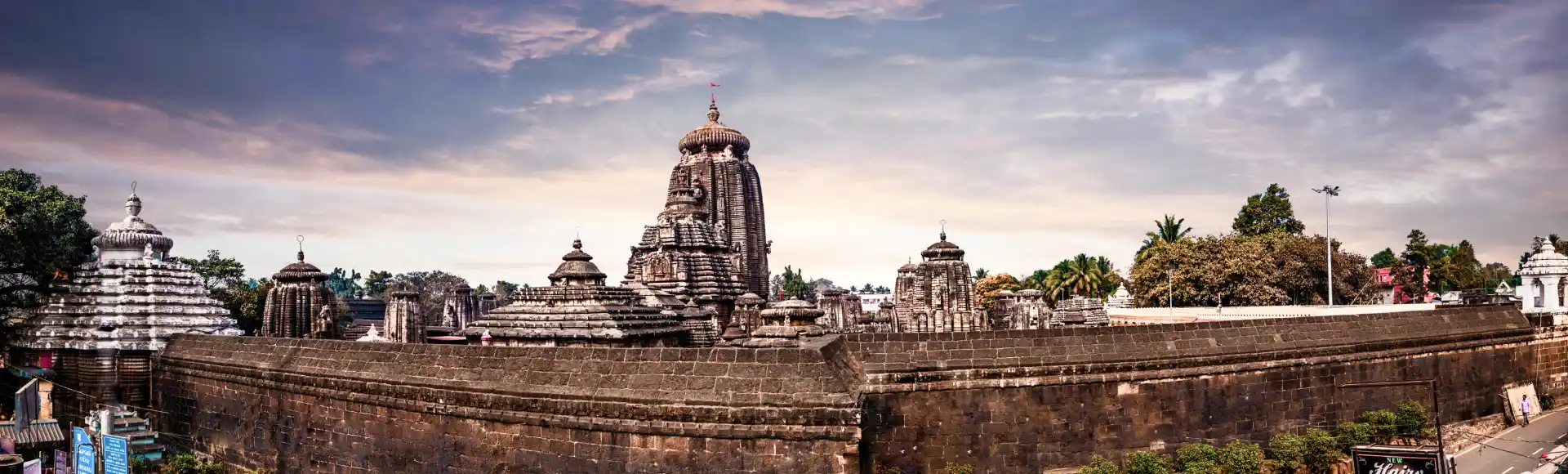
Lingaraj Temple
Lingaraj Temple is an 11th-century sandstone shrine in Bhubaneswar, valued for its Kalinga architecture and its representation of Shiva as Harihara. Visitors come to worship and experience its rituals and festivals.
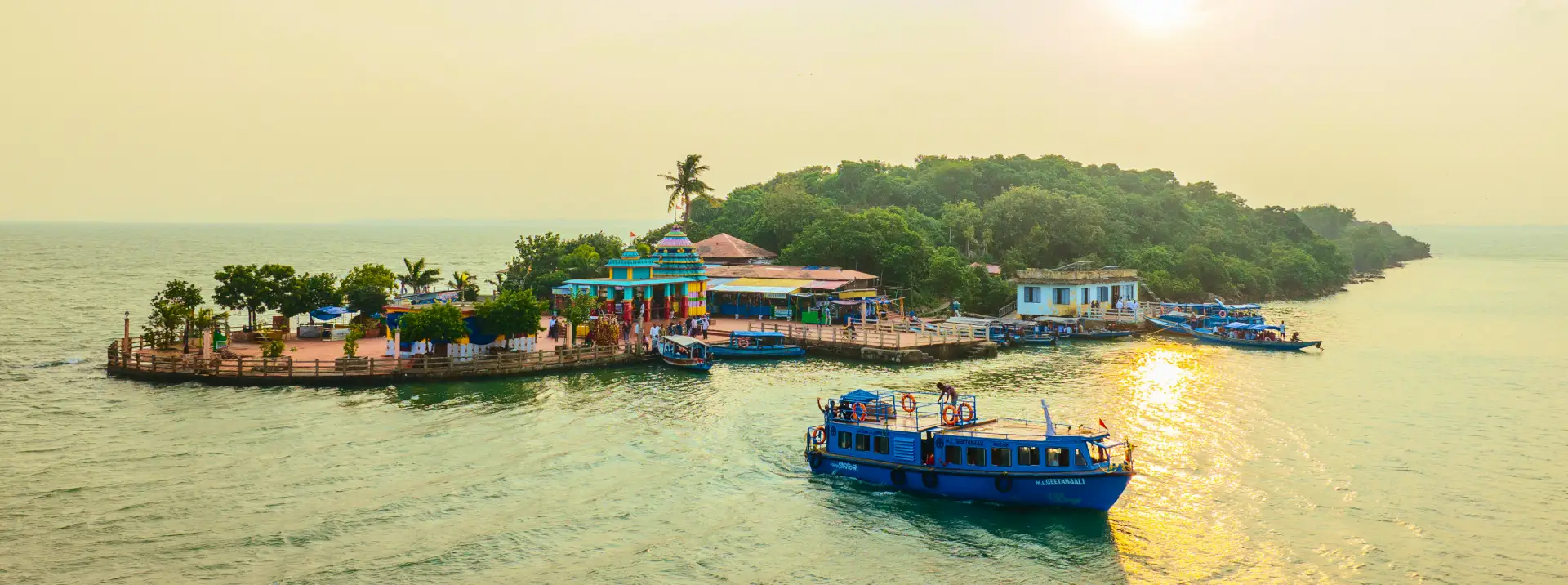
Maa Kalijai Temple
Set on an island in Chilika Lake, Maa Kalijai Temple draws worshippers, lake workers seeking blessings and devotees who attend its Makar Sankranti fair.
Mangalajodi
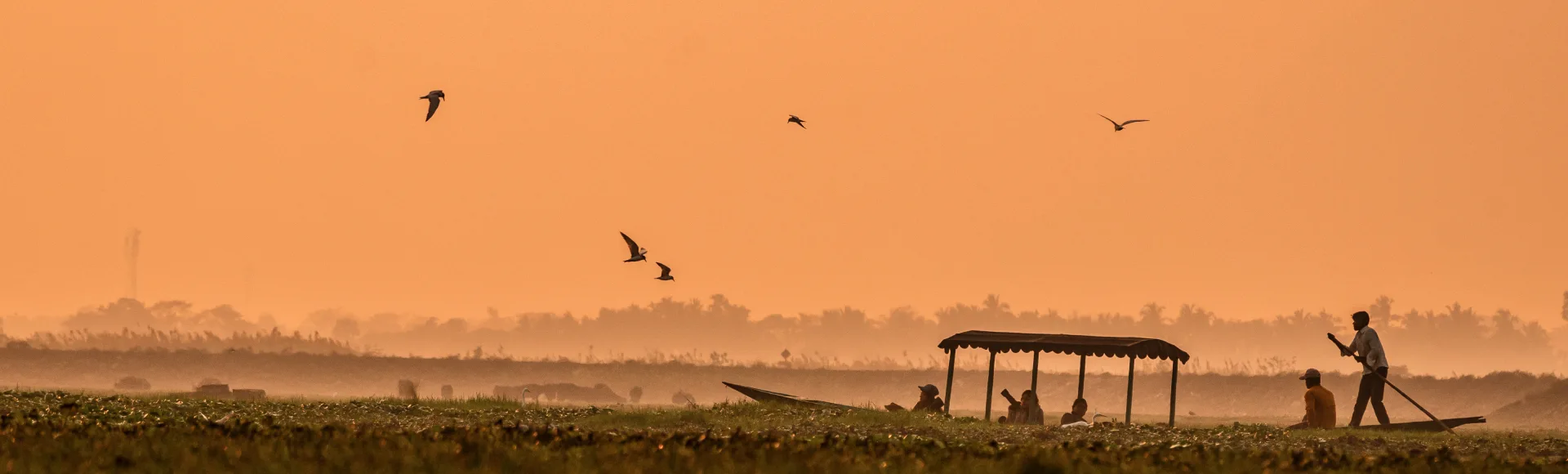
Mangalajodi is a wetland beside Chilika Lake in Odisha, known for its winter birdlife and a conservation effort that transformed former bird hunters into protectors.
Rice is central to everyday Odia meals, often served with dal, vegetable preparations and dishes such as dalma, a lentil-and-vegetable preparation found across the state. Pakhala, fermented or lightly soured rice served with accompaniments, is another regional favourite, especially in warm weather. Around Chilika, visitors may find fish and other seafood, though menus and availability vary by place and season. Sweets made with chhena, including chhena poda, are enjoyed across Odisha but are not specific to Khordha. In Bhubaneswar, the range of eateries is broader; at smaller lake-side stops, check what is freshly prepared and carry drinking water.
Bhubaneswar offers a useful introduction to Odisha’s craft traditions at Kalabhoomi, the Odisha Craft Museum, where visitors can encounter textiles, metalwork, woodwork and other regional arts. Odia ikat weaving, known for its resist-dyed patterns, is a prominent state tradition, while stone carving has a visible presence in the temple architecture of Bhubaneswar. Appliqué work associated with Pipili and silver filigree associated with Cuttack are celebrated crafts of the wider region, rather than crafts exclusive to Khordha. Shops and museum displays can help visitors distinguish locally made work from mass-produced souvenirs.
Rath Yatra celebrations are held in Bhubaneswar, including the Rukuna Rath Yatra associated with Lingaraj Temple, usually in spring. Durga Puja brings neighbourhood celebrations and heavier local traffic in autumn, while Raja, usually in June, is marked across Odisha with community gatherings and traditional activities. Religious observances and fairs at temples may also draw local visitors through the year. Festival periods can make central Bhubaneswar busier and reduce room availability, especially around major celebrations; booking ahead is sensible. Chilika’s birding season is a natural draw rather than a festival.
In this district
Khordha lies in Odisha’s coastal plain, with low hills, forest patches and wetlands shaping its varied routes. The district includes the wooded Chandaka area and the rocky hills around Dhauli and Udayagiri and Khandagiri. Rivers and waterways, including the Daya and Kuakhai, cross the wider landscape, while the district’s southern reaches provide access to the northern part of Chilika lagoon. Bhubaneswar is the main urban hub; travel to wetlands and lake settlements involves more rural roads, where journeys can be slower and conditions change with the monsoon.
Khordha has a tropical monsoon climate. Summers, roughly from March to June, are hot and humid, so plan outdoor visits for cooler parts of the day and carry water and sun protection. The monsoon, generally from June to September, brings heavy showers, lush landscapes and occasional disruption to rural roads or boat outings. Winter, from November to February, is usually the most comfortable season for temple visits, sightseeing and birding around Chilika. October and early spring can also suit travel, though conditions vary. Pack light breathable clothing, a rain layer in the wet season, and modest attire for shrines; winter mornings near the lagoon can feel cool.
Biju Patnaik International Airport is in Bhubaneswar, and Bhubaneswar railway station is the main rail gateway for the district. For Chilika-side visits, Odisha Tourism lists Balugaon railway station as the nearest station and access by road via Barkul and Balugaon. National Highway 16 connects Bhubaneswar with the wider coastal road network. Within Bhubaneswar, visitors can use taxis, auto-rickshaws and city buses; travel to outlying sites is often easier by hired car or taxi. Boat trips on Chilika depart from designated local landing points, so confirm arrangements before setting out. Check current services locally.
Bhubaneswar is the district’s main transport hub, with city buses, auto-rickshaws and app-based or hired taxis serving many urban sights. Buses and taxis connect the city with Khordha town and other settlements, while shared vehicles may be available on some rural routes but can be less predictable. A hired vehicle is often practical for combining sites such as Mangalajodi, Barkul and the city in one trip. Boat outings on Chilika are arranged locally through operators at access points and depend on weather and water conditions. Confirm the return journey before travelling to quieter areas.
2 days: Lingaraj Temple, Mukteswara Temple, Rajarani Temple, Parasurameswar Temple, Ananta Basudeva Temple, Odisha State Musuem, Kalabhoomi, Odisha Craft Museum; sleep both nights in Bhubaneswar. 3 days: Udayagiri & Khandagiri Caves, Dhauli Shanti Stupa (Dhauli Hills), Chausathi Yogini Temple, Hirapur, Nandankanan Zoological Park, Museum of Tribal Arts & Artifacts, Regional Museum of Natural History; sleep each night in Bhubaneswar. 4 days: Mangalajodi, Chilika Lake, Maa Kalijai Temple, Odi-Art Museum, Chandaka Wildlife Sanctuary; sleep first and last nights in Bhubaneswar and the middle nights near Barkul or Mangalajodi.
Bhubaneswar is the most convenient base for temples, museums, caves and Nandankanan, with a broad choice of hotels and guesthouses. Khordha town can suit travellers visiting nearby rural sites, though accommodation options are more limited. For Chilika and Mangalajodi, look for locally run guesthouses, homestays or lodges around suitable access points such as Barkul or Mangalajodi; availability and comfort can vary. Government accommodation may be available in some places, but arrangements should be checked in advance. A Bhubaneswar base works best for short stays, while a lagoon-side overnight makes a slower nature-focused circuit easier.
Carry drinking water and sun protection, and use reliable treated or bottled water where safe potable supplies are uncertain. Heat, humidity and monsoon showers can make walking and road travel tiring; check local conditions before rural trips. Use marked paths at caves, hills and wildlife areas, keep a safe distance from animals, and follow park staff instructions. On Chilika, use established boat operators, wear a life jacket and avoid setting out in poor weather. Roads outside the city may be narrow or uneven, and mobile coverage can be patchy near wetlands. Check official guidance for current access rules or any protected-area permits before visiting.
- Cuttackabout 26 km
- Dhenkanalabout 49 km
- Puriabout 49 km
- Jajpurabout 70 km
- Nayagarhabout 72 km
- Jagatsinghpurabout 87 km
- Angulabout 108 km
- Kendraparaabout 112 km
Straight-line distance between the centres of each district's destinations; road distance is longer.
Q: How many days should I spend in Khordha? A: Two or three days cover Bhubaneswar’s main heritage sights; allow four days or more to add Chilika and Mangalajodi at a relaxed pace. Q: When is the best time to visit? A: November to February is generally most comfortable for sightseeing and winter birding, though conditions vary by season. Q: Where is the best base? A: Bhubaneswar is the most practical all-round base; stay near Chilika for a slower lagoon-focused visit. Q: How do I get to Khordha district? A: Bhubaneswar is served by rail and air links, and road connections link it with towns across Odisha. From the city, continue by local bus, taxi or hired vehicle. Q: Is Khordha suitable for families or elderly travellers? A: Yes, especially with a Bhubaneswar base and a flexible itinerary. Some caves, hill paths and boat outings involve uneven footing or steps, so choose activities to suit mobility and weather.
This page draws on our 18 destination guides for Khordha and is updated as our team checks it.
Be the first to share photos, stories, advice or a helpful contact for Khordha.
Loading…