
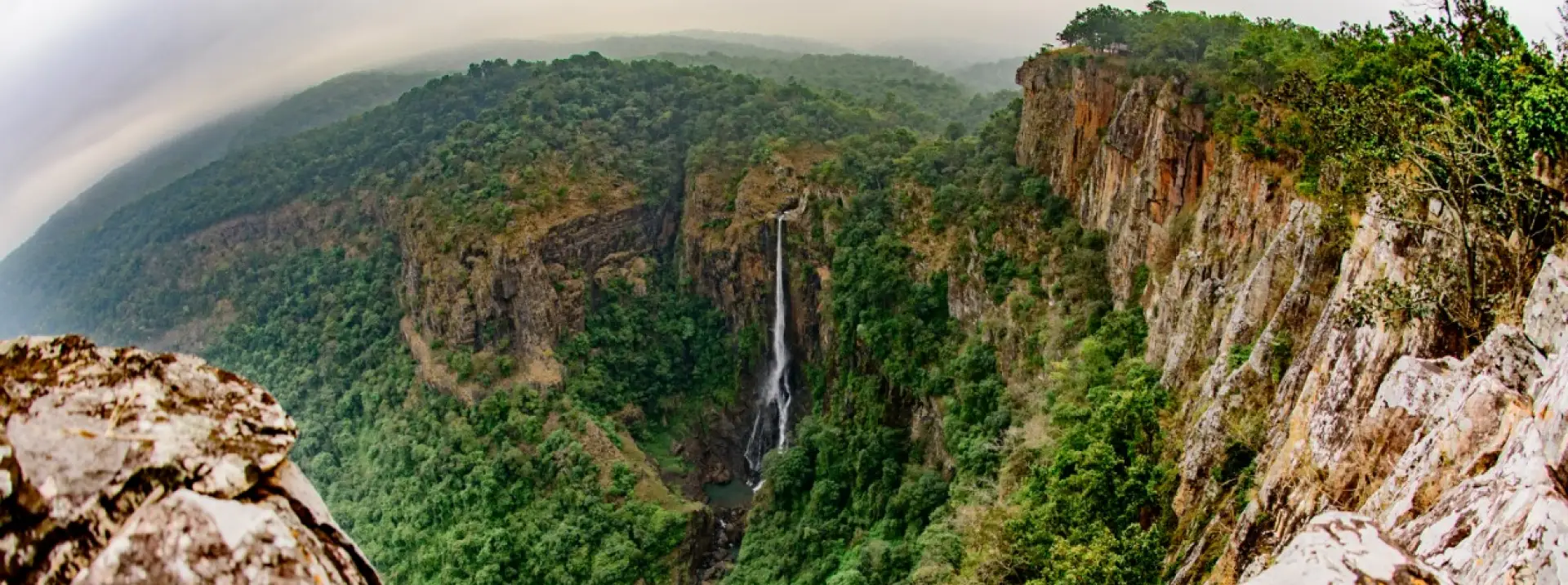
District · Odisha
Mayurbhanj
Mayurbhanj, in northern Odisha, is known for the forested hills and waterfalls of Similipal, the historic Kichakeswari Temple at Khiching, and the heritage of its former princely state.
Mayurbhanj in northern Odisha brings together forested hills, waterfalls, temple heritage and the legacy of a former princely state. Similipal anchors its landscape, with extensive woodland and striking cascades such as Barehipani and Joranda. Sitakund, near Lulung, and Devkund offer further glimpses of the district’s wooded terrain. Baripada is a useful urban base, while Belgadia Palace reflects Mayurbhanj’s royal past through its heritage architecture and hospitality. Khiching’s Kichakeswari Temple adds an important sacred and architectural dimension. The district’s character also owes much to its Adivasi communities and living performance traditions, particularly Mayurbhanj Chhau. Travel here rewards an unhurried approach, with forest excursions planned around authorised access and seasonal conditions.
Mayurbhanj, in northern Odisha, is known for the forested hills and waterfalls of Similipal, the historic Kichakeswari Temple at Khiching, and the heritage of its former princely state. Baripada offers an urban base for exploring the district, while Belgadia Palace connects royal history with contemporary heritage hospitality. The region is also home to diverse Adivasi communities and the distinctive Mayurbhanj Chhau dance tradition. Travellers come for a combination of nature, architecture and cultural life rather than a single attraction. Forest journeys require advance planning, since access and routes can depend on official rules and seasonal conditions.
Mayurbhanj’s recorded history is closely associated with the Bhanja dynasty, which ruled a princely state in the region for centuries. Khiching was an important early centre of the kingdom and is remembered for the Kichakeswari Temple and other archaeological remains. The state’s political centre later shifted, and Baripada became its capital. Its royal history is reflected in palaces, temples and local traditions, including Mayurbhanj Chhau. Under British rule, Mayurbhanj remained a princely state rather than being administered as part of British India’s provinces, though it was subject to British paramountcy. After Indian independence, the ruler agreed to the state’s merger with Odisha; it joined the province on 1 January 1949. The former princely territory became part of the modern district within Odisha. The region’s history also includes the enduring presence and cultural contributions of Adivasi communities, whose languages, festivals and performance traditions remain part of district life.
7 destination guides · 6 on the map
Barehipani Waterfall
Barehipani is a two-tier waterfall in Similipal National Park, Mayurbhanj district, Odisha. Visitors come for its great height, forest setting and views of the surrounding landscape.

Devkund Waterfall
Devkund Waterfall is a forest cascade in Mayurbhanj’s Similipal region, visited for its clear pool, woodland and birdlife, and the Maa Ambika Temple above the falls.
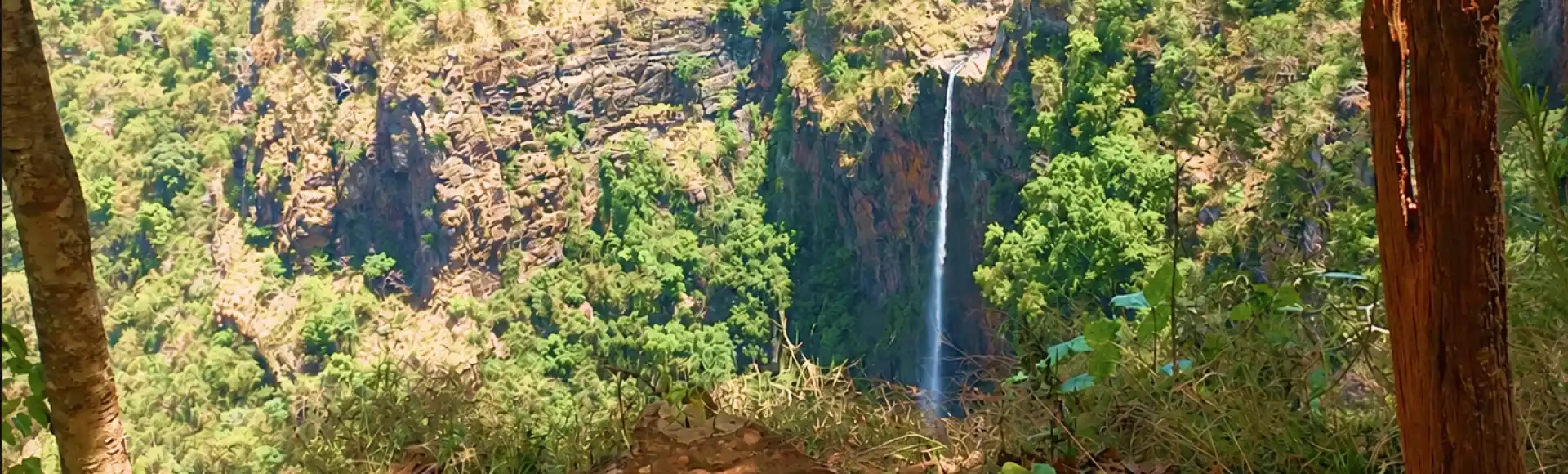
Joranda Waterfall
Joranda Waterfall is a cascade in Similipal Tiger Reserve, Odisha. Visitors come for its forest setting, nearly 150-metre drop, peaceful surroundings and opportunities to observe wildlife.
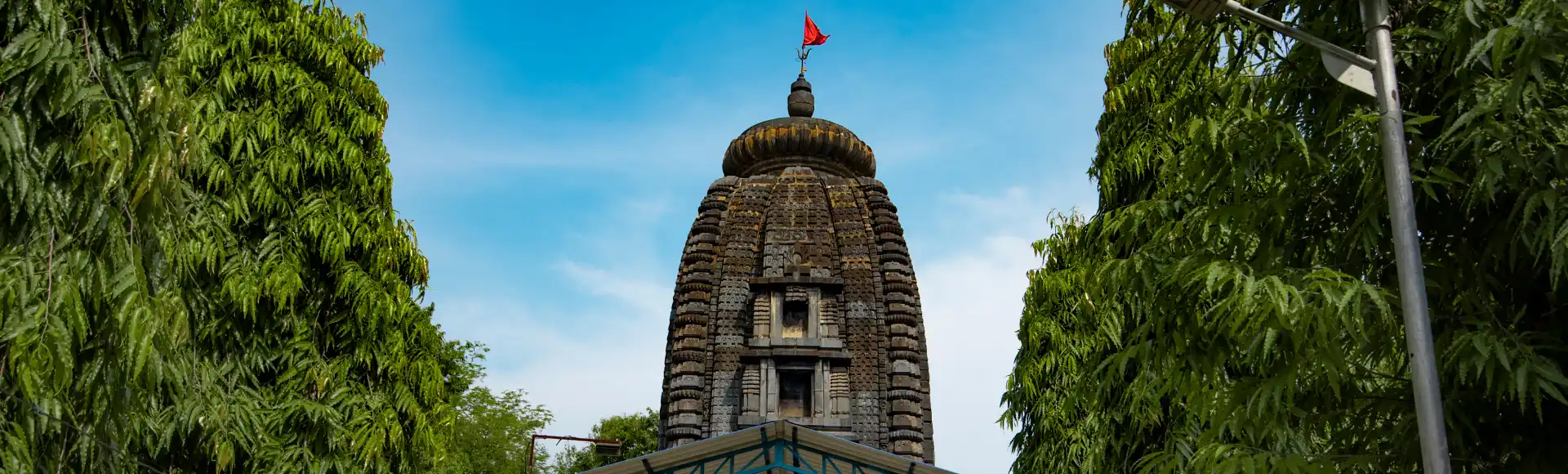
Khiching Temple (Kichakeswari Temple)
Khiching Temple, also called Kichakeswari Temple, is a historic shrine in Mayurbhanj, Odisha. Visitors come to worship the Bhanja dynasty’s goddess and see its stone carvings and heritage.
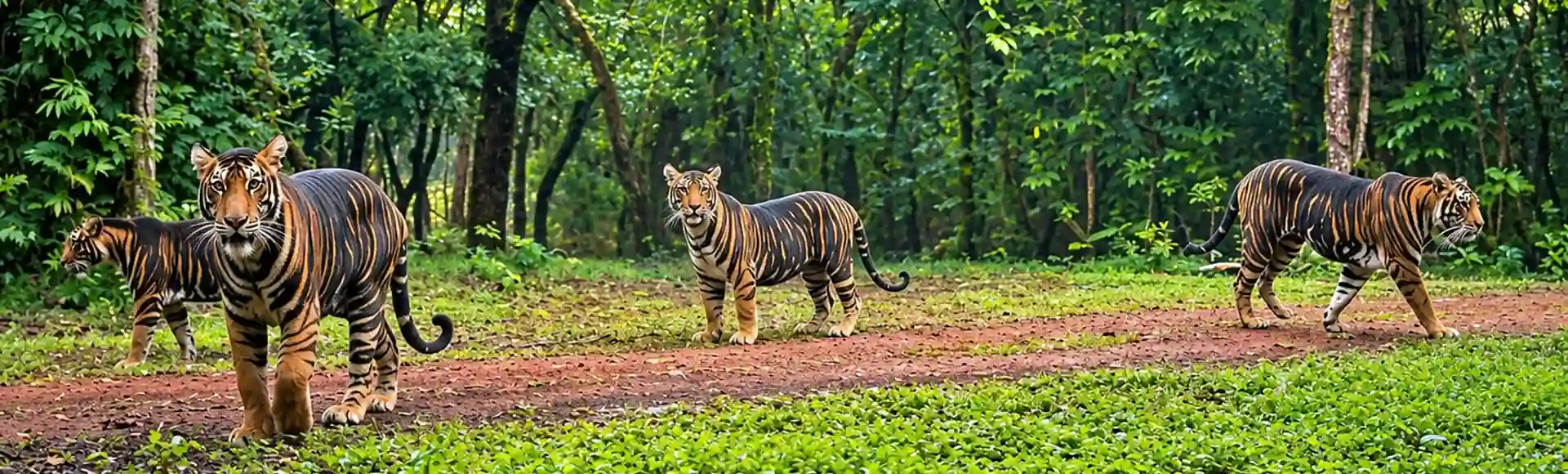
Similipal National Park
In Odisha’s Mayurbhanj district, Similipal is a vast protected tiger reserve that draws visitors for its diverse forests, wildlife, waterfalls and enduring connections with tribal communities.
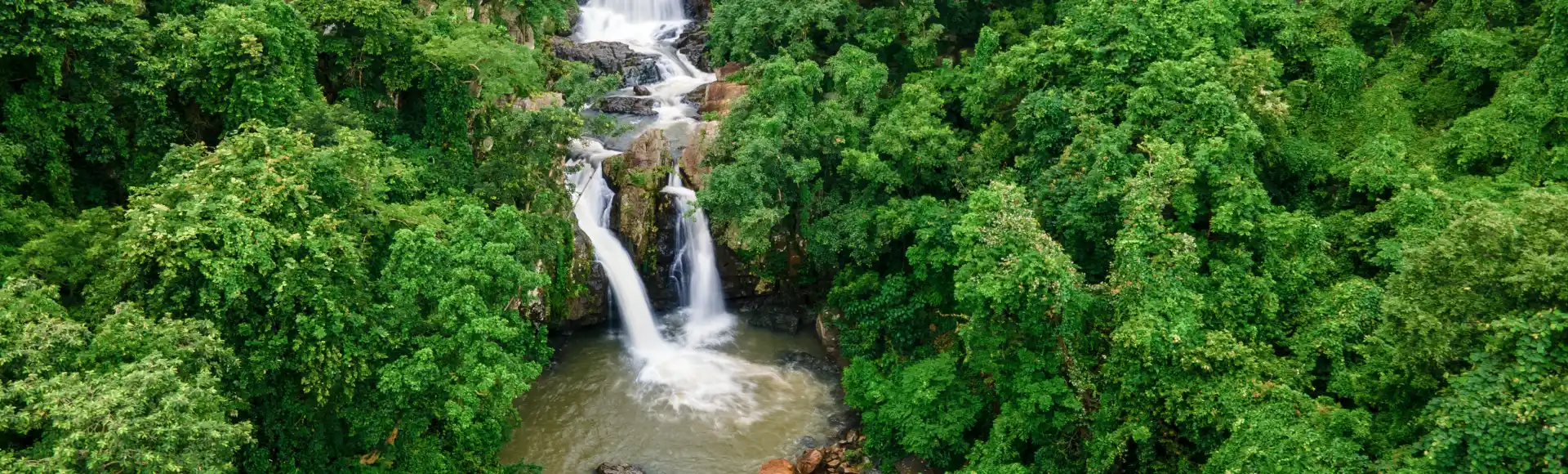
Sitakund Waterfall
Near Lulung in Baripada, Mayurbhanj, Sitakund is a waterfall visited for its clear water, forest surroundings and local folklore connecting it with Goddess Sita.
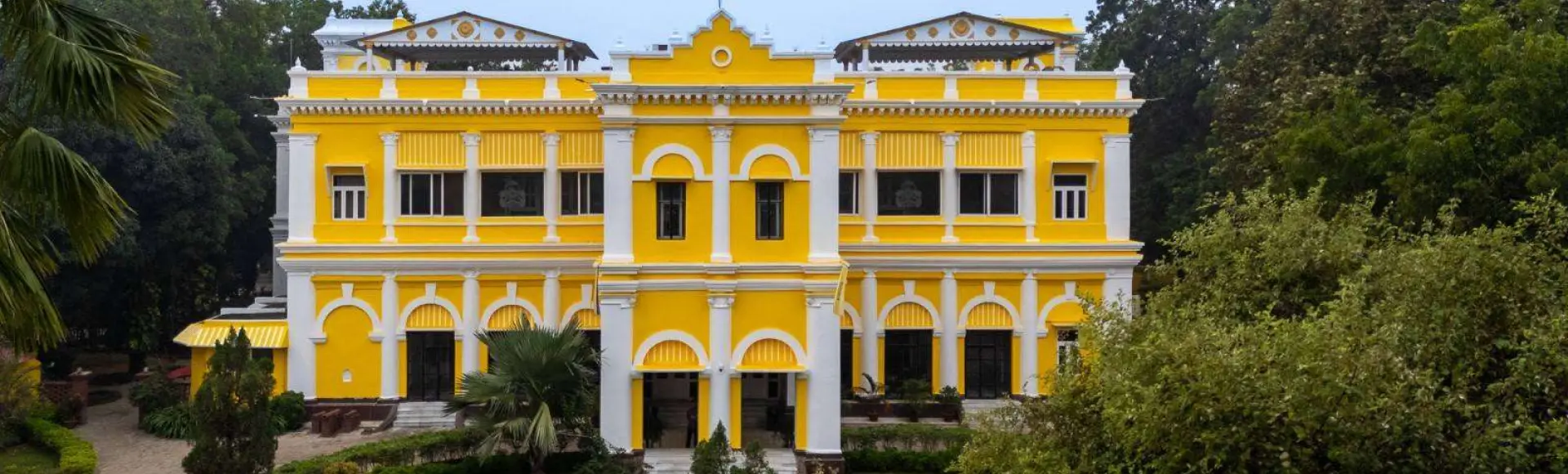
The Belgadia Palace
In Baripada, Belgadia Palace is an eighteenth-century heritage residence associated with the Bhanja dynasty. Visitors come to see its Victorian architecture and explore its links to Mayurbhanj’s royal history.
Rice forms the foundation of everyday meals in Mayurbhanj, as across much of Odisha. Look for dalma, a preparation of lentils and vegetables, alongside seasonal vegetable dishes and fish where available. Pakhala, rice served with water and often lightly fermented, is a familiar warm-weather food in the wider region. Odia sweets such as chhena poda and festival preparations such as pitha may be available, but menus vary between households and eateries. Adivasi food traditions are diverse rather than a single district-wide cuisine. Arrange meals before remote forest outings, carry drinking water and ask what is freshly prepared.
Mayurbhanj is associated with sabai-grass craft, with artisans turning the fibre into ropes, baskets, mats and other useful household objects. Such work offers a tangible connection to the district’s rural livelihoods. Dhokra metal casting is also practised in parts of Mayurbhanj and belongs to a wider eastern Indian craft tradition. The district’s best-known performing art is Mayurbhanj Chhau, distinguished by vigorous movement and performances without masks. When buying craftwork, seek artisan groups or reliable local outlets and ask about the maker, materials and place of production.
Mayurbhanj Chhau is performed especially during Chaitra Parva, generally in the spring, with Baripada among the district’s important centres for the dance. Performances and associated gatherings can make town accommodation busier. Rath Yatra and Durga Puja are observed in towns and communities, while Adivasi festivals such as Mage Parab and Karam are celebrated in their respective communities, often according to local calendars. Dates vary by year and place. Visitors hoping to attend a particular event should check locally, and book rooms ahead if travelling during a major festival or performance season.
Elsewhere in Odisha
The district is inland, with no coastline. Its terrain ranges from settled agricultural areas and river valleys to the forested hills and plateau of Similipal. Rivers and streams drain the uplands, while waterfalls, including Barehipani and Joranda, are among the region’s best-known natural features. Sal forests and varied woodland cover much of the protected landscape. Roads between towns are generally more straightforward than travel within forest areas, where routes can be steep, winding or seasonally affected. Attractions are spread across a large area, so planning journeys by region helps avoid rushed transfers.
Summer, broadly from March to June, can be hot, especially on exposed roads and away from forest shade. The monsoon months bring heavy seasonal rain, greener woodland and fuller waterfalls, but can also make roads slippery and affect access to protected areas. Winter, roughly from November to February, is generally more comfortable for town visits and outdoor excursions. October to February is often a practical period for travel, though forest access should still be checked in advance. Pack light clothing, sun protection and sturdy footwear; add warm layers for winter mornings and rain protection during the monsoon. Carry drinking water on longer road journeys.
Biju Patnaik International Airport in Bhubaneswar is a practical air gateway, with onward travel by road or rail. Baripada railway station serves the district headquarters; Baleshwar railway station is another useful arrival point, depending on your route. Road connections link Baripada with Bhubaneswar, Baleshwar and neighbouring towns. Buses can help with travel between towns, while hired cars are useful for dispersed attractions and forest approaches. Plan Khiching and the Similipal waterfalls as separate journeys unless a locally confirmed itinerary supports combining them. Confirm reserve entry arrangements, vehicle requirements and seasonal access before departure. Check current services locally.
Baripada is the main transport hub, with road links to Baleshwar and other towns in Odisha. Buses serve some inter-town routes, while shared vehicles and autos may be available locally; coverage can be limited for remote attractions. A hired car is useful for Khiching, Devkund and forest approaches, where sights are widely separated. Similipal journeys should be arranged around authorised entry points, approved routes and any vehicle requirements confirmed by the authorities. Local transport may be less frequent outside towns, so plan return travel and avoid relying on an unconfirmed connection.
2 days: The Belgadia Palace → Khiching Temple (Kichakeswari Temple); sleep in Baripada on night 1. 3 days: Sitakund Waterfall → Similipal National Park → Barehipani Waterfall; sleep near Lulung or in an officially available forest-area lodging on night 1, and near an authorised Similipal access point on night 2. 4 days: Devkund Waterfall → The Belgadia Palace → Joranda Waterfall; sleep near Devkund or in Udala on night 1, in Baripada on night 2, and near an authorised Similipal access point on night 3.
Baripada is the most practical base for town services, Belgadia Palace and journeys towards Lulung or Khiching, though the latter is a substantial road trip. For Similipal excursions, look for accommodation near the relevant authorised entry point or at a forest facility, where availability and access rules need checking in advance. Udala or nearby towns can suit a Devkund visit. Choices across the district include hotels, guesthouses and homestays; government or forest lodges may be available in some areas. Options become thinner outside the main towns.
Waterfall paths and forest roads can be slippery, steep or difficult after rain; use sturdy footwear and do not approach unsafe edges or swim in unfamiliar pools. Keep a respectful distance from wildlife, follow forest staff instructions and never feed animals. Carry drinking water and basic medicines, since services and mobile connectivity may be limited away from towns. Check road conditions and seasonal access before setting out, and allow extra time for rural journeys. Similipal is a protected area with regulated entry and routes; confirm current requirements and permissions with official authorities before travel.
- Balasoreabout 75 km
- Jhargram · West Bengalabout 84 km
- Keonjharabout 96 km
- East Singhbhum · Jharkhandabout 103 km
- Seraikela Kharsawan · Jharkhandabout 122 km
- West Singhbhum · Jharkhandabout 127 km
- Purba Medinipur · West Bengalabout 130 km
- Jajpurabout 143 km
Straight-line distance between the centres of each district's destinations; road distance is longer.
Q: How many days should I spend in Mayurbhanj? A: Three or four days allow time for a town or temple visit and a carefully planned forest excursion. Add time if visiting both Khiching and the Similipal waterfalls. Q: When is the best time to visit? A: October to February is generally comfortable for travel. Monsoon brings lush scenery and fuller waterfalls but can affect roads and access. Q: What is the best base for exploring? A: Baripada is the main base for town services and several excursions. For Similipal or Devkund, staying closer to the relevant access area can reduce road travel. Q: How do I get to Mayurbhanj? A: Bhubaneswar is a practical air gateway, while Baripada and Baleshwar are useful rail arrival points depending on your route. Continue by road and confirm onward connections locally. Q: Is Mayurbhanj suitable for families or elderly travellers? A: Baripada, Belgadia Palace and temple visits can suit many visitors, but waterfall trails and forest drives may involve uneven terrain and long journeys. Choose outings to match mobility and check access conditions.
This page draws on our 7 destination guides for Mayurbhanj and is updated as our team checks it.
Be the first to share photos, stories, advice or a helpful contact for Mayurbhanj.
Loading…