
District · Odisha
Cuttack
Cuttack is a historic river city and an important cultural and craft centre in coastal Odisha.
Cuttack district brings together a historic river city, Buddhist heritage, weaving villages and forest-fringed retreats. Cuttack city, also called Kataka, lies between the Mahanadi and Kathajodi rivers and was long an important centre of political and commercial life in Odisha. Barabati Fort recalls its medieval past, while the Netaji Birth Place Museum preserves the ancestral home associated with Subhas Chandra Bose. The Museum of Justice adds another perspective on the city's institutional history. Beyond the urban bustle, Lalitagiri's Buddhist remains, the Mahanadi island setting of Dhabaleswar Temple and Maniabandha's working looms reveal different sides of the district. Killa Dalijoda, a former royal hunting lodge near forested country, offers a quieter contrast.
Cuttack is a historic river city and an important cultural and craft centre in coastal Odisha. Its position between the Mahanadi and Kathajodi rivers shaped its role in regional administration and trade. Travellers can combine urban heritage—Barabati Fort, the Netaji Birth Place Museum and the Museum of Justice—with Buddhist remains at Lalitagiri, the island shrine of Dhabaleswar Temple and the handloom traditions of Maniabandha. Cuttack is also known for Tarakasi, its intricate silver filigree work, and for the river-centred Bali Jatra festivities. The district suits visitors interested in history, living crafts and quieter nature excursions.
The area around Cuttack has been shaped by successive Odisha kingdoms and by its position on the Mahanadi river system. Lalitagiri preserves evidence of a major Buddhist centre, with remains and finds associated with centuries of Buddhist activity in the region. Cuttack, or Kataka, grew as a political and commercial centre; it became the capital under the Eastern Ganga ruler Anangabhima Deva III in the thirteenth century. The city and surrounding region later came under the Gajapati rulers, followed by Afghan and Mughal powers, the Marathas and, in 1803, the British. Under British administration Cuttack developed as a prominent centre of government and education. The district was organised during the colonial period, though its boundaries and administrative arrangements have changed over time. When Odisha became a separate province in 1936, Cuttack served as its capital; Bhubaneswar later took over that role. Barabati Fort, historic houses and museums reflect different layers of this political and institutional past.
11 destination guides
Ansupa Nature Camp
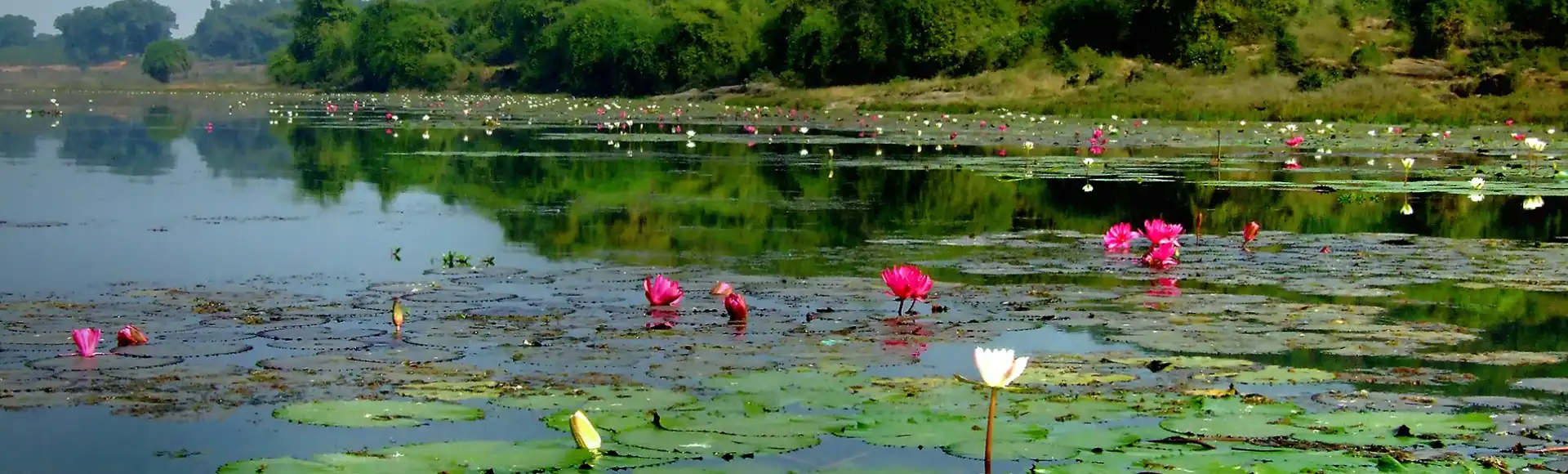
Ansupa Nature Camp is a lakeside stay beside Odisha’s largest freshwater lake, drawing visitors for its wooded setting, birdlife and outdoor pursuits such as boating, nature walks and hill treks.
Barabati Fort
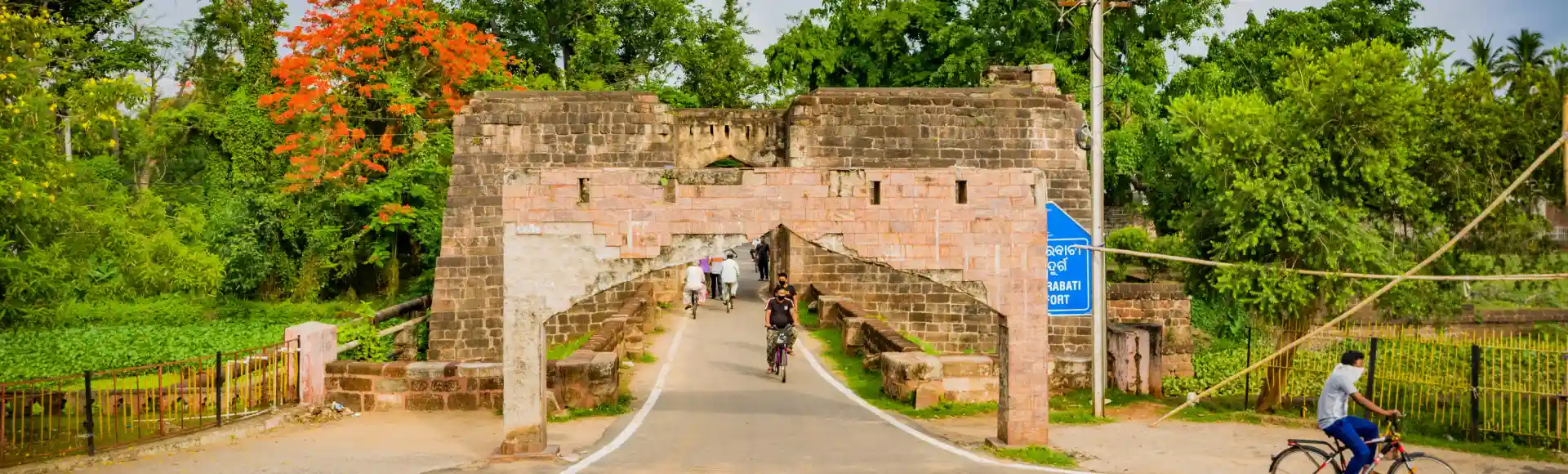
Barabati Fort is a historic stronghold in Kataka, Odisha, with roots in the region’s dynastic past. Visitors explore its gateway, ramparts, excavated remains and buildings within the complex.
Dhabaleswar Temple
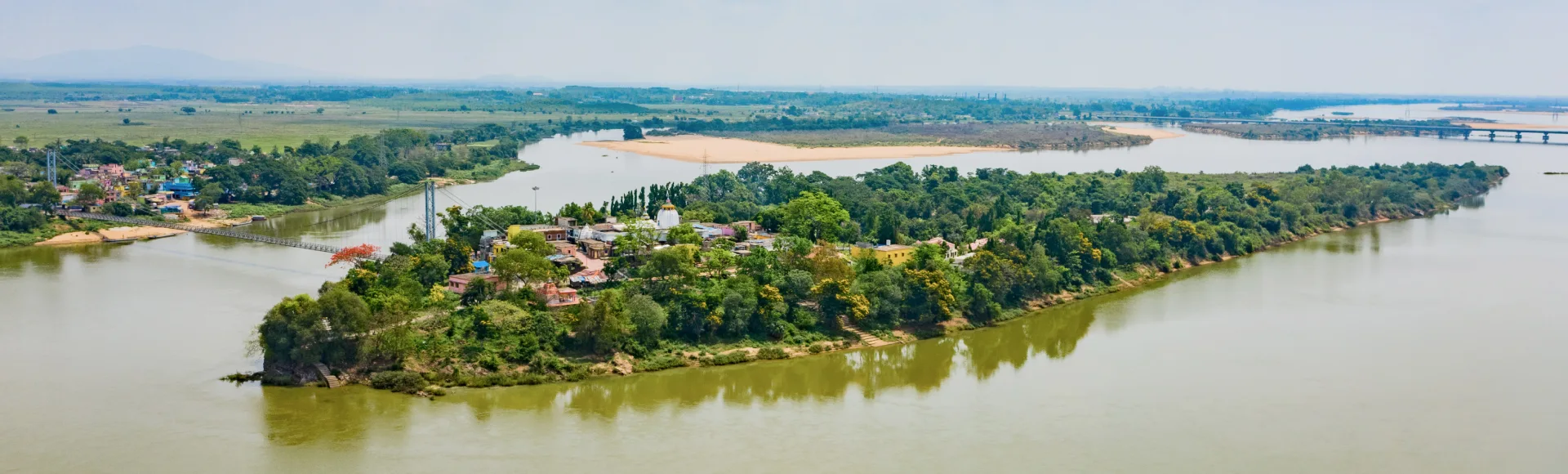
Dhabaleswar Temple is a shrine to Shiva on an island in Odisha’s Mahanadi River. Visitors come for its religious significance, history and association with a local legend.

Kataka – Silver Filigree Hub
Kataka in Odisha is a centre of Tarakasi, the silver filigree craft practised there for centuries. Visitors go to Naya Sadak to see its workshops and showrooms.
Killa Dalijoda
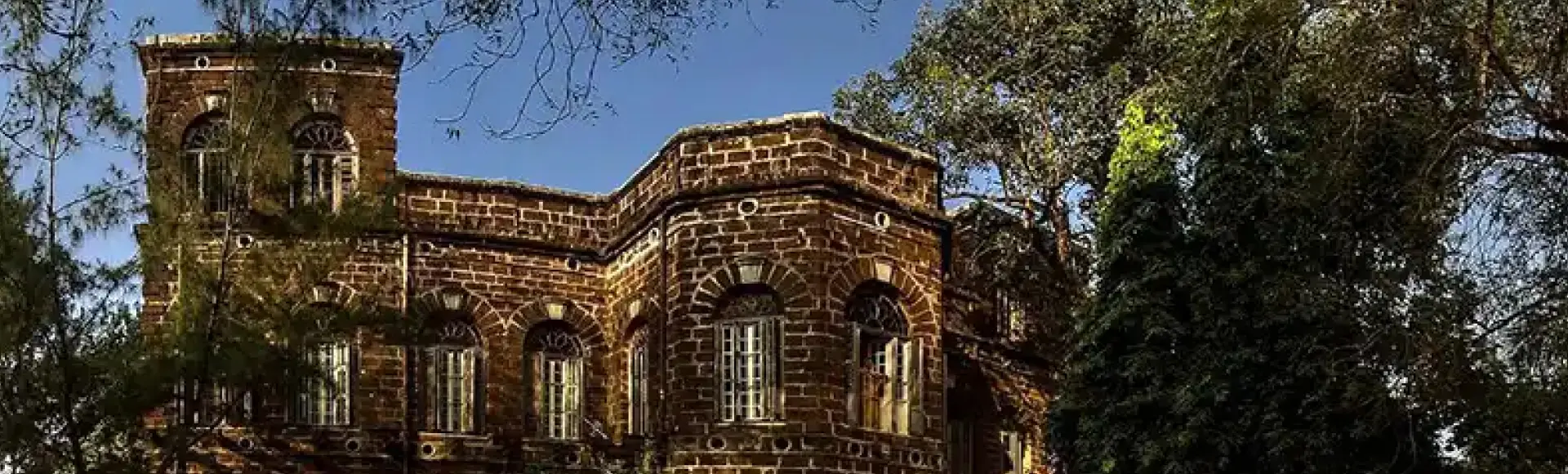
Killa Dalijoda is a 1931 royal hunting lodge near Kapilash Elephant Sanctuary, visited for its historic architecture, period interiors and forest surroundings.
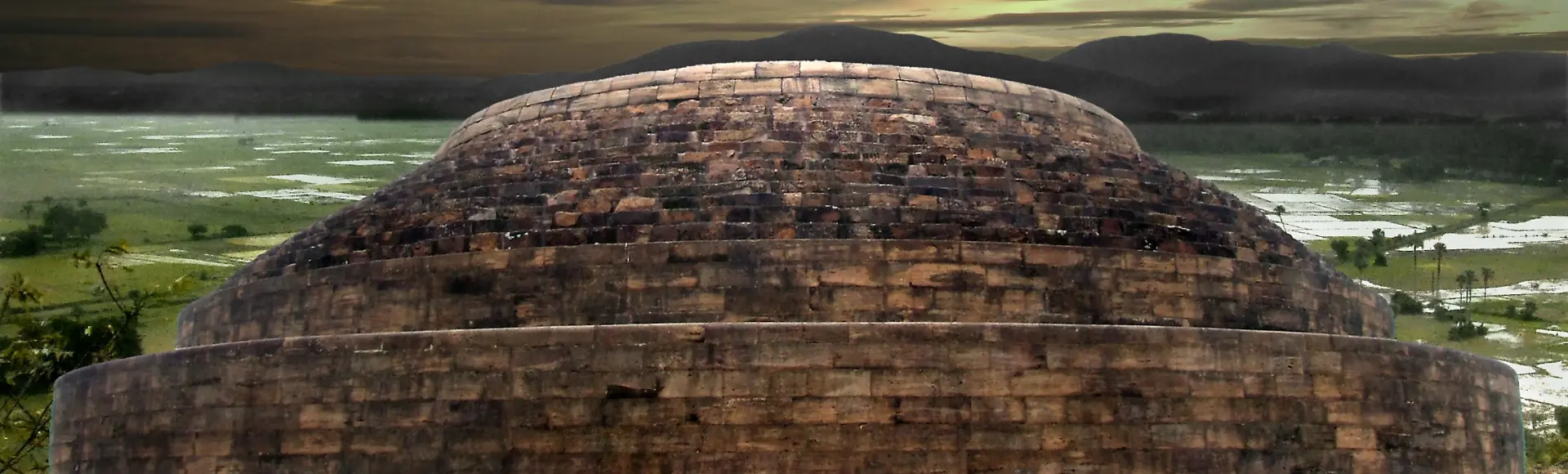
Lalitagiri Buddhist Complex
Lalitagiri is an early Buddhist archaeological complex in Mahanga, Kataka district, Odisha. Visitors come to explore its religious remains, excavated artefacts and connection to the Buddhist Diamond Triangle.

Maniabandha Handloom Village
Maniabandha is an Odisha weaving village known for Bandha and Khandua Patta textiles, and received India’s Best Tourism Village recognition in the craft category in 2024. Visitors come to see its handloom traditions and meet weavers.
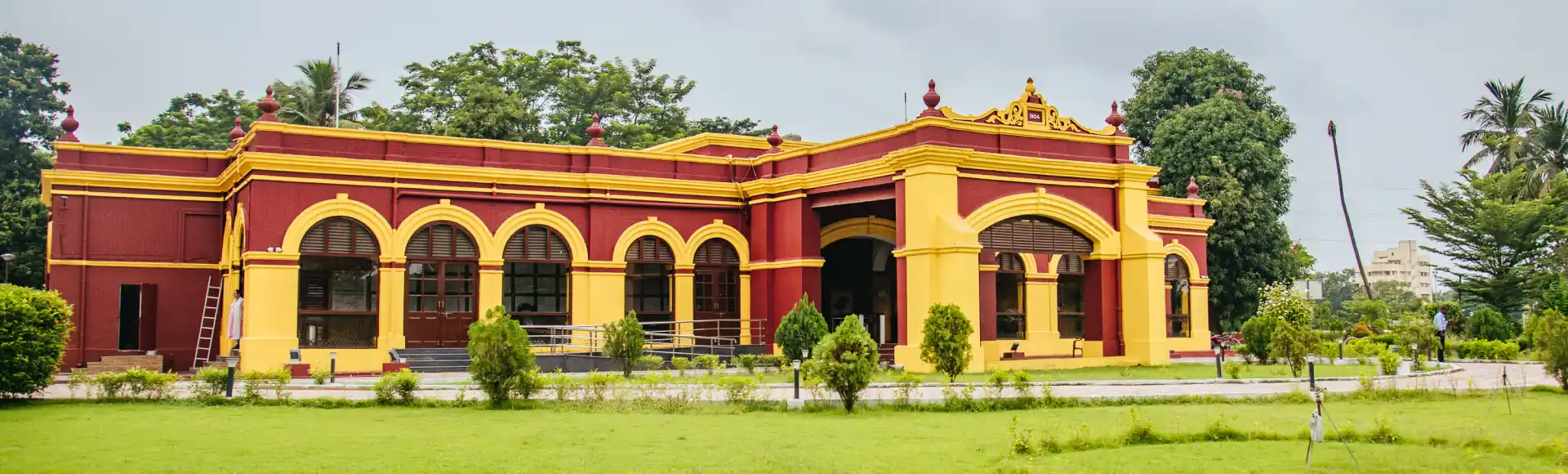
Museum Of Justice
On the Odisha Judicial Academy campus in Kataka, the Museum of Justice explores the development of legal systems in Odisha and India, attracting visitors interested in law, history and public institutions.
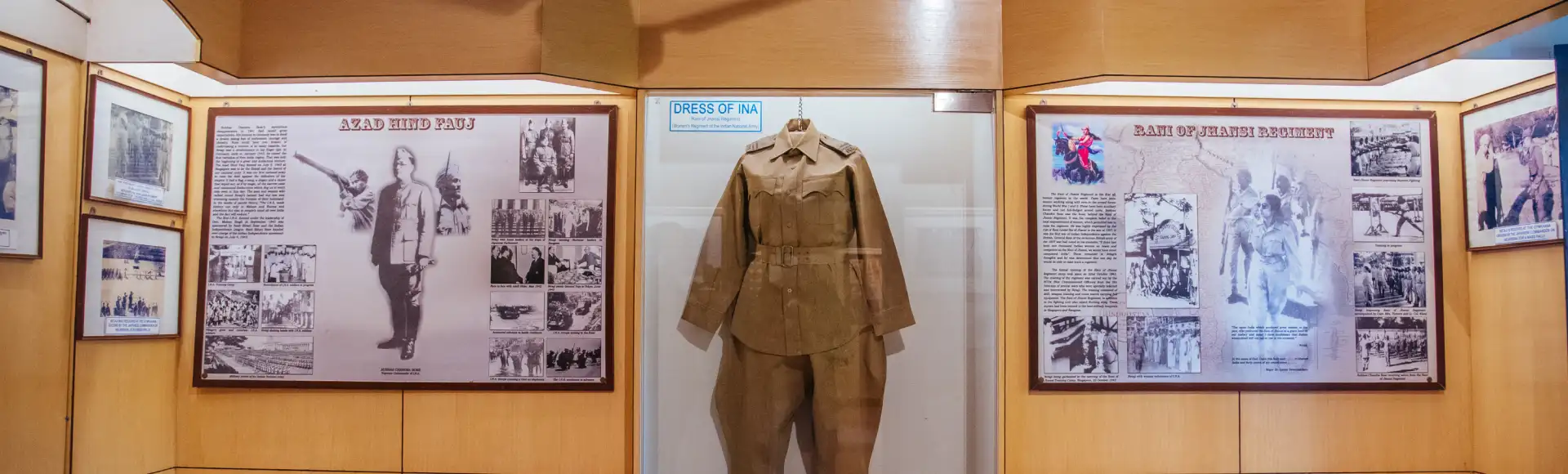
Netaji Birth Place Museum (Oriya Bazaar Kataka)
Netaji Birth Place Museum in Oriya Bazaar, Kataka, is the preserved ancestral residence built by Janakinath Bose. Visitors come to view objects connected with Netaji’s early life.
Cuttack is particularly associated with dahibara aludum, a popular street-food combination of lentil dumplings in seasoned yoghurt, potato curry and lively toppings. For fuller meals, look for rice, dalma and seasonal vegetable preparations, staples of the wider Odia kitchen rather than dishes exclusive to this district. Chhena poda and other chhena-based sweets are also part of Odisha's broader food traditions. Availability varies between city eateries and rural stops, so plan meals before excursions to heritage sites or villages. Choose busy, clean outlets, ask what is freshly prepared and explain dietary restrictions before ordering.
Cuttack is renowned for Tarakasi, the delicate silver filigree tradition in which fine silver wires are shaped into intricate decorative forms. Jewellery and ornamental pieces offer an introduction to this painstaking craft; ask sellers about materials and workmanship before buying. Maniabandha, in the district's Badamba area, is another important craft destination, known for its handloom weaving and its place within Odisha's wider textile heritage. A village visit can give context to the work behind the cloth, but arrange workshop visits where possible and seek permission before photographing artisans.
Durga Puja, usually held in September or October, is widely celebrated in Cuttack city, where decorated pandals draw large local crowds. Bali Jatra, generally held around November, recalls Odisha’s maritime links and brings fairs, performances and busy riverfront activity; accommodation in the city can be in higher demand during the celebrations. Makar Sankranti and other seasonal observances are marked across the district, while temple festivals draw worshippers to shrines such as Dhabaleswar. Dates vary by the religious calendar, so check local announcements and arrange a room ahead if travelling during a major festival.
Elsewhere in Odisha
The district lies in the Mahanadi delta, with broad alluvial plains, river channels and low-lying tracts around Cuttack. The Mahanadi and Kathajodi frame the city, while islands and riverbanks shape access to places such as Dhabaleswar Temple. Away from the urban centre, villages, ponds and cultivated land give way in parts of the district to wooded foothills and forest-edge country, including around Killa Dalijoda. These varied settings make road journeys the main way to explore, but river levels, seasonal flooding and local access conditions can affect routes, particularly during the monsoon.
Cuttack has hot summers, a humid monsoon season and comparatively milder, drier winters. Summer heat and humidity can make midday sightseeing tiring, so plan outdoor visits for cooler parts of the day and carry water and sun protection. Monsoon months bring heavy showers at times; river crossings, low-lying roads and outdoor nature visits may be affected. The more comfortable general window for a varied trip is from October through February, though festival periods can be busy. Pack light breathable clothing for warm weather, a rain layer or umbrella during the wet season, and modest clothing for temples. A light wrap may be useful on cooler winter evenings.
Biju Patnaik International Airport in Bhubaneswar is the main air gateway, while Cuttack Junction is the principal railway arrival point for the city. Road connections link Cuttack with Bhubaneswar and other Odisha towns, making either city a possible base depending on your itinerary. Within Cuttack, auto-rickshaws, taxis and city buses provide onward transport. For Lalitagiri, Maniabandha or Killa Dalijoda, plan the last leg and return journey in advance rather than assuming frequent public transport reaches each entrance. Confirm the currently permitted access route to Dhabaleswar Temple before setting out. Check current services locally.
Cuttack city has auto-rickshaws, taxis and city buses for local journeys. Road links connect the city with nearby towns and villages, but public transport to rural attractions may be infrequent or may not reach the entrance; arrange a return journey in advance. Taxis or a hired vehicle are useful for combining Lalitagiri, Maniabandha, Ansupa Nature Camp and Killa Dalijoda. Access to Dhabaleswar Temple can involve a river crossing or other locally designated approach, so confirm the currently permitted route before leaving. Do not assume boat services or road access operate in all weather.
2 days: Day 1: Netaji Birth Place Museum, Kataka – Silver Filigree Hub, Barabati Fort, Museum Of Justice, Odisha State Maritime Museum; night 1 in Cuttack. Day 2: Lalitagiri Buddhist Complex; night 2 in Cuttack. 3 days: Day 1: Netaji Birth Place Museum, Kataka – Silver Filigree Hub, Barabati Fort, Museum Of Justice, Odisha State Maritime Museum; night 1 in Cuttack. Day 2: Dhabaleswar Temple; night 2 in Cuttack. Day 3: Ansupa Nature Camp; night 3 in Cuttack. 4 days: Day 1: Netaji Birth Place Museum, Kataka – Silver Filigree Hub, Barabati Fort, Museum Of Justice, Odisha State Maritime Museum; night 1 in Cuttack. Day 2: Dhabaleswar Temple; night 2 in Cuttack. Day 3: Maniabandha Handloom Village, Killa Dalijoda; night 3 in Cuttack or a locally confirmed stay nearby. Day 4: Lalitagiri Buddhist Complex, Ansupa Nature Camp; night 4 in Cuttack.
Cuttack is the most practical base for the city’s museums, fort and craft visits, with hotels and simpler guesthouses, as well as dharamshalas. Bhubaneswar is another possible base if your wider itinerary is centred there, but allow for road travel to Cuttack district sights. For trips to Ansupa Nature Camp or Killa Dalijoda, check whether a nature camp or other local accommodation is operating and accepting visitors before relying on an overnight stay. Homestays may be available in some rural areas, but availability and facilities can vary; confirm arrangements in advance.
Riverbanks and island approaches can be slippery or affected by high water, especially during the monsoon; follow local instructions and use only officially operating crossings. At forest-edge sites, keep a respectful distance from wildlife, do not feed animals and follow site guidance. Carry drinking water or use treated water, and take sun and insect protection for outdoor visits. Rural roads may be narrow, uneven or affected by rain, so avoid rushing and confirm the return journey before setting out. Mobile connectivity can be weaker outside towns. Check current access rules with official local authorities; do not assume a permit is needed unless authorities say so.
- Khordhaabout 26 km
- Dhenkanalabout 31 km
- Jajpurabout 53 km
- Puriabout 74 km
- Nayagarhabout 79 km
- Jagatsinghpurabout 85 km
- Kendraparaabout 99 km
- Angulabout 103 km
Straight-line distance between the centres of each district's destinations; road distance is longer.
Q: How many days should I spend in Cuttack district? A: Two days can cover key city sights; allow three or four days for rural, river and heritage excursions. Q: When is the best time to visit? A: October to February is generally more comfortable for sightseeing, though festival periods can be crowded. Q: Where is the best base? A: Cuttack city is the most convenient base for urban sights and many day trips; confirm rural stays before planning around them. Q: How do I get to the district? A: Bhubaneswar’s Biju Patnaik International Airport is the main air gateway, and Cuttack Junction is the principal rail arrival point for the city. Road connections serve both cities. Q: Is Cuttack suitable for families or elderly travellers? A: Yes, especially for city visits, but some rural sites, uneven paths and river approaches may require extra mobility and weather planning.
This page draws on our 11 destination guides for Cuttack and is updated as our team checks it.
Be the first to share photos, stories, advice or a helpful contact for Cuttack.
Loading…