
Netaji Birth Place Museum (Oriya Bazaar Kataka)
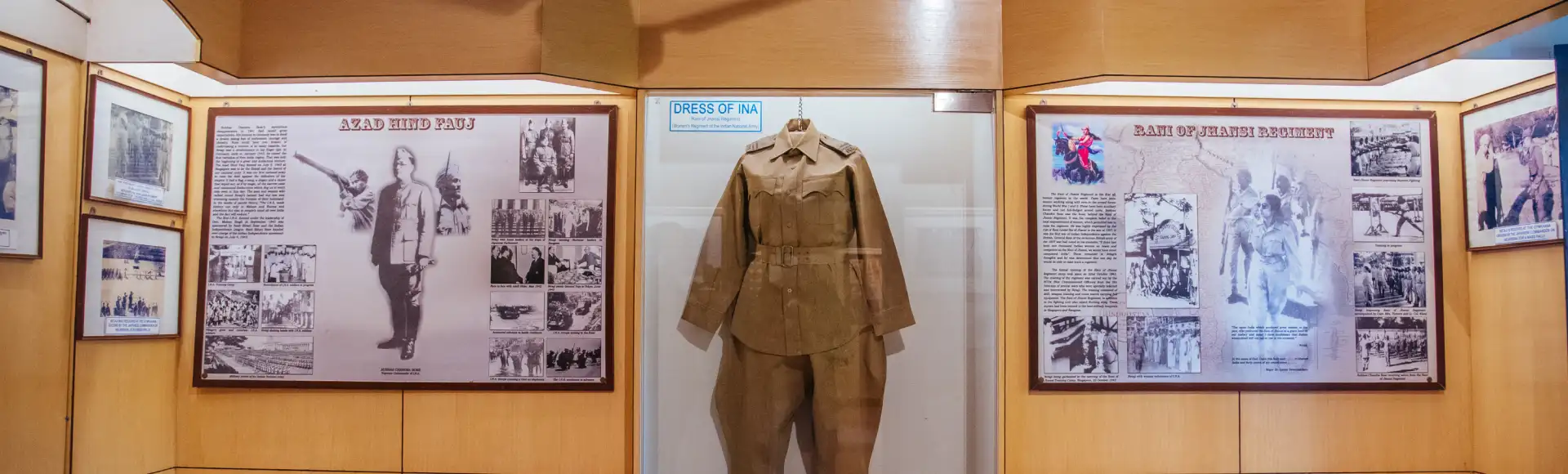
Netaji Birth Place Museum in Oriya Bazaar, Kataka, is the preserved ancestral residence built by Janakinath Bose. Visitors come to view objects connected with Netaji’s early life.
Key facts · verified by Ghumoopedia editors
- Type of place
- Heritage monument
- Best time to visit
- Throughout the year
- Verified
- 21 Nov 2026
Plan a trip from Netaji Birth Place Museum (Oriya Bazaar Kataka) — a day-by-day route through places nearby.
In Oriya Bazaar, Kataka, Odisha, the museum occupies Netaji’s ancestral home. His father, Shri Janakinath Bose, a distinguished lawyer of his time, had the heritage building constructed. The museum displays material associated with Netaji’s formative years, including rare photographs, personal effects, letters and other memorabilia. These items offer visitors a view of his early life. The former family residence preserves a link to Netaji, remembered as one of India’s leading freedom fighters, and to the legacy he left behind. Plan your visit around Throughout the year. The official suggested visit duration is 1 Hour; treat this as time at the attraction, not the complete journey from your hotel. Odisha’s coast and plains can be hot and humid, while southern hill districts may feel cooler after sunset. Heavy monsoon rain can affect road travel and access to outdoor sites. Check the local forecast before setting out, and keep a flexible alternative for bad weather. Official destination reference: https://odishatourism.gov.in/en/places/netaji-birth-place-museum-oriya-bazaar-kataka
Why it matters
Netaji Birth Place Museum preserves the ancestral home associated with Subhas Chandra Bose, one of India’s leading figures in the freedom movement. The house was built by his father, Janakinath Bose, a prominent lawyer, and is valued both as a family residence and as a place connected with Netaji’s early life. Its displays help visitors relate his public career to his formative years in Cuttack. Odisha Tourism lists the destination as a museum and historical site. No UNESCO or Archaeological Survey of India designation is asserted here; confirm any current heritage-protection status with the relevant authority.
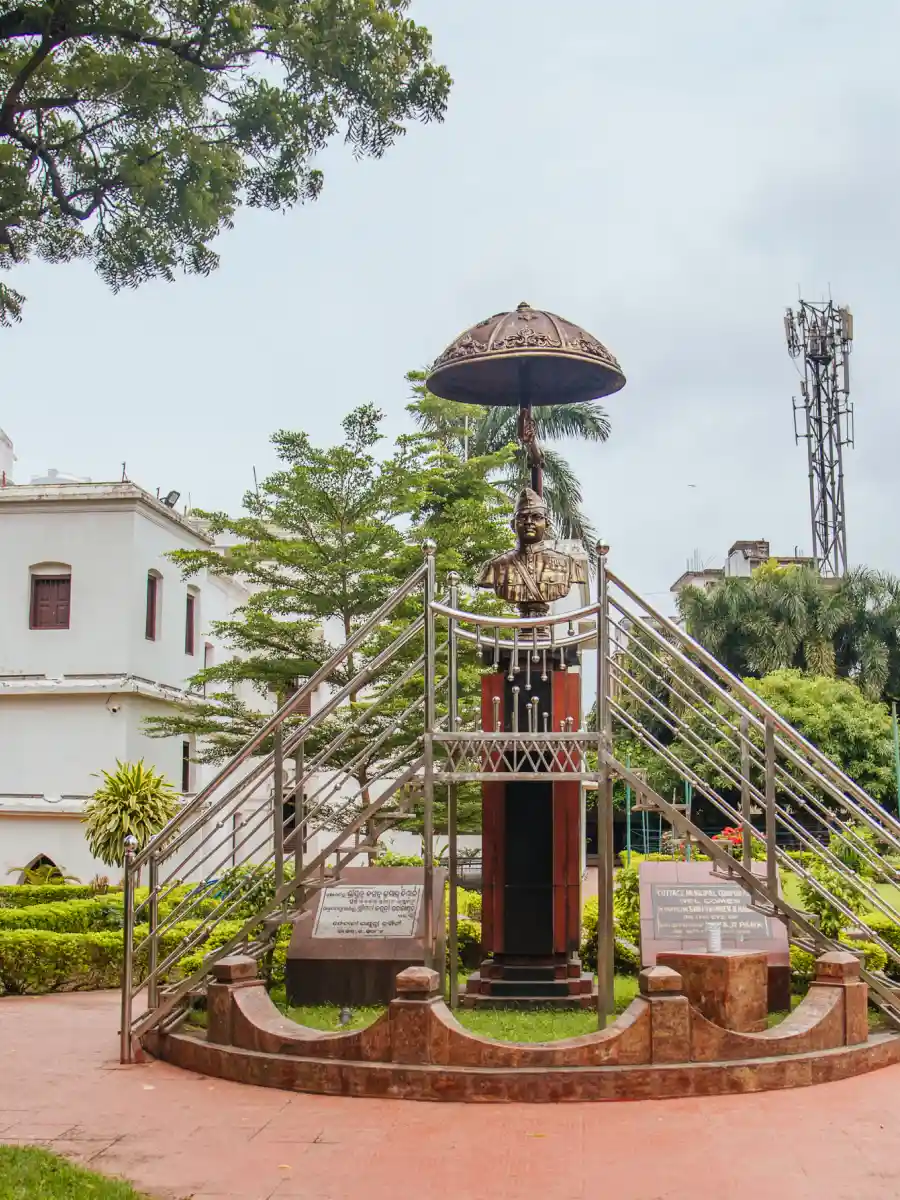
The building is the ancestral home of the Bose family in Oriya Bazaar, Cuttack. It was built by Janakinath Bose, an eminent lawyer of his time, and is associated with the early life of his son Subhas Chandra Bose, who was born in Cuttack in 1897. The house connects a prominent family’s domestic history with the broader story of India’s anti-colonial movement. Over time, the residence was adapted as a museum so that visitors could encounter material relating to Netaji’s childhood and legacy. Its displays include photographs, personal belongings, letters and other memorabilia, as described by the destination guide. The house is now presented as a preserved heritage building and public historical site. Detailed dates for its construction, conversion into a museum, or particular restoration campaigns should be checked with the managing authority; they are not stated here. A visit is therefore best understood as an introduction to the Bose family home and its place in Cuttack’s history, rather than as a complete account of Netaji’s political career.
Origin stories & folklore
No specific origin legend or supernatural folklore associated with the house is established in the available destination information. Its significance rests principally on its documented association with the Bose family and Subhas Chandra Bose. In local remembrance, the building may be treated as a place where visitors can feel close to Netaji’s early years, but this is a commemorative response rather than a separate historical claim. Ask museum staff about family stories or oral accounts connected with particular rooms or objects, and distinguish such recollections from dated documentary evidence.
Architecture & design
The site is a historic family residence, not a purpose-built monument or temple. Its domestic scale is part of its appeal: visitors can consider how a prominent household lived in Cuttack and how the home has been adapted to receive museum visitors. Look at the exterior, entrances, doorways and the sequence of spaces that can be visited, while following any barriers or staff directions. The destination information identifies it as a beautifully preserved heritage building but does not specify its construction materials, architectural style, original room plan or engineering features. Avoid assuming that every displayed space retains its original use or arrangement. Its architecture is best read alongside the exhibits: the house itself provides the setting, while photographs and personal material explain the family and Netaji’s early life.
Important objects & sculptures
The museum’s key draw is its collection relating to Netaji and the Bose family. Look for photographs, personal belongings, letters and memorabilia that help interpret his early life and later public legacy. These displays can make the historic house feel more personal than a visit focused only on the building. The available destination information does not provide a full catalogue or identify particular sculptures, inscriptions or objects, so ask on arrival which items are currently on display. Exhibits may be rearranged or conserved, and not every item associated with the family should be assumed to be an original unless the museum labels it as such.
Begin with the main attraction at Netaji Birth Place Museum (Oriya Bazaar Kataka) and leave time to understand its setting in Cuttack. Look for interpretation boards, guided visits or opportunities to meet local makers. Ask before photographing people or their work. A village workshop is a working space, not a staged performance; agree on any demonstration charge and avoid pressuring artisans for free access. Keep a simple itinerary: arrive in daylight, enjoy the main visit, take a shaded meal break, then decide whether one nearby stop fits your return plan. Use the district index to find nearby places, but check the actual road route before combining them. Reserve a little time for photographs from permitted public viewpoints and avoid blocking paths while taking pictures.
Suggested itineraries
Half day: Travel to the museum; spend about 1 hour with the house and displays; take a shaded break; add one nearby Cuttack stop if the return route allows. Full day: Visit the museum; pause for a meal; explore Barabati Fort or the Odisha State Maritime Museum; finish with a walk or meal in Cuttack, allowing for city traffic. Gentler option: Arrange a close drop-off, visit the museum at an unhurried pace with seated breaks where available, and skip additional stops if walking or standing becomes tiring.
The museum sits within Cuttack, a historic city where Odia is widely spoken alongside other languages used by residents and visitors. The house’s association with Netaji gives the visit a commemorative and educational character, while the surrounding neighbourhood remains part of everyday city life. Cuttack is also known for its silver filigree craft and public celebrations, including Durga Puja. At the museum, follow posted guidance, speak quietly around displays and ask before photographing staff or other visitors. There is no need to expect a staged performance or a particular ritual at the house; treat it as a working heritage museum and a place of remembrance.
Festivals & events
The museum is a heritage site rather than a festival venue, and no regular fair at the house is specified. Cuttack’s Durga Puja celebrations, usually in the autumn, are a major reason the city can feel especially busy; visitors may encounter decorated neighbourhood pandals and heavier local traffic. Bali Jatra, generally held in the post-monsoon season around the Mahanadi riverfront, is another well-known Cuttack event and can draw large crowds. These celebrations are city experiences, not guaranteed museum programmes. Check local announcements before combining a festival visit with the museum, and allow extra time for road congestion.
For a visit to Netaji Birth Place Museum (Oriya Bazaar Kataka), plan food around your base in Cuttack and do not assume that a remote entrance has a full restaurant. Odisha offers rice-based meals, dalma, vegetable preparations and sweets such as chhena poda. Availability varies by district and outlet; ask what is freshly prepared rather than expecting every local dish at every stop. Choose busy, clean establishments and tell staff about allergies, spice preferences or dietary restrictions before ordering. Carry sealed drinking water and a small snack if you are travelling beyond a town. In hot weather, take regular water breaks instead of waiting until you feel exhausted. For early starts, arrange breakfast in advance and ask your accommodation whether a packed meal is practical. Keep all packaging with you until you find an appropriate waste bin.
Shopping & local experiences
Cuttack is especially known for silver filigree, locally called tarakasi. Look for work in established shops or markets, compare craftsmanship, and ask about materials and care before buying. Textiles and everyday regional goods may also be available around the city. The museum itself may not have a dedicated shop, so check locally rather than expecting souvenirs on site. For a food break, explore Cuttack’s local eateries and ask residents about seasonal or regional snacks. Buy respectfully from working artisans and agree on the item and price before a custom order begins.
Throughout the year
Start by choosing a practical overnight base in or near Cuttack, rather than assuming every attraction has its own railway station. Odisha Tourism lists this rail access: Nearest railway station: Kataka Junction Railway Station (approx. 5 km).. The listed air access is: Nearest airport: Biju Patnaik International Airport, Bhubaneswar (approx. 33 km).. Road access: Easily accessible by road from Kataka and Bhubaneswar.. Compare train, bus and flight options door to door. Rail can suit overnight journeys and travellers who prefer to avoid a long drive. A bus may be useful between district towns, but the last service may finish before your visit ends. A flight only saves time if airport transfers, check-in and the final road leg are included. Reserve the return leg before departure and allow time for traffic, meals and weather. Check IRCTC and NTES for trains, OSRTC for buses, and the airline’s own schedule for flights. Do not rely on an unconfirmed connection or assume taxis will wait at a remote site.
Confirm onward and return timings on IRCTC / NTES, the state bus operator or your airline before travel. A dash means current timings or fares have not been verified.
Getting around
Autos and app-based or local taxis can be practical for reaching Oriya Bazaar from elsewhere in Cuttack; confirm the destination with the driver, as neighbourhood names and spellings may vary. Local buses serve parts of the city, but check the route and return options before relying on them. Once nearby, walking may be the simplest way to explore the immediate streets, though traffic and narrow or uneven sections can make progress slower. Ask locally about suitable drop-off and parking points rather than assuming there is dedicated visitor parking at the museum. From Bhubaneswar, arrange the final road leg as part of the journey plan.
Hours, tickets & permissions
The destination guide recommends allowing about one hour for the museum visit, but that is a suggested visit duration, not an opening schedule. Entry may be subject to ticketing, photography restrictions or other museum rules, and arrangements can change. Confirm current opening days, hours, fees, camera rules and any group or school-visit requirements with the managing authority before setting out. Follow instructions at the entrance and do not assume that a public holiday or festival day follows the usual arrangements.
Facilities
Facilities within the museum may be limited, so check locally about toilets, drinking water, seating and assistance before or on arrival. Food, shops and other services are more likely to be found around Cuttack than inside the heritage property. Do not assume that a café, ATM, guide desk or dedicated parking is available on site. Carry water and any personal essentials, especially in hot or humid weather. Ask staff whether interpretation material or a guided visit is available, and verify arrangements before bringing a large group.
Accessibility
This is an adapted historic residence, so access may involve thresholds, steps, narrow doorways or uneven surfaces; the available information does not confirm ramps, lifts or step-free routes. Ask the museum or managing authority about current access before travelling, especially if using a wheelchair or stroller. The visit is relatively compact, but standing to read displays may be tiring, and seating or shaded waiting areas should be checked locally. Older visitors may prefer a companion and a slow pace. In Cuttack’s heat and humidity, plan pauses and avoid assuming that every approach street offers continuous shade.
At Netaji Birth Place Museum (Oriya Bazaar Kataka), local access rules take priority over any suggested itinerary. Reconfirm opening arrangements, entry eligibility, permits and weather restrictions shortly before arrival. Keep the emergency number 112 available and save your accommodation’s contact details offline. A map pin identifies a general location, not an assurance that the approach road or walking path is safe. Ask local staff which entrance visitors should use. Respect conservation barriers, residential boundaries and instructions from staff. Ask permission for portraits and avoid sharing identifiable images of local residents without consent. Carry only necessary valuables, keep rubbish out of the site, and leave enough daylight for the return journey.
Photography
Ask at the entrance whether photography is allowed and whether any camera restrictions apply; rules can differ for indoor displays and particular objects. If permitted, use available public viewpoints and avoid blocking doorways or other visitors while taking pictures. Soft daylight can suit exterior photographs, but do not enter restricted areas to find a better angle. Drone use near a museum, city streets or sensitive heritage property should not be assumed to be permitted; check applicable rules and obtain required authorization. Ask before photographing staff, visitors or nearby residents.
Choose accommodation by the complete journey to Netaji Birth Place Museum (Oriya Bazaar Kataka), not by the district name alone. A room in a well-connected town in Cuttack may offer easier transport, meals and medical access than a property advertised as being close to the attraction. Check the exact location, recent guest feedback, reception hours and cancellation terms. Ask how you will reach the site and return after the visit, especially if you are not driving. A centrally located stay can make early sightseeing and an evening return easier. Confirm whether the approach road is accessible to your vehicle and whether lifts are available. Book only through a trusted accommodation channel, avoid sending payments to an unverified personal contact, and keep written confirmation of the services included.
Within Cuttack, Barabati Fort is a notable historic site, while the Odisha State Maritime Museum offers another perspective on the region’s history. Cuttack Chandi Temple is a prominent local place of worship. These stops can be considered alongside the Netaji Birth Place Museum, but check current access and road conditions before combining them. The city’s historic neighbourhoods and silver filigree shops may also interest visitors, though they are not museum exhibits. Allow for urban traffic and choose nearby stops according to your return route rather than relying only on a map’s straight-line distance.
For couples visiting Netaji Birth Place Museum (Oriya Bazaar Kataka), keep the day relaxed: one main visit, a meal break and a return transfer arranged in advance. Choose public viewpoints for photographs and respect religious or community expectations around behaviour and clothing. Confirm the accommodation’s check-in requirements before booking. Avoid secluded paths after dark and do not trade a safe return plan for a late photograph. A quieter weekday may suit you, but opening and access arrangements still need local confirmation.
Q: How much time should I allow for the museum? A: The suggested visit duration is about one hour; add travel and any time spent exploring nearby Cuttack. Q: When is a good season to visit? A: Choose a comfortable weather window and check the forecast. Cuttack can be hot and humid, while monsoon rain may affect travel. Q: Is there an entry fee, and what are the rules? A: Entry and photography arrangements can change. Confirm current fees, hours and rules with the managing authority before visiting. Q: Is the museum suitable for children or older visitors? A: It can be an educational visit for children and a compact stop for older visitors, but historic-house access may include steps or uneven surfaces. Check access needs in advance. Q: Where should I stay? A: Choose accommodation in or near Cuttack for convenient city access, or in Bhubaneswar if it better suits your wider travel plans; include the road transfer in your itinerary.
Be the first to share photos, stories, advice or a helpful contact for Netaji Birth Place Museum (Oriya Bazaar Kataka).
Loading…