Ghumoopedia — Explore, Discover, Experience
Sign in
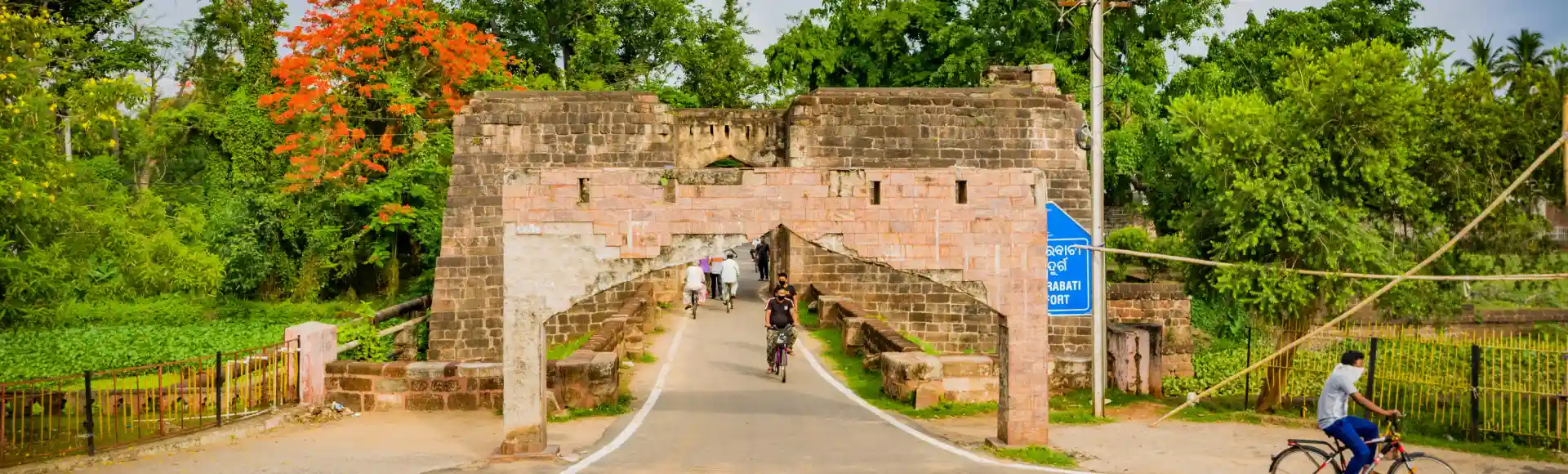
Barabati Fort, near Cuttack

City guide · Odisha

Cuttack

Cuttack is one of Odisha’s historic centres of administration, commerce and culture. Once the state capital, it remains an important judicial city: the Orissa High Court is based here, alongside major educational and medical institutions.

Famous for

  • Silver filigree
  • Durga Puja
  • Dahibara aludum
  • Barabati Fort
  • Bali Jatra
In the city
6
Districts
Cuttack, Khordha

Why Cuttack matters

Cuttack is one of Odisha’s historic centres of administration, commerce and culture. Once the state capital, it remains an important judicial city: the Orissa High Court is based here, alongside major educational and medical institutions. Its position in the Mahanadi delta, between the Mahanadi and Kathajodi rivers, has shaped both its development and its distinctive landscape of old neighbourhoods, riverbanks and newer townships.

Visitors come for the remains of Barabati Fort, the city’s celebrated Durga Puja displays and its long-established silver-filigr ee tradition. Cuttack is also a good place to explore Odia food, from street-side dahibara aludum to local sweets and chaats. During the festive season, Bali Jatra brings a large fair and cultural events to the riverfront. The city’s busy bazaars and historic quarters offer a different feel from nearby Bhubaneswar, while its links to the wider region make it a useful base for exploring central Odisha. Its historic name, Kataka, refers to a fort or military encampment.

Famous for: crafts, trade & products

Cuttack’s best-known craft is tarakasi, or silver filigree: fine wires of silver are twisted into intricate jewellery and decorative objects. The craft is GI-registered and remains visible in the city’s specialist workshops and jewellery shops, particularly around the old-market areas of Nayasarak and Balu Bazaar. Ask locally about established artisans if you want to see work being made. Gold and other jewellery, household goods and everyday wares are also part of the city’s busy trading scene.

Cuttack is a commercial hub, with shops and businesses concentrated in its older bazaars and newer retail areas; Jagatpur is a prominent industrial area. The city is not especially identified with one signature saree tradition, but shops may carry Odisha handloom textiles alongside clothing and regional goods. Ravenshaw University, the Orissa High Court and SCB Medical College and Hospital are among its notable institutions. For visitors, the old-city markets are the most rewarding places to browse for filigree and local shopping, while specialist craft outlets are preferable for carefully finished pieces.

History

Cuttack’s origins are traditionally traced to the Keshari dynasty, with accounts placing the establishment of a military settlement here around 989. Its name, from the Sanskrit and Odia Kataka, means a fort, capital or military encampment. The remains of Barabati Fort recall the early settlement around which the city grew. In the early thirteenth century, Ganga ruler Anangabhimadeva III made Cuttack the capital of his kingdom; it continued as a capital under the Gajapati rulers.

After the end of Hindu rule, the city passed under Muslim and Mughal authority, and later came under the Marathas. British forces occupied it in 1803, and Cuttack became an administrative centre under colonial rule. Odisha’s capital moved to Bhubaneswar in 1948, but Cuttack retained an important role as a district headquarters and judicial centre. Its trading traditions, educational institutions and river crossings have helped it grow beyond the old fortified core into a wider urban area.

Food, festivals & culture

Odia is the principal language of daily life; Hindi and English are also used. Cuttack’s food culture is especially associated with dahibara aludum—lentil dumplings served with yoghurt and spiced potato curry—as well as chaat, lassi and local sweets. Thunkapuri is another preparation associated with the city. Street-food stalls and established eateries in the older commercial quarters are good places to sample these specialities.

Durga Puja, held in autumn, is among Cuttack’s most prominent celebrations. Neighbourhood mandaps create elaborate displays, and the festival draws visitors from across the region. Bali Jatra, usually held around Kartika Purnima in October or November, recalls Odisha’s historic seafaring links and fills the riverfront with stalls and cultural events. Odissi music and dance are part of the wider cultural life of Odisha, alongside devotional music and local performance traditions. Places of worship include the revered Cuttack Chandi Temple and the Qadam-i-Rasul shrine, reflecting the city’s varied religious heritage.

Visiting the city

October to February is generally the most comfortable period to visit, with cooler weather for walking and festival outings. Summers are hot and humid, while the monsoon brings substantial rain. The nearest airport is Biju Patnaik International Airport in Bhubaneswar; Cuttack Railway Station is the city’s main rail station, with connections across the region and country.

Auto-rickshaws, taxis and local buses are useful for getting around; traffic can be busy in the old city, so allow time for short journeys. Explore Barabati Fort and the riverfront, then browse the old markets around Balu Bazaar and Nayasarak for silver filigree and food. The Durga Puja mandaps are a seasonal highlight, while Bali Jatra ground is a focal point during the fair. CDA offers a more planned, modern neighbourhood contrast to the historic core.

Attractions

Places to visit in Cuttack

Sights within about 12 km of each other, even when they fall in different districts.

Map

Cuttack on the map

  1. 1Barabati Fort
  2. 2Kataka – Silver Filigree Hub
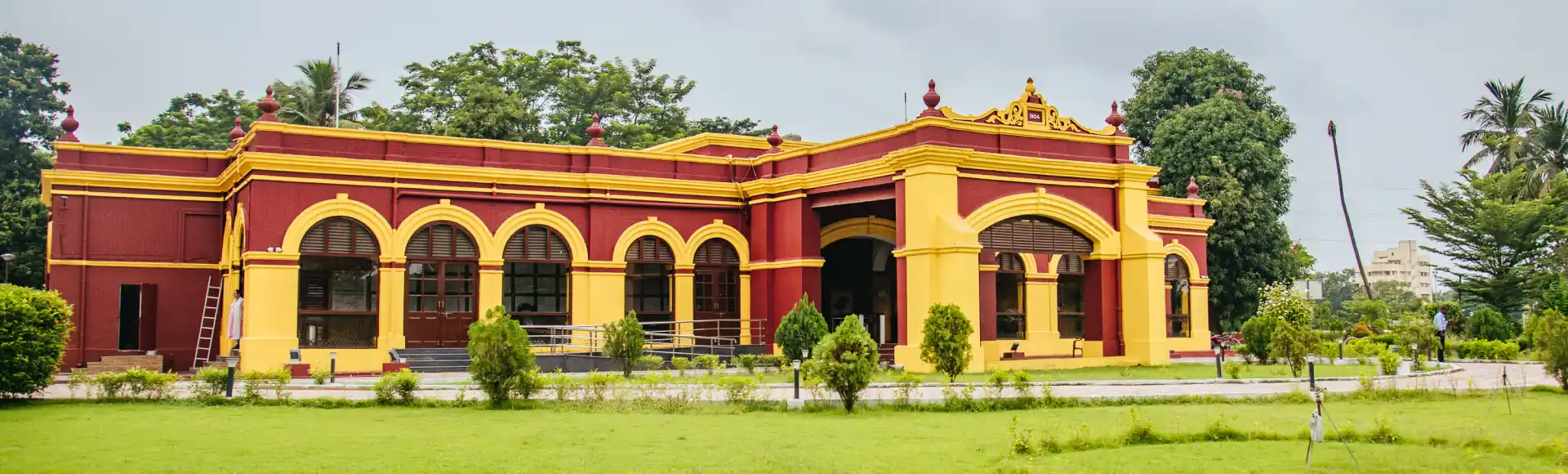
  3. 3Museum Of Justice
  4. 4Nandankanan Zoological Park
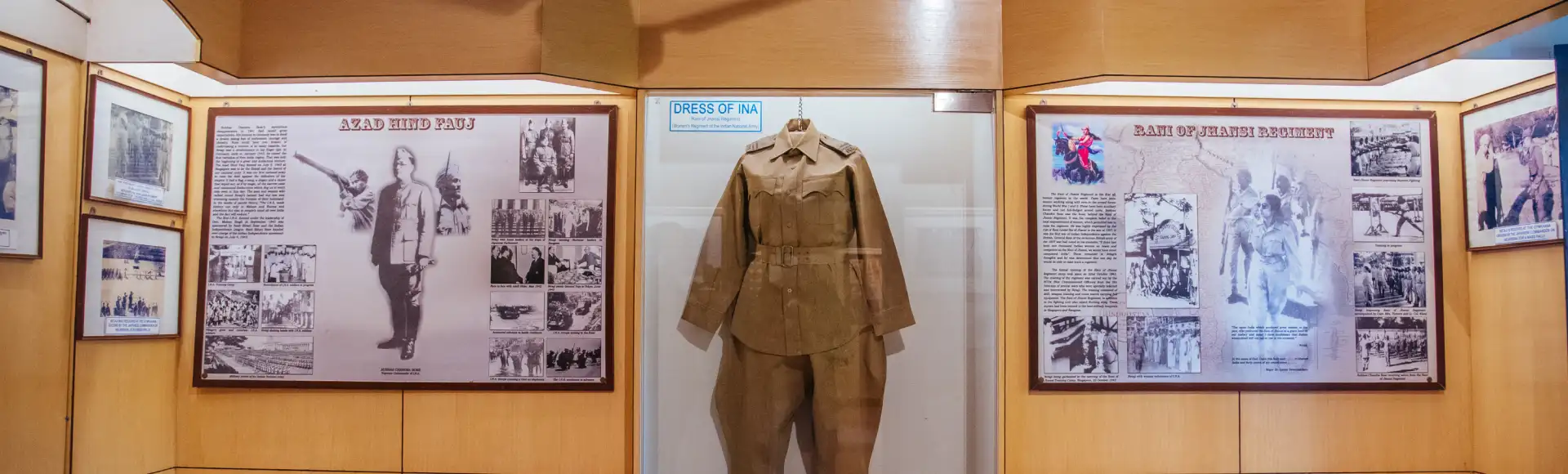
  5. 5Netaji Birth Place Museum (Oriya Bazaar Kataka)
  6. 6Odisha State Maritime Museum

Odisha

Other cities to explore