
Ghumoopedia — Explore, Discover, Experience
Sign in
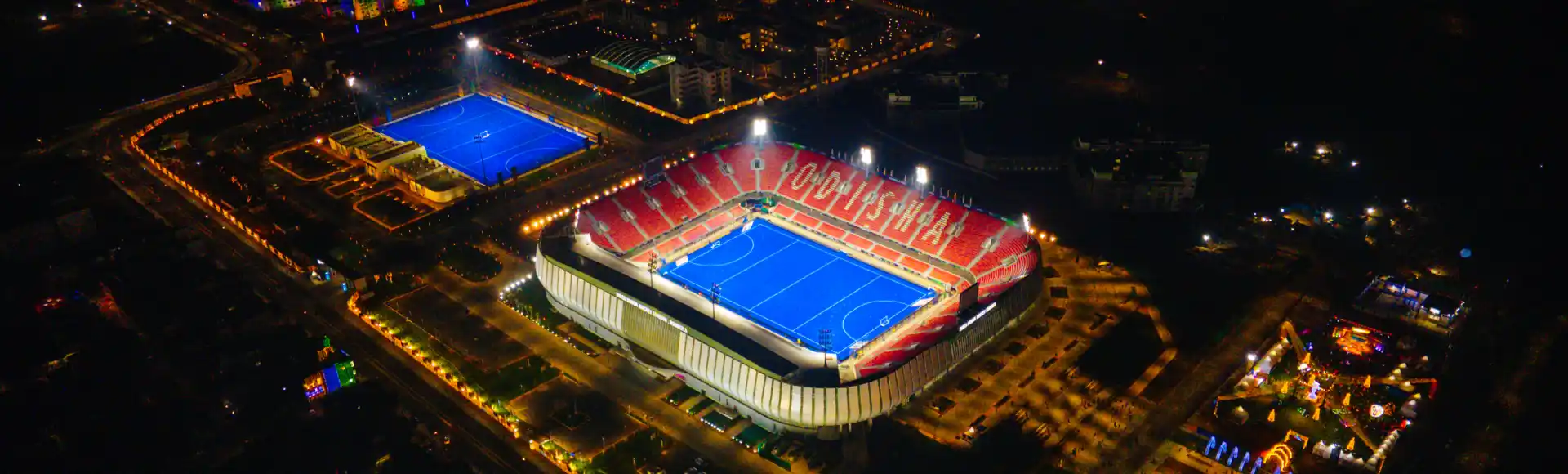
Birsa Munda International Hockey Stadium, near Rourkela

City guide · Odisha

Rourkela

Rourkela is a major industrial and educational centre in northern Odisha, in Sundargarh district. Often called Ispat Nagar or the Steel City, it grew around the Rourkela Steel Plant, a landmark of India’s public-sector steel industry.

Famous for

  • Rourkela Steel Plant
  • NIT Rourkela
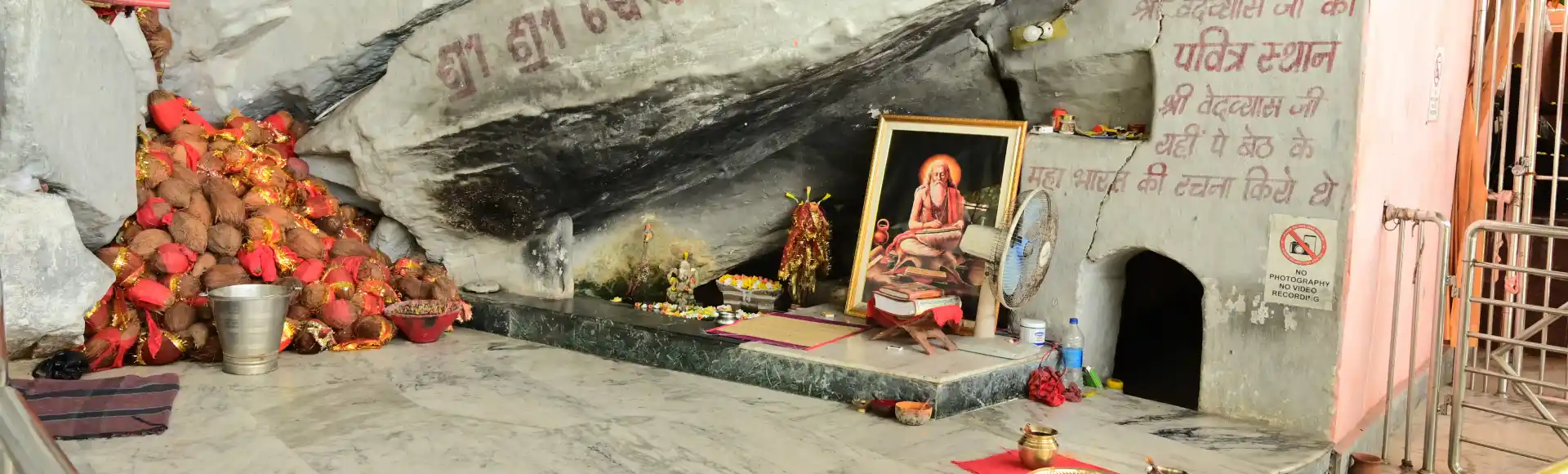
  • Vedvyas confluence
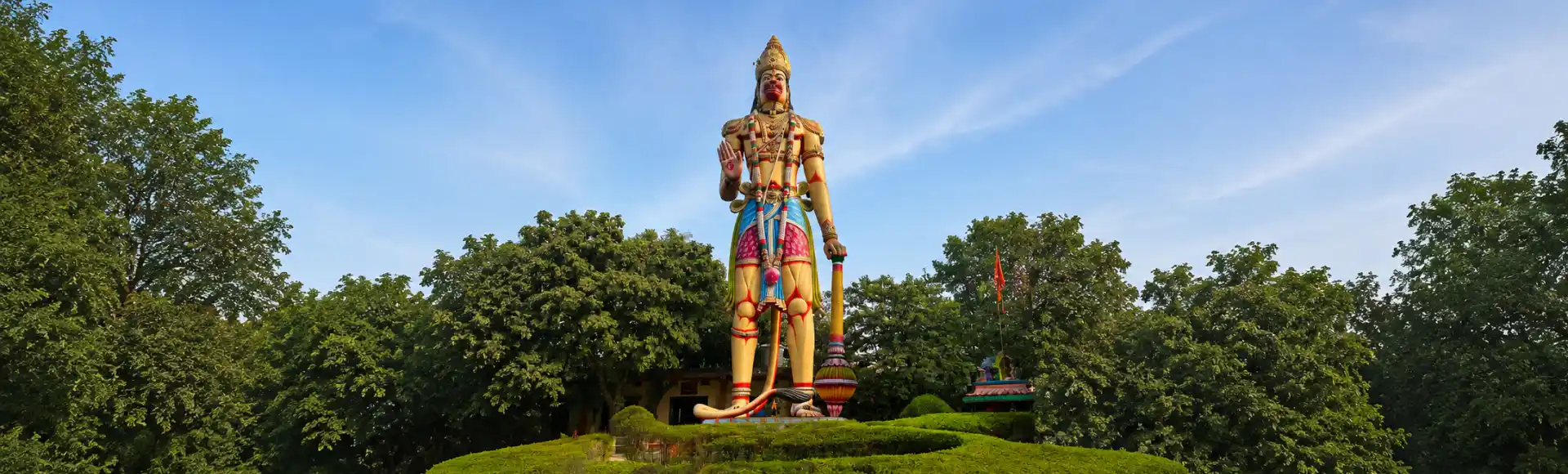
  • Hanuman Vatika
  • Odisha steel industry
In the city
3
District
Sundargarh

Why Rourkela matters

Rourkela is a major industrial and educational centre in northern Odisha, in Sundargarh district. Often called Ispat Nagar or the Steel City, it grew around the Rourkela Steel Plant, a landmark of India’s public-sector steel industry. The National Institute of Technology Rourkela adds a strong academic and research presence, while engineering, manufacturing and rail-related activity support the wider regional economy.

The city’s planned Steel Township, with its sector layout and green spaces, contrasts with the busier Civil Township and older market areas. Its setting among hills and forested landscapes gives it a different feel from Odisha’s coastal cities. Visitors can explore Hanuman Vatika and Vedvyas, where the Koel and Sankha rivers meet to form the Brahmani, or use Rourkela as a base for exploring the surrounding Sundargarh region. The city’s mix of industrial heritage, diverse communities and nearby natural scenery makes it an important stop in western and northern Odisha.
Famous for: crafts, trade & products

Rourkela is best known for steel and engineering rather than for a signature textile, handicraft or GI-tagged product. The Rourkela Steel Plant is the city’s defining industry, supported by manufacturing and engineering businesses across the surrounding industrial belt. NIT Rourkela is another major institution, known nationally for technical education and research. Industrial products are generally made for business and infrastructure supply chains, not sold as visitor souvenirs.

For everyday shopping, markets in areas such as Bisra Road, Udit Nagar and the sector centres serve local residents with clothing, household goods, food and regional specialties. Visitors looking for Odisha handloom, handicrafts or small gifts can check local craft and handloom retailers or seasonal exhibitions; selection may vary, and these are regional products rather than uniquely Rourkela-made goods. Sundargarh’s Adivasi communities have varied craft and artistic traditions, but visitors should ask sellers about the maker and place of origin. Local sweet shops and food markets are practical places to sample Odia snacks and sweets.

History

Before its industrial growth, the Rourkela area was forested and dotted with villages. It formed part of the princely state of Gangpur, which joined Odisha in 1948. After independence, the discovery and development of mineral resources nearby helped make the region a candidate for major industry. Land was acquired for the steelworks and related infrastructure, displacing many local families, including Adivasi communities; settlements such as Jalda and Jhirpani became home to some displaced residents.

The Rourkela Steel Plant was developed in the 1950s with technical and commercial collaboration from the German companies Krupp and Demag. Its construction brought workers and specialists from across India and Germany, reshaping the settlement into a planned industrial city. The Steel Township was laid out in sectors alongside the Civil Township and supporting railway and industrial facilities. The Regional Engineering College, now NIT Rourkela, was established in 1961, adding an enduring educational role to the city’s industrial identity.

Food, festivals & culture

Rourkela’s culture reflects its Adivasi roots and the many communities who came for work in industry, education and railways. Odia is widely spoken, alongside Hindi, Sadri and other languages used by local and migrant communities. Meals often include rice, dalma, vegetables and seasonal preparations; pakhala is popular in warm weather, while chakuli pitha and regional sweets such as chhena poda are familiar Odia treats. Food stalls and sweet shops offer an easy introduction to everyday local flavours.

Durga Puja is celebrated in autumn, while Rath Yatra usually falls in early summer. Nuakhai, the harvest festival observed after the monsoon, is especially meaningful to many families with western Odisha connections. Diwali, Christmas, Eid and Chhath are also observed across the city’s diverse communities. Temples and other places of worship serve neighbourhood life, with Hanuman Vatika among the city’s best-known religious sites. Cultural programmes may feature Odia music, Sambalpuri influences and Adivasi folk music and dance, particularly during festivals and community events.

Visiting the city

October to February is generally the most comfortable season to visit; summers can be very hot, and the monsoon brings heavy rain. Rourkela Airport is the closest airport, though flight availability can be limited; check current services before planning. For more flight options, travellers may need to consider airports in other regional cities. Rourkela Junction is the main railway station and lies on an important rail route.

Auto-rickshaws, taxis and local buses are useful for getting around, while the Ring Road links many major neighbourhoods and sectors. Explore the planned Steel Township, the markets of Civil Township and Udit Nagar, and Panposh and Vedvyas for riverside and religious sites. Hanuman Vatika is another prominent stop. Access to industrial premises, including the steel plant, may be restricted, so check visitor arrangements in advance.

Attractions

Places to visit in Rourkela

Sights within about 12 km of each other, even when they fall in different districts.

Map

Rourkela on the map

  1. 1Birsa Munda International Hockey Stadium
  2. 2Hanuman Vatika
  3. 3Ved Vyas Temple

Odisha

Other cities to explore