
Ghumoopedia — Explore, Discover, Experience
Sign in
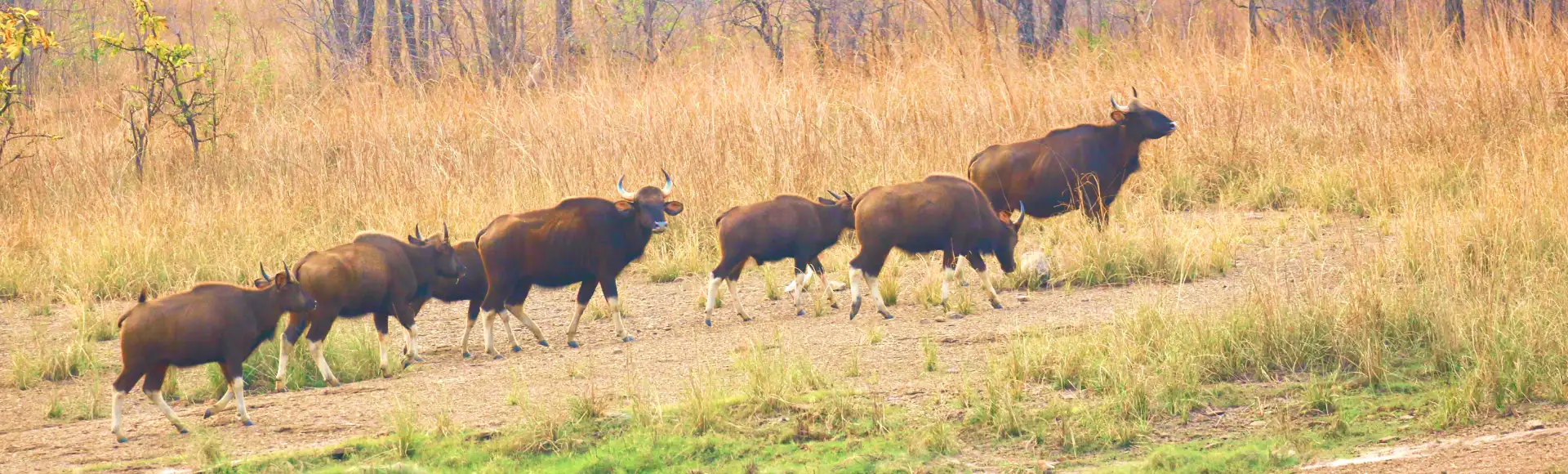
Debrigarh Wildlife Sanctuary, near Burla

City guide · Odisha

Burla

Burla is a town within Sambalpur Municipal Corporation in western Odisha, set beside the Mahanadi and close to Hirakud Dam. Its location gives it a distinctive mix of river-and-reservoir scenery, educational campuses and public institutions.

Famous for

  • Hirakud Dam
  • VSSUT engineering university
  • VIMSAR medical college
  • Sambalpur University
  • Sambalpuri handloom
In the city
2
Districts
Bargarh, Sambalpur

Why Burla matters

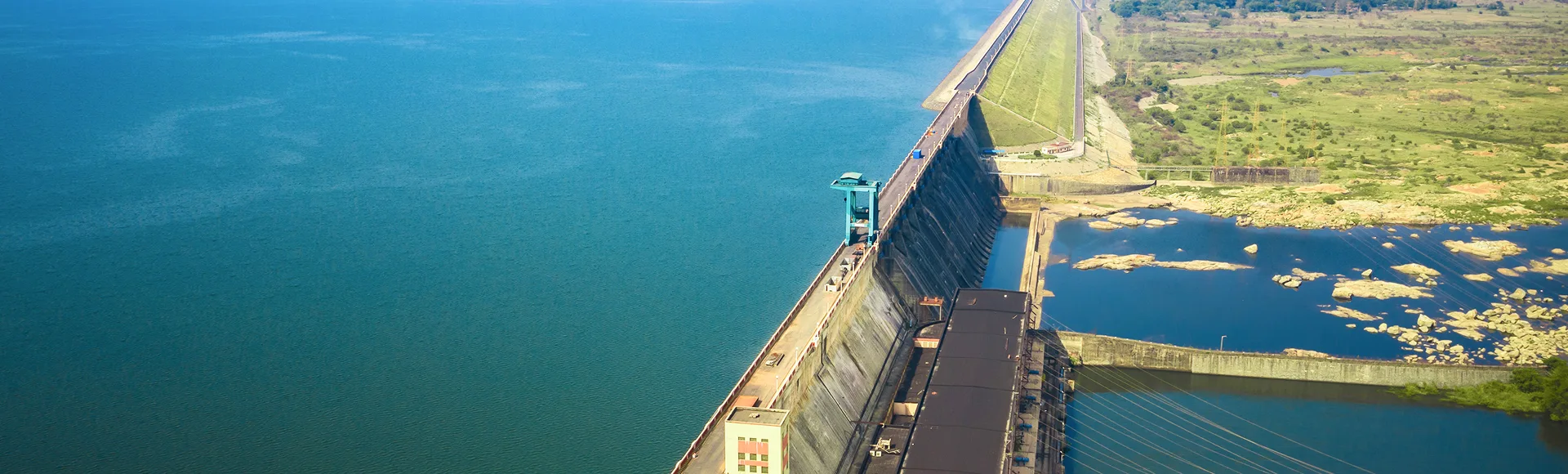
Burla is a town within Sambalpur Municipal Corporation in western Odisha, set beside the Mahanadi and close to Hirakud Dam. Its location gives it a distinctive mix of river-and-reservoir scenery, educational campuses and public institutions. The dam, about 2 km west of the town, is a major draw; viewpoints such as Jawahar Minar look across the reservoir and towards the Barapahad hills. Hirakud township lies on the far side of the dam.

Burla is also an important education and healthcare centre for the region. It is home to Veer Surendra Sai University of Technology, Veer Surendra Sai Institute of Medical Sciences and Research, and Sambalpur University, with its Institute of Information Technology. Students, staff and visitors give the town a lively, practical character. The compact centre includes the traditional Kaccha and Pukka market areas, while a national highway corridor links Burla with Sambalpur and other towns in western Odisha. For travellers, Burla works both as a base for visiting the dam and as a quieter complement to nearby Sambalpur.
Famous for: crafts, trade & products

Burla is best known for its educational and medical institutions rather than for a distinctive local craft industry. VSSUT, VIMSAR and Sambalpur University are major parts of its identity and draw students and visitors from across Odisha. The Mahanadi Coalfields Limited presence and the town’s connection to the Hirakud project also contribute to its working-town character.

The wider Sambalpur region is renowned for Sambalpuri Bandha, an ikat handloom tradition used in sarees and other fabrics. Designs are created by tying and dyeing yarn before weaving; Sambalpuri Bandha textiles have a Geographical Indication tag. Visitors can look for regional handloom products in Sambalpur’s shops and markets, as well as in Burla’s local retail areas, though choice varies. Burla’s Kaccha and Pukka markets have traditionally served everyday shopping, with small shops and stalls. They are useful places to browse local goods and snacks, but are not a dedicated craft bazaar. The town is not especially known for a separate GI-tagged product or a large handicrafts market of its own.

History

Burla’s modern growth is closely connected to the development of Hirakud Dam on the Mahanadi. The project was built in the decades after Indian independence, and its construction and related infrastructure helped expand the settlement and bring workers, services and institutions to the area. The dam remains a defining feature of Burla’s landscape and regional importance.

The town lies within the wider Sambalpur region, whose older history includes periods of Chauhan rule and later British colonial administration. Burla’s present character, however, is chiefly shaped by post-independence development rather than by a historic royal centre or colonial-era urban core. The establishment of engineering, medical and university institutions strengthened its role as an education and healthcare hub. Burla previously had its own Notified Area Council; in 2014 it became part of Sambalpur Municipal Corporation. Its markets and residential areas continue to serve a population connected to the dam, campuses and nearby Sambalpur.

Food, festivals & culture

Everyday food in Burla reflects western Odisha and the broader Odia kitchen. Rice and dal are staples; pakhala, rice served with water after fermentation, is especially welcome in hot weather. Local eateries and stalls commonly offer snacks such as bara, ghuguni and chakuli pitha. Sweets and festive foods vary by shop and season, while regional favourites include arisa pitha and other rice-based cakes.

Nuakhai, the harvest festival usually celebrated in late summer or early autumn, is a major occasion across western Odisha, marked by family gatherings and new-season rice. Rath Yatra, Durga Puja and Diwali are also observed; Sital Sasthi, celebrated around May or June in Sambalpur, is a prominent regional festival. Sambalpuri folk traditions include Dalkhai songs and dance, heard especially at festive and community events. Sambalpuri is widely spoken alongside Odia and Hindi. For worship and heritage, visitors can explore temples in Burla and the well-known Samaleswari Temple in nearby Sambalpur.

Visiting the city

The cooler months, roughly October to February, are generally the most comfortable for exploring Burla and the Hirakud reservoir. The nearest airport is Veer Surendra Sai Airport at Jharsuguda. Hirakud railway station is at the edge of Burla; Sambalpur Junction is another important rail gateway for the area. Road links connect the town with Sambalpur and the wider region.

Auto-rickshaws and local buses are practical options for getting around, while a hired vehicle can be useful for visiting dam viewpoints and nearby sites. Begin in the Kaccha and Pukka market areas to see the town centre, then explore the university and institutional campuses from public roads or designated visitor areas. Allow time for the Hirakud Dam and Jawahar Minar; check locally for access conditions, as entry to dam facilities may be restricted. Across the dam, Hirakud township offers another perspective on the reservoir.

Attractions

Places to visit in Burla

Sights within about 12 km of each other, even when they fall in different districts.

Map

Burla on the map

  1. 1Debrigarh Wildlife Sanctuary
  2. 2Hirakud Dam

Odisha

Other cities to explore