
Ghumoopedia — Explore, Discover, Experience
Sign in
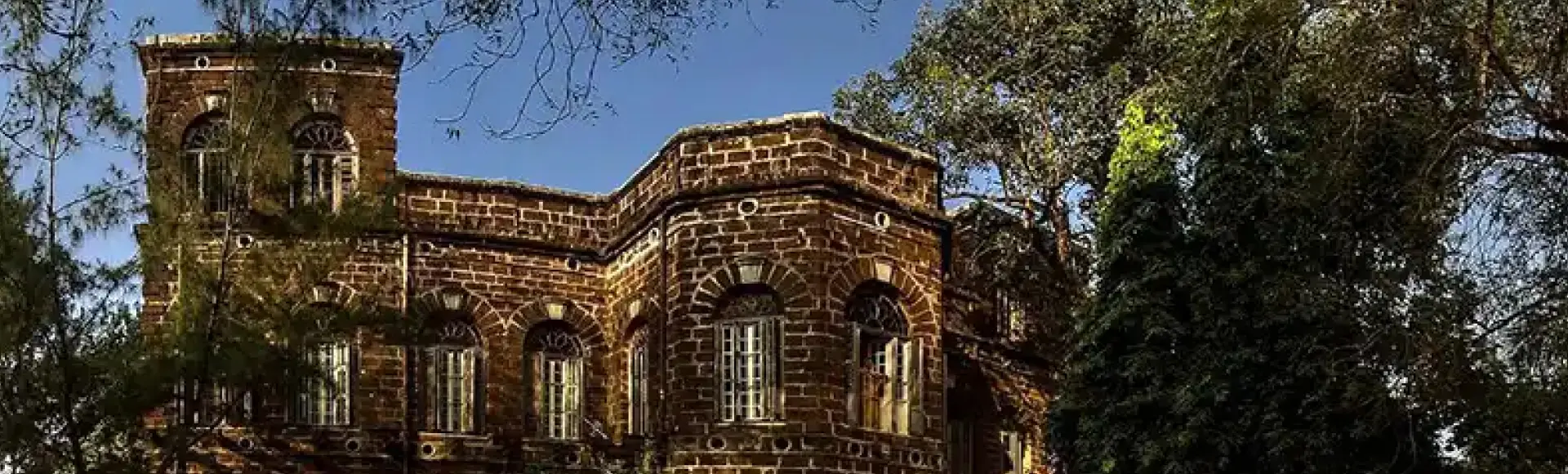
Killa Dalijoda, near Choudwar

City guide · Odisha

Choudwar

Choudwar is a municipality in Cuttack district, set near the Mahanadi and Birupa rivers and closely connected to the larger Cuttack urban area. Its location makes it part of an important regional corridor, while its industrial history gives it a character distinct from nearby temple and trading towns.

Famous for

  • Indian Metals and Ferro Alloys
  • Keshari-era shrine heritage
  • Odisha textile-mill legacy
  • Mahanadi-Birupa river setting
  • Choudwar's industrial character
In the city
1
District
Cuttack

Why Choudwar matters

Choudwar is a municipality in Cuttack district, set near the Mahanadi and Birupa rivers and closely connected to the larger Cuttack urban area. Its location makes it part of an important regional corridor, while its industrial history gives it a character distinct from nearby temple and trading towns. The town is associated with Indian Metals & Ferro Alloys Limited and with large textile and paper mills that once employed local workers and shaped its growth.

Visitors interested in Odisha’s past can explore the area’s Keshari-era heritage and places of worship, including Baidyeswar temple near Agrahat. Local tradition also links Choudwar to an ancient fort with four gates, though this account is best understood as a historical tradition rather than a confirmed landmark. Today, Choudwar is known chiefly for its industrial identity, river-side setting and proximity to Cuttack. It can be a useful base for exploring the region, but it is not a major resort destination; its appeal lies in local history and everyday urban life.

Famous for: crafts, trade & products

Choudwar is better known for industrial production than for a distinctive local handicraft or a widely marketed textile tradition. Indian Metals & Ferro Alloys Limited is a major part of its industrial identity. The town also remembers the Odisha Textile Mills, which operated for decades before closing, and the Titagarh paper mill, which produced paper and newsprint before its shutdown in 2003. These former mills are part of the town’s industrial story, not dependable places to buy current products.

A large integrated textile and warehousing project by the Welspun Group was announced for Choudwar, with its foundation stone laid in 2024; visitors should check locally for its current status before expecting it to operate as a shopping destination. There is no widely recognised Choudwar-specific GI-tagged product or established tourist craft market to point to. For everyday goods, residents use local shops and markets, while Cuttack offers a broader range of shopping. Choudwar College and local technical training institutions are also part of the town’s educational and skills landscape.

History

Choudwar is associated with the Somavanshi, also called Keshari, rulers of Odisha and is traditionally described as an important centre, possibly serving as a royal capital. The dynasty is credited with establishing eight prominent shrines in the vicinity; their remains are now largely in ruins. The town’s name is commonly explained as a combination of words meaning “four gates,” linked in local tradition to an old fort. Stories connecting the area with the Mahabharata, including the Pandavas’ exile, belong to local legend rather than established historical evidence.

During British rule, Choudwar’s fortunes were closely tied to nearby Cuttack and the wider region, though its later industrial expansion became its defining transformation. Textile and paper production brought large-scale employment and shaped the town’s urban life. The Odisha Textile Mills and Titagarh paper mill later closed, while Indian Metals & Ferro Alloys remained a prominent industrial presence. In 2024, a foundation stone was laid for a proposed large textile and warehousing complex, signalling renewed interest in manufacturing investment.

Food, festivals & culture

Choudwar shares the foodways and festival calendar of coastal Odisha. Everyday meals commonly include rice, dal, vegetable preparations and fish; pakhala, a fermented rice dish often enjoyed in warm weather, is familiar across the region. Dalma, made with lentils and vegetables, and sweets such as chhena poda are also part of the wider Odia culinary tradition, though they are not unique to Choudwar.

Durga Puja and Kali Puja are observed in autumn, while Rath Yatra usually falls in the summer and Raja is celebrated around the monsoon season. Local observances centre on neighbourhood pandals, family gatherings and worship at temples. Odia is the principal language of the region, with Hindi and English also understood by many people. The town’s cultural life is rooted in Odia devotional practice and community celebrations; Odissi music and dance belong to the wider state tradition rather than being a distinct Choudwar-specific form. Baidyeswar temple near Agrahat is a notable local place of worship.

Visiting the city

The cooler, drier months from October to February are generally the most comfortable time to visit. The nearest major airport is Biju Patnaik International Airport in Bhubaneswar; Cuttack Junction is the main railway station for reaching the area. From Cuttack, visitors can continue to Choudwar by road using local taxis or other available transport. Auto-rickshaws and local road transport are useful for short trips within town, though availability and routes can vary.

Explore the town’s everyday markets and industrial neighbourhoods, then visit the river-side surroundings or travel towards Agrahat for Baidyeswar temple. Charbatia is another local area of interest. Choudwar is compact enough for short local outings, but check access before setting out for former industrial sites or archaeological remains, as these may not be open to visitors.

Attractions

Places to visit in Choudwar

Sights within about 12 km of each other, even when they fall in different districts.

Map

Choudwar on the map

  1. 1Killa Dalijoda

Odisha

Other cities to explore