
Ghumoopedia — Explore, Discover, Experience
Sign in
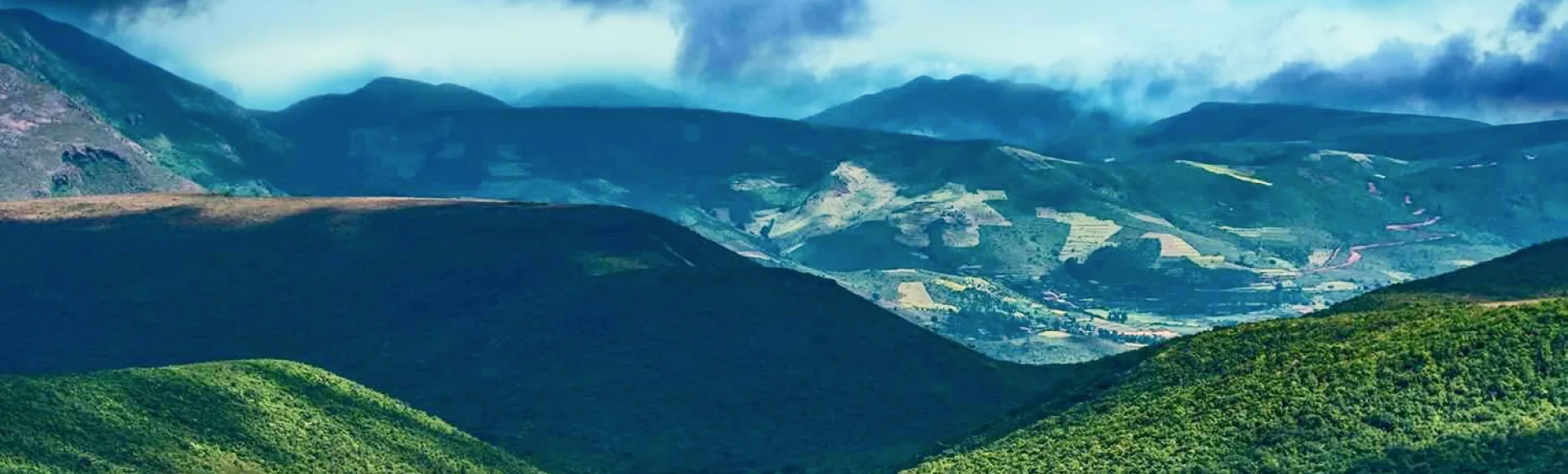
Deomali Hills, near Sunabeda

City guide · Odisha

Sunabeda

Sunabeda is an industrial township in Odisha’s Koraput region, set amid forested hills at roughly 1,000 metres above sea level. Its most prominent institution is Hindustan Aeronautics Limited (HAL), whose engine and Sukhoi divisions make components including engines for the Indian Air Force’s Su-30MKI fleet.

Famous for

  • HAL aircraft engines
  • Sukhoi Su-30MKI production
  • Planned HAL township
  • Koraput hill scenery
  • Fishing boats and nets
In the city
0
Nearby
2
District
Koraput
Plan a trip

Why Sunabeda matters

Sunabeda is an industrial township in Odisha’s Koraput region, set amid forested hills at roughly 1,000 metres above sea level. Its most prominent institution is Hindustan Aeronautics Limited (HAL), whose engine and Sukhoi divisions make components including engines for the Indian Air Force’s Su-30MKI fleet. The factory, residential sectors and public institutions give Sunabeda a distinctive planned-town character, quite different from the surrounding villages and smaller market centres.

The town also serves as a base for exploring the highlands around Koraput, with winding roads, green slopes and the Kolab reservoir shaping the landscape. Visitors come for the scenery and the unusual presence of a major aerospace undertaking in a remote hill setting, rather than for a large historic monument district. Nearby establishments include the Naval Armament Depot, the Central University of Odisha and a CRPF CoBRA headquarters. HAL’s nursery and adjoining deer park are among the local attractions. Sunabeda is also associated with fishing-boat and net making, reflecting livelihoods connected with the reservoir and nearby communities.
Famous for: crafts, trade & products

Sunabeda’s defining industry is aerospace manufacturing. HAL’s engine and Sukhoi divisions are linked to production of the Saturn AL-31 engine used by the Su-30MKI. The factory is a major employer and shapes much of the township’s layout. The Naval Armament Depot and nearby public institutions add to the town’s role as an industrial and administrative centre. These facilities are not conventional visitor attractions, and access to working sites may be restricted.

The town is not especially known for a signature textile, saree, handicraft or GI-tagged product. A more distinctive local trade is the making of fishing boats and nets, connected with fishing around the Kolab reservoir; Sunabeda-3 and the surrounding area are associated with this work. Timber and engineering activity also formed part of the town’s industrial history. For everyday shopping, visitors can look to local markets in the Sunabeda-3 notified area and nearby Semiliguda, rather than expect a dedicated craft bazaar. HAL’s nursery and deer park offer a way to experience the township’s landscaped side, while the Central University of Odisha is an important educational institution in the wider area.

History

Before the township was built, the area was known as Old Sunabeda and was inhabited by Indigenous communities. The establishment of HAL’s Aero Engine Factory project, begun around 1965, transformed the valley into a planned industrial settlement. The project required the displacement of people from villages including Chikapar. Although the factory was developed with Russian collaboration, Odisha state engineers carried out the township and factory construction. The employee residential area became known as AEF Colony, alongside the HAL township and the separate notified area.

After the 1971 Indo-Pakistani War, a camp for refugees from Bangladesh was established; it developed into Sunabeda-3, which has a substantial Bengali Hindu community. Timber and engineering works and fishing-related trades added to local livelihoods. Growth slowed after the original factory project began production and recruitment diminished. The Naval Armament Depot and NALCO’s nearby operation at Damanjodi helped sustain the wider area from the late 1980s. Later, renewed Sukhoi production brought a new phase of activity to HAL, while the university and CoBRA headquarters added institutional roles.

Food, festivals & culture

Sunabeda’s culture reflects the mix of Indigenous communities, Odia-speaking residents, HAL employees and families who settled from elsewhere, including Bengali Hindus in Sunabeda-3. Odia is widely used, while regional languages and varieties such as Desia and Kui are heard in the wider Koraput area; Bengali and Hindi are also spoken. Rice, lentils, seasonal vegetables and millet-based dishes are part of the broader regional food tradition. Pakhala, dalma and ragi preparations are familiar Odisha and highland foods, though menus vary between homes and eateries.

Festivals are observed across communities. Durga Puja is prominent among Bengali Hindu residents, usually in September or October, while Diwali and other Hindu festivals are also celebrated. Nuakhai, associated with the harvest and commonly observed in late summer or early autumn, is important in western Odisha and parts of the region. Tribal festivals and gatherings may feature group singing and Dhemsa dance, known across southern Odisha. Neighbourhood temples and other community places of worship provide local gathering points; visitors should ask locally about public celebrations and appropriate etiquette.

Visiting the city

October to March is generally the most comfortable period to visit, with cooler weather for exploring the hills; monsoon months bring lush scenery but can make road journeys slower. Jeypore Airport is the nearest regional airport. Koraput Junction is the main railway station for reaching the area, while Dumuriput is a closer rail stop; connections and onward transport should be checked before travel. Sunabeda lies on National Highway 26 and is reached by road from Koraput, with buses and taxis serving the route.

Within town, taxis and local vehicles are useful for getting between the separated areas. Explore the HAL township’s planned sectors, the AEF Colony and Sunabeda-3, and visit HAL Nursery and its adjoining deer park where access is permitted. Semiliguda is nearby for local services and markets. The factory is an operating defence facility, so visitors should not assume public access to its premises.

Short trips

Around Sunabeda

Within about 40 km — easy half-day or day trips from the city.

Map

Sunabeda on the map

  1. 1Deomali Hills
  2. 2Sahasra Shivalinga Temple

Odisha

Other cities to explore