Ghumoopedia — Explore, Discover, Experience
Sign in
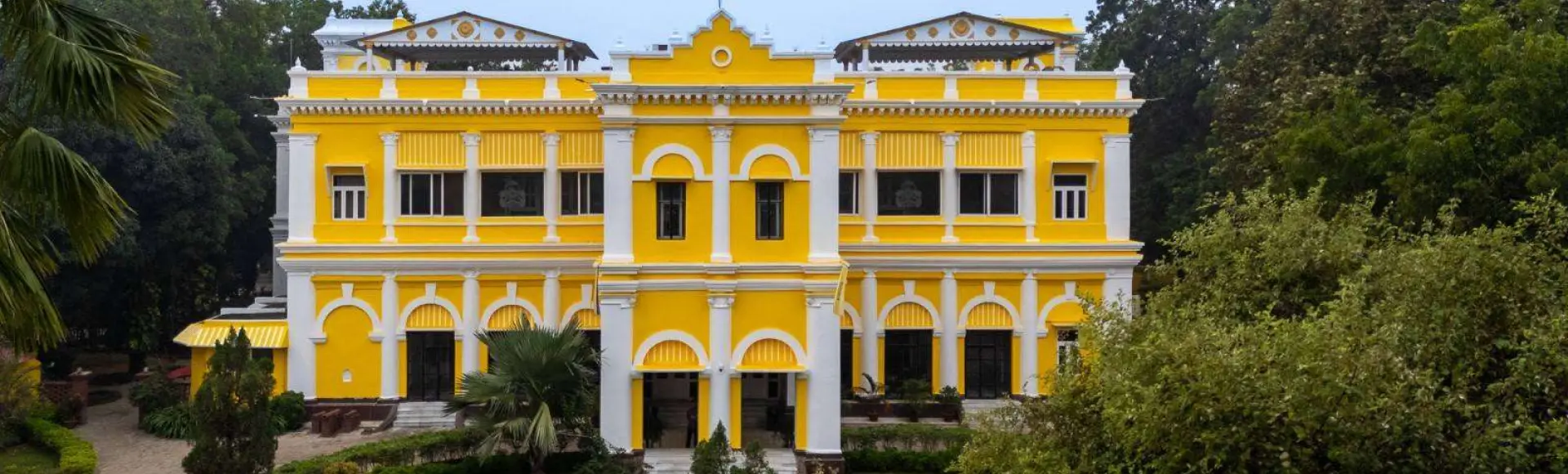
The Belgadia Palace, near Baripada

City guide · Odisha

Baripada

Baripada is the administrative headquarters of Mayurbhanj district and an important centre for northern Odisha. Government offices, courts, colleges and local businesses make it a regional hub, while its cultural life and historic temples give the city a strong identity.

Famous for

  • Mayurbhanj Chhau dance
  • Baripada Rath Yatra
  • Jagannath Temple
  • Gateway to Similipal
  • Sabai-grass crafts
In the city
1
Nearby
3
District
Mayurbhanj

Why Baripada matters

Baripada is the administrative headquarters of Mayurbhanj district and an important centre for northern Odisha. Government offices, courts, colleges and local businesses make it a regional hub, while its cultural life and historic temples give the city a strong identity. Odia is widely spoken, alongside languages used by the district’s diverse communities.

Visitors come for the Jagannath Temple, the distinctive Baripada Rath Yatra and performances of Mayurbhanj Chhau, a vigorous dance tradition from the region. Baripada is also a useful base for exploring the wider district, especially Similipal, whose forests, wildlife and waterfalls draw nature travellers. The Budhabalanga River runs beside the city, and ponds and shrines are part of its urban landscape. Baripada’s appeal is less about a single landmark than the combination of a working district town, living traditions and access to the varied landscapes of Mayurbhanj.

Famous for: crafts, trade & products

Baripada is best known regionally for Mayurbhanj Chhau, while the wider district is associated with Sabai grass, used to make ropes, mats, baskets and other household goods. These products are most readily sought in local markets and craft outlets in Baripada; selection can vary, and village makers’ groups elsewhere in Mayurbhanj may offer a closer look at how the crafts are made. The district also has a tradition of tasar silk, though availability is not as consistent as everyday market goods.

The town’s bazaars serve residents from across the district, with shops selling clothing, household wares, produce and seasonal goods. Ask locally about handloom and craft sellers rather than assuming that every item is made in the city. Baripada is also an educational centre, with Maharaja Sriram Chandra Bhanja Deo University and professional colleges contributing to its regional role. There is no need to look for one signature shopping street: the central market area is a practical place to browse, compare goods and ask about locally made crafts.

History

Baripada was recorded as Burpuddah on a map published by East India Company surveyor Major James Rennell in 1779. It became the headquarters of the Mayurbhanj princely state toward the end of the 18th century, replacing Haripur. An old mud fort once stood in the town centre, but its remains have disappeared; the Ambika Devi shrine is among the surviving reminders of the earlier settlement. The Jagannath Temple, traditionally dated to 1575, is regarded as the town’s oldest major structure.

Baripada grew more substantially under Maharaja Jadunatha Bhanja and his successors, including Maharaja Sriram Chandra Bhanj Deo, who supported public works. In the early 20th century, the Mayurbhanj State Railway linked the town with Rupsa, strengthening trade and movement. After Mayurbhanj joined the Indian Union in 1949, Baripada continued to develop as a district headquarters. Its planned older centre sits alongside newer, more spread-out neighbourhoods.

Food, festivals & culture

Mayurbhanj Chhau is the region’s best-known performance tradition: a martial, energetic dance that uses movement and rhythm to tell stories. Chaitra Parva, usually held in spring, is an important occasion for performances and community celebrations. Baripada’s Rath Yatra is another major event; the city is particularly known for women pulling the chariot of Subhadra. Durga Puja is also celebrated, while Jagannath Temple remains an important place of worship through the year.

Odia is the main language of everyday life, and Santali, Bengali and Hindi are also heard. Meals commonly feature rice, dal, vegetables and fish; pakhala, a rice dish served with water, is especially welcome in hot weather. Mudhi with mutton is a popular local-style combination, while Odisha sweets such as chhena poda can be found in town sweet shops. The city’s cultural character reflects both Odia traditions and the many communities of Mayurbhanj.

Visiting the city

October to February is generally the most comfortable season for sightseeing. Spring is a good choice for visitors hoping to experience Chaitra Parva, though festival dates vary. Baripada Railway Station is the town’s main rail station. There is no major airport in the city; travellers commonly plan flights through Biju Patnaik International Airport in Bhubaneswar or Netaji Subhas Chandra Bose International Airport in Kolkata, then continue by road or rail.

Auto-rickshaws and local taxis are useful for getting around town, with buses and hired vehicles serving longer journeys. Explore the older central area around Jagannath Temple and the local bazaars, and ask locally for access to the Ambika Devi shrine and riverside spots along the Budhabalanga. Baripada is also a convenient starting point for onward travel to Similipal; arrange transport ahead for visits into the wider reserve area.

Attractions

Places to visit in Baripada

Sights within about 12 km of each other, even when they fall in different districts.

Short trips

Around Baripada

Within about 40 km — easy half-day or day trips from the city.

Map

Baripada on the map

  1. 1The Belgadia Palace
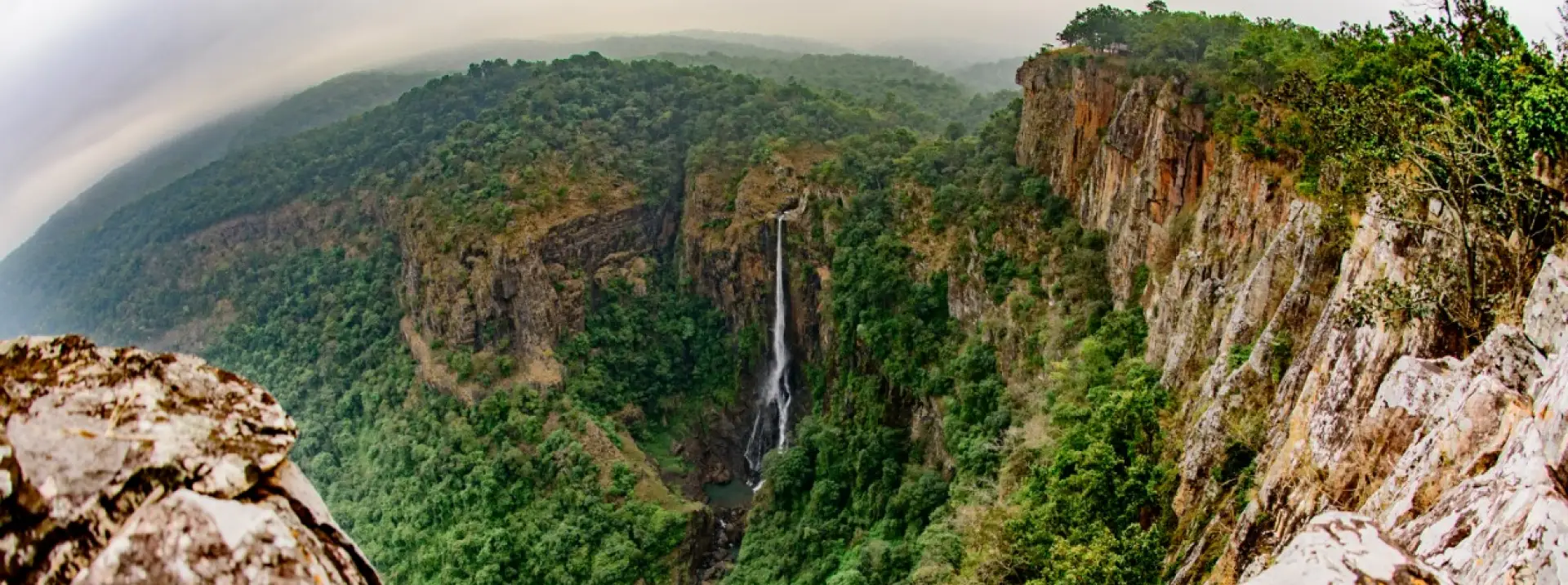
  2. 2Barehipani Waterfall
  3. 3Joranda Waterfall
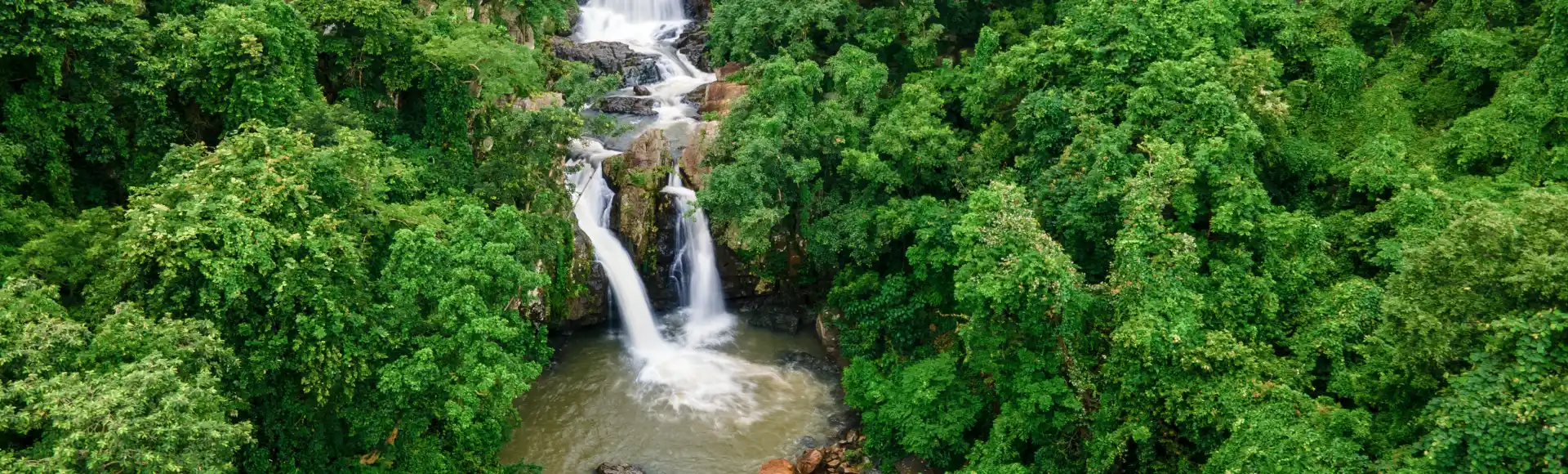
  4. 4Sitakund Waterfall

Odisha

Other cities to explore