Ghumoopedia — Explore, Discover, Experience
Sign in
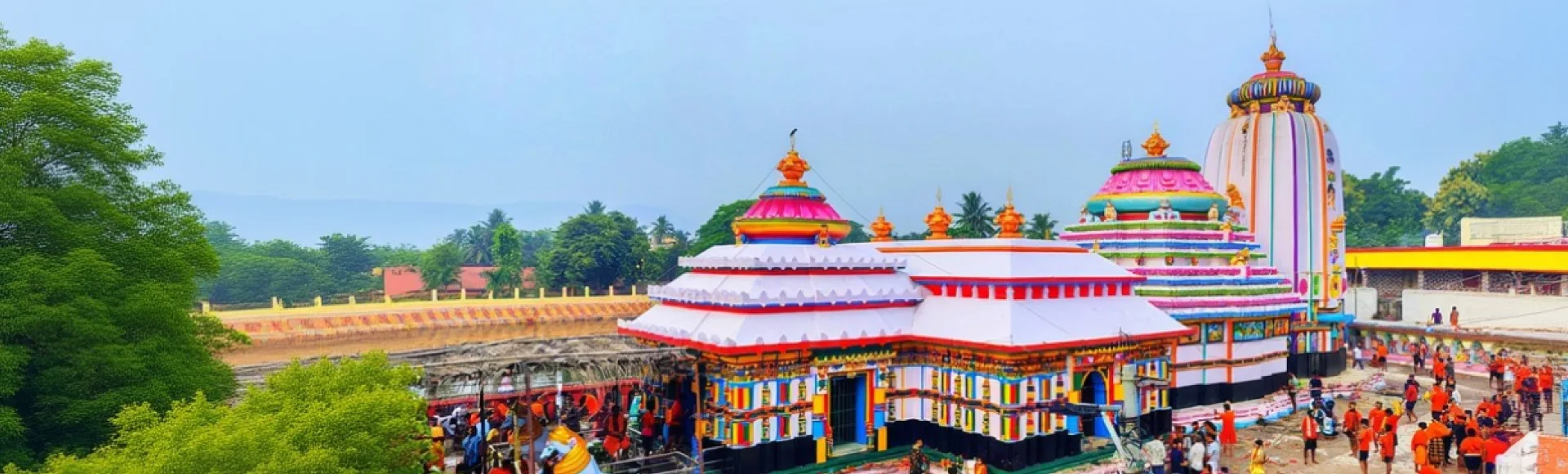
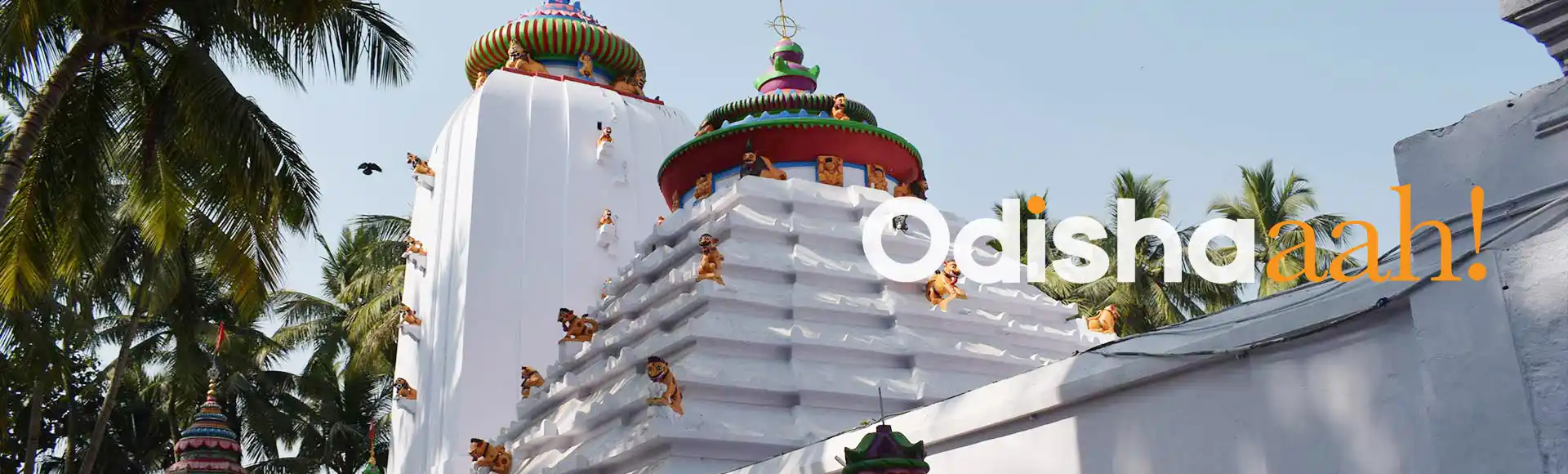
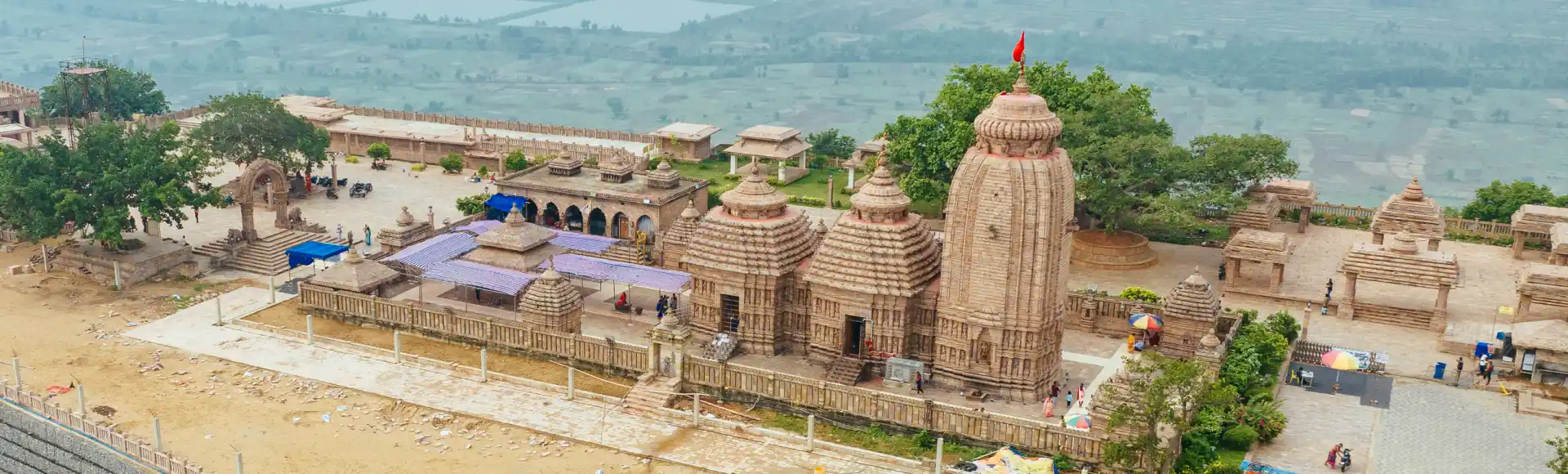
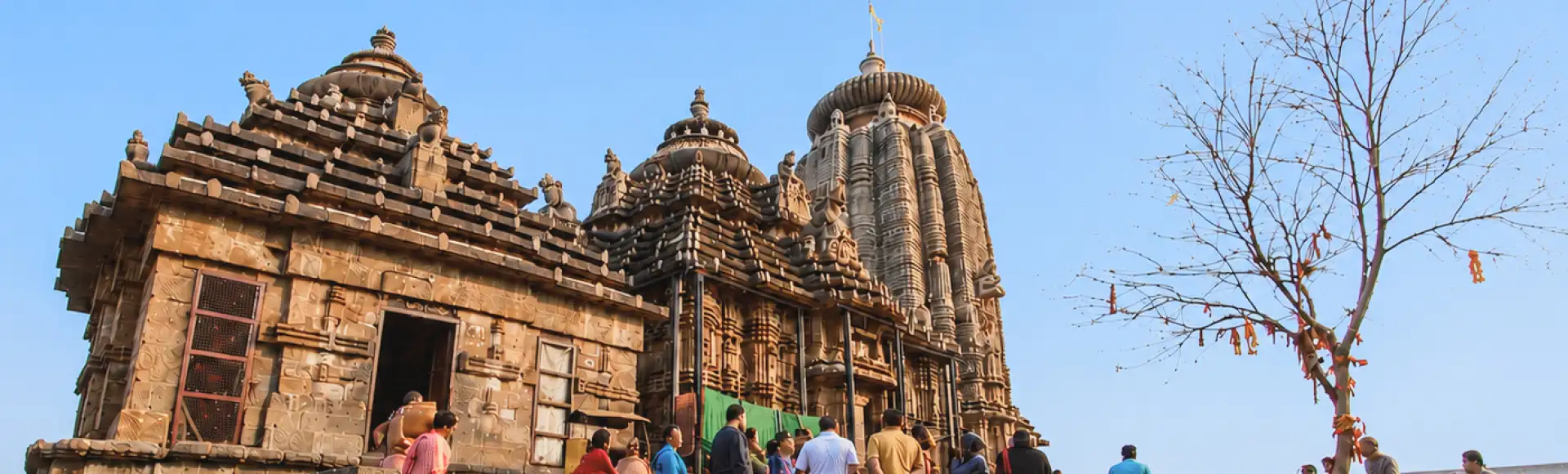
Ananta Basudeva Temple, Odisha

State · East India

Odisha

Temple cities, Chilika lagoon, Konark's sun chariot and a deep tribal heritage.

Capital
Bhubaneswar
Districts
30
Destinations
114
Plan a trip in Odisha

Overview

Understanding Odisha

Culture

Odissi dance, Pattachitra and Sambalpuri weaves.

Food

  • Dalma
  • Chhena poda

Festivals

  • Rath Yatra
  • Konark Dance Festival
  • Durga Puja

Experiences here

  • Spiritual
  • Heritage
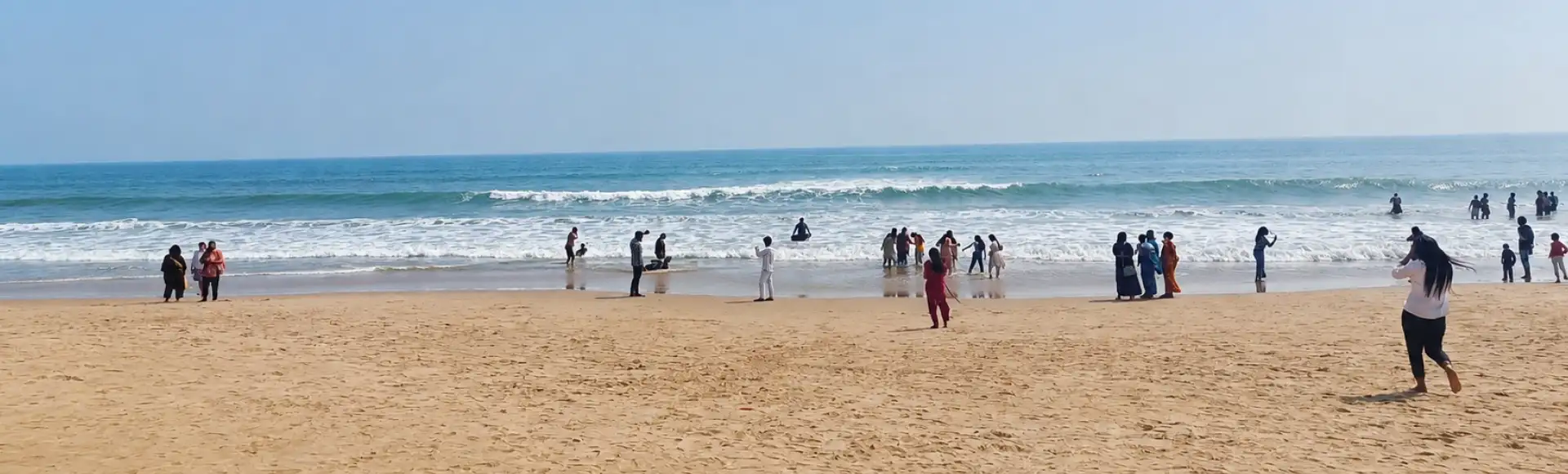
  • Beach
  • Tribal
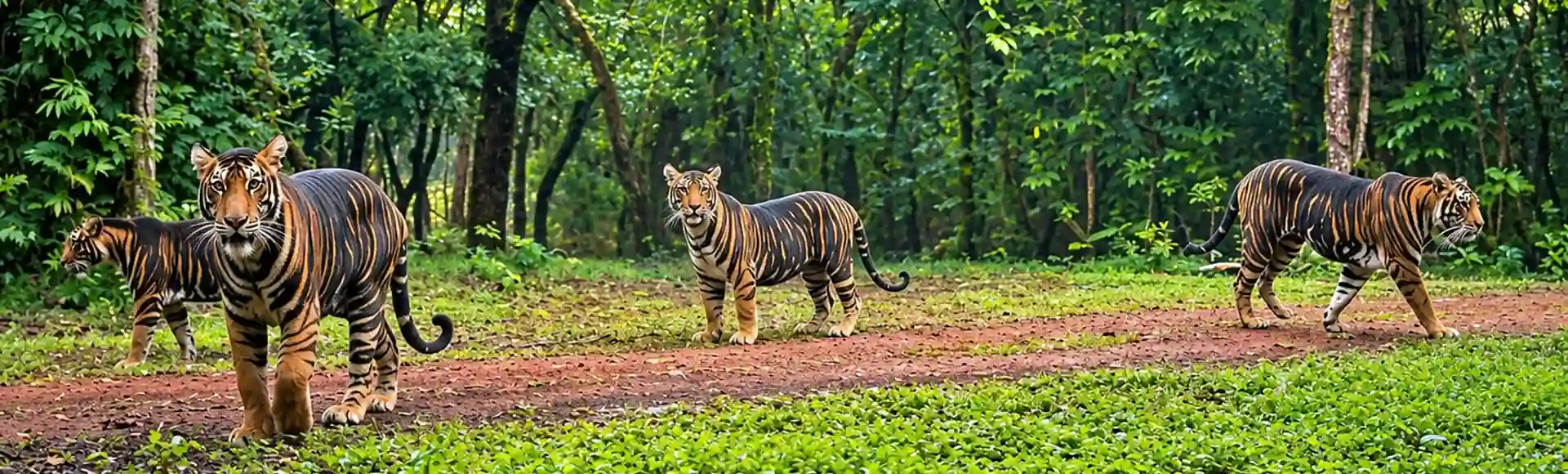
  • Wildlife
  • Festivals

Verified by the Ghumoopedia editorial team on 21 Nov 2026. Written and reviewed by Ghumoopedia's editors. Timings, fees and permits can change, so check them with the managing authority shortly before you travel.

The complete guide

Odisha: a traveller's guide

Why visit

Odisha brings together experiences that are often separated across other journeys: monumental temples, a living coastal culture, wetlands rich in birdlife, forested hills and communities with distinct artistic traditions. In Bhubaneswar, Puri and Konark, architecture and pilgrimage shape the journey; at Chilika Lake and Bhitarkanika National Park, boats and wildlife offer a very different pace. The Konark Sun Temple, designed as a stone chariot, is among the state’s most recognisable landmarks, while sites such as Ratnagiri and Udayagiri & Khandagiri Caves reveal Buddhist and Jain histories. The range makes Odisha rewarding for first-time visitors as well as travellers returning to explore beyond the coast.

Choose it for a temple and heritage circuit, a wildlife-focused break, a beach holiday, or a slower route through craft villages and tribal regions. Food lovers can seek out dishes such as dalma and the caramelised baked sweet chhena poda; culture-focused visitors may encounter Odissi dance, Pattachitra painting and Sambalpuri weaving. Journeys can combine the well-connected coastal cities with quieter places such as Koraput, Kandhamal or Mayurbhanj, although reaching remote attractions usually takes more planning. Odisha suits curious travellers who value varied landscapes and cultural depth over a single, uniform holiday.
Landscape & climate

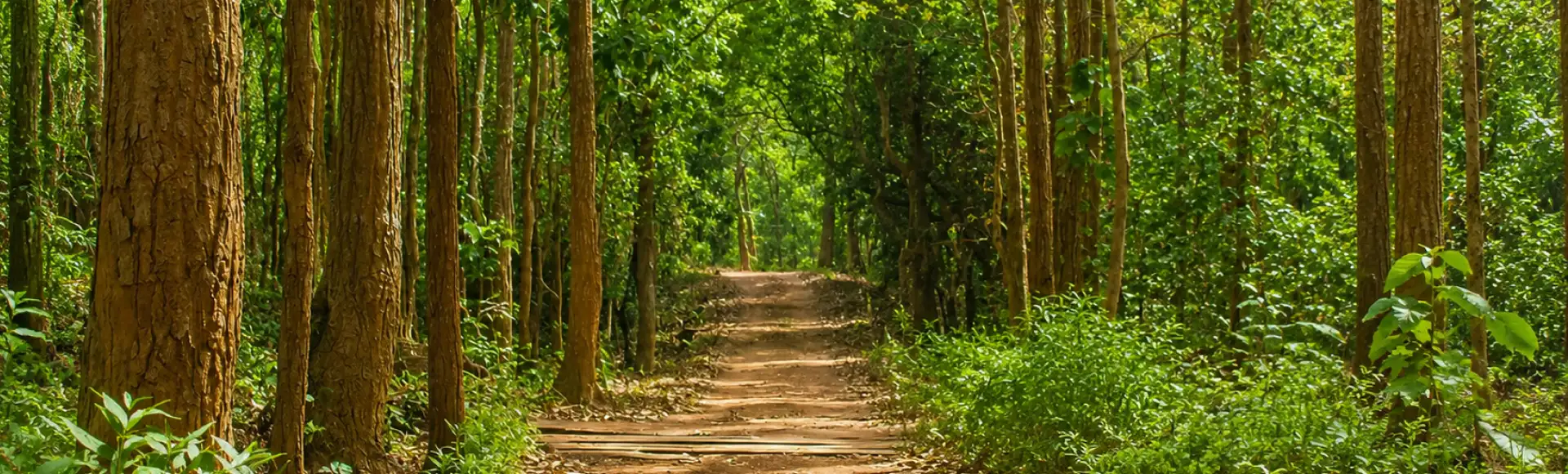
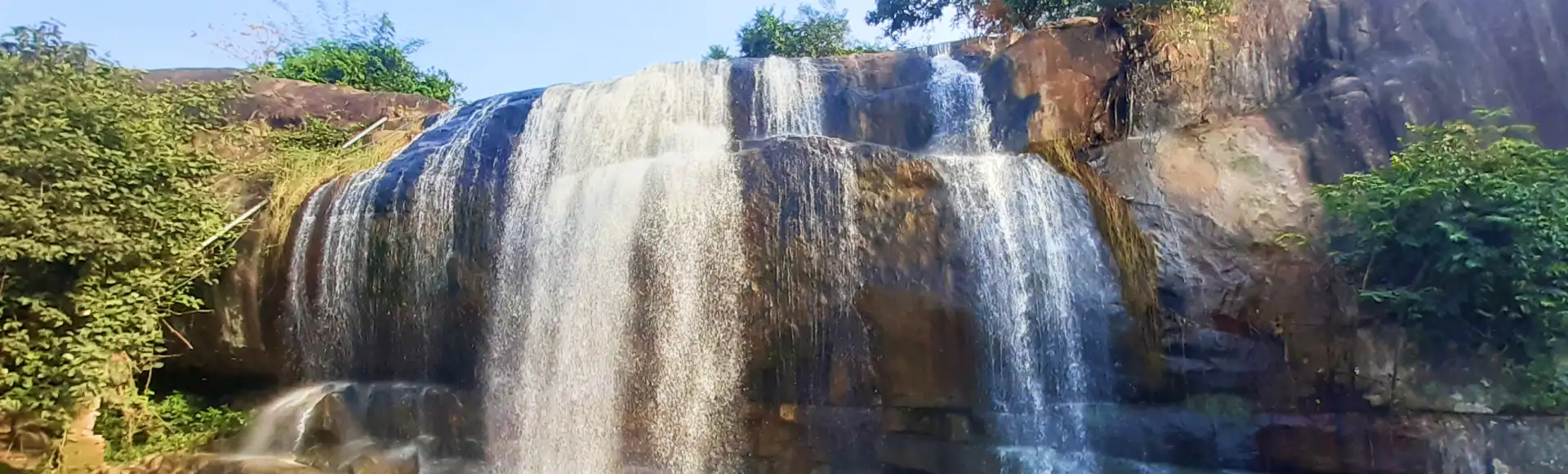
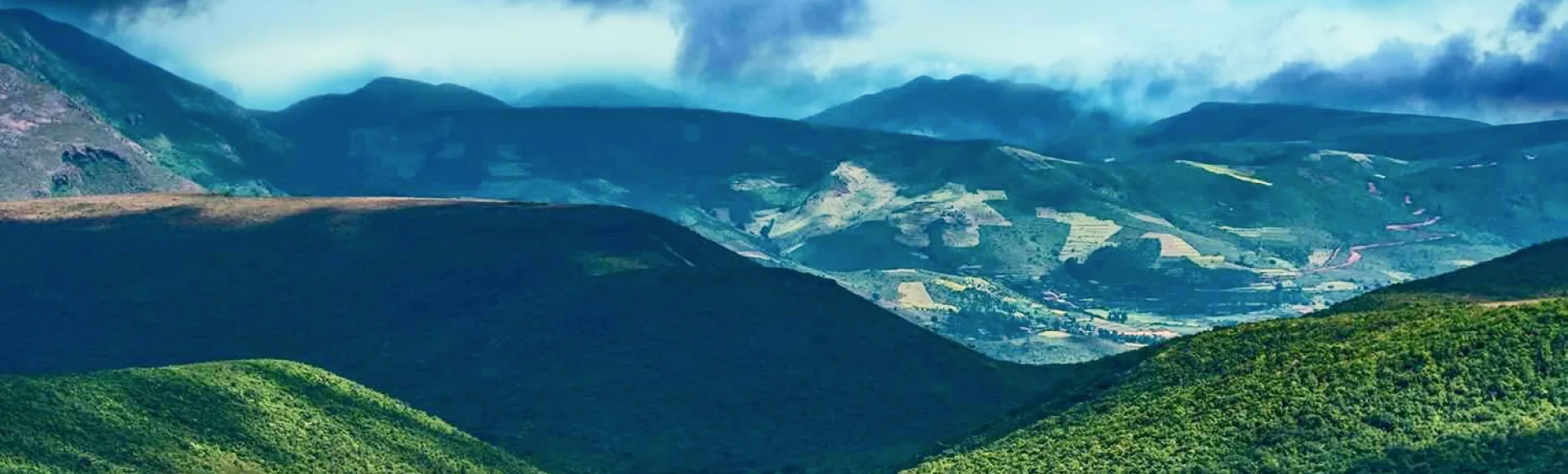
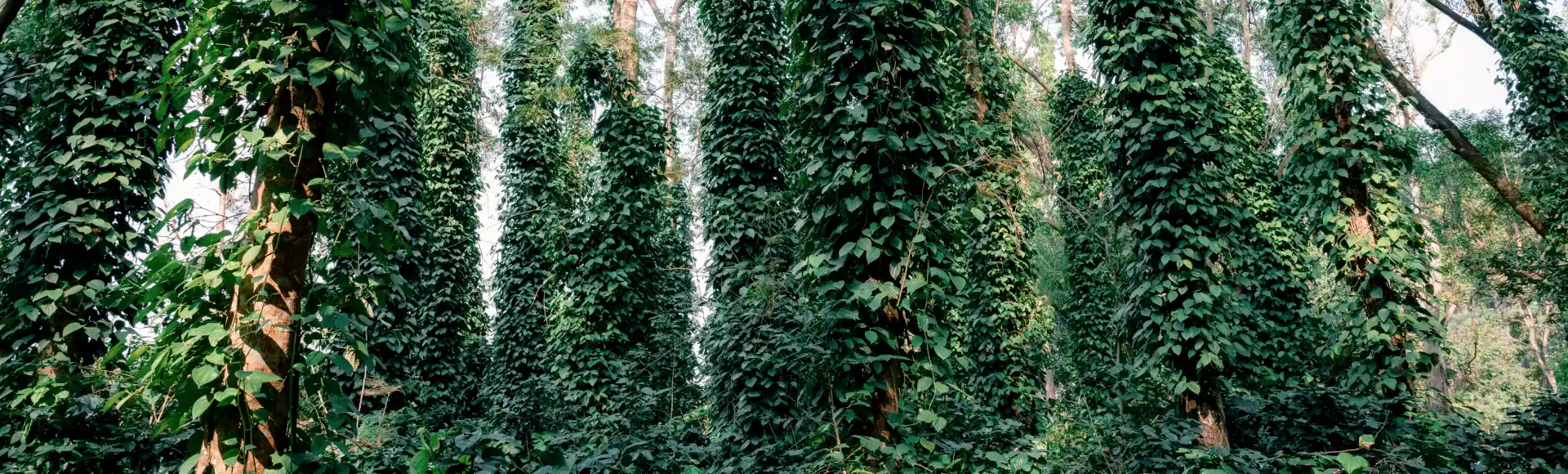
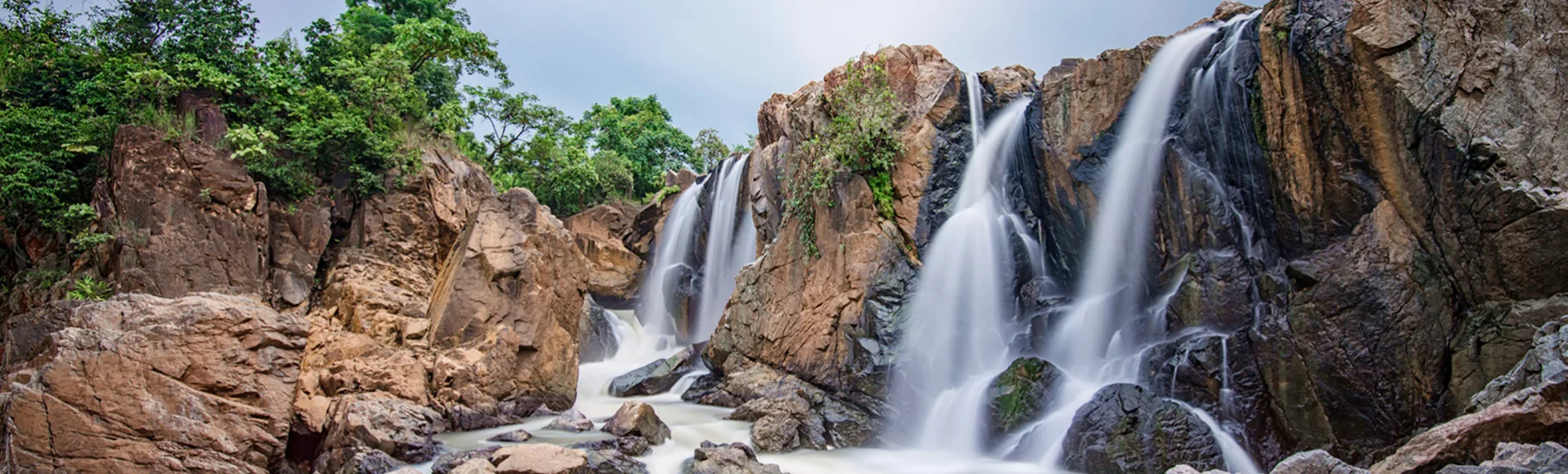
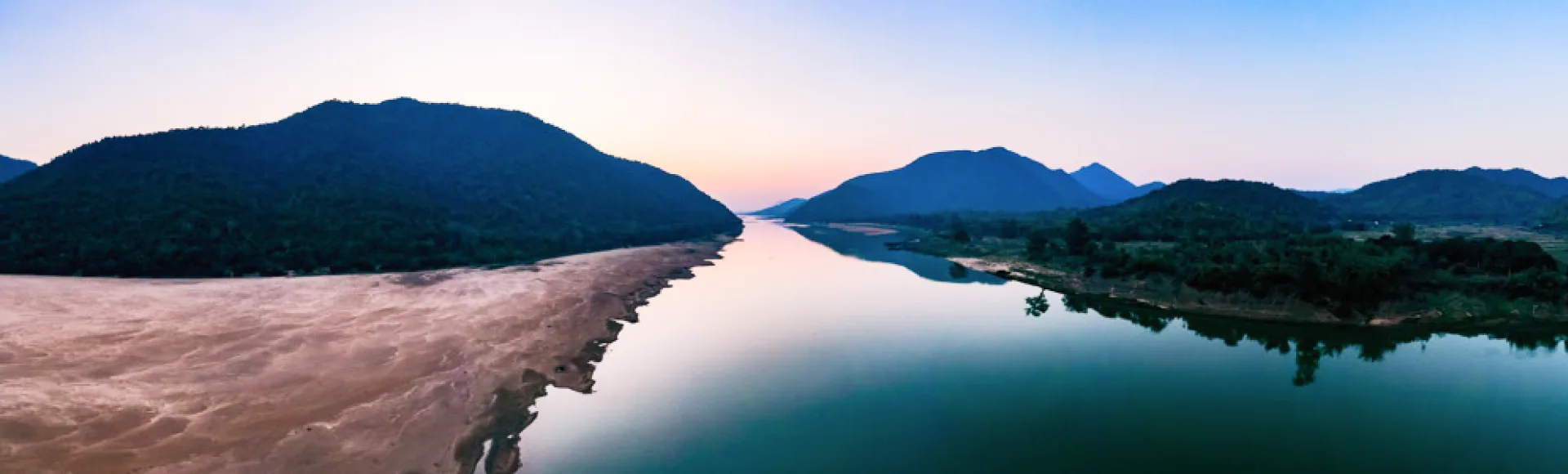
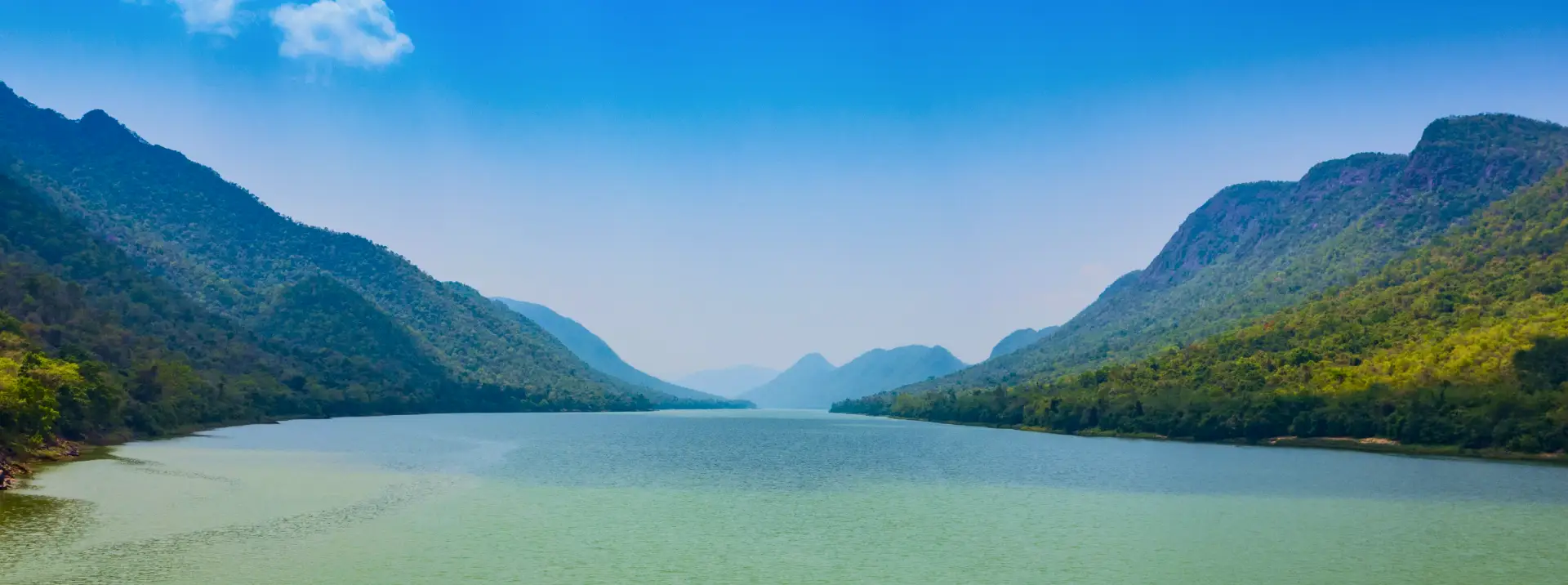
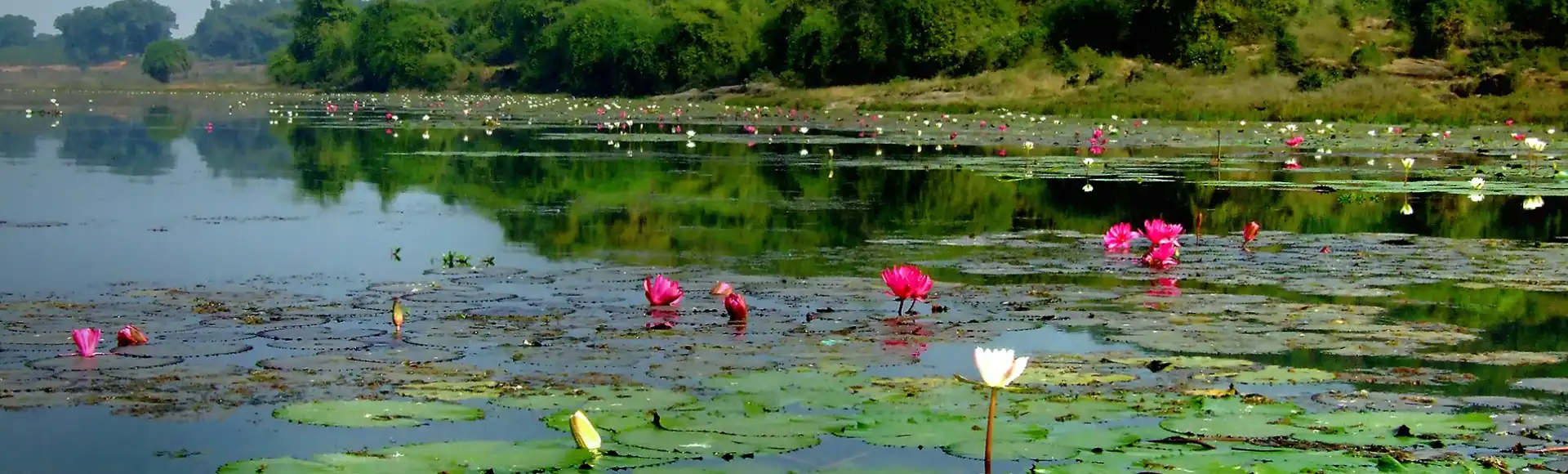
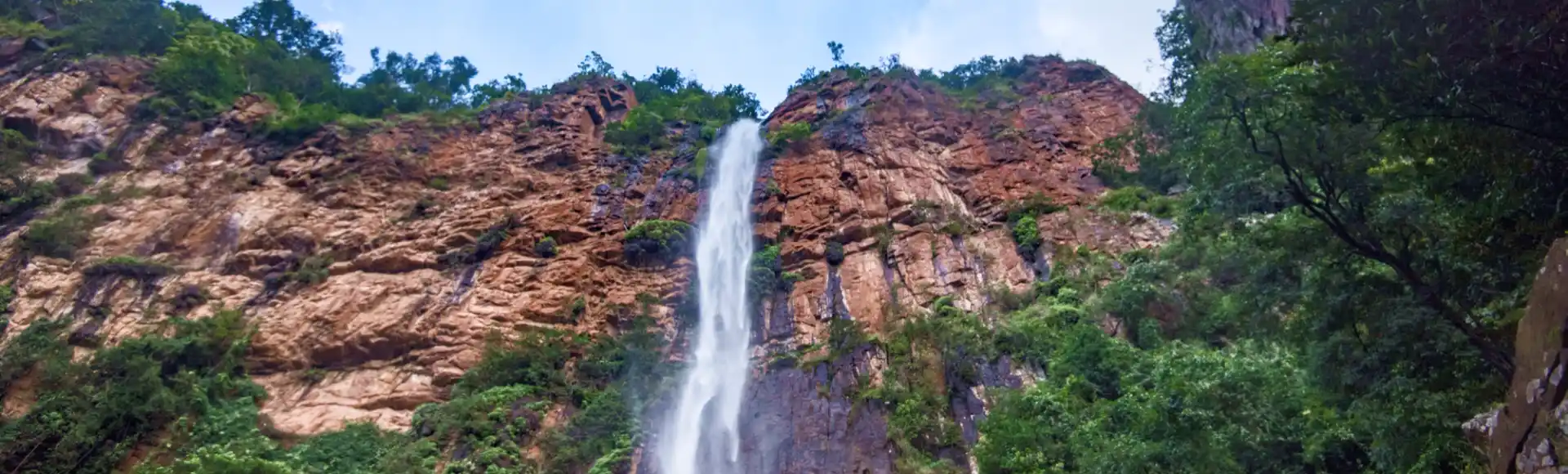
Odisha stretches from the Bay of Bengal coast across river plains and plateaus to the forested Eastern Ghats. The central coastal belt is low-lying and fertile, with lagoons, estuaries, beaches and delta country around the Mahanadi, Brahmani and Baitarani rivers. Chilika, a brackish-water lagoon connected to the sea, changes with seasons and freshwater flows; Bhitarkanika’s creeks and mangroves form another distinctive wetland landscape. Farther inland, the Mahanadi cuts through the Satkosia Gorge, while the Hirakud Reservoir creates a broad waterscape near Sambalpur. The south and southwest rise into uplands around Koraput, Rayagada and Malkangiri, where hills, valleys and waterfalls meet extensive forest. Similipal in the north is known for sal forests, streams and waterfalls, including Joranda and Sitakund.

The climate is broadly tropical, with hot summers, a monsoon season and cooler, generally drier winters. April and May can be very hot, especially inland, while monsoon rainfall—usually strongest from about June through September—greens the countryside but can disrupt travel and bring localised flooding. The coast is exposed to cyclones and heavy rain, most often during the post-monsoon period, so forecasts matter. Winter days are usually comfortable for sightseeing, although nights in upland areas can be cool. Seasonal water levels, tides and rainfall affect access to waterfalls, forest roads and boat routes; conditions at Chilika and in wildlife habitats also change through the year.

History & heritage

Odisha’s history reaches back to ancient Kalinga, a coastal and inland region whose political influence and maritime connections extended beyond the present state. The Mauryan conquest of Kalinga in the third century BCE is associated with the transformation of Emperor Ashoka and the spread of Buddhist patronage. Later, the Mahameghavahana ruler Kharavela left an important inscription at Udayagiri, and Odisha became a major setting for Jain, Buddhist and Hindu traditions. Monastic remains at Ratnagiri, Lalitagiri and Udayagiri testify to Buddhist learning, while temples across Bhubaneswar, Puri and Konark reflect changing forms of Hindu worship and architectural achievement. The Eastern Ganga dynasty built the Konark Sun Temple in the thirteenth century; Somavamshi and Gajapati rulers also shaped the region’s political and religious landscape.

Power passed through successive regional kingdoms and, later, Mughal and Maratha administrations before the British took control of much of Odisha in 1803. Colonial rule redrew administrative boundaries, while Odia-speaking people and leaders campaigned for a province united by language. Odisha became a separate province on 1 April 1936, a landmark in India’s linguistic and political history. After independence it joined the Indian Union and became a state when the Constitution came into force in 1950. Its name was officially changed from Orissa to Odisha in 2011. The modern state’s heritage is not only royal or monumental: coastal trade, village shrines, Buddhist sites, colonial-era towns and the histories of Adivasi communities all contribute to its layered past. Museums in Bhubaneswar and heritage places across the districts help visitors encounter these stories alongside living traditions.

Culture, people & festivals

Odia is the state’s principal language and an important literary tradition, while Hindi and English are widely used in towns and tourism settings. Many Adivasi communities maintain their own languages and cultural practices, including Santali, Kui, Saora, Ho and Mundari; language and customs vary considerably across the state. Odisha’s religious life includes Hindu, Buddhist, Jain, Christian and Muslim communities, as well as diverse local and Indigenous traditions. Jagannath worship is especially influential, and the annual Rath Yatra in Puri, usually held in June or July during Ashadha, draws vast crowds as the deities travel on monumental chariots. Visitors should expect busy streets and follow local crowd guidance during major celebrations.

Odissi, one of India’s classical dance forms, is rooted in the region’s temple and performance traditions. Music, devotional singing, folk theatre and community dances also enliven festivals and village gatherings. Durga Puja, generally in September or October, is widely observed; Raja, usually in June, celebrates the monsoon and fertility, while Nuakhai, commonly in August or September, marks the new rice harvest in western Odisha. The Konark Dance Festival is usually held in December, and Bali Jatra, generally in November, recalls maritime connections through a large fair in Cuttack. Dates vary with lunar calendars and official schedules. Rath Yatra appears more than once in Odisha’s festival calendar, but Puri’s celebrated procession is the best known. Handloom, painting and ritual arts remain part of everyday cultural life, not only festival display.
Food & flavours

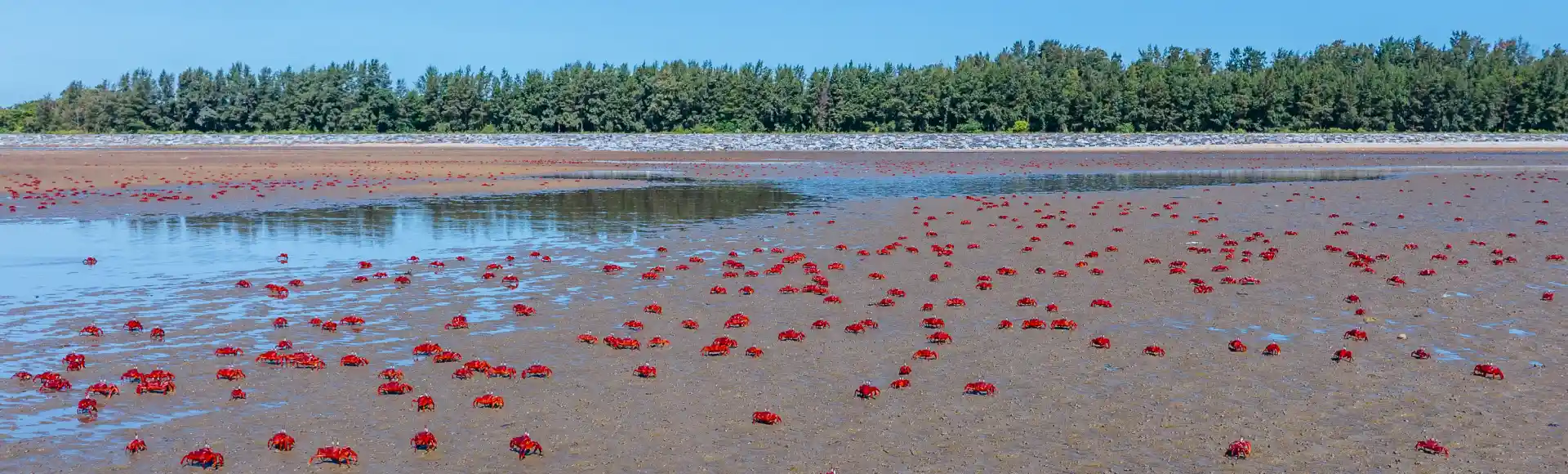
Rice is the everyday staple, accompanied by lentils, vegetables, greens, fish or other locally available foods. Dalma, a comforting preparation of lentils and vegetables, is a signature dish; pakhala, fermented or lightly soured rice served cool with accompaniments, is especially welcome in hot weather. Coastal cooking often features freshwater and marine fish, prawns and crabs, while inland menus may use millets, forest produce and seasonal vegetables. Recipes and ingredients differ between households and districts. Some temple offerings, including food associated with the Jagannath tradition, have their own preparation and serving customs; visitors should follow local guidance when entering a shrine or dining space.

Odisha is particularly celebrated for sweets made from chhena, or fresh cheese. Chhena poda is baked until its surface is richly browned, while chhena jhili is fried and soaked in syrup. Rasagola is another much-loved sweet, and regional bakeries and sweet shops offer their own versions. Pitha, prepared in forms such as poda pitha, is associated with festivals and family occasions. Mustard, cumin and other spices lend character to many savoury dishes without making every meal fiery. Coastal areas offer abundant seafood, whereas western and southern districts have distinctive rice, millet and vegetable traditions. Travellers with dietary needs should explain them clearly, as recipes and the use of oil, dairy or chilli can vary from one kitchen to another.
Crafts, textiles & what to buy

Odisha’s crafts are closely tied to place and to skilled family and community traditions. Pattachitra, known for detailed painting on cloth and other surfaces, is strongly associated with Raghurajpur and Puri; nearby Pipili is famous for colourful appliqué work used in canopies, wall hangings and ceremonial decorations. Stone carving and silver filigree are among the crafts visitors may find in and around Bhubaneswar and Cuttack. The state’s handloom traditions include Sambalpuri Bandha, whose patterns are created through tie-dye resist work on yarn, and the distinctive temple-inspired Khandua textiles of Nuapatna. Kotpad, in Koraput district, is known for naturally dyed woven cloth, while Gopalpur is associated with tussar silk and Berhampur with Patta silk saris.

Several of these traditions have geographical indication recognition, including Odisha Pattachitra, Pipli Appliqué Work, Sambalpuri Bandha Saree and Fabrics, Kotpad Handloom Fabric, Gopalpur Tussar Fabrics and Berhampur Patta (Phoda Kumbha). Kandhamal turmeric and Odisha Rasagola are among the state’s other GI-tagged products. Look for clear information about a product’s origin and technique, and buy directly from recognised cooperatives, workshops or artisan outlets where possible. Prices and quality vary, so take time to compare. A thoughtfully chosen textile, painting, metalwork or food product can support makers while carrying a genuine sense of its place of origin.

Getting there & getting around

Biju Patnaik International Airport in Bhubaneswar is the main air gateway, with connections that make it a practical starting point for coastal journeys. Veer Surendra Sai Airport serves the Jharsuguda area, though route availability can be limited and should be checked before planning. Rail is useful for longer distances: Bhubaneswar, Cuttack, Khurda Road, Puri, Balasore, Berhampur, Sambalpur and Rourkela are among the important stations and junctions. Services and connections differ by destination, so check current railway information when building an itinerary. By road, National Highway 16 follows the coast and links major eastern cities; NH 20, NH 26, NH 53 and NH 55 serve important inland corridors and district routes.

State-run and private buses connect many towns, while taxis, hired cars and local auto-rickshaws help with shorter journeys. A car with a local driver can be useful for multi-stop trips to temples, waterfalls and remote craft centres, where public transport may be infrequent. Allow extra time for rural roads, monsoon conditions and travel between districts. Bhubaneswar works well as a base for Puri, Konark and nearby heritage sites; Sambalpur, Berhampur and Koraput can anchor journeys farther west and south. At Chilika, boat transport is used for lagoon visits, and arrangements depend on the landing point and conditions. Use authorised operators and follow wildlife guidance. Forest and protected-area access may be regulated, so confirm current arrangements with official authorities before setting out.

When to go & travel tips

For most sightseeing, November to February brings comparatively comfortable weather. The coast, including Bhubaneswar, Puri, Konark and Chilika, is generally easiest to explore in the cooler months; birdwatching at Chilika is especially rewarding in winter. Spring and early summer can suit hill destinations such as Koraput and Kandhamal before the heat builds, though conditions vary. Monsoon brings waterfalls and lush landscapes to life but can make forest roads difficult, while cyclone-season forecasts are essential for coastal travel, particularly in the post-monsoon months. Check local weather and transport updates rather than relying on seasonal expectations alone.

Pack light, breathable clothing, a sun hat, sunscreen and comfortable footwear; add rain protection in the monsoon and a warm layer for cool upland evenings. Carry water and any personal medicines, and keep modest clothing handy for temples. Remove footwear where required, ask before photographing people or ceremonies, and respect rules at shrines and tribal cultural sites. Wildlife areas require quiet, patient observation; never feed animals or leave litter. Check official guidance for access, boat services and any permits that may apply to a protected area, and confirm current requirements before travel. Keep extra time in the itinerary for weather or road delays.

Highlights

Where to begin

City by city

Cities & hubs of Odisha

Every sight is grouped under its city — places within about 12 km together, day trips within 40 km alongside — even across district lines. Open a city to see its attractions.

See every city, town and village of Odisha

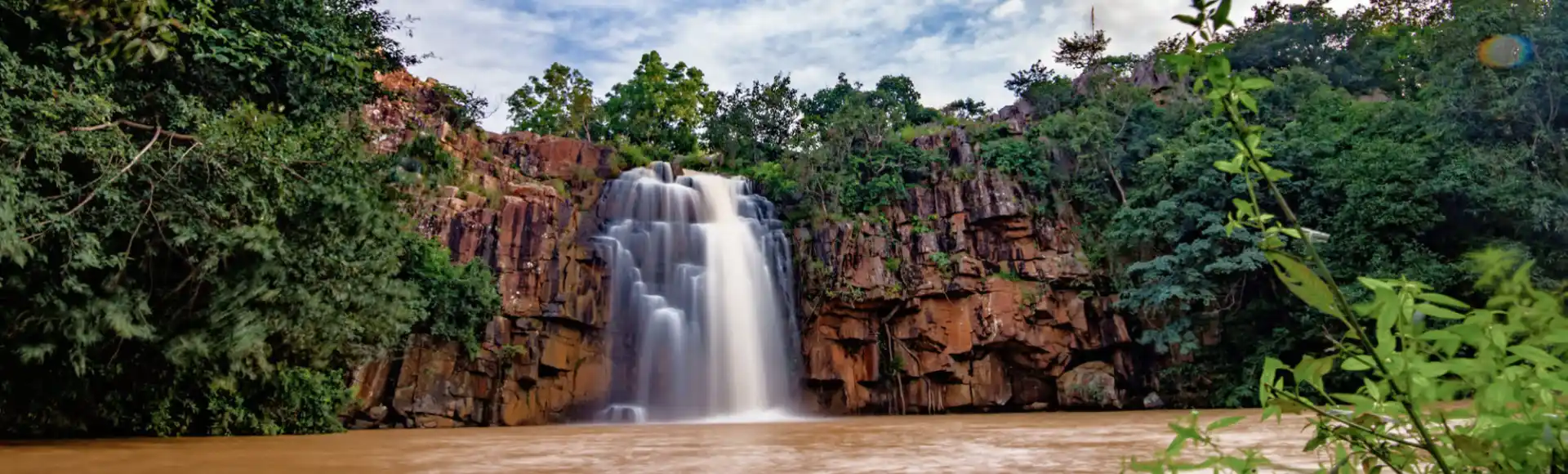
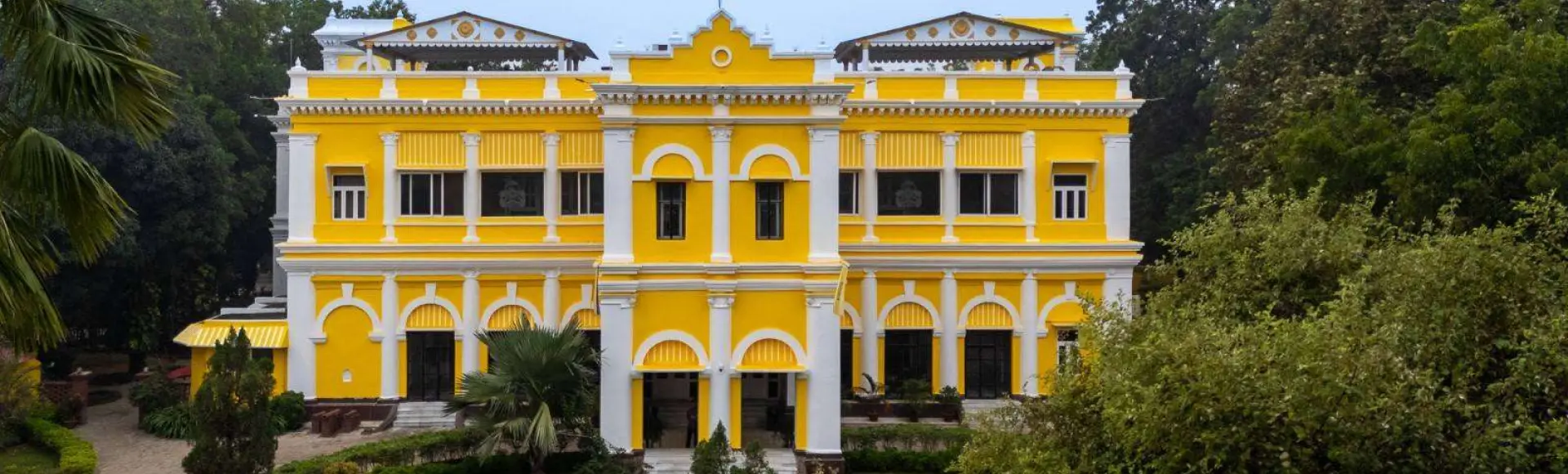
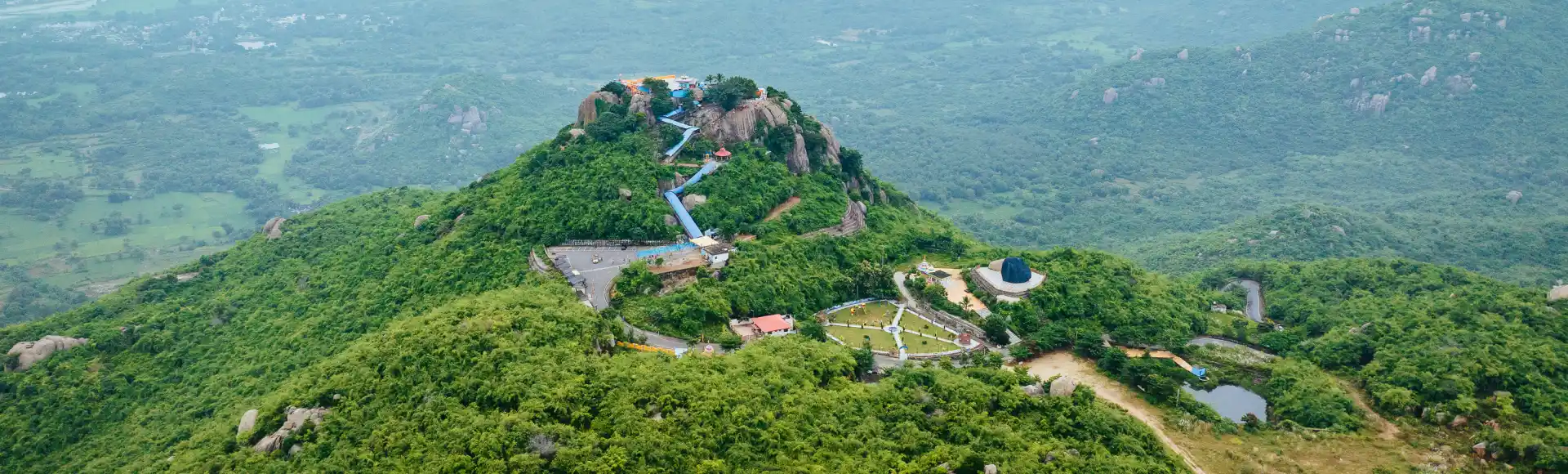
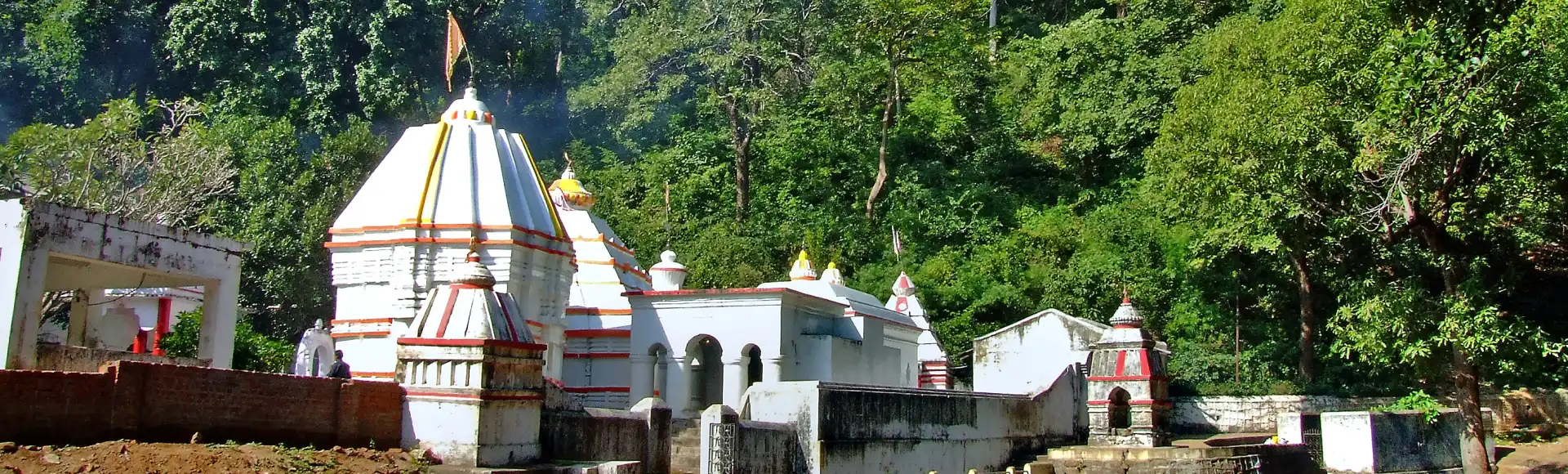
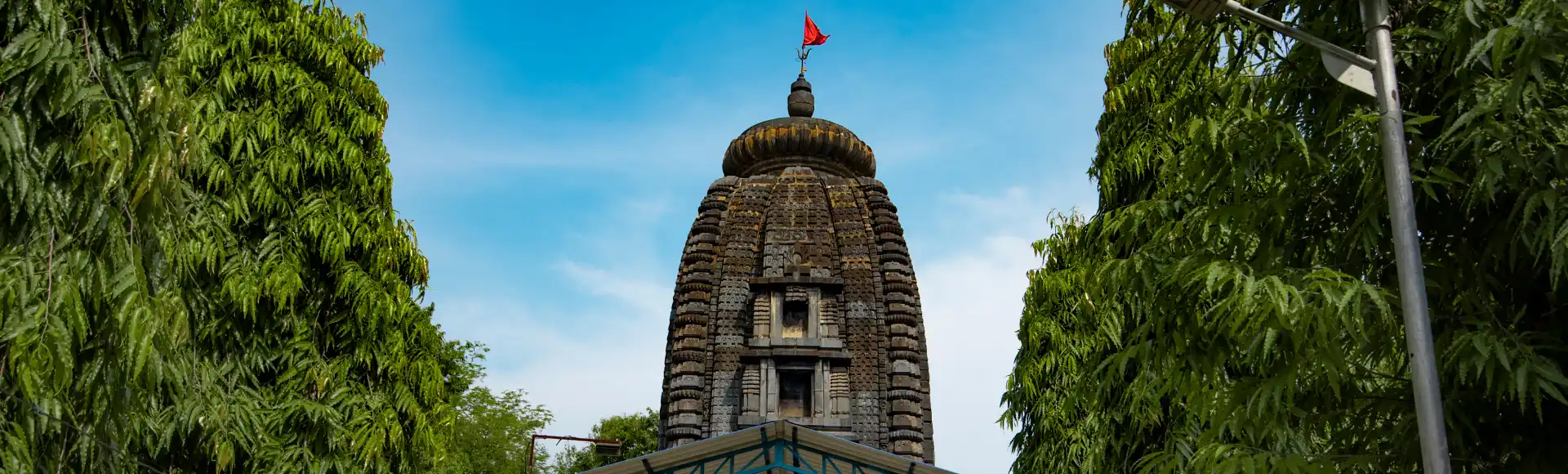
Ananta Basudeva Temple
Pratapsasan12 places to see

Ananta Basudeva Temple · Chausathi Yogini Temple, Hirapur · Dhabaleswar Temple · Dhauli Shanti Stupa (Dhauli Hills)

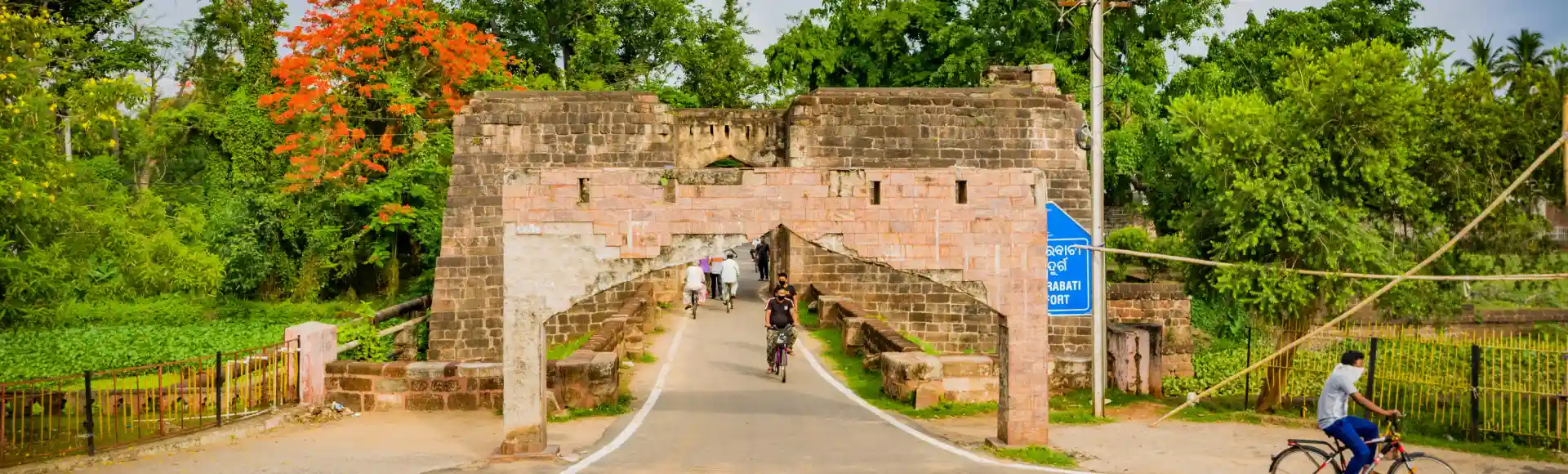
Barabati Fort
Cuttack6 places to see

Barabati Fort · Kataka – Silver Filigree Hub · Museum Of Justice · Nandankanan Zoological Park

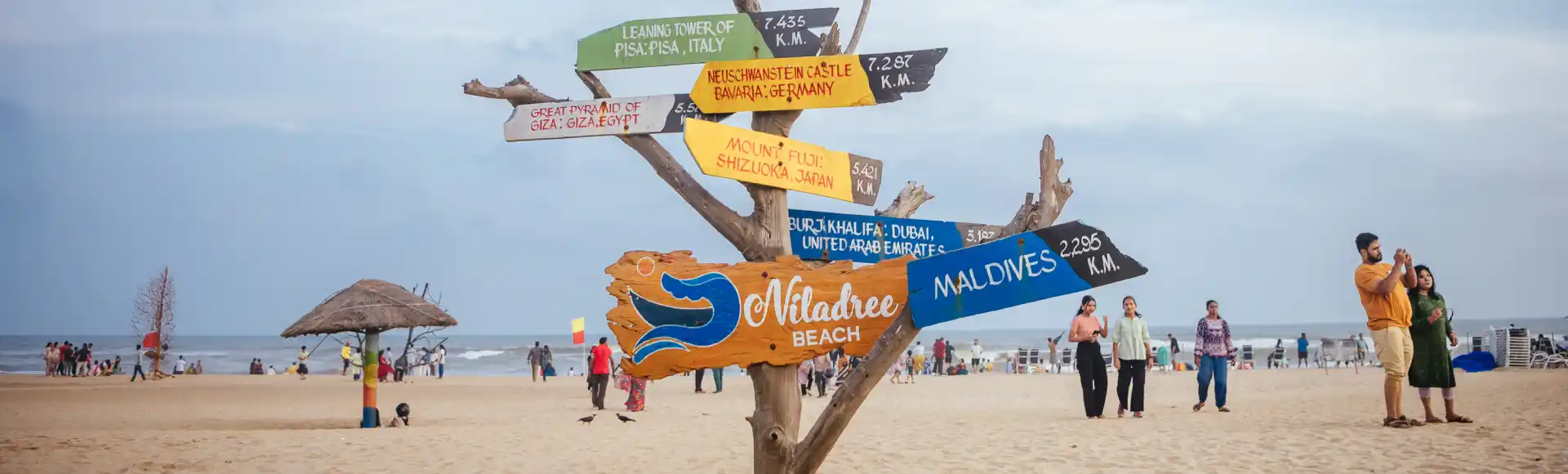
Niladri Beach
Puri5 places to see

Niladri Beach · Puri Beach & Golden Beach · Puri Blue Flag Beach · Raghurajpur Craft Village

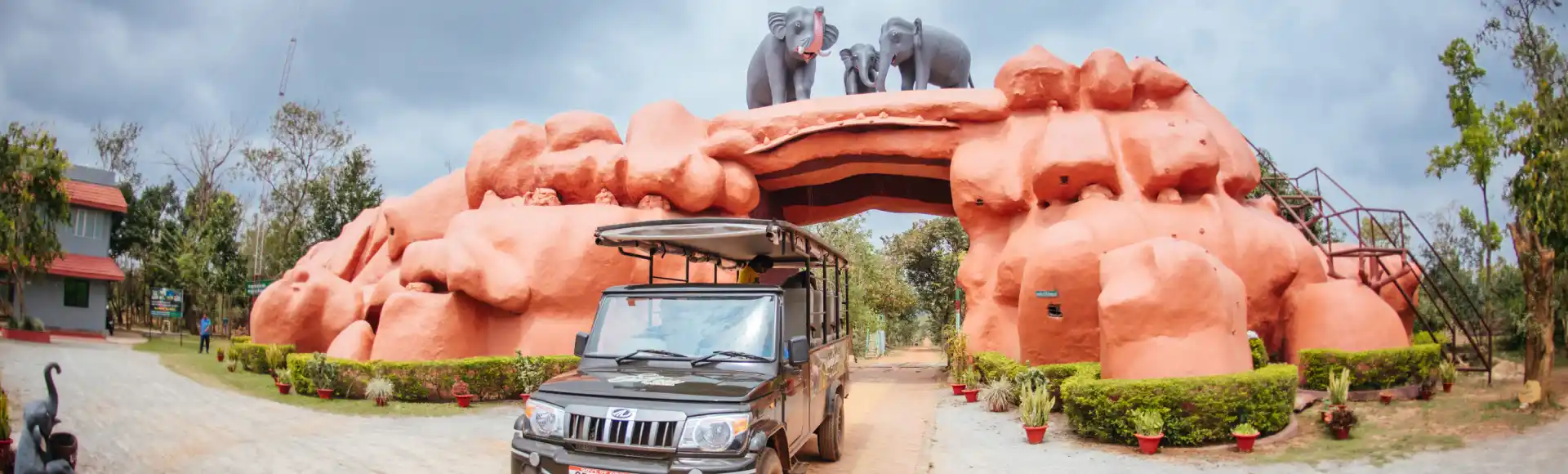
Chandaka Wildlife Sanctuary
Banki4 places to see

Chandaka Wildlife Sanctuary · Nuapatna · Maniabandha Handloom Village · Ram Mandir, Fatehgarh

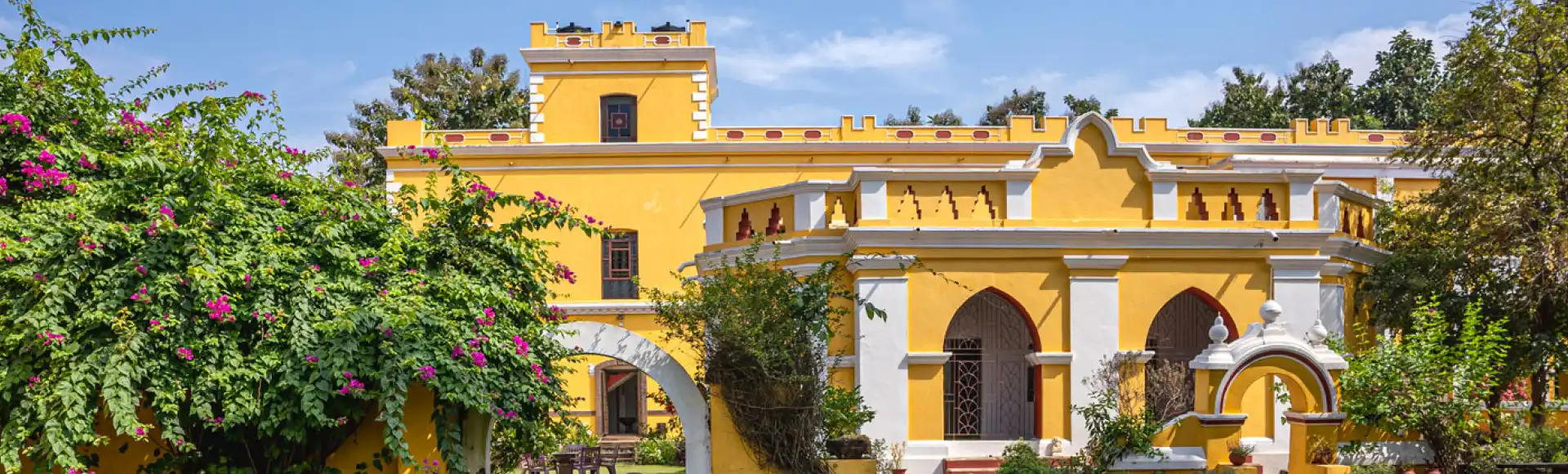
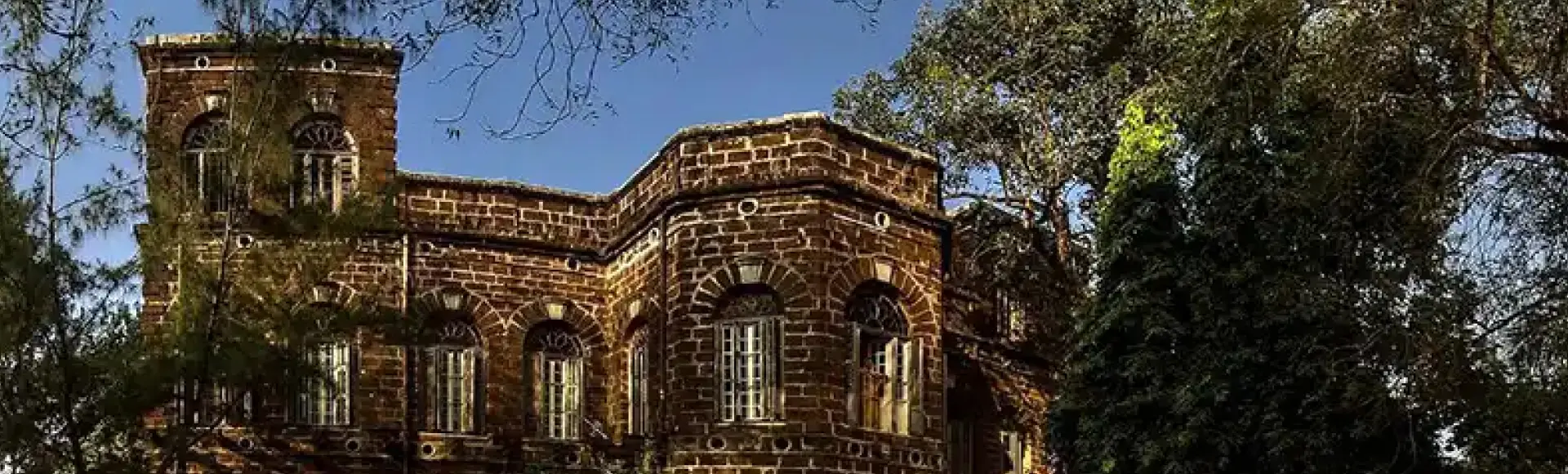
The Belgadia Palace
Baripada4 places to see

The Belgadia Palace · Barehipani Waterfall · Joranda Waterfall · Sitakund Waterfall

Dhenkanal Palace
Dhenkanal4 places to see

Dhenkanal Palace · Gajlaxmi Palace · Sadeibarani - Dhokra Handicraft Village · Kapilash Temple

Maa Kalijai Temple
Balugan3 places to see

Maa Kalijai Temple · Maa Tarini Temple · Odi-Art Museum

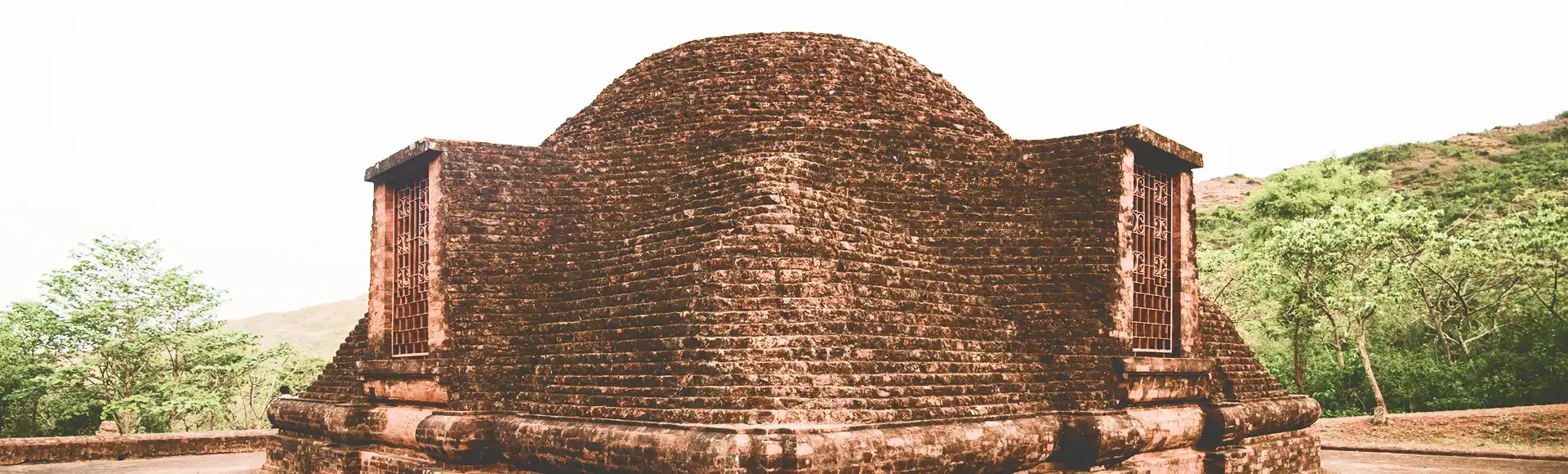
Udayagiri Monastery
Bramhabarada3 places to see

Udayagiri Monastery · Lalitagiri Buddhist Complex · Ratnagiri Monastery

Bada Ghagara Waterfall
Kendujhar3 places to see

Bada Ghagara Waterfall · Sanaghagara Waterfall · Sitabinji Fresco Painting

Ladu Baba Temple
Nayagarh3 places to see

Ladu Baba Temple · Raghunath Jew Temple · Neelamadhaba Temple, Kantilo

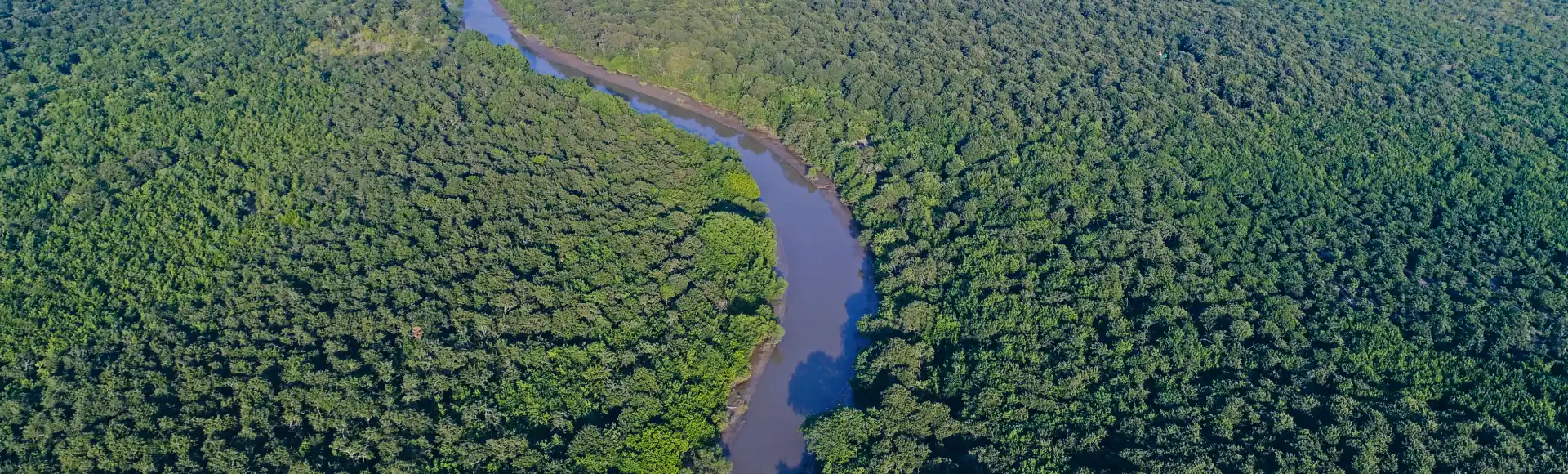
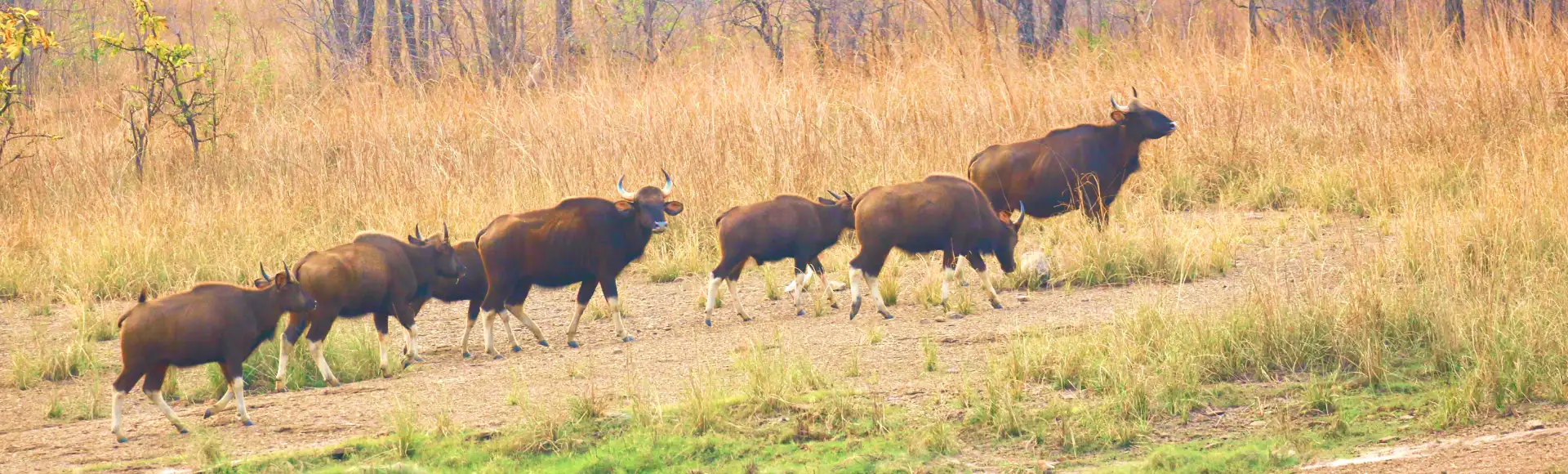
Bhitarkanika National Park
Pattamundai3 places to see

Bhitarkanika National Park · Killa Aali Palace · Pentha Beach

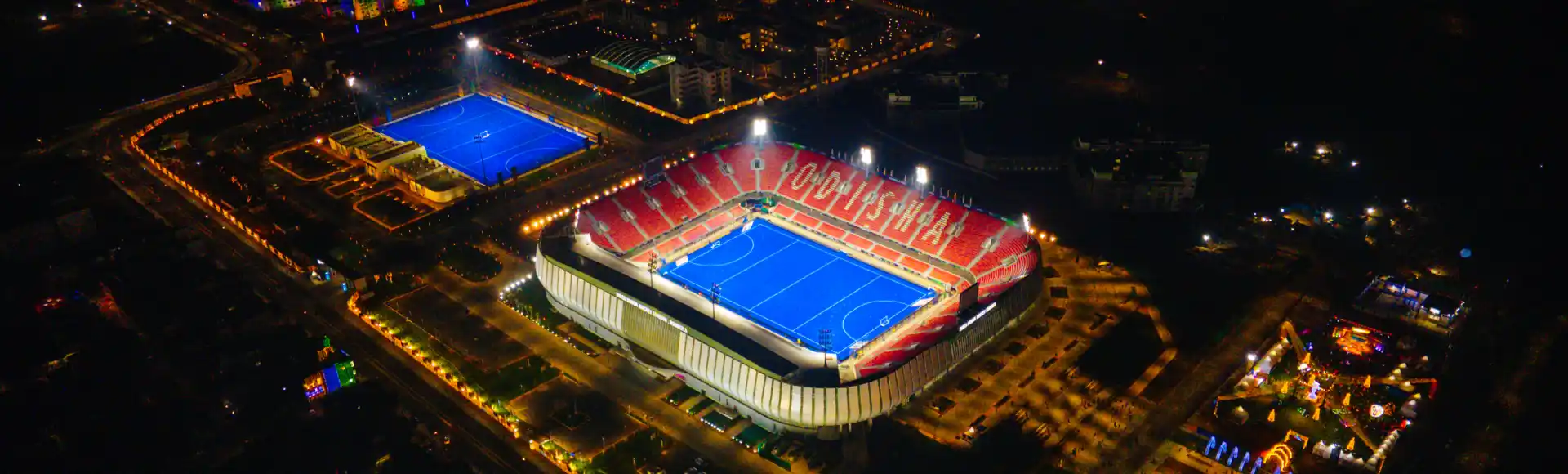
Birsa Munda International Hockey Stadium
Rourkela3 places to see

Birsa Munda International Hockey Stadium · Hanuman Vatika · Ved Vyas Temple

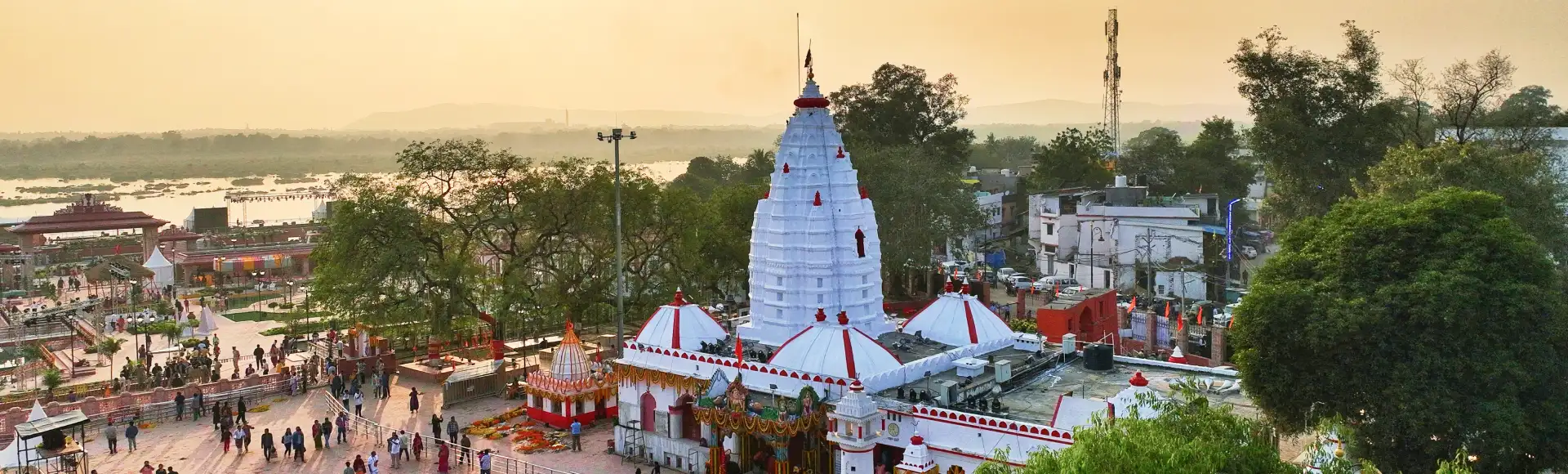
Maa Samaleswari Temple
Sambalpur3 places to see

Maa Samaleswari Temple · Kardola Weavers Village · Leaning Temple of Huma

Debrigarh Wildlife Sanctuary
Burla2 places to see

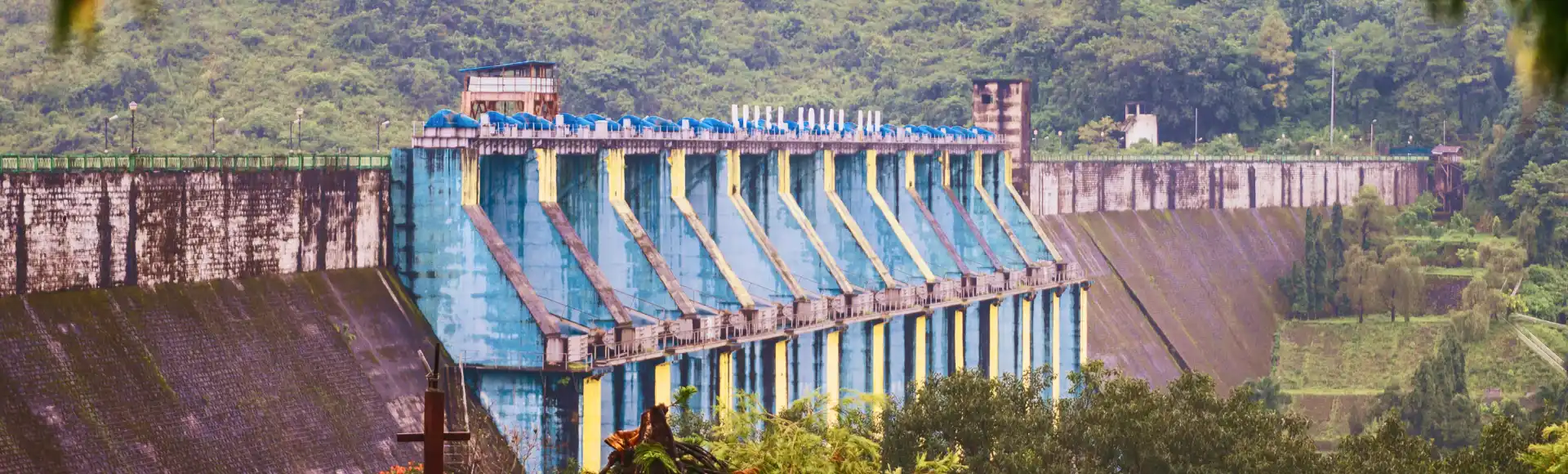
Debrigarh Wildlife Sanctuary · Hirakud Dam

Maa Balakumari Temple
Chikiti2 places to see

Maa Balakumari Temple · Sonapur Blue Flag Beach

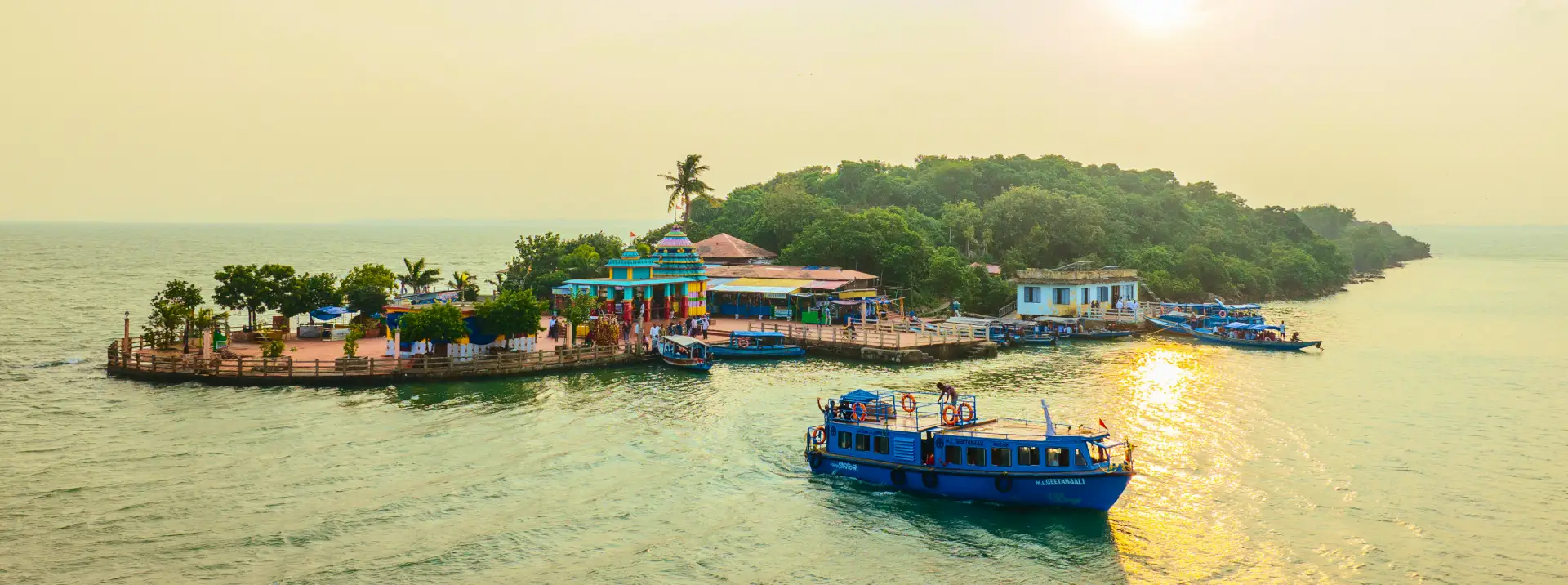
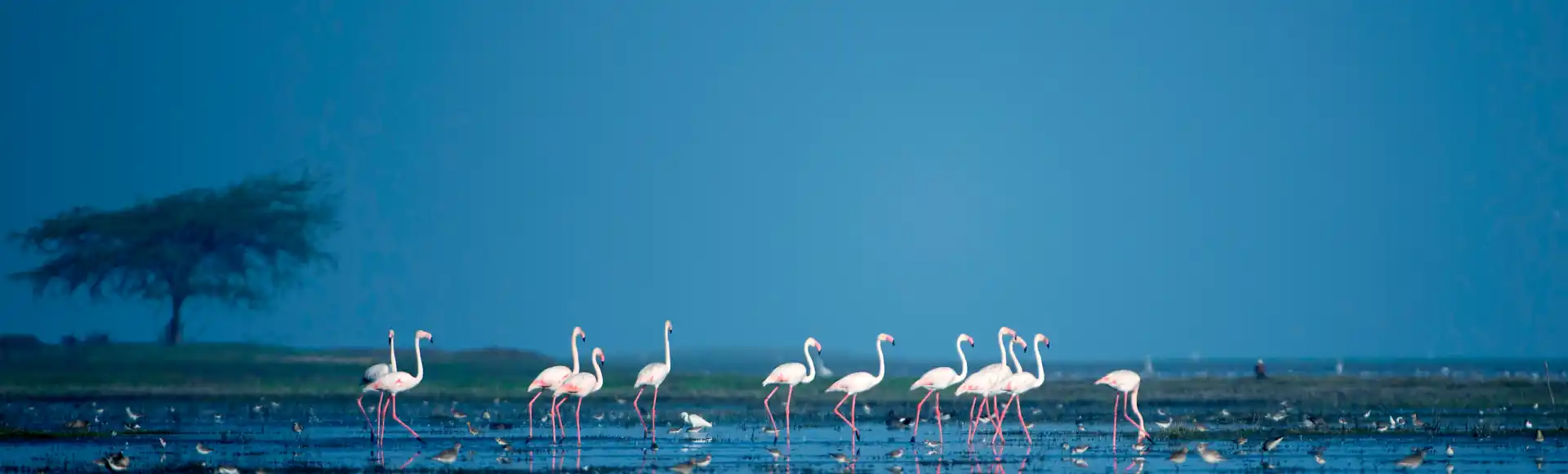
Chilika Lake
Khalikote2 places to see

Chilika Lake · Rambha Palace

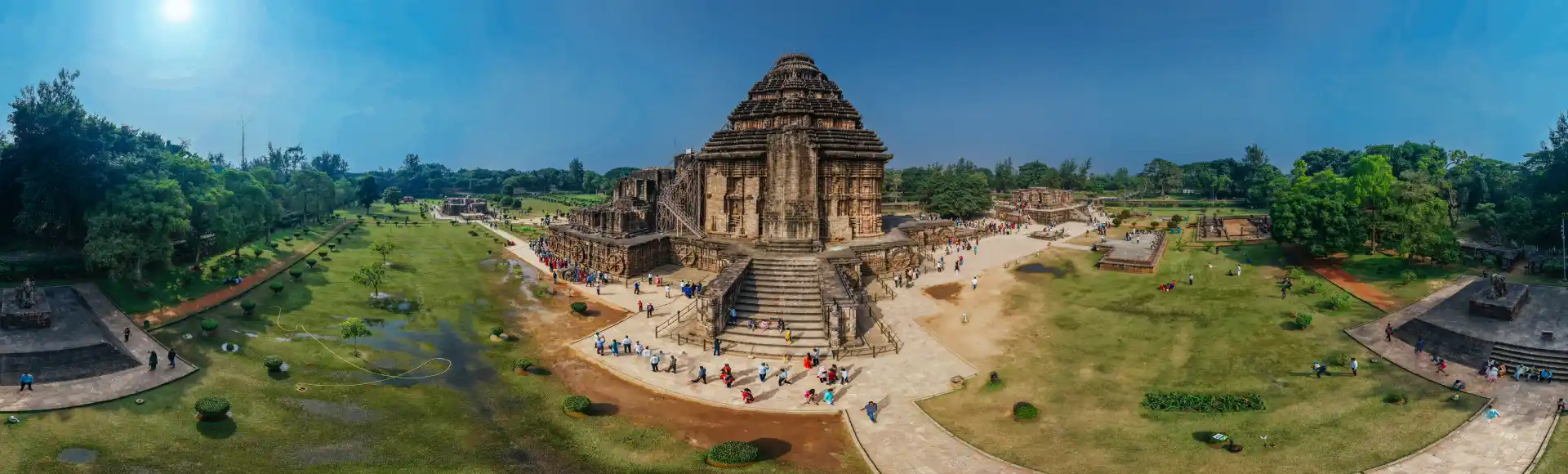
Konark Sun Temple
Konark2 places to see

Konark Sun Temple · Ramachandi Beach

Kuldiha Wildlife Sanctuary
Nilagiri2 places to see

Kuldiha Wildlife Sanctuary · Panchalingeswar Temple

Harisankar Temple
Padmapur2 places to see

Harisankar Temple · Nrusinghanath Temple

Gandahati Waterfall
Paralakhemundi2 places to see

Gandahati Waterfall · Mahendragiri Hills

Deomali Hills
Sunabeda2 places to see

Deomali Hills · Sahasra Shivalinga Temple

Daringbadi – Coffee Garden
Surada2 places to see

Daringbadi – Coffee Garden · Midhubandha Waterfall

Gundicha Ghagi Waterfall
Anandpur1 place to see

Gundicha Ghagi Waterfall

Tikarpada Wildlife Sanctuary
Angul1 place to see

Tikarpada Wildlife Sanctuary

Ansupa Nature Camp
Athagad1 place to see

Ansupa Nature Camp

Satkosia Gorge & Tiger Reserve
Athmallik1 place to see

Satkosia Gorge & Tiger Reserve

Chandipur Beach
Balasore1 place to see

Chandipur Beach

Daringbadi Hill Station
Baliguda1 place to see

Daringbadi Hill Station

Barapali1 place to see

Barpali

Bara Bakhra Caves
Bargarh1 place to see

Bara Bakhra Caves

Gopalpur Sea Beach
Berhampur1 place to see

Gopalpur Sea Beach

Mahimagadi, Joranda
Bhuban1 place to see

Mahimagadi, Joranda

Khiching Temple (Kichakeswari Temple)
Champua1 place to see

Khiching Temple (Kichakeswari Temple)

Tampara Lake
Chhatrapur1 place to see

Tampara Lake

Killa Dalijoda
Choudwar1 place to see

Killa Dalijoda

Mandasaru Valley
G. Udayagiri1 place to see

Mandasaru Valley

Biraja Temple
Jajpur1 place to see

Biraja Temple

Talasari Beach
Jaleswar1 place to see

Talasari Beach

Kolab Dam
Jeypore1 place to see

Kolab Dam

Khandadhar (Kendujhar)
Jharsuguda1 place to see

Khandadhar (Kendujhar)

Chausathi Yogini, Ranipur Jharial
Khariar1 place to see

Chausathi Yogini, Ranipur Jharial

Sabara Srikshetra (Jagannath Temple, Koraput)
Koraput1 place to see

Sabara Srikshetra (Jagannath Temple, Koraput)

Kotpad
Nabarangpur1 place to see

Kotpad

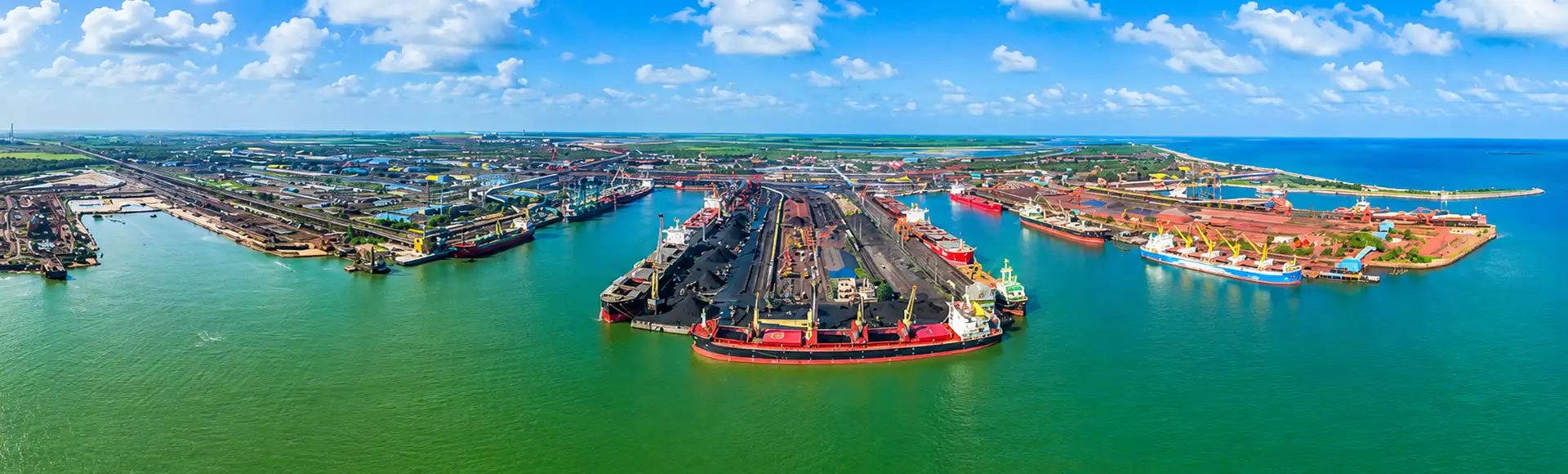
Paradip Port & Beach
Paradip1 place to see

Paradip Port & Beach

Tara Tarini Temple
Purusottampur1 place to see

Tara Tarini Temple

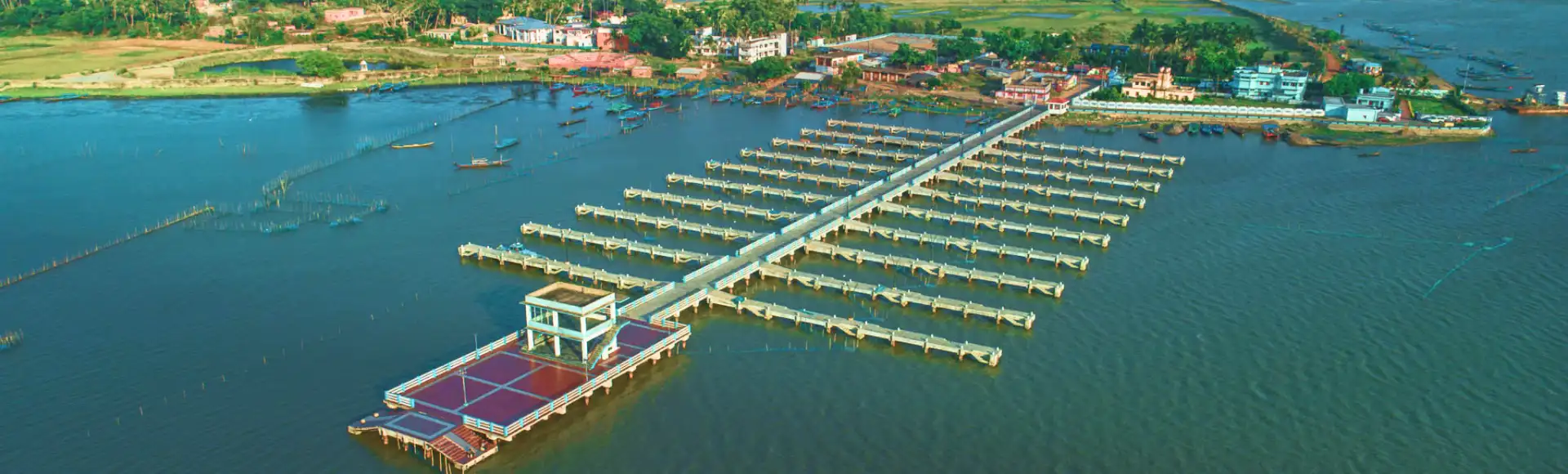
Satapada (Chilika)
Raghurajpur1 place to see

Satapada (Chilika)

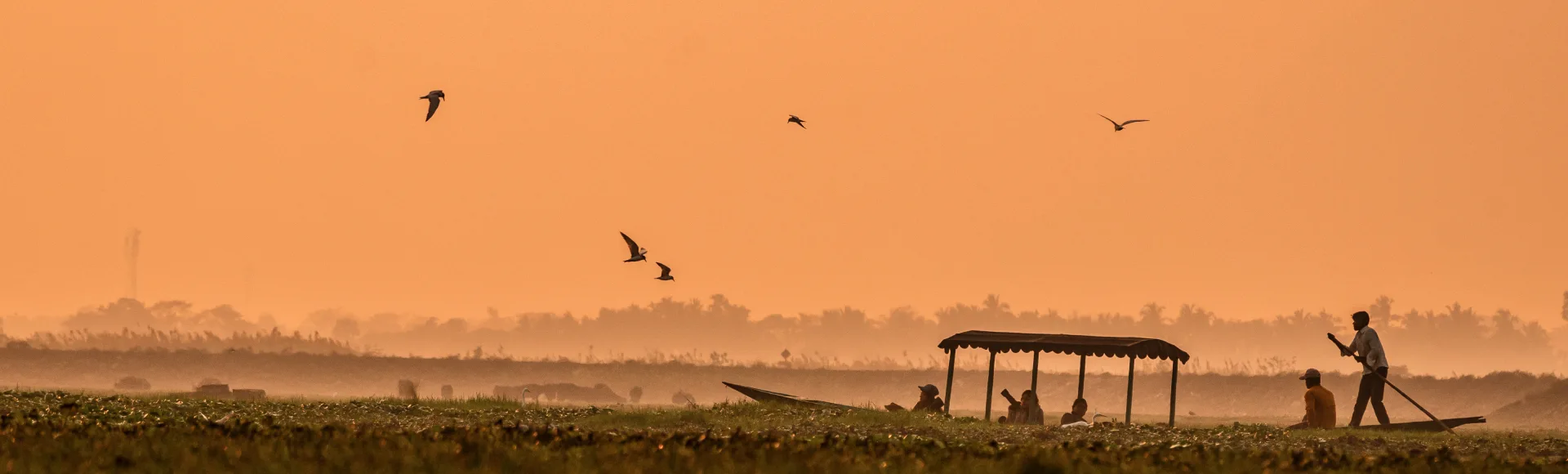
Mangalajodi
Raja Ranapur1 place to see

Mangalajodi

Similipal National Park
Udala1 place to see

Similipal National Park

Away from the cities — 14 more places by district

District discovery

Odisha: 30 districts covered

Open a district to see its destinations and neighbours. More districts are added as our team writes them.

21 of 30 districts have destination guides

Destinations

Every guide in this state

Open a district to see its cities and towns, villages and places to see.

Angul2 places
Balangir2 places
Balasore4 places
Bargarh4 places
Cuttack11 places
Dhenkanal5 places
Gajapati3 places
Ganjam7 places
Jagatsinghpur1 place
Jajpur3 places
Kandhamal4 places
Kendrapara3 places
Keonjhar7 places
Khordha18 places
Koraput7 places
Mayurbhanj7 places
Nayagarh5 places
Puri11 places
Rayagada1 place

Places to see

Sambalpur4 places
Sundargarh5 places

Festivals & fairs

The calendar here

Full calendar

5 Jul 2027

Rath Yatra

Puri · Religious

Jagannath, Balabhadra and Subhadra ride giant chariots.

ConfirmedOdisha

Festivals of Odisha through the year

Usual season and where each is best known. Exact dates follow local calendars — linked festivals have dated guides.

  • Rath YatraJune–JulyPuri, among the largest in the world.
  • Chandan YatraApril–MayPuri.
  • Konark Dance Festival1–5 DecemberPuri district.
  • NuakhaiAugust–SeptemberWestern Odisha: Sambalpur, Bargarh, Bolangir.
  • Dhanu JatraDecember–JanuaryBargarh, the world's largest open-air theatre.
  • Raja ParbaJuneStatewide.
  • Bali JatraKartik Purnima, NovemberCuttack.
  • Durga PujaCuttack is renowned.
  • Maha ShivaratriLingaraj Temple, Bhubaneswar (Khordha district).
  • Adivasi MelaJanuaryBhubaneswar.

Connected circuits

Journeys through this state

Odisha

The Eastern Temple Coast

Sun temple, lagoon and the Bay of Bengal shore.

  1. Konark
  2. Chilika
From travellers and locals

Be the first to share photos, stories, advice or a helpful contact for Odisha.

Loading…