
District · Odisha
Kendrapara
Kendrapara is a coastal district in Odisha’s river delta, where estuaries, tidal creeks, farmland and the Bay of Bengal meet.
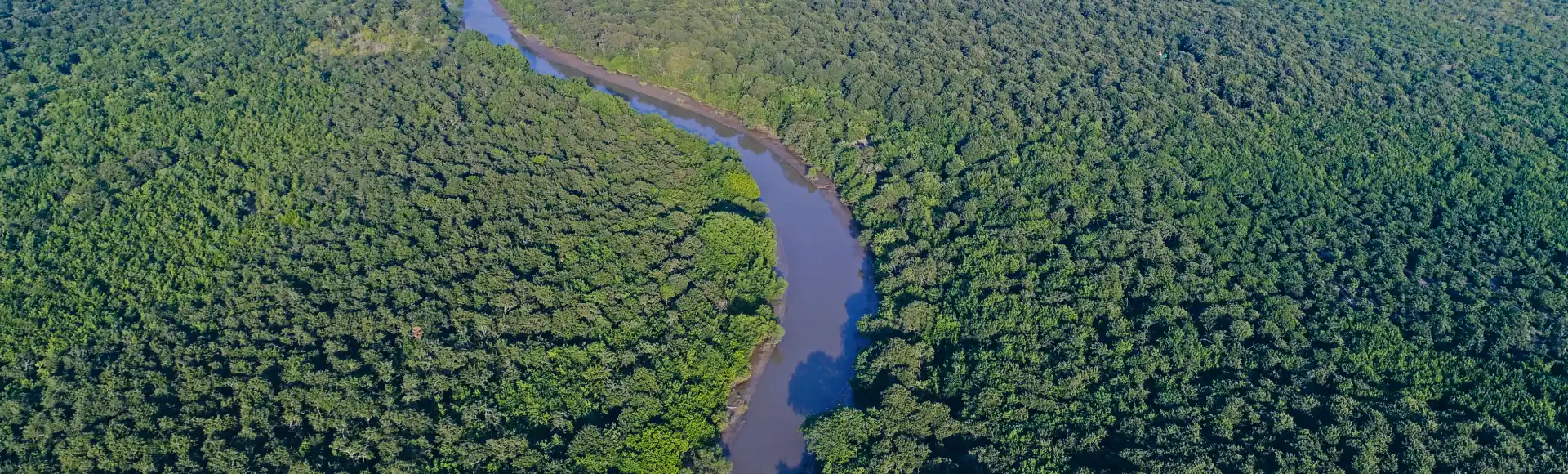
Kendrapara lies in Odisha’s coastal delta, where rivers, tidal creeks, agricultural land and mangrove forests shape everyday life. Its best-known natural destination, Bhitarkanika National Park, protects an intricate wetland landscape associated with the Brahmani–Baitarani delta and renowned for saltwater crocodiles and birdlife. Pentha Beach adds an exposed coastal setting beside this mangrove-rich region, offering a contrast to the sheltered waterways inland. On the Kharasrota River, Killa Aali Palace connects the district’s landscape with its royal past and continuing residential heritage. Together, these places reveal a district whose character is closely tied to water: riverbank settlements, cultivated plains, estuarine wildlife and the Bay of Bengal coast. Visits reward unhurried planning rather than a tightly packed sightseeing circuit.
Kendrapara is a coastal district in Odisha’s river delta, where estuaries, tidal creeks, farmland and the Bay of Bengal meet. It is best known for Bhitarkanika National Park, a mangrove wetland of international ecological importance associated with saltwater crocodiles and rich birdlife. Pentha Beach offers a more exposed coastal setting, while Killa Aali Palace links the Kharasrota River landscape with the district’s royal and residential heritage. Rather than a compact sightseeing circuit, Kendrapara rewards travellers who allow time for road transfers, boat arrangements and the changing conditions of its waterways.
The Kendrapara region formed part of the wider coastal territory of ancient Kalinga and later Odisha. Over the medieval centuries, coastal Odisha came under dynasties including the Eastern Gangas and Gajapatis; political authority and local administration changed as larger powers rose and declined. In the colonial period, the area was administered under British rule, with local estates such as Kanika shaping landholding and authority. Killa Aali Palace reflects the continuing presence of a regional ruling family and the history of princely and estate life along the Kharasrota River. The district’s history is also rooted in its rivers and coast, which supported agriculture, fishing, trade and river transport, while shaping settlement patterns. Kendrapara was part of the former Cuttack district until it became a separate district in 1993. Religious traditions remain an important part of local identity, including the worship of Baladevjew at Kendrapara, often associated with the name Tulasi Kshetra.
3 destination guides
Bhitarkanika National Park
Bhitarkanika National Park is a wetland and mangrove landscape in Kendrapada, Odisha. Visitors travel its waterways by boat to see crocodiles, deer, water monitors and birds.
Killa Aali Palace
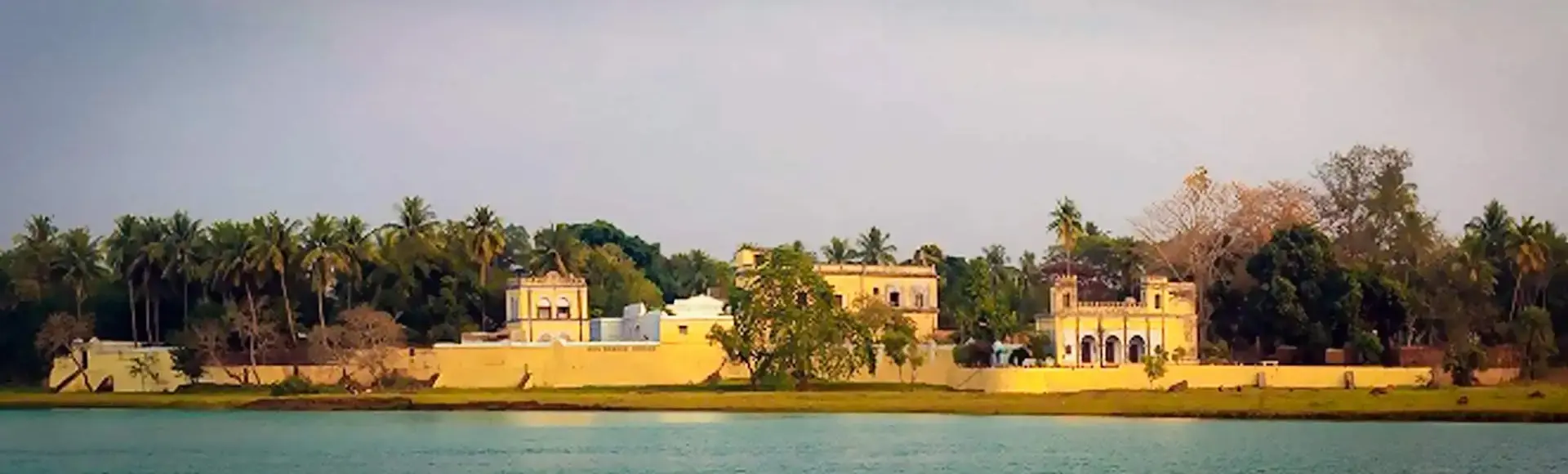
Killa Aali Palace is a historic royal residence in Kendrapada, Odisha, known for its long family history, riverside setting, architectural influences and access to natural and archaeological attractions.
Pentha Beach
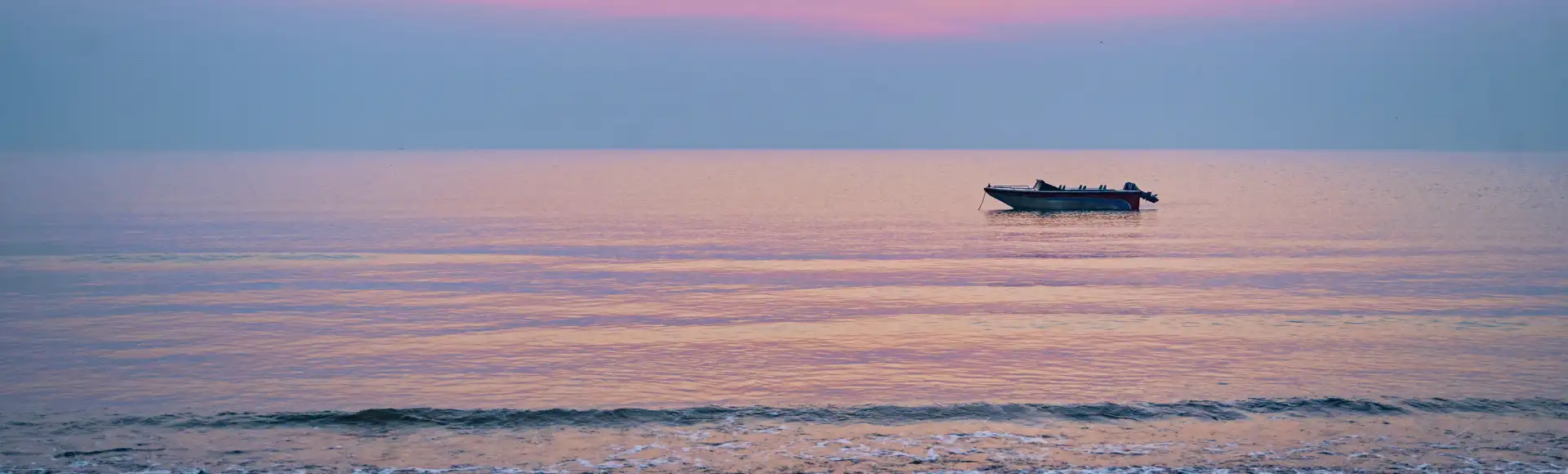
Pentha Beach is a remote coastal stretch in Kendrapada, Odisha, beside Bhitarkanika National Park. People visit to see its mangroves, estuaries, mudflats, migratory birds and lighthouse remains.
Food in Kendrapara draws on the rice-centred traditions of coastal Odisha. Everyday meals may include rice, dal, seasonal vegetables and fish where available, while dalma combines lentils with vegetables. Pakhala, rice served with water and sometimes fermented, belongs to the wider Odia food tradition, especially in warm weather. Kendrapara is particularly associated with rasabali, a sweet made from fried chhena patties soaked in sweetened, thickened milk. Chhena poda is another familiar Odisha sweet, though availability varies. Around Bhitarkanika and Pentha, arrange meals with your accommodation or eat in established settlements; remote access points should not be assumed to have full restaurants.
Craft shopping in Kendrapara is best approached within the wider context of Odisha’s artistic traditions rather than with expectations of a dedicated local craft centre. The state is known for pattachitra painting, engraved palm-leaf work, appliqué associated with Pipili, and handwoven textiles, including ikat from established weaving areas elsewhere in Odisha. These should not automatically be described as Kendrapara-made. Ask sellers where an item was produced, whether textiles are handwoven, and who made painted or stitched work. Availability in district markets can vary, so treat craft browsing as an opportunity rather than a guaranteed attraction.
Rath Yatra is observed with particular importance at Kendrapara’s Baladevjew temple, usually in the summer, and draws worshippers and visitors. Kartik Purnima in autumn is marked across coastal Odisha by the symbolic launching of small boats, recalling maritime traditions. Durga Puja in autumn and Raja in early summer are also celebrated in the region. Festival periods can bring larger local crowds, busier roads and fuller accommodation in Kendrapara town and nearby centres. Travellers planning around these occasions should check local arrangements and book rooms in advance where possible.
Elsewhere in Odisha
Kendrapara occupies low-lying coastal delta country, shaped by the Brahmani and Baitarani river systems, distributaries, tidal creeks and agricultural plains. Mangrove forests and estuarine channels define the Bhitarkanika area, while Pentha opens onto the Bay of Bengal coast. The Kharasrota River passes the Aali area. This watery terrain makes journeys dependent on bridges, rural roads, tides and boat access; distances on a map may not reflect travel time. The district has no prominent hill country, and its natural attractions are best explored at a measured pace.
Kendrapara has a humid coastal climate. Summer, broadly from March to June, can be hot and sticky, with strong sun. The southwest monsoon, generally from June into September, brings heavy rain and can disrupt rural road travel and boat plans. Conditions are usually more comfortable in the cooler, drier months from November to February, making this the preferred period for combining the national park, beach and palace. October can also be pleasant, though post-monsoon weather may remain unsettled. Pack light breathable clothing, sun protection, insect repellent and comfortable shoes; carry rain protection during the monsoon or shoulder months. Check forecasts before travelling by boat.
Biju Patnaik International Airport in Bhubaneswar is the principal air gateway. Rail access depends on your destination: Bhadrak is a useful approach for Bhitarkanika and Pentha, while Cuttack is another option, particularly when planning travel towards Aali. Continue by road, choosing connections through Kendrapara, Rajnagar or Aali according to your accommodation and intended entry point. Buses can cover journeys between towns; hired cars and auto-rickshaws are useful for onward travel where available. For Bhitarkanika’s waterways, arrange authorised boat access and confirm entry requirements before departure. Allow flexibility for weather and rural transfers, and check current services locally.
Kendrapara town is a useful road hub, with onward journeys towards Rajnagar and the Bhitarkanika access area, as well as Aali and the coast. Buses connect larger towns, while shared autos and local vehicles may serve shorter routes; availability can be limited in rural areas. A hired car is often the most flexible way to link the district’s sights, especially when carrying luggage or travelling with family. Boat travel within Bhitarkanika must be arranged through authorised operators or facilities. Confirm road and boat conditions locally, as weather and water levels can affect access.
2 days: Bhitarkanika National Park → Pentha Beach; sleep near an authorised Bhitarkanika entry area on Night 1. 3 days: Killa Aali Palace → Bhitarkanika National Park → Pentha Beach; sleep near Aali or Kendrapara on Night 1 and near Rajnagar on Night 2. 4 days: Killa Aali Palace → Bhitarkanika National Park → Pentha Beach; sleep near Aali or Kendrapara on Night 1 and near Rajnagar on Nights 2 and 3 for a slower visit.
Kendrapara town is a practical base for road connections and a visit to Killa Aali Palace; basic hotels and guesthouses are generally the most likely options. For Bhitarkanika, stay near Rajnagar or at an authorised lodge, camp or other permitted accommodation serving the park area, and confirm access and availability in advance. Options close to the coast may be limited, so Pentha can be visited as an excursion rather than assumed to have a wide choice of rooms. Homestays and dharamshalas may be available locally, but standards and facilities vary.
Bhitarkanika is a protected wildlife area: stay with authorised boat operators and follow park staff instructions, keeping a safe distance from crocodiles and other wildlife. Confirm current entry requirements and any protected-area permissions with official park authorities before travelling. Do not enter tidal creeks or the sea in unsafe conditions, and heed local advice on currents and weather. Monsoon rain can affect rural roads and boat access; avoid rushing after dark on unfamiliar roads. Carry drinking water, sun protection and insect repellent, and use treated or sealed water. Mobile connectivity may be inconsistent around wetlands and rural coast, so agree on meeting points and keep travel plans flexible.
- Jajpurabout 47 km
- Jagatsinghpurabout 48 km
- Balasoreabout 82 km
- Cuttackabout 99 km
- Khordhaabout 112 km
- Dhenkanalabout 120 km
- Purba Medinipur · West Bengalabout 136 km
- Puriabout 141 km
Straight-line distance between the centres of each district's destinations; road distance is longer.
Q: How many days should I spend in Kendrapara? A: Allow at least two days for Bhitarkanika and the coast; three or four days gives more time to include Killa Aali Palace and travel at a relaxed pace. Q: What is the best time to visit? A: November to February is generally the most comfortable period. Monsoon travel can be affected by rain and changing water conditions. Q: Where is the best base? A: Kendrapara town suits road access and Aali, while Rajnagar or authorised accommodation near Bhitarkanika is more convenient for the park. Q: How do I get to Kendrapara and its attractions? A: Bhubaneswar is the principal air gateway; Bhadrak and Cuttack are useful rail approaches. Continue by road, then arrange authorised boats for Bhitarkanika. Q: Is Kendrapara suitable for families or elderly travellers? A: Yes, with planning. Choose comfortable road transfers and suitable accommodation; boat trips, uneven rural access and heat may require extra care.
This page draws on our 3 destination guides for Kendrapara and is updated as our team checks it.
Be the first to share photos, stories, advice or a helpful contact for Kendrapara.
Loading…