
District · Odisha
Sundargarh
Sundargarh offers a varied introduction to northwestern Odisha, combining forested uplands, river scenery, industrial heritage and a strong sporting identity.
Sundargarh in northwestern Odisha brings together forested hills, river valleys, industrial towns and a strong hockey culture. Khandadhar Waterfall offers a striking glimpse of its wooded uplands, while Kanhakund is known for dramatic rock formations shaped by flowing water. Near Rourkela, Ved Vyas Temple stands at the confluence of the Sankh and Koel rivers, where the Brahmani begins. The district’s modern administrative history draws on the former princely states of Gangpur and Bonai. Adivasi communities are central to its cultural character, alongside the urban life shaped by Rourkela’s steel industry. Hanuman Vatika and the Birsa Munda International Hockey Stadium add spiritual and sporting dimensions to a visit.
Sundargarh offers a varied introduction to northwestern Odisha, combining forested uplands, river scenery, industrial heritage and a strong sporting identity. Travellers come for Khandadhar Waterfall and Kanhakund’s water-shaped rock landscape, as well as Ved Vyas Temple near the meeting of the Sankh and Koel rivers. Rourkela, one of Odisha’s major industrial centres, provides a contrasting urban base, with Hanuman Vatika and the Birsa Munda International Hockey Stadium among its notable sights. The district’s history is linked to the former princely states of Gangpur and Bonai, while Adivasi communities remain central to its cultural life.
The area now known as Sundargarh was shaped in part by the former princely states of Gangpur and Bonai. Their histories were distinct, with local ruling houses governing the territories before they became part of independent India. Under British rule, these states were princely territories under British paramountcy rather than ordinary districts of directly administered British India. After independence, the princely states joined Odisha; Sundargarh district took shape in 1948 from the territories of Gangpur and Bonai. The district’s later history was strongly influenced by industrial development around Rourkela. The Rourkela Steel Plant was established in the post-independence period and became a major centre of employment and urban growth, drawing workers from across India. Rourkela’s sporting profile also grew, particularly through hockey, a game with deep roots in the region. Today, the district’s identity reflects this modern industrial history alongside its princely-state past, Adivasi communities and forested landscapes.
5 destination guides · 4 on the map
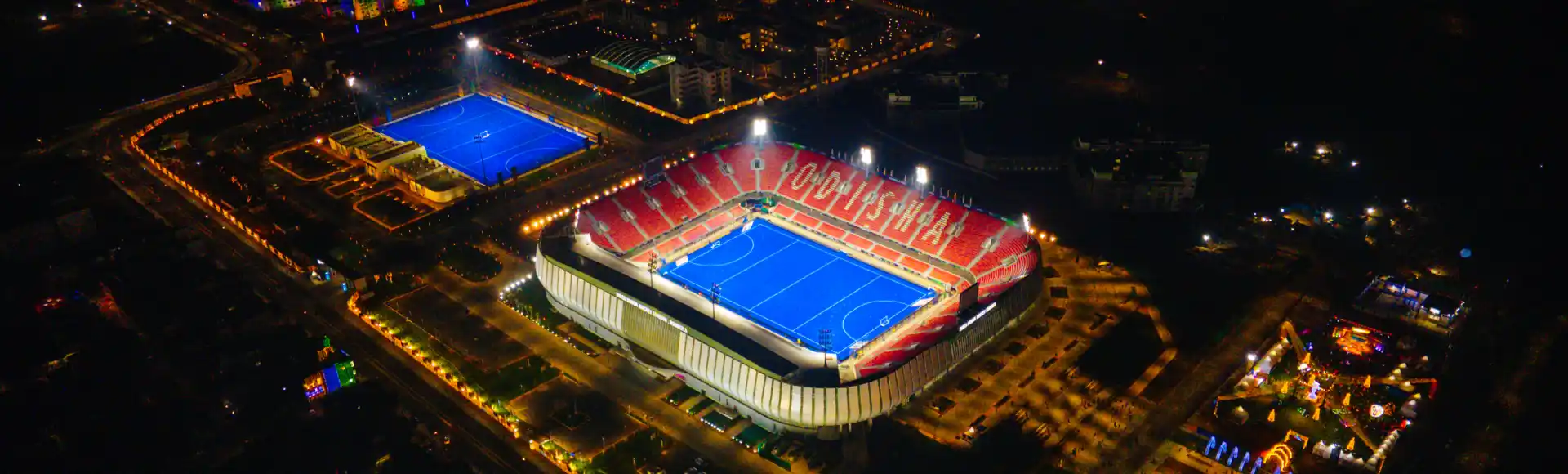
Birsa Munda International Hockey Stadium
Birsa Munda International Hockey Stadium is a major hockey venue in Rourkela, Odisha. Visitors come to see the 2023 stadium built for the FIH Odisha Hockey Men's World Cup.
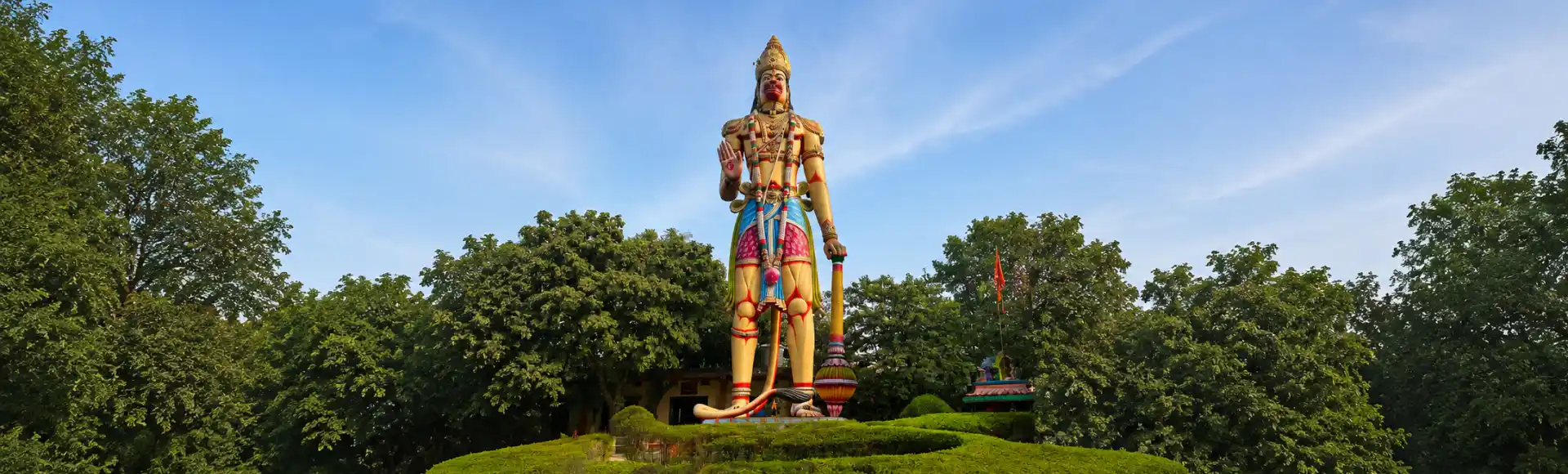
Hanuman Vatika
Hanuman Vatika in Raurkela is a religious complex visited by pilgrims and tourists for its prominent Hanuman statue, collection of shrines and tranquil grounds.
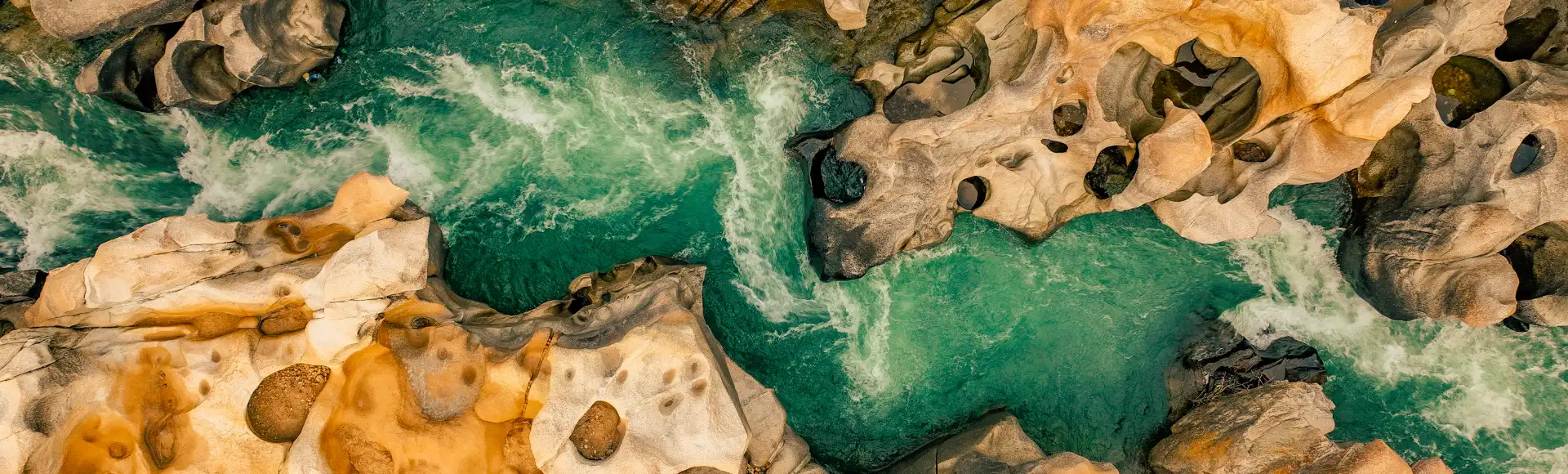
Kanhakund: The Grand Canyon Of Odisha
Kanhakund is a rugged gorge in Sundargada, Sundaragada, Odisha, known for its cliffs, rock formations and clear waters. Visitors come to experience its unusual landscape and observe its changing colours.
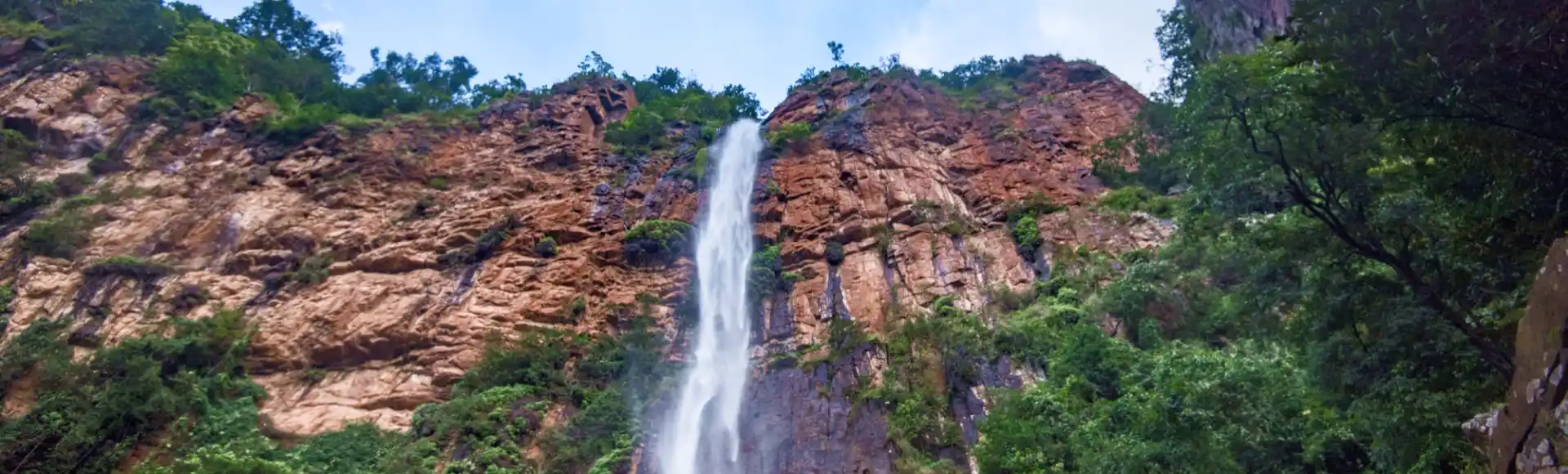
Khandadhar Waterfall
Khandadhar Waterfall is a major cascade in Sundaragada, Odisha. Visitors come for its steep drop, forested surroundings and the area’s cultural significance.
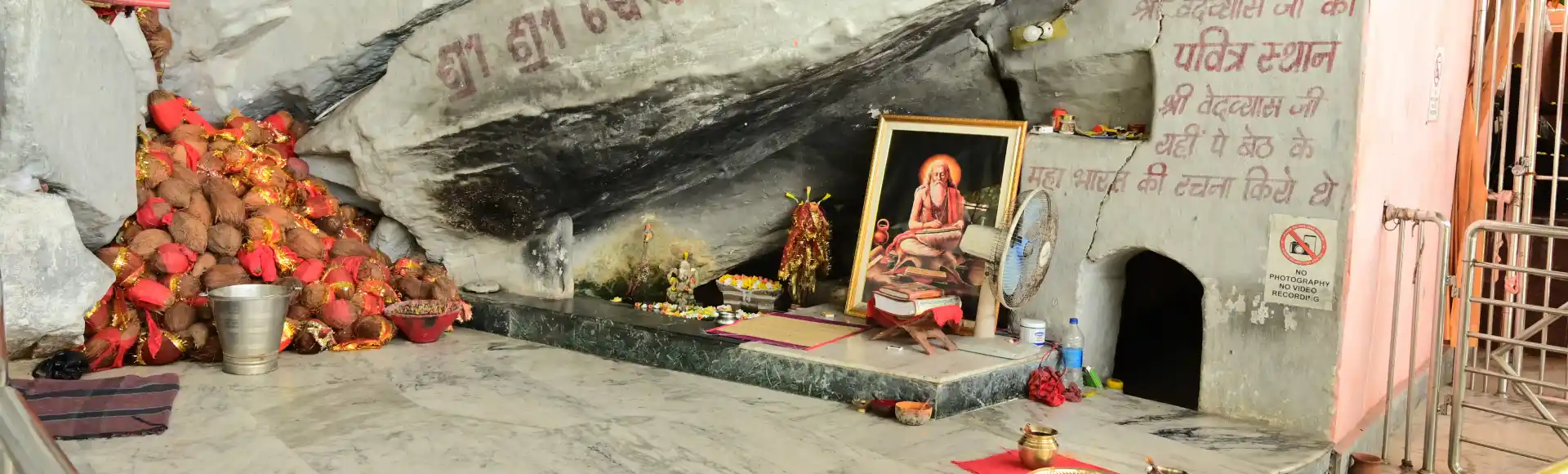
Ved Vyas Temple
Ved Vyas Temple, in Rourkela, Odisha, is a riverside religious site visited for its association with Maharishi Ved Vyasa, the Sankh–Koel confluence and its natural setting.
Food in Sundargarh reflects both Odisha’s rice-based cooking and the traditions of its western and Adivasi regions. Everyday meals commonly pair rice with dal and seasonal vegetables. Dalma, a preparation of lentils and vegetables, and pakhala, rice served with water and accompaniments, belong to the wider Odia food tradition rather than being district specialities. Pitha varieties feature in household and festive cooking, while chhena poda is a familiar Odisha sweet worth asking for at sweet shops. Availability varies considerably between towns and rural stops. For waterfall or countryside outings, carry drinking water and arrange meals before leaving your base.
Sundargarh’s craft heritage includes practical work with bamboo and other locally available natural materials, particularly in rural and Adivasi communities. Baskets, woven utility objects and leaf products reflect traditions closely connected with everyday life. Western Odisha is also celebrated for bandha, or tie-dyed ikat handloom textiles, often sold under the broader Sambalpuri name; these should not automatically be described as Sundargarh-made. When shopping, ask where an item was produced and who made it. Prefer artisan groups, cooperatives or sellers able to explain the material and technique.
Nuakhai, the harvest festival celebrated across western Odisha, usually falls around the end of the monsoon and is an important family and community occasion. Adivasi communities observe festivals such as Sarhul in spring and Karma during the monsoon season, with customs varying between communities. Makar Sankranti and Shivaratri are also observed, and religious sites may draw additional visitors during festival periods. These occasions can make transport and local markets busier; demand for rooms may rise around larger celebrations, so it is sensible to check availability and local event information before travelling.
Elsewhere in Odisha
Sundargarh is an inland district of wooded hills, rocky uplands, valleys and settled plains, with no coastline. The Sankh and Koel rivers meet near Ved Vyas, where the Brahmani begins. Forested terrain frames Khandadhar Waterfall, while flowing water has shaped the rock formations at Kanhakund. Rourkela and Sundargarh town are useful urban centres, but sights beyond them may involve longer road journeys through rural areas. Monsoon conditions can affect access on smaller roads, and distances between attractions make planning a route worthwhile.
The district has hot summers, a monsoon season and generally cooler, drier winters. Summer travel can feel demanding, especially on exposed walks or trips away from town; carry water, sun protection and light clothing. Monsoon rains green the landscape and feed waterfalls, but can make forest roads and paths slippery or difficult, so check access locally. The cooler months, broadly from late autumn through winter, are usually the most comfortable for sightseeing and outdoor outings. Pack layers for winter mornings and evenings, comfortable walking shoes, and rain protection if travelling during the monsoon.
Rourkela Junction is a useful railway gateway for Rourkela and several eastern district attractions. Veer Surendra Sai Airport at Jharsuguda is an important air gateway; Rourkela Airport may also be useful, depending on available flights. Choose your arrival point around your itinerary, since Sundargarh town and Rourkela serve different parts of the district. Road links connect these centres with surrounding towns, with buses useful for inter-town travel. Auto-rickshaws and taxis support local journeys, while a hired vehicle can simplify trips to Khandadhar or Kanhakund. Confirm access conditions and arrange return transport for remote outings. Check current services locally.
Road travel is the main way to connect Rourkela, Sundargarh town and attractions across the district. Local buses serve inter-town routes, while autos and shared vehicles may be available for shorter journeys; services can be limited outside larger centres. Taxis or a hired vehicle give more flexibility for Khandadhar Waterfall and Kanhakund, where return transport should be planned in advance. Rourkela Junction is a useful rail gateway, but trains do not replace local road travel between sights. There is no need to plan around boat transport for the destinations listed. Check current road conditions and transport options locally.
2 days: Birsa Munda International Hockey Stadium → Hanuman Vatika → Ved Vyas Temple. Sleep in Rourkela both nights. 3 days: Birsa Munda International Hockey Stadium → Hanuman Vatika → Ved Vyas Temple → Khandadhar Waterfall. Sleep in Rourkela for the first two nights; confirm suitable lodging near your route for the third night, or return to Rourkela. 4 days: Birsa Munda International Hockey Stadium → Hanuman Vatika → Ved Vyas Temple → Khandadhar Waterfall → Kanhakund: The Grand Canyon Of Odisha. Sleep in Rourkela for the first two nights and in Sundargarh town or another suitable town for the third night; confirm local lodging before setting out.
Rourkela is the most practical base for the stadium, Hanuman Vatika and Ved Vyas Temple, with a wider choice of hotels and other town accommodation. Sundargarh town can suit itineraries that include Kanhakund or the district’s interior, though room choices may be more limited. For Khandadhar Waterfall, check in advance whether suitable lodging is available near your planned route; many travellers may prefer to return to a larger town. Basic guesthouses, homestays, government lodges or dharamshalas may be found in some places, but availability and facilities vary.
Wear sturdy footwear at waterfalls and rocky viewpoints; wet rock, uneven ground and steep edges can be hazardous, especially during or after rain. In forested areas, stay on established paths, do not approach wildlife, and follow local guidance. Carry drinking water and basic supplies on longer outings, and avoid relying on mobile connectivity in remote stretches. Heavy monsoon weather can affect smaller roads and access, so check conditions before departure and avoid driving unfamiliar routes after dark. Attractions may be crowded during festivals or holidays. Confirm access rules and any permit requirements with official local sources before travel.
- West Singhbhum · Jharkhandabout 59 km
- Keonjharabout 107 km
- Khunti · Jharkhandabout 109 km
- Sambalpurabout 131 km
- Gumla · Jharkhandabout 131 km
- Ranchi · Jharkhandabout 136 km
- Seraikela Kharsawan · Jharkhandabout 149 km
- Latehar · Jharkhandabout 151 km
Straight-line distance between the centres of each district's destinations; road distance is longer.
Q: How many days should I spend in Sundargarh? A: Two days can cover Rourkela’s main sights; allow three or four days to include outlying natural attractions. Q: When is the best time to visit? A: The cooler months from late autumn through winter are generally most comfortable. Monsoon brings lush scenery but can complicate road access. Q: Where is the best base? A: Rourkela is convenient for the city sights and Ved Vyas Temple; Sundargarh town can suit visits to parts of the district interior. Q: How do I get to Sundargarh? A: Rourkela Junction is a useful rail gateway, and road connections link the district’s towns. Jharsuguda and Rourkela airports may be options depending on current flights. Q: Is Sundargarh suitable for families or elderly travellers? A: Rourkela’s urban sights can suit many visitors, but waterfall and rocky-site visits involve uneven terrain. Assess mobility needs and check access conditions before setting out.
This page draws on our 5 destination guides for Sundargarh and is updated as our team checks it.
Be the first to share photos, stories, advice or a helpful contact for Sundargarh.
Loading…