
District · Odisha
Jajpur
Jajpur is a rewarding stop in coastal Odisha for travellers interested in living religious traditions and early Buddhist heritage.
Jajpur district in Odisha brings together riverine plains, cultivated countryside and an unusually rich sacred landscape. The Baitarani River is closely associated with Jajpur town, where Biraja Temple remains an important centre of Shakti worship. Beyond the town, Ratnagiri and Udayagiri preserve the remains of major Buddhist monasteries, stupas and sculptural traditions. Ratnagiri flourished as a centre of Mahayana and Vajrayana Buddhism between the fifth and thirteenth centuries, while Udayagiri became a substantial centre of Buddhist learning. Together, these places reveal the district’s layered religious history. Jajpur rewards unhurried travel, with time for both living pilgrimage traditions and archaeological sites spread across its countryside.
Jajpur is a rewarding stop in coastal Odisha for travellers interested in living religious traditions and early Buddhist heritage. Jajpur town, associated with the Baitarani River, is an important pilgrimage centre centred on Biraja Temple and its Shakti tradition. In the district’s countryside, Ratnagiri and Udayagiri preserve the remains of substantial Buddhist monasteries and sculptural traditions, reflecting centuries of religious learning. The contrast between active worship in town and archaeological sites beyond it gives Jajpur a distinctive character within the region. Visits are best planned at an unhurried pace, allowing time for both temple customs and the sites’ rural settings.
Jajpur has long been associated with Viraja Kshetra, a sacred landscape centred on the worship of the goddess Biraja. The area’s religious history includes both Hindu institutions and Buddhist centres. Ratnagiri developed as a major Mahayana and Vajrayana Buddhist centre between the fifth and thirteenth centuries, while Udayagiri also became an important place of Buddhist learning. Odisha was ruled in different periods by dynasties including the Bhauma-Karas, Somavamsis and Eastern Gangas; their political and religious patronage helped shape the region, though the surviving sites reflect several phases rather than a single dynasty. The coastal Odisha region came under British control in the early nineteenth century, after the British occupation of Odisha in 1803. Jajpur’s modern district boundaries are more recent: Jajpur district was formed in 1993, when it was separated from the former Cuttack district. Its history is therefore visible both in archaeological remains spread through the countryside and in the continuing pilgrimage life of Jajpur town.
3 destination guides
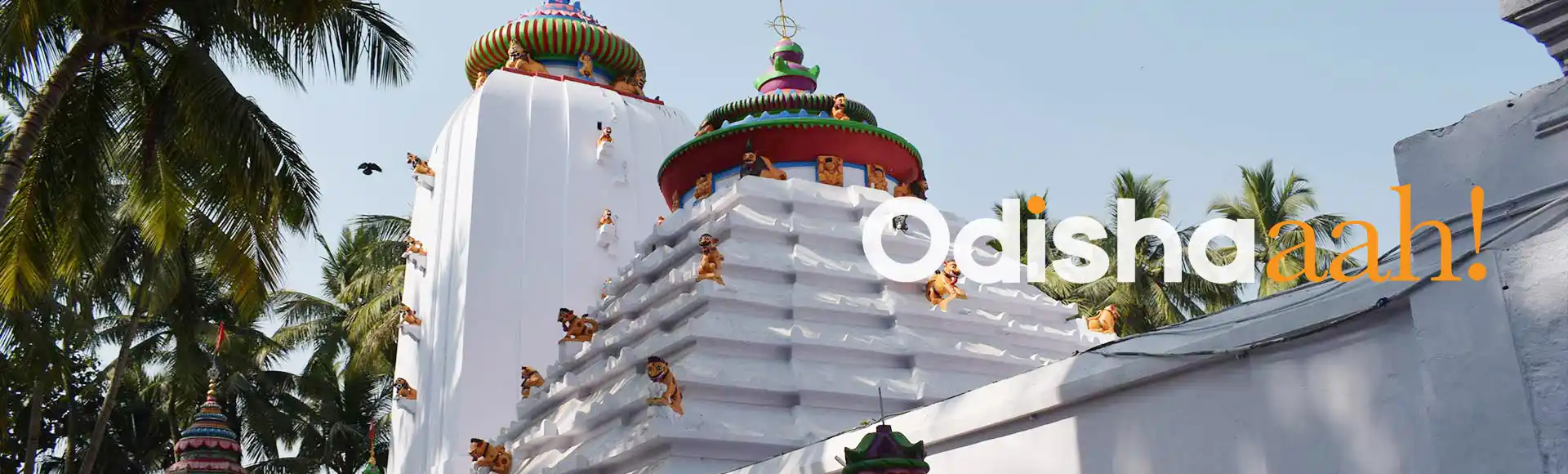
Biraja Temple
Biraja Temple is a Shakti shrine in Jajpur, Odisha, associated with Goddess Biraja, a form of Durga. Pilgrims come for worship, Pind Daan and the annual Dussehra chariot procession.
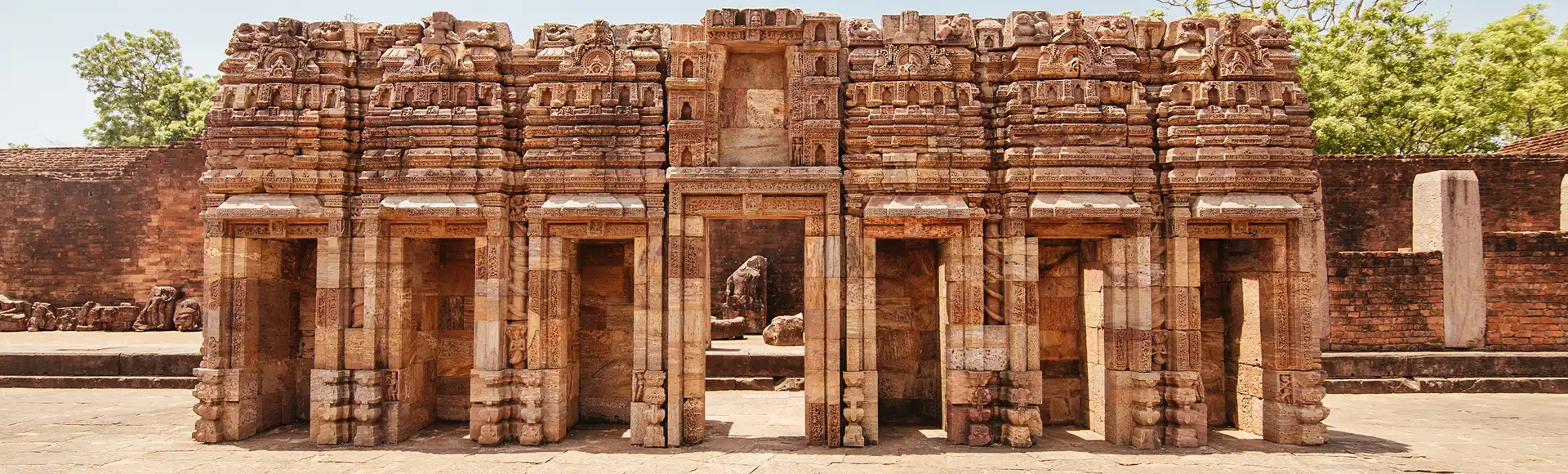
Ratnagiri Monastery
In Jajpur, Odisha, Ratnagiri is a major Buddhist heritage site linked to Mahayana and Vajrayana traditions. Visitors explore its monastery, sculptural remains and history as a place of Buddhist practice and learning.
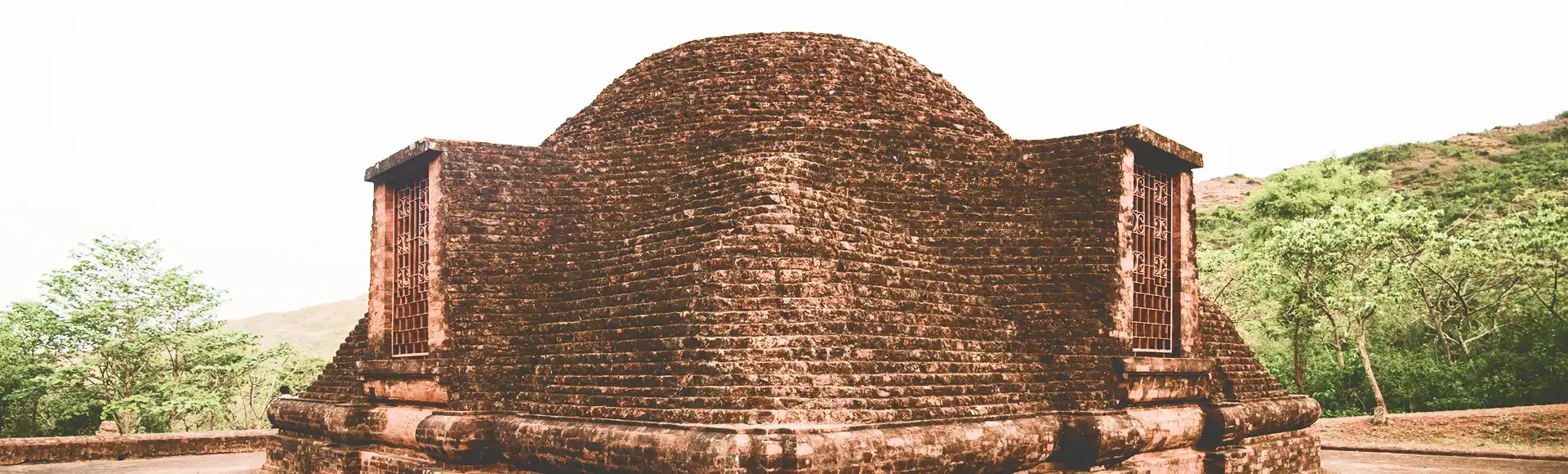
Udayagiri Monastery
Udayagiri is an extensive Buddhist archaeological complex in Jajpur, Odisha, and part of the region’s Diamond Triangle. Visitors explore its monastic remains and history of Buddhist scholarship.
Food in Jajpur draws on the wider Odia kitchen, with rice, dal, seasonal vegetables and fish featuring in everyday meals according to household and dietary preferences. Dalma, a preparation of lentils and vegetables, is a useful introduction to the region’s cooking. Pakhala, rice served with water and sometimes fermented, is another well-established Odia food tradition, especially in warm weather. Sweets such as chhena poda may be available, though selection varies by outlet. Plan meals around your base rather than relying on restaurants beside monastery sites, and carry safe drinking water.
Jajpur’s Buddhist sites offer a strong introduction to historic stone sculpture, with carved Buddhist figures and architectural remains illustrating the skill of earlier workshops. These are heritage objects, not a shopping tradition. For contemporary crafts, look to Odisha’s wider traditions of handloom weaving, pattachitra painting and applique work; these should not automatically be described as Jajpur specialities. Availability in local shops varies. Ask sellers where textiles and artworks were made, and distinguish handmade pieces from printed or factory-produced souvenirs.
Durga Puja and Navaratri are important observances at Biraja Temple and across the district, usually in autumn; pilgrimage and local celebrations can make Jajpur town busier. Chaitra, generally falling in March or April, is associated with regional religious gatherings, including the Baruni observance near the Baitarani. Makar Sankranti in January and Raja in June are also celebrated in Odisha, including in Jajpur, with household and community traditions. These periods may bring larger crowds around temples and gathering places, so travellers should allow flexibility and check accommodation availability in advance, particularly for visits centred on major observances.
Elsewhere in Odisha
Jajpur is largely a low-lying, cultivated district of coastal Odisha, shaped by river systems including the Baitarani and Brahmani and their tributaries. The rivers and fertile plains support farming and settlement, while low, wooded hills and uneven ground occur around the Buddhist archaeological sites. There is no coastline within the district. Most travel is by road between towns and countryside sites; rural approaches can be slower than journeys on main routes, especially during heavy rain. The broad, open landscape makes a vehicle useful for combining Jajpur town with Ratnagiri and Udayagiri in one itinerary.
Jajpur has a tropical monsoon climate. Summers, broadly from March to June, are hot and often humid; light clothing, sun protection and regular water breaks are useful. The monsoon, usually from June into September, brings heavy rain at times, which can make rural roads and paths muddy or slow travel. Winter, from around November to February, is generally more comfortable for walking around temples and archaeological sites. These cooler months are usually the most pleasant time to visit. Pack breathable clothing, a hat and comfortable shoes; add rain protection during the monsoon and a light layer for cooler mornings and evenings in winter. Check local weather and road conditions before setting out.
Biju Patnaik International Airport in Bhubaneswar is the principal air gateway for visiting Jajpur. Jajpur Keonjhar Road railway station is a useful rail arrival point; note that the railway settlement and Jajpur town are separate places, so confirm your onward destination. Cuttack also provides rail access for journeys towards the Buddhist sites. Road links connect the district with Bhubaneswar and Cuttack. Buses serve major settlements, while hired cars, taxis and locally available auto-rickshaws can cover onward journeys. Arranging a vehicle can simplify visits to Ratnagiri and Udayagiri. Check current services locally.
Jajpur town and Jajpur Keonjhar Road railway station are separate places, so confirm your destination before arranging onward travel. Roads link Jajpur town with settlements and the countryside around Ratnagiri and Udayagiri. Local buses serve major routes, while auto-rickshaws and shared vehicles may be available for shorter journeys, though service to archaeological sites can be limited or variable. A hired car or taxi is a practical way to combine the sites and avoid depending on infrequent connections. There is no need to plan on boat transport for the listed destinations. Check current local transport conditions before travelling.
2 days: Biraja Temple, then Ratnagiri Monastery and Udayagiri Monastery; sleep both nights in Jajpur town. 3 days: Biraja Temple; then Ratnagiri Monastery; then Udayagiri Monastery; sleep in Jajpur town each night.
Jajpur town is the most practical base for Biraja Temple and for a circuit combining the district’s main sights. The railway settlement at Jajpur Keonjhar Road is a separate option for travellers prioritising rail access, but it is not the same place as Jajpur town. Accommodation in the district generally includes hotels and simpler guesthouses; availability of homestays or government lodges can vary, so confirm locally. Pilgrim facilities and dharamshalas may be available around religious centres, but visitors should check access and arrangements in advance.
Wear sturdy, comfortable shoes at Ratnagiri and Udayagiri, where archaeological grounds may include uneven surfaces, steps and exposed areas. Heat and monsoon rain can make visits tiring or paths slippery; carry drinking water and sun or rain protection, and use safe drinking water. Rural roads may be narrow or affected by rain, so allow extra time and avoid rushing after dark. Mobile coverage can vary outside towns. Expect crowds around Biraja Temple during major observances and follow local guidance. No special permit requirement is known for these listed sites, but confirm current access rules with official local sources before travel.
- Kendraparaabout 47 km
- Jagatsinghpurabout 52 km
- Cuttackabout 53 km
- Khordhaabout 70 km
- Dhenkanalabout 73 km
- Balasoreabout 103 km
- Puriabout 107 km
- Keonjharabout 130 km
Straight-line distance between the centres of each district's destinations; road distance is longer.
Q: How many days should I spend in Jajpur? A: Two days can cover Biraja Temple, Ratnagiri Monastery and Udayagiri Monastery at a measured pace; add a day if you prefer less driving and more time at each site. Q: When is the best time to visit? A: November to February is generally the most comfortable season for sightseeing. Monsoon travel can be slower, while summer can be hot. Q: What is the best base for visiting the district? A: Jajpur town is a practical base for Biraja Temple and onward road visits to the Buddhist sites. Jajpur Keonjhar Road is a separate railway settlement. Q: How do I get to Jajpur? A: Bhubaneswar is the principal air gateway, and Jajpur Keonjhar Road railway station is a useful rail arrival point. Continue by road, confirming your destination and onward transport. Q: Is Jajpur suitable for families or elderly travellers? A: Yes, with planning. Biraja Temple is accessible as a town visit, while the archaeological sites may involve uneven ground and walking; allow time, arrange suitable transport and consider individual mobility needs.
This page draws on our 3 destination guides for Jajpur and is updated as our team checks it.
Be the first to share photos, stories, advice or a helpful contact for Jajpur.
Loading…