
District · Odisha
Balasore
Balasore, also known as Baleshwar, offers a varied introduction to northern coastal Odisha: beaches and tidal shorelines sit alongside fertile plains, river country and the wooded hills of Nilagiri.
Balasore, also called Baleshwar, lies in northern Odisha, where the Bay of Bengal coast meets fertile plains, river country and the rising terrain around Nilagiri. Its landscape includes beaches such as Chandipur and Talasari, as well as forested areas around Kuldiha Wildlife Sanctuary and the hill shrine of Panchalingeswar. The district’s coastal position has long connected it with travel and trade, and Balasore town preserves traces of its past as a port and centre of European commercial activity. Today, the district combines busy towns and agricultural communities with quieter stretches of coast and countryside. Its character is shaped by Odisha’s cultural traditions and by the varied rhythms of life along the northern coast.
Balasore, also known as Baleshwar, offers a varied introduction to northern coastal Odisha: beaches and tidal shorelines sit alongside fertile plains, river country and the wooded hills of Nilagiri. Travellers come for Chandipur’s retreating sea, Talasari’s coastal scenery, the Shiva shrine of Panchalingeswar and wildlife habitat at Kuldiha. Balasore town is also a useful rail and road gateway, with traces of the region’s maritime and colonial trading past. The district suits visitors looking to combine coast, countryside, religious sites and nature rather than focus on a single resort area.
The Balasore region formed part of ancient Kalinga and later came under successive powers that ruled Odisha, including the Eastern Ganga and Gajapati dynasties. Mughal authority extended into the region, followed by Maratha influence before British control. Its position on the Bay of Bengal and near navigable waterways drew European merchants. From the early modern period, European trading interests, including the English East India Company, operated in and around Balasore; the town became known as a port and commercial centre. British rule reshaped administration and trade, and the district was constituted under British administration in the nineteenth century. Balasore became part of the separate province of Odisha when it was formed in 1936. The district’s history is also connected to Odisha’s broader cultural and religious traditions, visible in its temples, fairs and pilgrimage places. Over time, changes in coastal conditions and transport reduced the town’s role as a major port, while rail and road links strengthened its importance as a regional centre.
4 destination guides
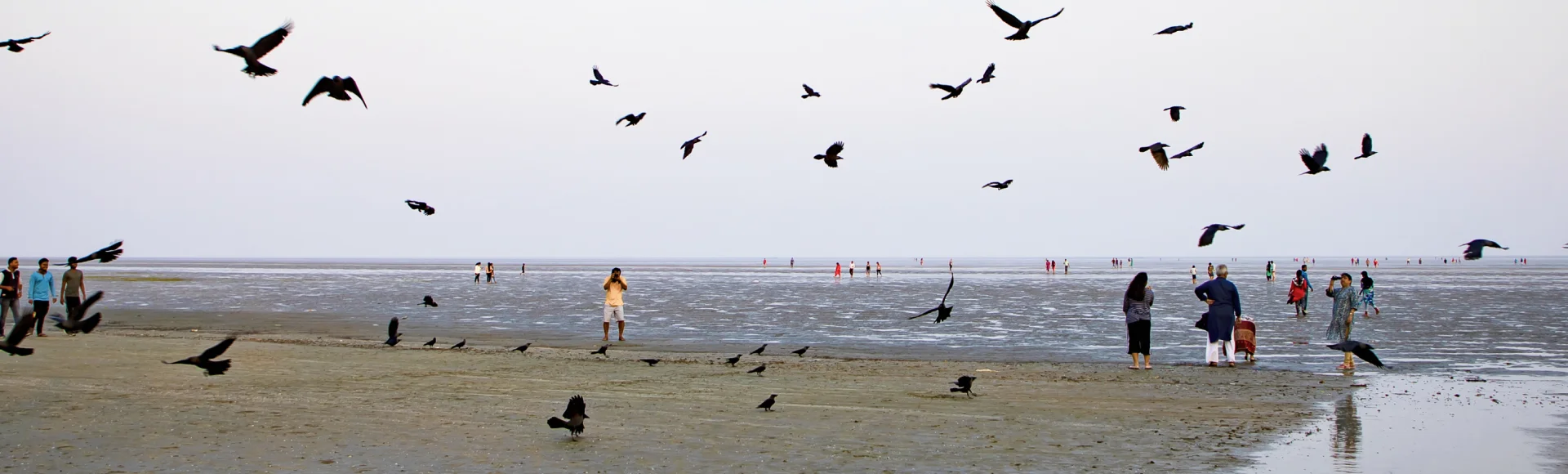
Chandipur Beach
On Odisha’s Baleshwar coast, Chandipur Beach is known for its retreating tide, which exposes the seabed and gives visitors room to explore the shore on foot.
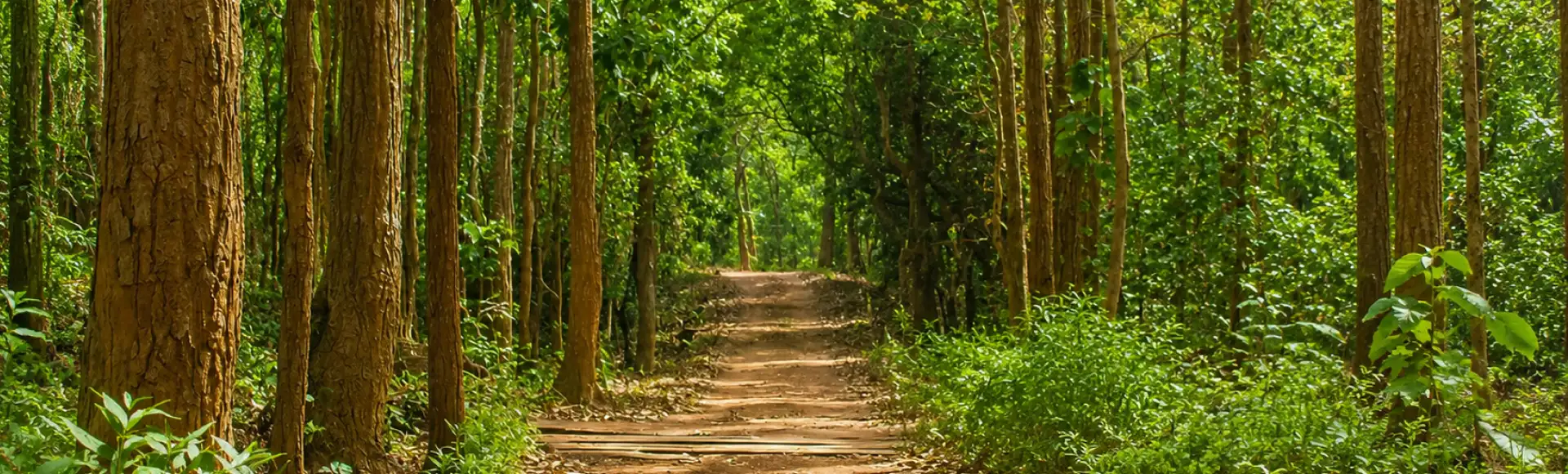
Kuldiha Wildlife Sanctuary
Located in Odisha’s Baleshwar district, Kuldiha Wildlife Sanctuary attracts visitors with its forested hills, flowing streams and diverse wildlife, including elephants and a rich variety of birds.
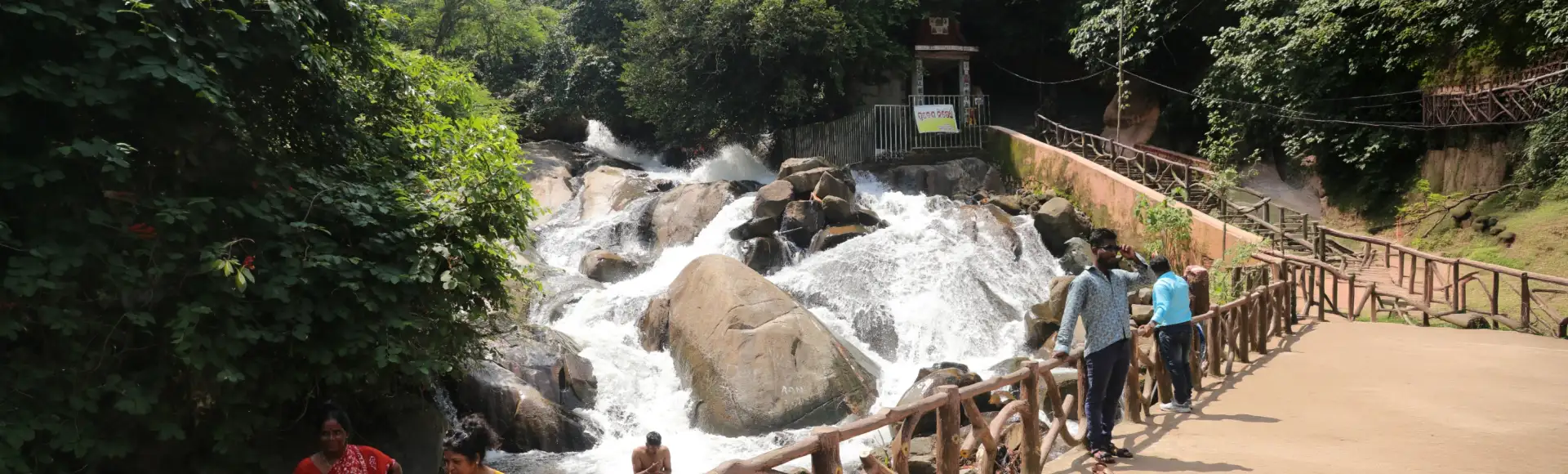
Panchalingeswar Temple
Panchalingeswar Temple is a Shiva shrine in the Nilagiri Hills of Baleshwar district, Odisha. Visitors come to worship its five water-covered lingas and experience the surrounding hills.
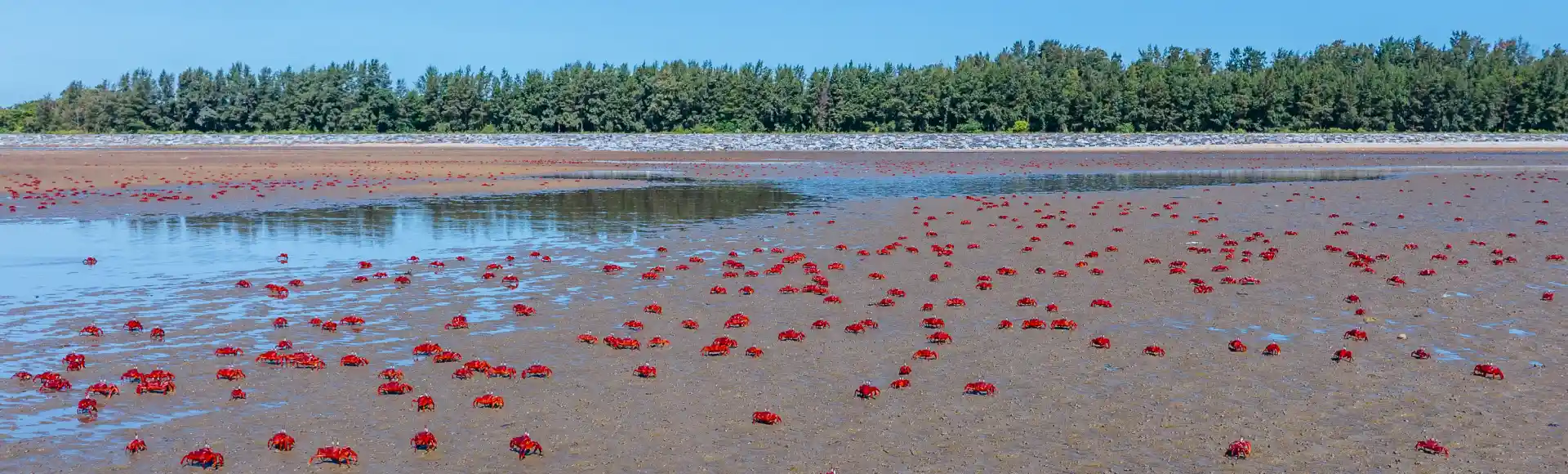
Talasari Beach
Talasari Beach is a quiet coastal stretch in northern Odisha, known for its estuary landscape, low-tide sandbars, red crabs and relaxed seaside walks.
Rice is central to everyday meals in Balasore and across Odisha. Fish and other seafood are common in coastal areas, though menus and availability vary by place and season. Dalma, a preparation of lentils and vegetables, and vegetable dishes such as santula are familiar across the wider region. Pakhala, fermented or lightly soured rice, is also eaten in Odisha, especially in warm weather. Chhena poda, a baked cheese sweet associated with Odisha, is worth looking for in local sweet shops. At smaller coastal or rural stops, choices may be limited, so ask what is freshly prepared and plan meals around larger towns.
Balasore does not have one widely recognised craft that defines the whole district. Handloom weaving and household crafts form part of Odisha’s broader living traditions, with the kinds of work available varying between towns and villages. The state is also known for art forms such as Pattachitra painting, Pipili applique and Cuttack silver filigree, but their best-known centres lie outside Balasore. Visitors can ask locally about textiles and handmade goods, and check where an item was made rather than assuming that a craft sold in the district originated there.
Durga Puja and Kali Puja are widely observed in the autumn, with decorated neighbourhoods, community gatherings and busier markets. Rath Yatra is celebrated in the summer season in towns and local communities. Shivaratri draws worshippers to Shiva shrines, including Panchalingeswar, usually in late winter or early spring. The Chandaneswar temple area, near the northern coast, is associated with a large Chaitra-season fair; this is a regional pilgrimage event that can bring heavy crowds. Accommodation and road services may be busier around major festival periods, so check availability and local travel conditions ahead.
Elsewhere in Odisha
Balasore’s landscape runs from the Bay of Bengal shore and tidal flats inland across low, fertile plains. The Subarnarekha and Budhabalanga are among the rivers that shape the district, while smaller waterways and coastal wetlands influence local routes. Near Nilagiri, the land rises into wooded hills, with Kuldiha’s forests forming part of the district’s protected natural areas. Tides alter access and the appearance of beaches such as Chandipur, so coastal visits are shaped by sea conditions. Hill, forest and beach destinations are spread out, making road travel and advance planning useful.
Balasore has a tropical coastal climate. Summers are generally hot and humid, while the monsoon brings heavy showers, greener countryside and possible disruption to road travel. Winter is usually milder and drier, making it the most comfortable season for combining beaches, temple visits and forest outings. The cooler months, broadly from November to February, are often a good time to visit; shoulder-season conditions can also suit travel, though weather varies. Pack light clothing, sun protection and drinking water, plus a rain layer during the monsoon. For winter evenings or early starts in the hills, carry a light warm layer.
Baleshwar Railway Station is the main rail gateway for the district, with rail connections serving the town. The nearest major airport is Biju Patnaik International Airport in Bhubaneswar. National Highway 16 links the region with cities along the Kolkata–Chennai corridor, while roads connect Balasore town with coastal destinations, Nilagiri and nearby rural areas. State buses and other road services can help with intercity travel; within the district, local buses, shared vehicles and hired cars or taxis are options. For beaches, forest areas and hill sites, arrange onward transport in advance rather than relying on frequent local services. Check current services locally before travelling.
Balasore town is the main local transport hub, with road links towards Nilagiri, Chandipur, Talasari and other rural areas. Local buses and shared vehicles serve some routes, but frequency and onward connections can be limited, especially for beach and forest visits. Auto-rickshaws are useful for shorter trips in towns; hired cars or taxis offer more flexibility for a multi-stop itinerary. Local boats may operate around some coastal waterways, but they are not a dependable district-wide transport option and should only be used when locally available and conditions are considered safe. Arrange return transport in advance for outlying sights.
2 days: Panchalingeswar Temple → Kuldiha Wildlife Sanctuary; sleep in Nilagiri or Balasore on night one. 3 days: Chandipur Beach → Talasari Beach; sleep near Chandipur on night one and near Talasari or return to Balasore on night two. 4 days: Chandipur Beach → Talasari Beach → Panchalingeswar Temple → Kuldiha Wildlife Sanctuary; sleep near Chandipur on night one, in Balasore on night two and in Nilagiri or Balasore on night three.
Balasore town is the most practical base for rail connections, local services and trips towards the coast or Nilagiri. Chandipur is convenient for a coastal stay, while Nilagiri can suit visitors focusing on Panchalingeswar and nearby countryside. Accommodation options generally include hotels and guesthouses in town and simpler stays near popular destinations; homestays, government lodges and dharamshalas may be available in some areas, but choice can be limited outside the main town. Confirm location, availability and transport arrangements before booking.
Check tide and sea conditions before visiting beaches, and do not walk far across exposed flats at Chandipur because returning water can cut off routes. Avoid swimming unless local authorities or lifeguards confirm it is safe. Monsoon rain can affect roads and visibility; check conditions before travelling to remote sites. In Kuldiha, follow forest staff guidance, stay on permitted routes and keep a respectful distance from wildlife. Carry drinking water and use treated or sealed supplies where needed. Mobile connectivity may be patchy outside towns. Confirm current access rules and any required permits with official forest or site authorities before setting out.
- Mayurbhanjabout 75 km
- Purba Medinipur · West Bengalabout 80 km
- Kendraparaabout 82 km
- Jajpurabout 103 km
- Jhargram · West Bengalabout 114 km
- Jagatsinghpurabout 129 km
- Keonjharabout 137 km
- South 24 Parganas · West Bengalabout 146 km
Straight-line distance between the centres of each district's destinations; road distance is longer.
Q: How many days should I spend in Balasore district? A: Two days can cover a hill or forest visit; three to four days allow a more relaxed combination of coast, countryside and wildlife. Q: When is the best time to visit? A: The cooler, generally drier months from November to February are comfortable for most sightseeing; check seasonal sea and road conditions. Q: What is the best base for exploring? A: Balasore town is the most practical all-round base, while Chandipur or Nilagiri can suit focused coastal or hill visits. Q: How do I get to Balasore? A: Baleshwar Railway Station serves the town, and road links connect it with the regional highway network; the nearest major airport is in Bhubaneswar. Q: Is the district suitable for families or elderly travellers? A: Yes, with planning. Town and beach visits can be straightforward, but hill paths, forest terrain, tidal flats and limited transport to remote sites may require extra care.
This page draws on our 4 destination guides for Balasore and is updated as our team checks it.
Be the first to share photos, stories, advice or a helpful contact for Balasore.
Loading…