
Kuldiha Wildlife Sanctuary
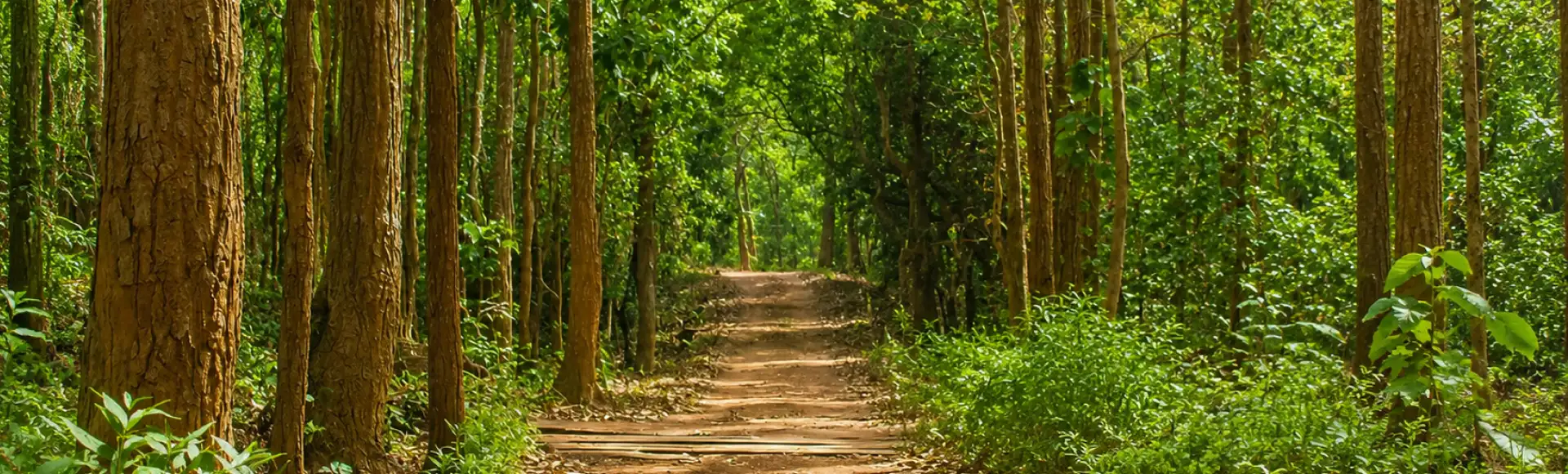
Located in Odisha’s Baleshwar district, Kuldiha Wildlife Sanctuary attracts visitors with its forested hills, flowing streams and diverse wildlife, including elephants and a rich variety of birds.
Key facts · verified by Ghumoopedia editors
- Type of place
- National park / sanctuary
- Best time to visit
- Nov - May
- Verified
- 21 Nov 2026
Plan a trip from Kuldiha Wildlife Sanctuary — a day-by-day route through places nearby.
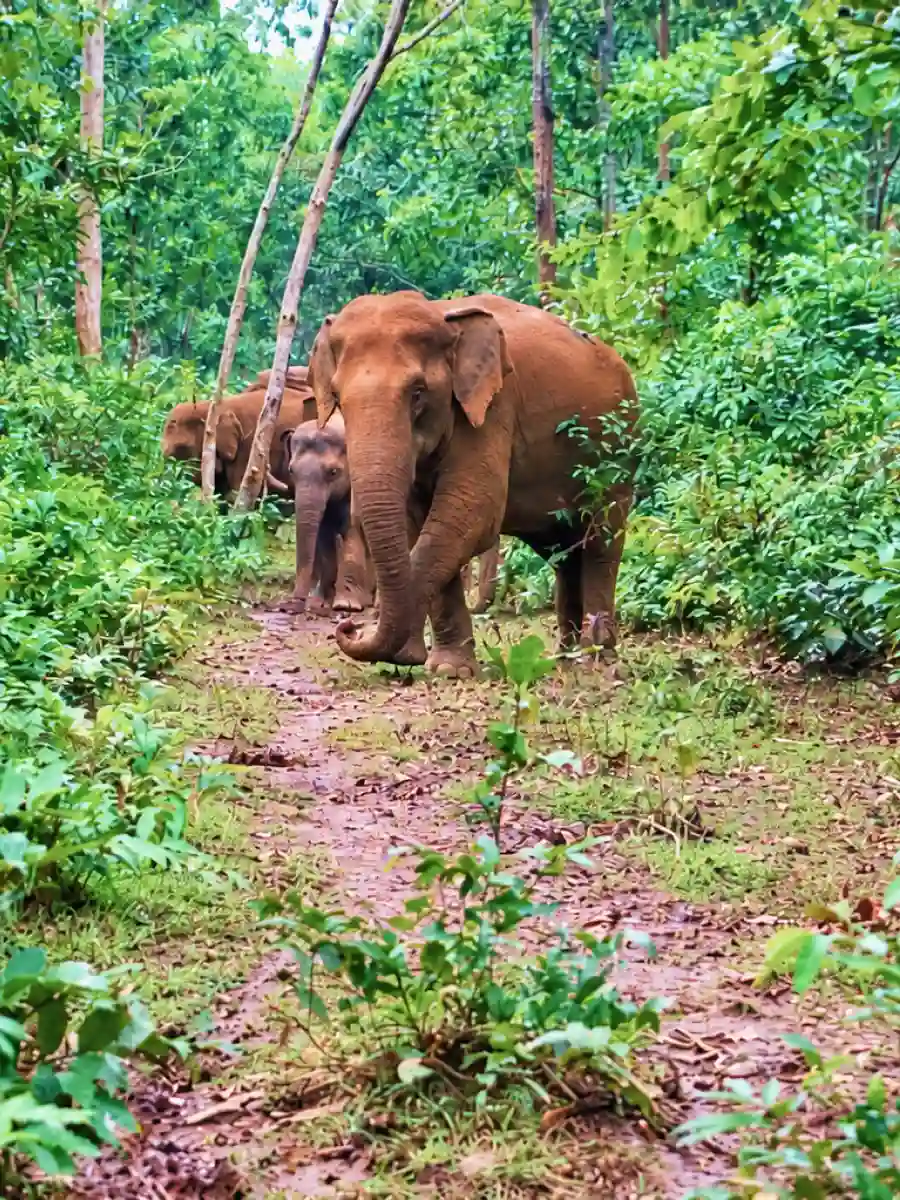
Set in Baleshwar district in northern Odisha, Kuldiha is a protected forest landscape connected ecologically with Similipal Biosphere Reserve. Its terrain combines mixed deciduous woodland, undulating hills and streams that flow throughout the year. Wildlife recorded here includes elephants, leopards and sloth bears, alongside giant Malabar squirrels, spotted deer and sambar. The sanctuary is also known for its birdlife, which makes it a destination for birdwatchers as well as people interested in wildlife and forest walks. Among the birds found in Kuldiha are the Malabar Trogon, Blue-eared Kingfisher, Heart-spotted Woodpecker and Speckled Piculet. Woodland paths and the area's streams and hills offer visitors opportunities to experience the sanctuary's varied natural surroundings. Plan your visit around Nov - May. The official suggested visit duration is Half Day – Full Day; treat this as time at the attraction, not the complete journey from your hotel. Odisha’s coast and plains can be hot and humid, while southern hill districts may feel cooler after sunset. Heavy monsoon rain can affect road travel and access to outdoor sites. Check the local forecast before setting out, and keep a flexible alternative for bad weather. Official destination reference: https://odishatourism.gov.in/en/places/kuldiha-wildlife-sanctuary
Why it matters
Kuldiha Wildlife Sanctuary is an important protected forest landscape in Balasore district, northern Odisha. Odisha Tourism describes it as an ecological corridor linking with the Similipal Biosphere Reserve, giving it regional significance for habitat connectivity and wildlife conservation. Its mixed deciduous forests, hills and streams support a range of mammals and birds, including species of interest to naturalists and birders. The sanctuary is also a quieter alternative to more heavily visited wildlife destinations, though visitor access and wildlife viewing depend on current forest rules and conditions. It is a state wildlife sanctuary; no UNESCO or Archaeological Survey of India designation is claimed here. Its importance is best understood through its role in the wider landscape rather than as a guaranteed wildlife-viewing site.
Kuldiha is a forest landscape, not a built monument with a single known founder or construction date. It is protected as a wildlife sanctuary, and its present identity is shaped by forest conservation and regulated visitor access. The sanctuary lies within a wider belt of forests and hills in northern Odisha; Odisha Tourism identifies its ecological connection with the Similipal Biosphere Reserve as an important feature. That landscape context helps explain why conservation here concerns habitat as well as individual animal sightings. Forest management, wildlife protection and local access can change over time, so visitors should rely on current guidance from the managing authority rather than assume that every trail or zone is open. There is no well-documented restoration episode or architectural history to recount. The surrounding villages and district towns have their own histories and livelihoods, but visitors should avoid treating local communities as part of a staged attraction. For current information about the sanctuary’s designation, access and conservation arrangements, consult Odisha’s official tourism and forest sources.
Begin with the main attraction at Kuldiha Wildlife Sanctuary and leave time to understand its setting in Balasore. Walk the public visitor route, read local information boards and ask staff which areas are open. Choose a relaxed visit over trying to cover too many unrelated stops. Keep a simple itinerary: arrive in daylight, enjoy the main visit, take a shaded meal break, then decide whether one nearby stop fits your return plan. Use the district index to find nearby places, but check the actual road route before combining them. Reserve a little time for photographs from permitted public viewpoints and avoid blocking paths while taking pictures.
Suggested itineraries
Half day: Allow about 3–4 hours for the entrance and local orientation, a permitted forest visit with time for quiet wildlife and bird observation, and a break before returning. Full day: Allow about 6–8 hours for the forest visit at an unhurried pace, a shaded meal break, more time on routes confirmed open by staff, and a nearby stop only if the road journey and return plan allow. Gentler option: Spend about 2–3 hours near the accessible visitor area, taking seated breaks and skipping uneven or longer trails; check route conditions and facilities with staff first.
The sanctuary is a natural area rather than a venue for regular performances or cultural events. In nearby towns and villages, everyday life reflects the broader culture of northern Odisha, with Odia widely used and local customs varying between communities. Hindu festivals, seasonal observances, regional food traditions and family gatherings are part of the surrounding district’s living culture. Some forest-fringe communities also maintain distinct traditions, but visitors should not assume these are public displays or seek access to private or restricted practices. Ask before photographing people, and approach local customs with courtesy. A visit can be paired with time in Balasore or Nilagiri to experience the region beyond the forest.
Local communities
People in villages around Kuldiha have varied connections with the forest and the wider Balasore district. Livelihoods may include farming, local trade, wage work and, for some households, activities linked to forest resources or tourism. Forest access and use are subject to applicable conservation rules, and practices differ between communities. Odisha’s official destination information presents Kuldiha as a nature and wildlife destination; it does not detail the lives of individual villages. Visitors can support local businesses where available, follow guidance from forest staff and avoid treating residents or their traditions as attractions. Ask permission before taking photographs of people or homes.
Festivals & events
No recurring festival or fair is identified here as an event held inside Kuldiha Wildlife Sanctuary. In the wider Balasore region, visitors may encounter familiar Odisha celebrations such as Raja in the early monsoon season, Durga Puja in autumn and Makar Sankranti in winter. Dates vary from year to year, and celebrations are community-based rather than sanctuary events. During festival periods, town markets, roads and places of worship may be busier, while local transport and accommodation can be more in demand. Check local notices before combining a festival visit with a forest excursion, and do not enter restricted areas for celebrations or photography.
For a visit to Kuldiha Wildlife Sanctuary, plan food around your base in Balasore and do not assume that a remote entrance has a full restaurant. Odisha offers rice-based meals, dalma, vegetable preparations and sweets such as chhena poda. Availability varies by district and outlet; ask what is freshly prepared rather than expecting every local dish at every stop. Choose busy, clean establishments and tell staff about allergies, spice preferences or dietary restrictions before ordering. Carry sealed drinking water and a small snack if you are travelling beyond a town. In hot weather, take regular water breaks instead of waiting until you feel exhausted. For early starts, arrange breakfast in advance and ask your accommodation whether a packed meal is practical. Keep all packaging with you until you find an appropriate waste bin.
Shopping & local experiences
Balasore and nearby town markets are the most practical places to look for everyday supplies, regional snacks and locally made items. Availability of crafts and food varies, so ask locally about products made in the district rather than expecting a dedicated souvenir shop at the sanctuary. You may find Odisha-style sweets or savoury snacks in town; choose clean, established vendors and carry food packaging back out of the forest. Buying from local businesses can support the area, but do not purchase wildlife products, plants or items presented as souvenirs from the sanctuary.
Kuldiha’s landscape includes dense mixed deciduous forest, rolling hills and perennial streams, set within the forested terrain of northern Odisha. The sanctuary’s ecological connection with the Similipal Biosphere Reserve is noted by Odisha Tourism. Forest habitats support mammals including elephants, leopards, sloth bears, giant Malabar squirrels, spotted deer and sambar. Birdlife is a particular draw: the guide highlights the Malabar Trogon, Blue-eared Kingfisher, Heart-spotted Woodpecker and Speckled Piculet among species of interest. These are wild animals, and sightings are never assured; quiet observation and patience are essential. Forest conditions, water levels and access can vary with the season, especially during heavy monsoon rain. Stay on routes permitted by staff and do not approach or feed wildlife.
Nov - May
Start by choosing a practical overnight base in or near Balasore, rather than assuming every attraction has its own railway station. Odisha Tourism lists this rail access: Nearest railway station – Baleshwar Railway Station. The listed air access is: Nearest airport – Biju Patnaik International Airport, Bhubaneswar. Road access: Accessible by road from Baleshwar (30 km), Nilagiri (20 km) & Bhubaneswar (240 km). Compare train, bus and flight options door to door. Rail can suit overnight journeys and travellers who prefer to avoid a long drive. A bus may be useful between district towns, but the last service may finish before your visit ends. A flight only saves time if airport transfers, check-in and the final road leg are included. Reserve the return leg before departure and allow time for traffic, meals and weather. Check IRCTC and NTES for trains, OSRTC for buses, and the airline’s own schedule for flights. Do not rely on an unconfirmed connection or assume taxis will wait at a remote site.
Confirm onward and return timings on IRCTC / NTES, the state bus operator or your airline before travel. A dash means current timings or fares have not been verified.
Getting around
Baleshwar (Balasore) is the practical district base identified in Odisha Tourism’s access information; Nilagiri is another nearby town. The final approach is by road, so arrange a taxi or other suitable vehicle in advance and confirm the route and return plan locally. Local buses may serve towns in the district, but they may not provide convenient access to the sanctuary entrance or a flexible return. Autos can be useful for short town journeys, subject to local availability. Inside the sanctuary, movement is limited to permitted visitor routes and any transport approved by staff; do not expect to explore freely on foot. Confirm parking and vehicle access at the entrance.
Hours, tickets & permissions
Entry arrangements can depend on the season, forest conditions and the areas open to visitors. A forest entry permit or ticket may be required, and separate conditions can apply to vehicles, cameras, guides or particular routes. Carry identification if requested by the managing authority, and follow instructions from staff at the entrance. Do not assume that access is available throughout the day or that all trails are open. Confirm current visiting hours, entry requirements and fees with the sanctuary’s managing authority or official Odisha Tourism information before setting out.
Facilities
Facilities within the sanctuary may be limited and can vary by entrance and season. Check locally for toilets, drinking water, parking, visitor information and whether an authorised guide or vehicle is available. Do not rely on finding food, an ATM or mobile network inside the forest; arrange meals, cash and essential supplies in Balasore or another town before travelling. Carry water and take all rubbish back with you. Ask the managing staff which services are operating on the day, especially after heavy rain or during periods of restricted access.
Accessibility
A wildlife sanctuary is a natural forest setting, and visitor routes may include uneven ground, slopes, mud, roots or exposed sections. Walking distances and shade depend on which areas are open and the route approved by staff. Wheelchair and stroller access should not be assumed, and there may be no step-free facilities along forest trails. Elderly visitors or anyone with limited mobility may prefer a short visit near the entrance or another area confirmed as suitable locally, with frequent rests and a companion. Check current ground conditions, seating, toilets and vehicle access before travelling, particularly during or after the monsoon.
At Kuldiha Wildlife Sanctuary, local access rules take priority over any suggested itinerary. Reconfirm opening arrangements, entry eligibility, permits and weather restrictions shortly before arrival. Keep the emergency number 112 available and save your accommodation’s contact details offline. A map pin identifies a general location, not an assurance that the approach road or walking path is safe. Ask local staff which entrance visitors should use. Respect conservation barriers, residential boundaries and instructions from staff. Ask permission for portraits and avoid sharing identifiable images of local residents without consent. Carry only necessary valuables, keep rubbish out of the site, and leave enough daylight for the return journey.
Visitor rules
Follow all instructions from forest staff and remain on routes open to visitors. Do not enter restricted areas, approach, feed or call wildlife, or damage plants and other natural features. Wear practical clothing and closed, sturdy footwear suited to uneven forest ground; carry rain protection when conditions suggest it. Avoid loud conversation, music and litter, and take plastic and other waste back out. Photography may be subject to local restrictions, including around wildlife or staff areas; ask before using equipment. Keep a respectful distance from other visitors and local residents, and confirm current entry rules before arrival.
Photography
Soft morning or late-afternoon light can suit forest photography, but the best conditions depend on weather and the routes open to visitors. Use only permitted public viewpoints and trails, and do not leave the route to approach wildlife or improve a shot. Photography rules can vary; confirm any camera restrictions or fees with staff. Drone use should not be assumed to be permitted in a wildlife sanctuary: seek explicit approval from the relevant authority and follow applicable aviation rules before bringing one. Ask permission before photographing local residents, staff or private property, and avoid flash or noise that could disturb wildlife.
Choose accommodation by the complete journey to Kuldiha Wildlife Sanctuary, not by the district name alone. A room in a well-connected town in Balasore may offer easier transport, meals and medical access than a property advertised as being close to the attraction. Check the exact location, recent guest feedback, reception hours and cancellation terms. Ask how you will reach the site and return after the visit, especially if you are not driving. A centrally located stay can make early sightseeing and an evening return easier. Confirm whether the approach road is accessible to your vehicle and whether lifts are available. Book only through a trusted accommodation channel, avoid sending payments to an unverified personal contact, and keep written confirmation of the services included.
Panchalingeswar, near Nilagiri, is a well-known hill and temple destination in the district and may suit a separate or carefully planned road outing. Remuna is known for the Khirachora Gopinath temple, while Chandipur is a coastal destination near Balasore. These places are not all on the same short route, so check actual road conditions and travel time before combining them with a sanctuary visit. Keep the forest visit as the main plan, allow time for the return journey and confirm opening or access arrangements at each stop locally.
For couples visiting Kuldiha Wildlife Sanctuary, keep the day relaxed: one main visit, a meal break and a return transfer arranged in advance. Choose public viewpoints for photographs and respect religious or community expectations around behaviour and clothing. Confirm the accommodation’s check-in requirements before booking. Avoid secluded paths after dark and do not trade a safe return plan for a late photograph. A quieter weekday may suit you, but opening and access arrangements still need local confirmation.
Q: How much time should I allow for Kuldiha? A: The suggested visit is half a day to a full day at the attraction; this does not include the journey from your overnight base. Q: When is a good season to visit? A: We recommend November to May. Check weather and access conditions, as heavy monsoon rain can affect roads and forest entry. Q: Do I need permission or a ticket to enter? A: Entry rules, permits and fees may apply and can change. Confirm current requirements with the managing authority before travelling. Q: Is the visit suitable for children and older visitors? A: It can be, with supervision and a route matched to mobility. Forest paths may be uneven, so check conditions and facilities locally. Q: Where should I stay nearby? A: Balasore is a practical base listed in the destination access information. Confirm accommodation and the road transfer to the sanctuary before departure.
Be the first to share photos, stories, advice or a helpful contact for Kuldiha Wildlife Sanctuary.
Loading…