
District · Odisha
Sambalpur
Sambalpur is a key urban and cultural centre in western Odisha, set along the Mahanadi River and serving as a gateway to the region’s historic towns, reservoir country and handloom traditions.
Sambalpur district lies in western Odisha, where the Mahanadi River and its tributaries shape a landscape of river valleys, reservoirs, cultivated plains and forested uplands. The district’s best-known landmark is Hirakud Dam, a major engineering project across the Mahanadi. Sambalpur has a long regional history, including its past as the centre of a princely state, and remains an important cultural and commercial hub. Maa Samaleswari Temple is a prominent place of worship, while the nearby Leaning Temple of Huma draws visitors for its unusual structure beside the river. Handloom traditions, especially Sambalpuri Ikat, are an enduring part of the district’s identity.
Sambalpur is a key urban and cultural centre in western Odisha, set along the Mahanadi River and serving as a gateway to the region’s historic towns, reservoir country and handloom traditions. Travellers come for the distinctive leaning shrine at Huma, the scale of Hirakud Dam, and Maa Samaleswari Temple, a major centre of regional worship. The district is also associated with Sambalpuri Ikat weaving, which visitors can explore through villages such as Kardola. Together, these places offer a mix of river scenery, engineering, religious heritage and living craft, with Sambalpur town a practical base for day trips.
The Sambalpur region was ruled by local powers before the rise of the Chauhan dynasty. In the sixteenth century, Balaram Dev, a Chauhan ruler associated with the neighbouring Patna kingdom, established Sambalpur as a seat of power. The kingdom later came under Maratha influence and then British control. After the death of ruler Narayan Singh without a recognised heir, the British annexed Sambalpur in 1849. The region became a centre of resistance, notably through the uprising led by Surendra Sai, which continued into the early 1860s. Under British administration, Sambalpur was constituted as a district in the nineteenth century and was included in Odisha when the province was formed in 1936. The district’s boundaries changed after Indian independence as new districts were created from the wider Sambalpur area. The Mahanadi and its tributaries, local kingdoms, colonial administration and later development projects have all shaped the region’s history.
4 destination guides
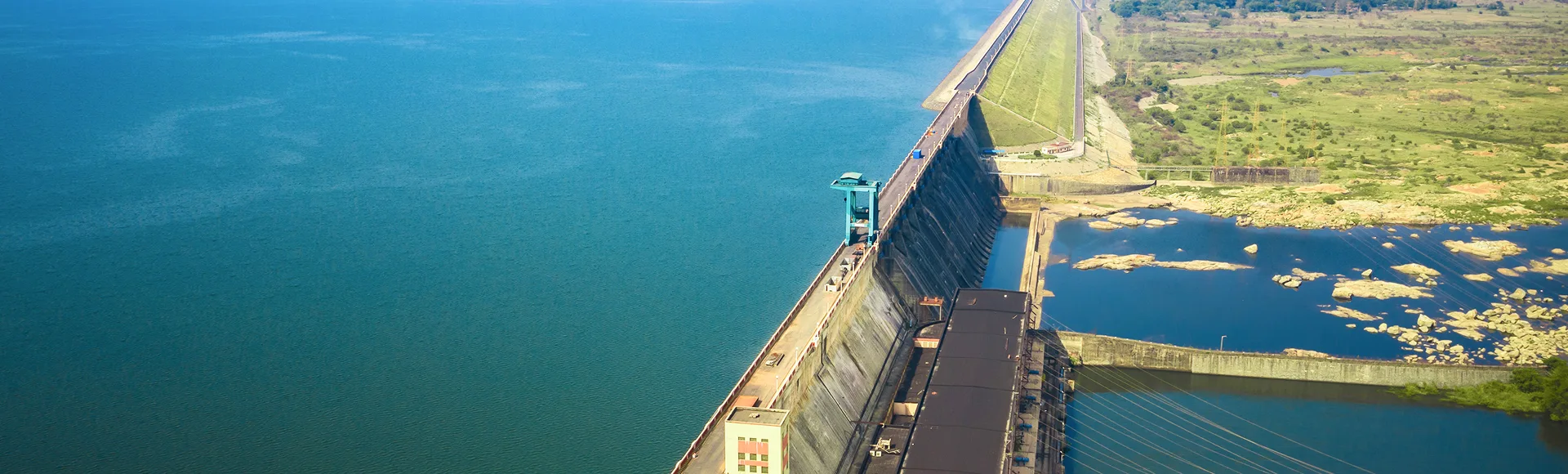
Hirakud Dam
Hirakud Dam is an Odisha river barrier and multipurpose project, valued for flood management, irrigation and electricity as well as reservoir views, birdlife and engineering history.
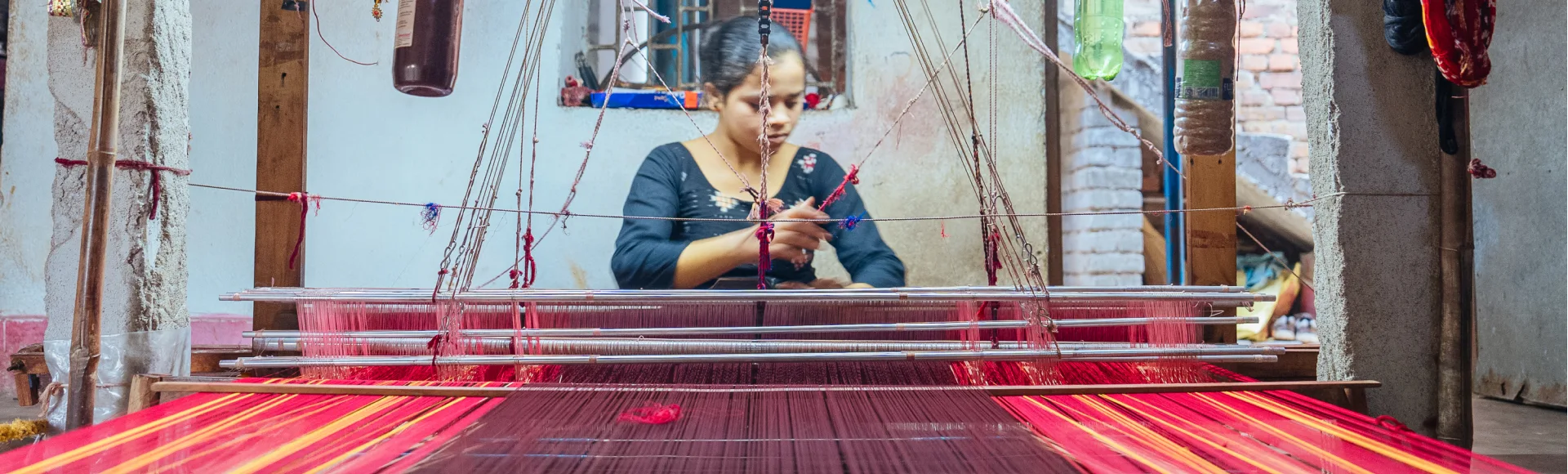
Kardola Weavers Village
Kardola, in Burla, Sambalpur, Odisha, is a village known for its Sambalpuri Ikat weaving. Visitors come to view its patterned homes, meet local artisans and purchase cotton or silk textiles made there.
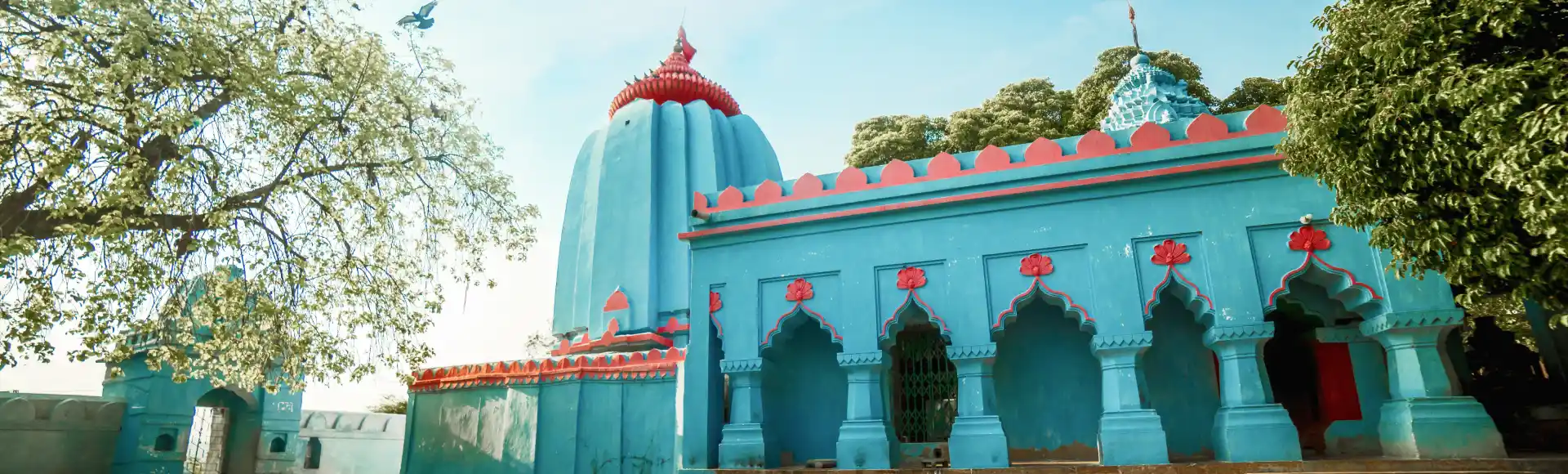
Leaning Temple of Huma
Beside the Mahanadi at Huma near Sambalpur, this Shiva temple is known for its leaning shrines and attracts worshippers and visitors interested in its unusual architecture and riverside traditions.
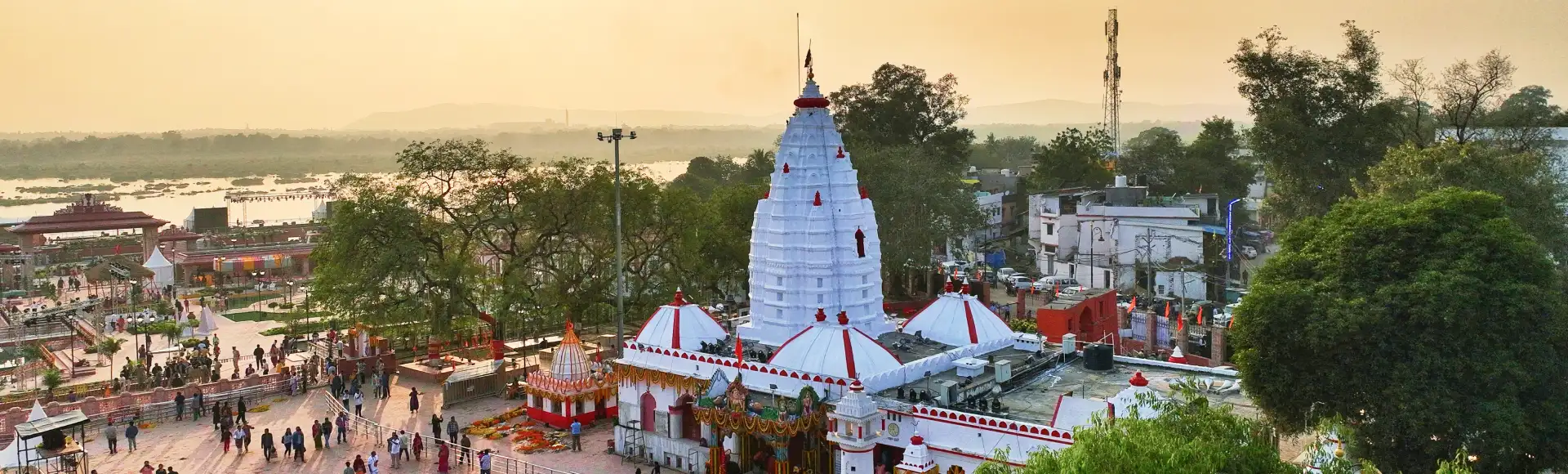
Maa Samaleswari Temple
Maa Samaleswari Temple is a place of worship in Sambalpur dedicated to the Shakti goddess Maa Samaleswari. Visitors come for its architecture, religious importance and Nuakhai harvest customs.
Rice is central to everyday meals in Sambalpur and the wider western Odisha region, often served with dal, vegetables and seasonal preparations. Pakhala, fermented rice served cool, is enjoyed in Odisha, particularly in warmer weather. Dalma, a preparation of lentils and vegetables, is another dish associated with Odia cooking, though recipes and availability vary. Local meals may also include fish or other non-vegetarian dishes. Chhena poda, a baked cheese sweet from Odisha, is widely known across the state. Menus differ between eateries, so ask what is freshly prepared and mention dietary needs before ordering.
Sambalpur is closely associated with Sambalpuri Bandha, the region’s celebrated Ikat handloom tradition. In this resist-dyeing technique, yarn is tied and dyed in planned patterns before weaving, creating designs that align across the finished cloth. Sarees and other fabrics may feature geometric forms, flowers and traditional motifs, with cotton and silk among the materials used. Kardola, a village in the district, is known for its weavers. Buying directly from a reputable handloom outlet or cooperative can help visitors learn about the process and distinguish handwoven textiles from printed imitations.
Nuakhai, the western Odisha harvest festival, is usually celebrated in August or September and brings families together for the season’s first rice offering. Sital Sasthi, generally held in late spring or early summer, is observed with processions and celebrations associated with the marriage of Shiva and Parvati. Durga Puja and Shivaratri are also marked in the district. Festival periods can make town centres busier and increase demand for rooms, particularly around major celebrations. Dates follow regional calendars and vary from year to year, so check locally before planning.
Elsewhere in Odisha
Sambalpur lies in western Odisha, where the Mahanadi River and the broad waters of Hirakud Reservoir meet a landscape of rolling uplands, low hills, farmland and forest patches. The river and reservoir are defining features, while settlements and roads connect the district’s flatter cultivated areas with more uneven countryside. Travel between sights is generally by road, but journeys beyond the main towns can take longer where roads are narrow or winding. The reservoir and river also make local conditions change with the season, so check access and weather before setting out.
Sambalpur has hot summers, a monsoon season and generally milder, drier winters. The pre-monsoon months can feel particularly warm, while rain during the monsoon may affect road conditions and outdoor plans. The most comfortable period for sightseeing is usually from November to February, when days are cooler and travel is often easier. Carry light, breathable clothing for warm weather, along with sun protection and water. In winter, pack a light layer for cooler mornings and evenings. During the monsoon, bring rain protection and allow flexibility in your itinerary.
Sambalpur is served by Sambalpur Junction railway station, with rail connections to other parts of Odisha and India. The nearest airport commonly used for the district is Veer Surendra Sai Airport at Jharsuguda; check onward transport when planning a flight. National Highway 53 and other regional roads connect Sambalpur with towns across western Odisha. Buses, taxis and private vehicles are options for reaching the district and visiting places such as Hirakud Dam, Huma and Kardola. Within Sambalpur, auto-rickshaws and taxis can help with local trips; arrange transport ahead for less central destinations. Check current services locally.
Sambalpur town is the main base for reaching the district’s sights, with road links connecting it to Huma, Hirakud and nearby settlements. Local buses, shared vehicles and auto-rickshaws serve town routes and some surrounding areas, though services may be less convenient for a multi-stop day. Taxis or hired cars offer more flexibility, especially for visiting Kardola and combining sites outside town. Confirm the return transport before travelling to smaller villages. Do not assume boats are operating at the reservoir; check locally for current access and any organised services.
2 days: Maa Samaleswari Temple → Hirakud Dam; sleep night 1 in Sambalpur. 3 days: Maa Samaleswari Temple → Leaning Temple of Huma → Hirakud Dam; sleep nights 1 and 2 in Sambalpur. 4 days: Maa Samaleswari Temple → Kardola Weavers Village → Hirakud Dam → Leaning Temple of Huma; sleep nights 1, 2 and 3 in Sambalpur.
Sambalpur town is the most convenient base for the temple, Hirakud Dam and trips to Huma or Kardola, and has the widest choice of accommodation. Visitors will generally find hotels and guesthouses, with simpler lodgings and religious accommodation also available in the wider region. Staying in Sambalpur for the full visit avoids repeated packing and makes it easier to arrange local transport. Options in smaller settlements may be limited, so confirm availability in advance, especially around festivals and busy travel periods.
Summer heat can make outdoor visits tiring, so carry drinking water, sun protection and take breaks. Monsoon rain may leave roads slippery or cause delays; use care on rural roads and avoid entering river or reservoir water unless access is clearly permitted and conditions are safe. Wildlife and snakes may be present near forested areas, so stay on established routes. Use safe drinking water and take usual precautions with food. Mobile coverage can be uneven outside towns. Check local conditions before travel; no general visitor permit requirement is known for the listed places, but confirm any temporary restrictions with official local sources.
- Bargarhabout 35 km
- Raigarh · Chhattisgarhabout 81 km
- Angulabout 130 km
- Sundargarhabout 131 km
- Balangirabout 140 km
- Mahasamund · Chhattisgarhabout 164 km
- Keonjharabout 171 km
- Nayagarhabout 178 km
Straight-line distance between the centres of each district's destinations; road distance is longer.
Q: How many days should I spend in Sambalpur district? A: Two days can cover the main town and Hirakud area; allow three or four days to add Huma and Kardola at a more relaxed pace. Q: When is the best time to visit? A: November to February is usually the most comfortable season for sightseeing. Q: What is the best base for visiting the district? A: Sambalpur town is the most practical base, with the broadest choice of stays and local transport. Q: How do I get to Sambalpur? A: Sambalpur is connected by road and rail; check current services from your starting point, then arrange local road transport for the sights. Q: Is Sambalpur suitable for families or elderly travellers? A: Yes, many visits can be planned at a gentle pace, but allow for road journeys, uneven surfaces at some sites and heat; arrange suitable transport and assistance where needed.
This page draws on our 4 destination guides for Sambalpur and is updated as our team checks it.
Be the first to share photos, stories, advice or a helpful contact for Sambalpur.
Loading…