
District · Odisha
Puri
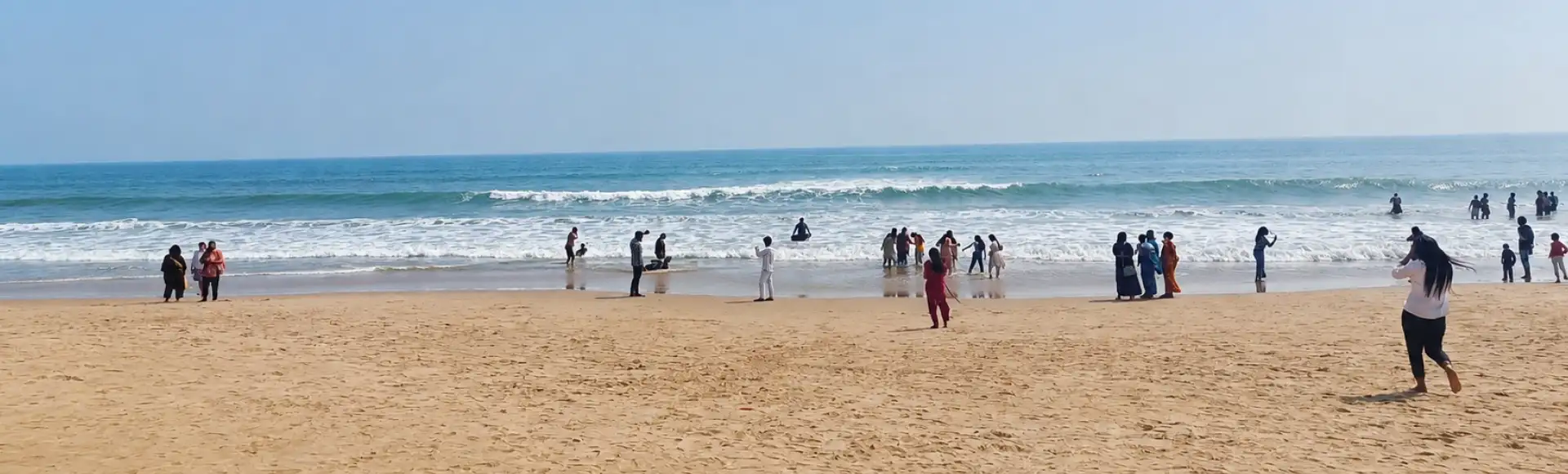
Puri district brings together Odisha’s coastal scenery, pilgrimage traditions, historic architecture and living craft communities.
Puri district brings together the Bay of Bengal coast, pilgrimage traditions and some of Odisha’s best-known monuments and craft settlements. Puri town centres on the Jagannath Temple and its living religious culture, while its beachfront draws pilgrims and holidaymakers alike. Along the coast, Chandrabhaga offers a different setting from the busy sands of Puri; Niladri is another option close to town. At Konark, the thirteenth-century Sun Temple, a UNESCO World Heritage Site, reflects the architectural ambition of medieval Odisha. Inland, Pipili and Raghurajpur connect visitors with working craft communities. The district rewards a stay that balances seaside time with heritage visits, rather than treating every stop as a beach excursion.
Puri district brings together Odisha’s coastal scenery, pilgrimage traditions, historic architecture and living craft communities. Puri town is one of eastern India’s major pilgrimage centres, known for the Shree Jagannath Temple and its annual Ratha Yatra. The coast offers varied experiences, from the busy town beach to Chandrabhaga and the lagoon landscape around Satapada. Inland, the Sun Temple at Konark is a UNESCO World Heritage Site, while Pipili and Raghurajpur are known for distinctive craft traditions. The district suits travellers who want to combine religious and cultural visits with time by the sea, rather than treating its sights as a single beach circuit.
The Puri region formed part of historic Kalinga, a coastal area whose political fortunes shifted among regional powers over many centuries. The Eastern Ganga dynasty, which ruled much of Odisha from around the 11th century, shaped the region’s monumental architecture. Anantavarman Chodaganga is associated with the construction of the Shree Jagannath Temple in Puri, while the Sun Temple at Konark was built in the 13th century under the Eastern Ganga ruler Narasimhadeva I. Later, the area came under successive Gajapati, Afghan, Mughal and Maratha powers. The British took control of Odisha in 1803, and Puri became part of colonial administration; its administrative boundaries changed over time. Odisha became a separate province in 1936, and the district continued as part of the state after independence. Pilgrimage and temple institutions remained central to Puri’s identity, alongside agriculture, fishing, coastal trade and crafts such as Pipili appliqué and Raghurajpur’s painting traditions.
11 destination guides · 9 on the map
Astaranga Beach
Astaranga Beach, in Puri, Odisha, draws visitors for sand art, seafood and coastal snacks, as well as evening markets offering handicrafts and souvenirs.
Chandrabhaga Beach
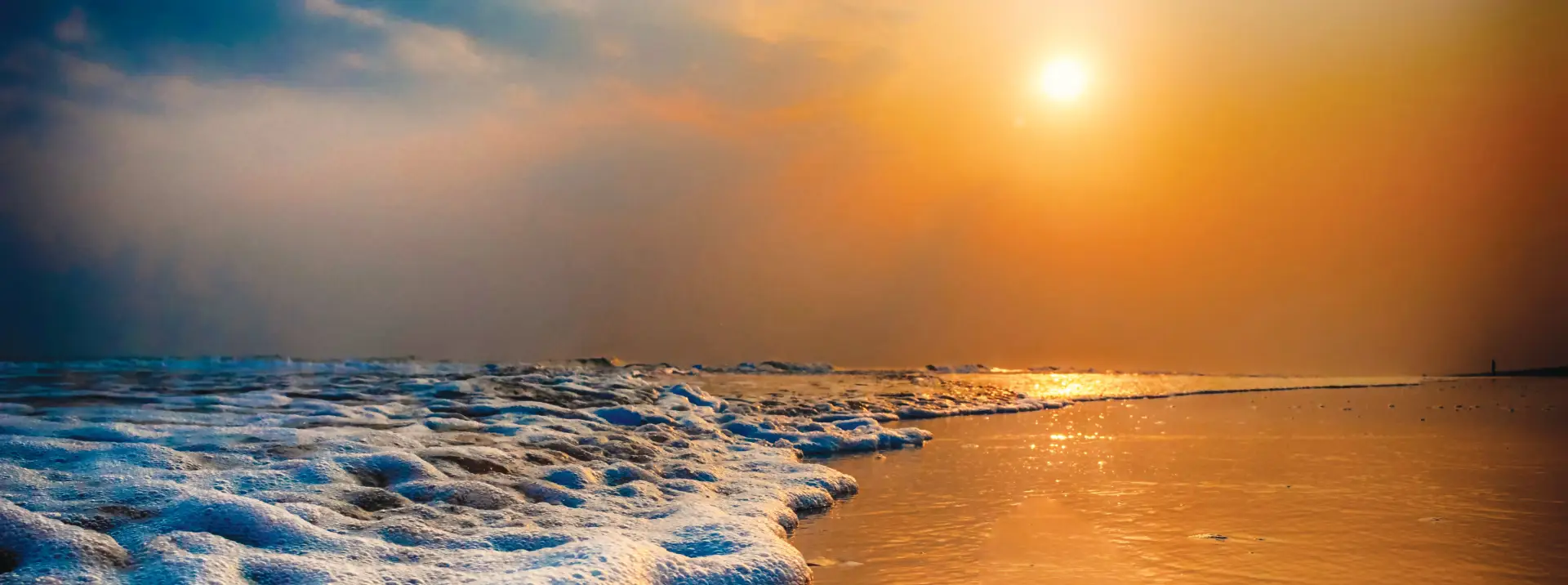
Chandrabhaga Beach lies in Konark, Puri, Odisha, along the Bay of Bengal. Visitors come to enjoy the shore, attend Magha Saptami observances and see works created for the International Sand Art Festival.
Konark Sun Temple
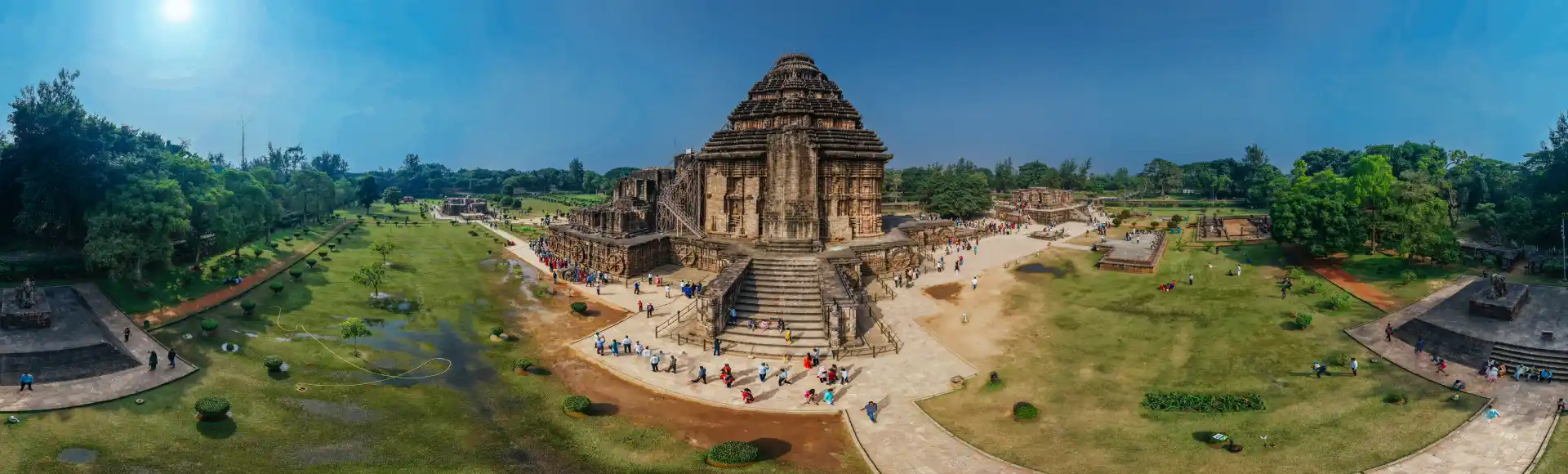
Konark’s Sun Temple is a thirteenth-century stone monument in Odisha, shaped as Surya’s chariot. Visitors come to see its Kalinga design, carvings and cultural associations, including a dance festival.
Niladri Beach
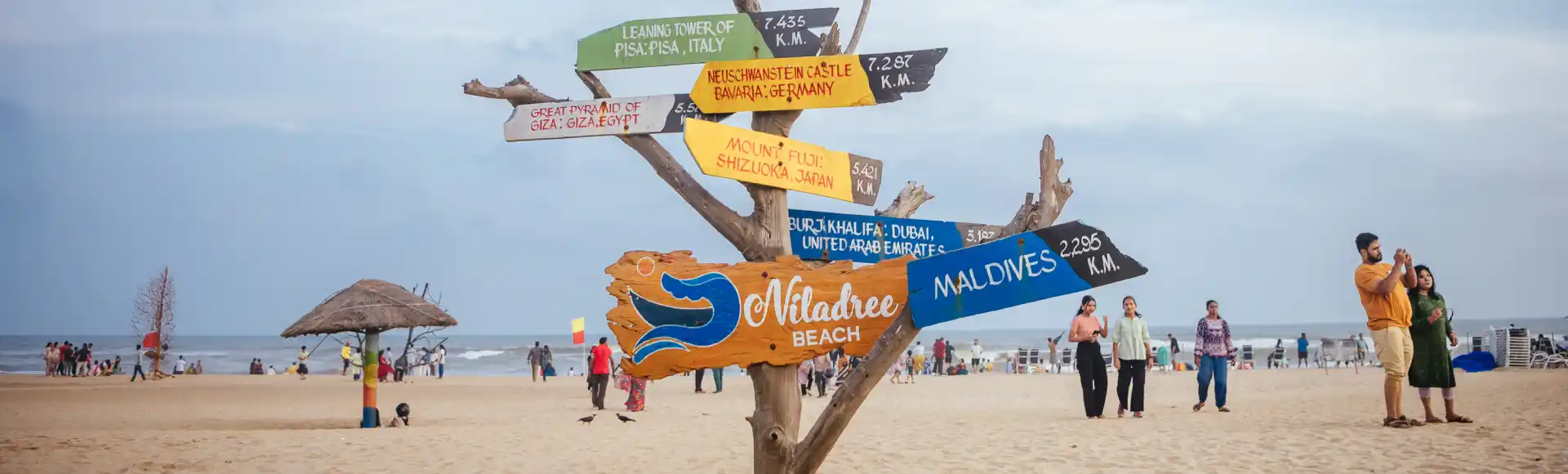
Niladri Beach is a coastal stretch in Puri, Odisha, beside the Blue Flag Beach. Visitors come for its quieter shore, sea air, Bay of Bengal views and sunrise walks.
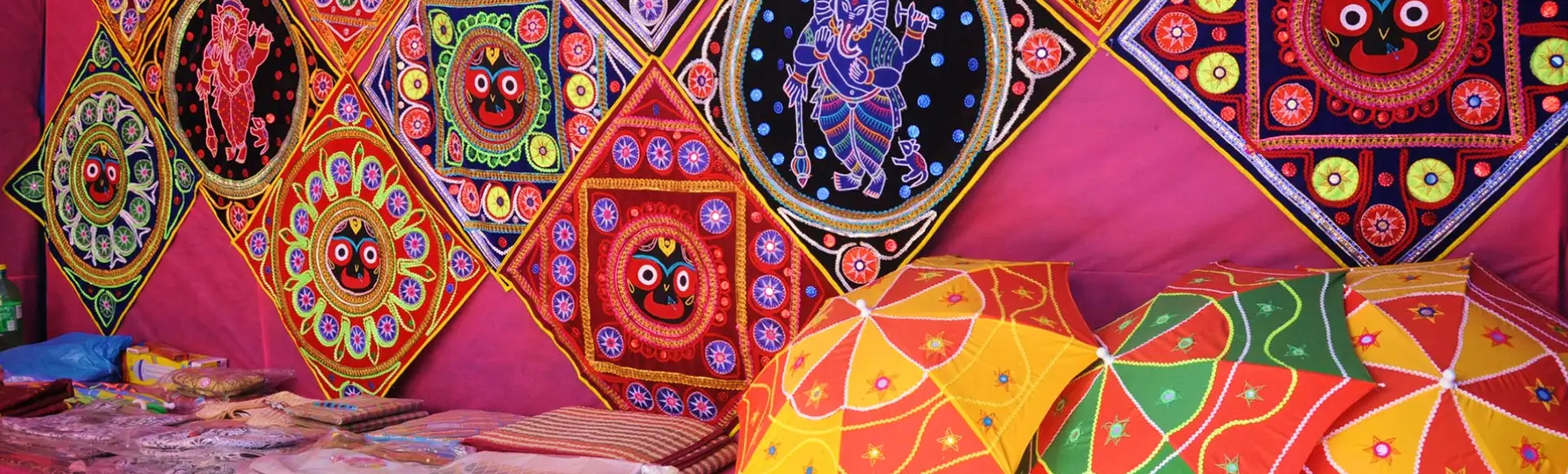
Pipili
Pipili, in Odisha’s Puri district, is known for Chandua, a traditional cloth appliqué craft. Visitors come to see artisans’ work and browse the colourful handicrafts sold along its streets.
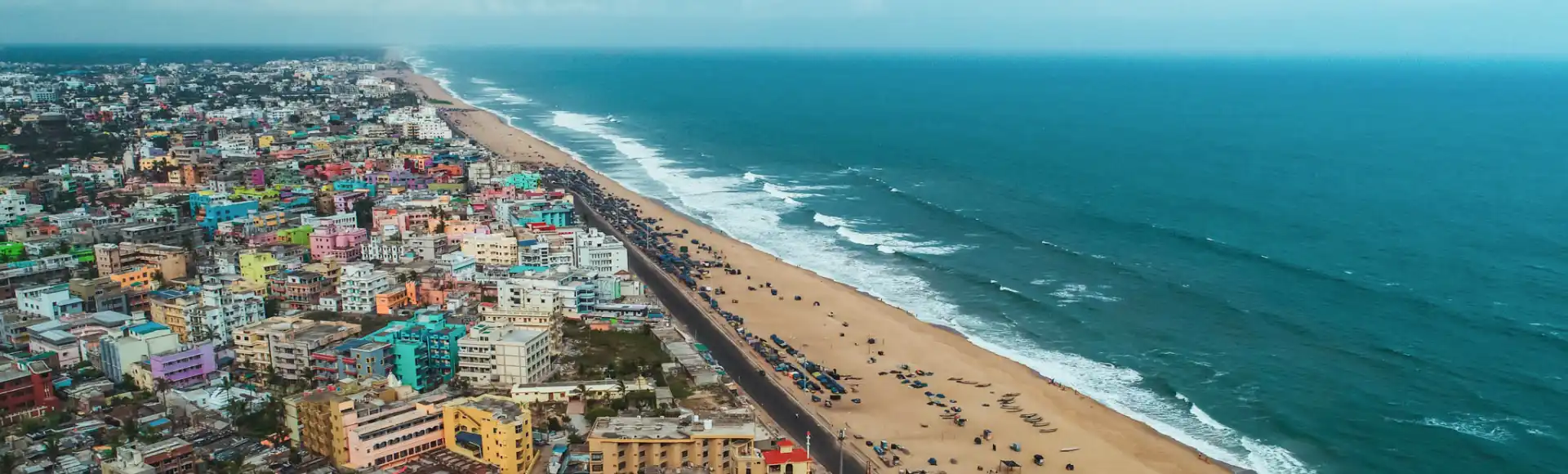
Puri Beach & Golden Beach
Puri Beach and Golden Beach form a coastal destination on Odisha’s Bay of Bengal shore, attracting pilgrims and leisure visitors with their cultural atmosphere, seaside activities and maintained facilities.
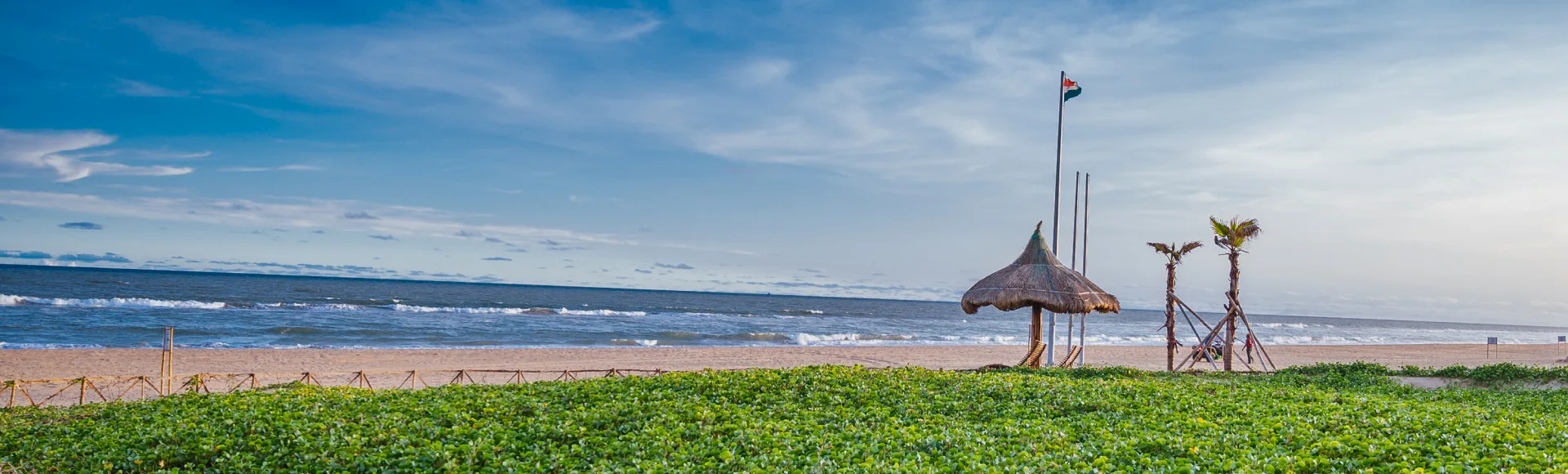
Puri Blue Flag Beach
Located in Puri, Odisha, this beach was the first on India’s eastern coast to receive Blue Flag certification. Visitors come for its clean shore and water, sustainable facilities, and seaside walks.
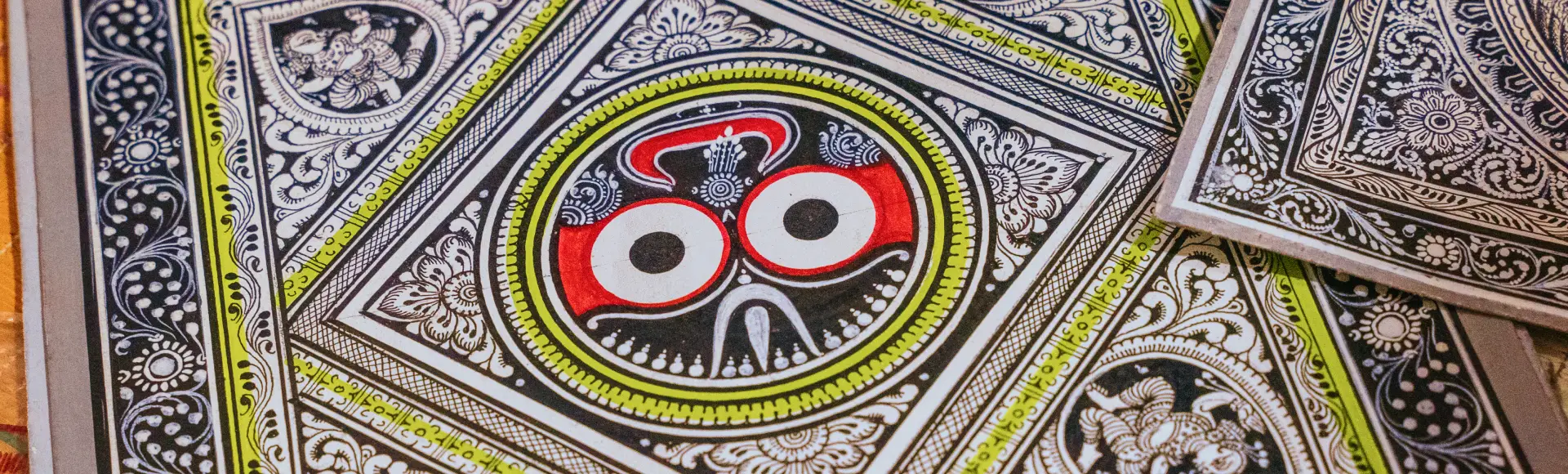
Raghurajpur Craft Village
Raghurajpur is an Odisha village near Puri known for its working craft traditions, particularly Pattachitra. Visitors explore the artists’ work, painted homes and Gotipua dance culture.
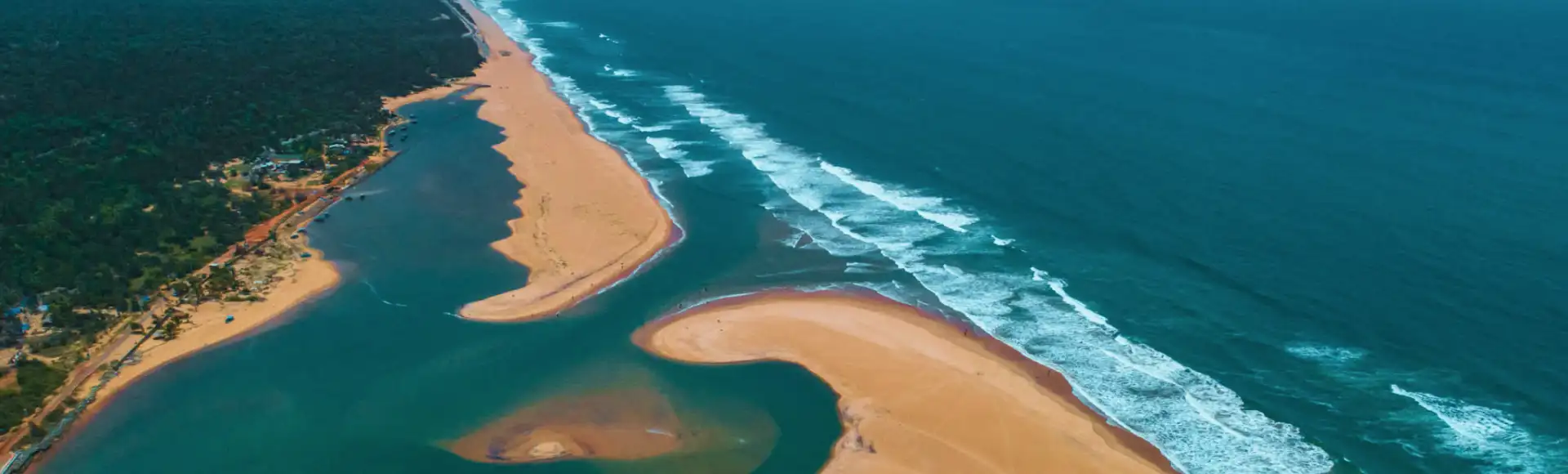
Ramachandi Beach
Ramachandi Beach, in Puri, Odisha, is associated with Maa Ramchandi and lies where the Kushabhadra meets the Bay of Bengal. Visitors come for its sandy shore, casuarina groves and boat trips among river islands.
Puri’s food traditions are closely linked to the Jagannath Temple, whose Mahaprasad is an important part of the town’s religious and culinary life. Across the wider Odisha region, rice-based meals, dalma made with lentils and vegetables, and seasonal vegetable preparations are familiar staples. Chhena poda, a baked cheese sweet associated with Odisha, is worth seeking out where freshly available. Coastal eateries also serve fish and seafood, though availability varies and vegetarian food remains prominent around pilgrimage areas. Plan meals around established outlets in Puri rather than expecting full restaurant facilities at every beach. Choose clean, busy places and explain allergies or dietary restrictions before ordering.
Pipili is renowned for Chandua appliqué, in which coloured cloth pieces are stitched into decorative patterns. The tradition has strong connections with ceremonial textiles, while shops also sell items such as canopies, lampshades and wall hangings. Raghurajpur is associated with Odisha’s Pattachitra painting tradition and palm-leaf engraving, offering opportunities to encounter artists and their work. These are living regional art traditions, not simply souvenir styles. When buying, ask about the materials, technique and maker, and seek permission before photographing artists or entering workspaces.
Ratha Yatra, usually held in June or July, draws large crowds to Puri and can make accommodation and local transport especially busy. Other temple observances, including Snana Purnima in late spring or early summer and Chandan Yatra in spring, also bring pilgrims to the town. Magha Saptami, usually in January or February, is marked by ritual bathing near Chandrabhaga and visits to Konark. The Konark dance festival is generally held in winter. During major events, book accommodation well ahead and expect road diversions, crowded public spaces and longer journeys.
In this district
Puri district is largely a low-lying coastal plain bordered by the Bay of Bengal. Sandy beaches and dunes meet river channels, wetlands and agricultural land; the Bhargavi and Kushabhadra are among the rivers that cross the region. At Satapada, the southwestern edge of the district meets Chilika, a large brackish-water lagoon. Coastal vegetation and the Balukhand-Konark area add stretches of woodland and scrub, but the district has no major hill country. Flat terrain makes road travel between towns straightforward in good conditions, while shorelines, lagoon waters and seasonal flooding can affect access and activities.
Puri’s coastal climate is generally humid. Summers, from roughly March to May, can be hot and sunny; the monsoon, usually June to September, brings heavy rain, rougher seas and the possibility of travel disruption. October can remain unsettled, while November to February is generally cooler and more comfortable for sightseeing. These winter months are often the most convenient time to visit, though festivals can make Puri crowded. Carry sun protection, a hat and light clothing for daytime, plus a light layer for cooler evenings. Pack rain protection during the monsoon and check weather and sea-condition advisories before coastal outings.
Biju Patnaik International Airport in Bhubaneswar is the main air gateway, while Puri Railway Station is the principal rail arrival point for stays in Puri town. Bhubaneswar Railway Station can also suit itineraries beginning near Pipili or continuing elsewhere in Odisha. The Bhubaneswar–Puri road corridor, including NH-316, serves Pipili, and road links connect Puri with Konark. Use buses, taxis or arranged transfers between towns; auto-rickshaws and taxis are practical for shorter journeys around Puri. For outlying beaches and craft villages, agree on the return journey before setting off. Check current services locally.
Road is the practical way to move among Puri, Konark, Pipili and Raghurajpur. NH-316 links the Bhubaneswar–Puri corridor through Pipili, and roads connect Puri with Konark and coastal stops. Local buses and shared vehicles serve some routes, while taxis or arranged transfers are useful for combining outlying sights. Auto-rickshaws are convenient for shorter journeys around Puri town. Boats operate at Satapada on Chilika, subject to local conditions and availability; confirm the return arrangements before setting out. Check current services locally, especially during festivals or adverse weather.
2 days: Shree Jagannath Temple → Puri Beach & Golden Beach → Puri Blue Flag Beach; sleep night 1 in Puri town. 3 days: Shree Jagannath Temple → Raghurajpur Craft Village → Pipili → Konark Sun Temple → Chandrabhaga Beach; sleep nights 1 and 2 in Puri town. 4 days: Shree Jagannath Temple → Puri Beach & Golden Beach → Raghurajpur Craft Village → Konark Sun Temple → Ramachandi Beach → Satapada (Chilika); sleep nights 1 and 2 in Puri town and night 3 near Satapada or in Puri town.
Puri town is the most useful base for the temple, beaches and day trips to Raghurajpur, Pipili and Konark. It has a wide range of hotels, guesthouses and dharamshalas; homestays are also available in the wider area. For a quieter coastal or lagoon-focused itinerary, consider a stay near Konark or Satapada, where options are more limited and may include small lodgings or government-run accommodation. Availability can tighten during Ratha Yatra and other festivals, so plan ahead and confirm facilities before booking.
Follow local advice on sea conditions and swim only where bathing is considered safe; currents and changing surf can be hazardous, particularly during the monsoon. Check weather and official cyclone or coastal alerts before travelling, and allow for rain-related delays or waterlogging. Use treated drinking water and take care with food hygiene. At busy temples and festivals, keep valuables secure and expect crowd controls or diversions. On Chilika, use authorised boat operators, wear the provided safety equipment and follow instructions; wildlife sightings are not guaranteed. Mobile connectivity can be weaker at remote coastal stops, so arrange return transport in advance.
- Khordhaabout 49 km
- Cuttackabout 74 km
- Nayagarhabout 90 km
- Dhenkanalabout 96 km
- Jagatsinghpurabout 101 km
- Jajpurabout 107 km
- Ganjamabout 110 km
- Angulabout 138 km
Straight-line distance between the centres of each district's destinations; road distance is longer.
Q: How many days should I spend in Puri district? A: Two days cover Puri town and a nearby sight; three or four days allow time for Konark, craft villages or Satapada. Q: When is the best time to visit? A: November to February is generally comfortable for sightseeing. Festival periods are rewarding but busier, and the monsoon can disrupt coastal plans. Q: What is the best base for exploring? A: Puri town is the most convenient all-round base, with Konark or Satapada useful for more focused coastal or lagoon stays. Q: How do I get to Puri district? A: Bhubaneswar’s airport and railway station are the main regional gateways; Puri has its own railway station and road links to nearby towns. Q: Is Puri district suitable for families and elderly travellers? A: Yes, with planning. Choose accessible accommodation, allow extra time at crowded sites, and take care on sandy beaches, in heat and around boat trips.
This page draws on our 11 destination guides for Puri and is updated as our team checks it.
Be the first to share photos, stories, advice or a helpful contact for Puri.
Loading…