
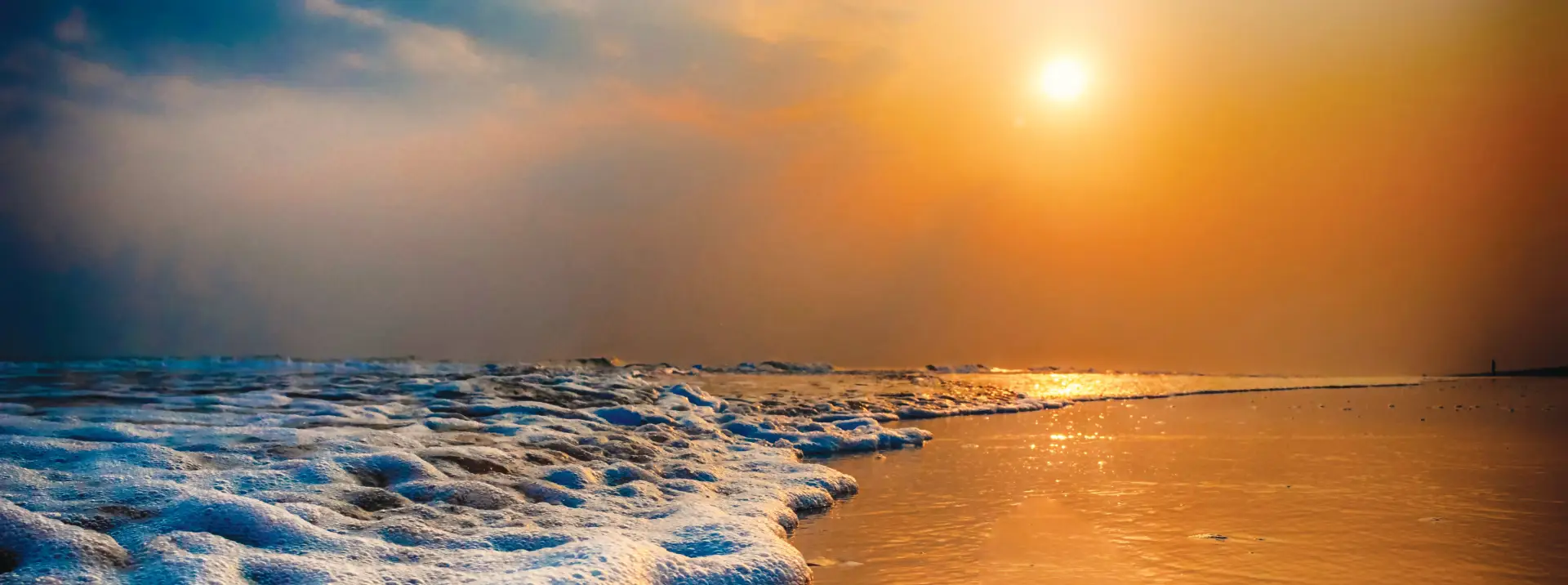
Chandrabhaga Beach
Chandrabhaga Beach lies in Konark, Puri, Odisha, along the Bay of Bengal. Visitors come to enjoy the shore, attend Magha Saptami observances and see works created for the International Sand Art Festival.
Key facts · verified by Ghumoopedia editors
- Type of place
- Natural attraction
- Best time to visit
- October – February
- Verified
- 21 Nov 2026
Located in Konark, Puri, Odisha, Chandrabhaga Beach faces the Bay of Bengal. People walk along its sandy shoreline, watch the sun rise and enjoy the sea air. The beach is associated with a calm atmosphere and religious significance. Thousands gather here for Magha Saptami each year in January or February, marking a solar festival rooted in ancient traditions. Its legend tells of Samba, son of Krishna, being cured of leprosy at Chandrabhaga. The UNESCO-listed Konark Sun Temple is only a few kilometres away. The beach also hosts the International Sand Art Festival, where artists from around the world shape sand into sculptures. Plan your visit around October – February. The official suggested visit duration is 1–2 hours; treat this as time at the attraction, not the complete journey from your hotel. Odisha’s coast and plains can be hot and humid, while southern hill districts may feel cooler after sunset. Heavy monsoon rain can affect road travel and access to outdoor sites. Check the local forecast before setting out, and keep a flexible alternative for bad weather. Official destination reference: https://odishatourism.gov.in/en/places/chandrabhaga-beach
Why it matters
Chandrabhaga Beach is a coastal destination near Konark in Puri district, valued for its Bay of Bengal shoreline and its association with local solar worship traditions. Odisha Tourism lists it as a beach and scenic spot. Its cultural setting is closely connected with the nearby Konark Sun Temple, a UNESCO World Heritage Site; that designation applies to the temple, not to the beach. The shore draws visitors for sunrise views, beach walks and the annual Magha Saptami observance. It also hosts the International Sand Art Festival, bringing contemporary artistic activity to the coastal landscape. Together, these features make Chandrabhaga a place where nature, pilgrimage and tourism meet.
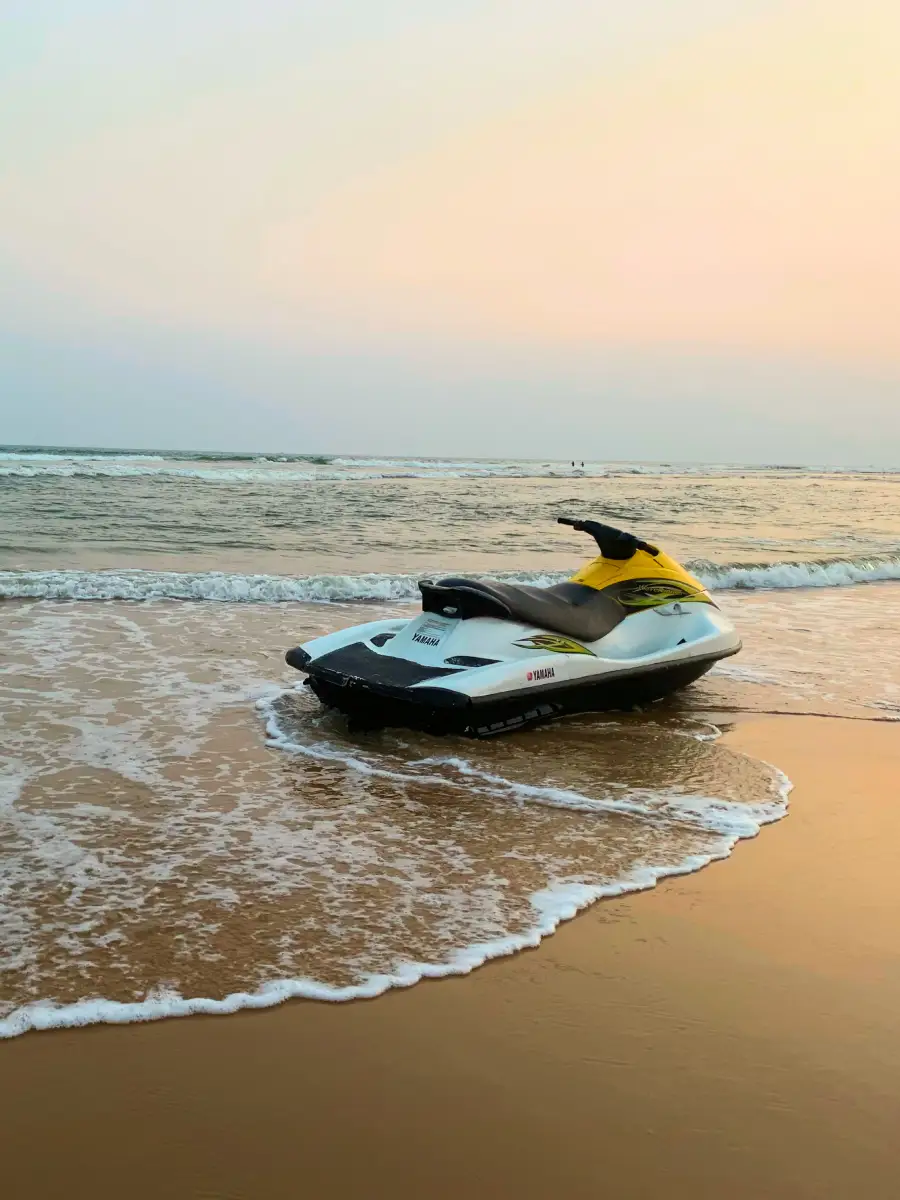
Chandrabhaga’s importance is closely linked to the history of Konark and its Sun Temple, rather than to a separately documented monument on the beach. The temple, traditionally dated to the 13th century, was commissioned under Eastern Ganga ruler Narasimhadeva I. Its design honours Surya, the sun deity, and the wider landscape became associated with solar worship and pilgrimage. The shore has long held a place in local religious tradition, especially through Magha Saptami observances, although detailed historical records specifically describing the beach’s development are limited. Over time, Chandrabhaga has also become a public seaside destination for residents and visitors to Konark. The annual Magha Saptami gathering and the International Sand Art Festival have added visible cultural and tourism dimensions. As with other exposed parts of the Odisha coast, the shoreline is shaped by changing sea and weather conditions. No separate historic structure or documented restoration programme at the beach should be assumed; visitors seeking the area’s architectural history can explore the nearby Sun Temple and its official interpretation resources.
Origin stories & folklore
According to local tradition, Chandrabhaga is connected with Samba, son of Krishna. The story says that Samba was afflicted with leprosy and came to this coast to worship the sun; after performing penance, he was cured. This belief is part of the beach’s spiritual association with Surya and helps explain why pilgrims gather here around Magha Saptami. The account belongs to religious legend rather than verifiable medical or historical record. Versions of the story may differ in retelling, so it is best understood as a living tradition that gives meaning to the place for many devotees.
Begin with the main attraction at Chandrabhaga Beach and leave time to understand its setting in Puri. Enjoy the shoreline from public access areas and ask lifeguards about that day’s sea conditions. A beach walk is different from a safe swimming opportunity: currents and sudden depth changes can make the water hazardous even on a calm day. Respect any turtle-nesting closures and keep artificial lights away from protected nesting areas. Keep a simple itinerary: arrive in daylight, enjoy the main visit, take a shaded meal break, then decide whether one nearby stop fits your return plan. Use the district index to find nearby places, but check the actual road route before combining them. Reserve a little time for photographs from permitted public viewpoints and avoid blocking paths while taking pictures.
Suggested itineraries
Half day: Arrive in daylight; spend about 1–2 hours at Chandrabhaga Beach; take a shaded break; visit the Konark Sun Temple if time and access arrangements suit. Full day: Begin with Chandrabhaga Beach; allow about 1–2 hours on the shore; visit the Konark Sun Temple and its museum or interpretation facilities; take a meal break; add Ramachandi Temple if road conditions and return plans allow. Gentler option: Choose a convenient public access point, enjoy the view from a short, unhurried visit, rest in shade where available, and avoid walking on soft sand if it is uncomfortable.
The beach’s cultural life brings together pilgrimage, coastal recreation and public art. Magha Saptami is marked by devotional observances connected with the sun, while the International Sand Art Festival presents temporary sculptures made by artists. Odia is the principal language of the region; Hindi and English may also be useful with tourism workers, and other languages are heard among visitors. Customs vary between pilgrims and leisure visitors, so modest, considerate behaviour around worship and festival activity is appropriate. The nearby Konark Sun Temple provides a broader setting for learning about Odisha’s temple architecture and religious heritage.
Local communities
People connected with Chandrabhaga include residents of the Konark area, coastal workers, small traders, tourism and hospitality staff, artists, and pilgrims who visit during religious gatherings. Fishing and other sea-linked livelihoods are part of the wider coastal economy, though work and access can vary with weather, regulations and seasonal conditions. Vendors may serve visitors near busy public areas, while festival periods bring additional temporary activity. Treat local residents and workers respectfully, ask before photographing individuals, and follow any guidance about working areas or restricted sections of the shore.
Festivals & events
Magha Saptami, usually observed in January or February, is the main religious gathering associated with Chandrabhaga. Pilgrims come for sun-focused worship and bathing traditions, so the beach and approach roads can be busier than on ordinary days. The International Sand Art Festival is held in the winter season and features sand sculptures by artists from India and abroad; schedules and arrangements can vary. Konark’s wider cultural calendar may include performances and events connected with the temple town. Check current local announcements before travelling, and allow extra time for crowds, traffic management and temporary access rules during festival periods.
For a visit to Chandrabhaga Beach, plan food around your base in Puri and do not assume that a remote entrance has a full restaurant. Odisha offers rice-based meals, dalma, vegetable preparations and sweets such as chhena poda. Availability varies by district and outlet; ask what is freshly prepared rather than expecting every local dish at every stop. Choose busy, clean establishments and tell staff about allergies, spice preferences or dietary restrictions before ordering. Carry sealed drinking water and a small snack if you are travelling beyond a town. In hot weather, take regular water breaks instead of waiting until you feel exhausted. If you choose seafood, check that it is freshly cooked and handled hygienically. Vegetarian options may be easier to arrange in your overnight base. Keep all packaging with you until you find an appropriate waste bin.
Shopping & local experiences
In Konark, visitors may find locally made souvenirs, small craft items and food products in shops serving the temple and beach visitor area. Odisha handloom and handicraft goods are worth looking for, but check the origin and workmanship rather than assuming every item is locally produced. During the Sand Art Festival, artists’ work is best treated as temporary public art; ask before buying or commissioning anything. Small eateries may offer regional snacks and meals, with a broader choice in nearby towns. Carry reusable water containers where practical and dispose of packaging responsibly.
Chandrabhaga faces the Bay of Bengal, with an open sandy shore, shifting surf and a broad coastal horizon. Wind, tides and seasonal weather continually alter the appearance and condition of the beach. The surrounding coastal landscape is exposed to salt spray and strong sun; vegetation is generally more evident away from the active surf zone. Marine and shore birds may be seen in the wider coastal area, but wildlife sightings are never assured. Follow notices about turtle-nesting protection or other seasonal closures if they are in force, and avoid disturbing animals, dunes or marked habitat. Swimming conditions can change quickly, so ask lifeguards or local authorities about current sea conditions.
October – February
Start by choosing a practical overnight base in or near Puri, rather than assuming every attraction has its own railway station. Confirm the most convenient operating airport against your starting city and onward road connection. Arrange the final road transfer with your accommodation or a licensed local operator. Compare train, bus and flight options door to door. Rail can suit overnight journeys and travellers who prefer to avoid a long drive. A bus may be useful between district towns, but the last service may finish before your visit ends. A flight only saves time if airport transfers, check-in and the final road leg are included. Reserve the return leg before departure and allow time for traffic, meals and weather. Check IRCTC and NTES for trains, OSRTC for buses, and the airline’s own schedule for flights. Do not rely on an unconfirmed connection or assume taxis will wait at a remote site.
Getting around
From a stay in Puri or Konark, visitors generally reach Chandrabhaga by road using a taxi, hired vehicle or local transport arranged through their accommodation. Auto-rickshaws may be useful for shorter local journeys, depending on availability and the day’s conditions. Local buses can serve parts of the wider area, but confirm the route and return options before relying on them. Walking is practical along accessible stretches of the shore, not necessarily between distant stops. Parking may be available near public access points, but space and traffic arrangements can change during festivals. Boats are not a standard way to travel along this beach.
Hours, tickets & permissions
Chandrabhaga is a public beach, but access arrangements can change during festivals, safety alerts, conservation measures or other local events. There may not be a conventional ticketed entrance for ordinary beach access; do not assume that every area or activity is unrestricted. Rules for photography, commercial activity, vehicles and protected sections should be checked locally. Confirm current visiting arrangements, any applicable fees and the latest guidance with Odisha Tourism or the relevant local authority before setting out. Follow posted notices and instructions from lifeguards or officials.
Facilities
Facilities at the beach and nearby Konark are likely to vary by season and public activity. Food stalls or small eateries may be available in the area, while a wider choice of meals, shops and services is usually found in Konark. Toilets, drinking water, shaded seating, parking and lifeguard presence should be checked locally rather than assumed at every access point. ATMs and accommodation are more reliably sought in nearby towns. Guided services may be arranged around Konark’s heritage attractions; confirm credentials and availability before booking.
Accessibility
The beach surface is uneven and soft, and reaching the water can involve walking across sand. Access from a road or parking area may also include uneven ground; facilities and paths can vary, so wheelchair access should not be assumed. Strollers may be difficult to push on loose sand. Shade can be limited along the open shore, and the sun and wind may make longer visits tiring. Older visitors and people with limited mobility may find a brief visit from a firm, accessible viewpoint more comfortable. Check local conditions, seek assistance where needed, and avoid entering the surf without current safety advice.
At Chandrabhaga Beach, local access rules take priority over any suggested itinerary. Reconfirm opening arrangements, entry eligibility, permits and weather restrictions shortly before arrival. Keep the emergency number 112 available and save your accommodation’s contact details offline. A map pin identifies a general location, not an assurance that the approach road or walking path is safe. Ask local staff which entrance visitors should use. Follow lifeguard flags and do not swim on an unsupervised stretch. Avoid isolated shoreline walks after dark, protect valuables from water and keep clear of operational port areas. Carry only necessary valuables, keep rubbish out of the site, and leave enough daylight for the return journey.
Photography
Early morning light is often favourable for shoreline and sunrise photographs, while softer late-day light can bring out the colour and texture of the sand. Use public access areas and keep paths clear. Photography is generally suitable in open public spaces, but confirm local restrictions during festivals or near protected areas. Ask permission before taking close portraits, and avoid interrupting worship or ceremonies. Drone use may be restricted by aviation rules, local orders or event arrangements; check permissions before flying and do not assume it is allowed.
Choose accommodation by the complete journey to Chandrabhaga Beach, not by the district name alone. A room in a well-connected town in Puri may offer easier transport, meals and medical access than a property advertised as being close to the attraction. Check the exact location, recent guest feedback, reception hours and cancellation terms. Ask how you will reach the site and return after the visit, especially if you are not driving. For a coastal stay, check whether your room faces a busy promenade or a quieter road, and ask about safe public access to the beach. A sea-facing room does not imply a supervised swimming area. Book only through a trusted accommodation channel, avoid sending payments to an unverified personal contact, and keep written confirmation of the services included.
The Konark Sun Temple is the principal nearby heritage attraction and a natural companion to a visit to the beach. The Archaeological Survey of India’s Konark site museum is another option for visitors interested in the temple and its sculptures; check its current arrangements locally. Ramachandi Temple and the nearby coastal setting offer another stop, subject to road conditions and access. Puri, in the same district, is known for the Jagannath Temple and its old town, but combining it with Konark requires planning for the road journey. Check routes and return transport before adding multiple stops.
For couples visiting Chandrabhaga Beach, keep the day relaxed: one main visit, a meal break and a return transfer arranged in advance. Choose public viewpoints for photographs and respect religious or community expectations around behaviour and clothing. Confirm the accommodation’s check-in requirements before booking. Avoid secluded paths after dark and do not trade a safe return plan for a late photograph. A quieter weekday may suit you, but opening and access arrangements still need local confirmation.
Q: How much time should I allow for Chandrabhaga Beach? A: The suggested time at the attraction is about 1–2 hours; allow extra time for road travel, meals or nearby visits. Q: When is a good season to visit? A: October to February is generally suggested. Check the forecast and local conditions, especially during heavy rain or rough seas. Q: Is there an entry ticket? A: Ordinary beach access may not have a conventional ticket, but rules or charges can change. Confirm current arrangements locally. Q: Is the beach suitable for children and older visitors? A: A short visit can suit many visitors, but soft sand, sun and hazardous sea conditions require care. Follow lifeguard advice and supervise children closely. Q: Where should I stay nearby? A: Puri or Konark can serve as a base. Compare the road journey and available services when choosing accommodation.
Be the first to share photos, stories, advice or a helpful contact for Chandrabhaga Beach.
Loading…