
Ramachandi Beach
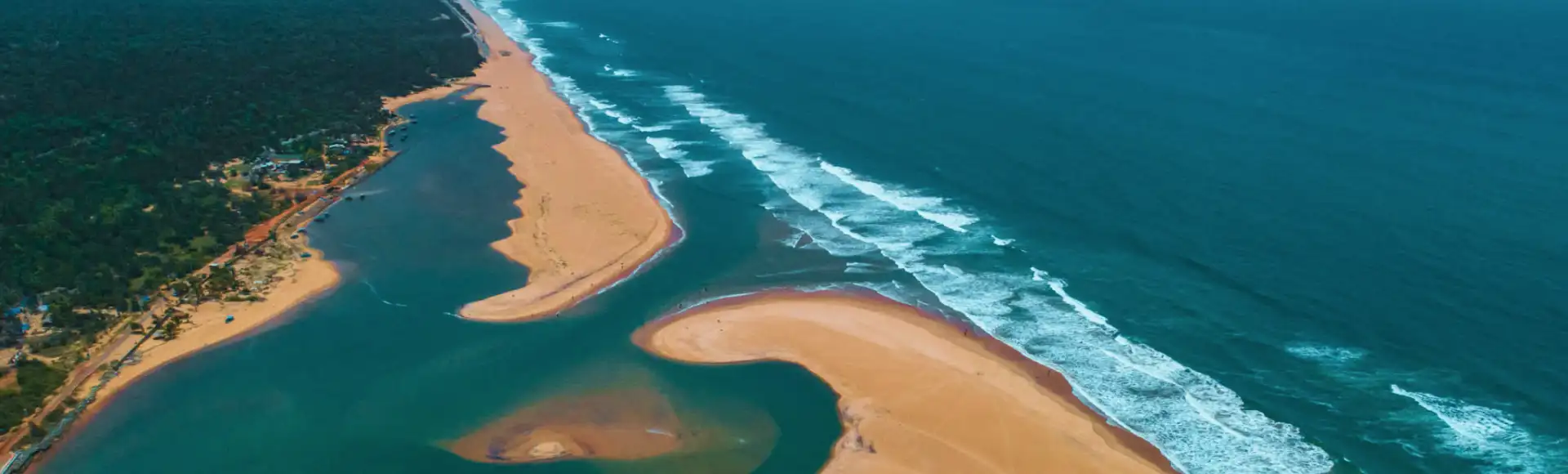
Ramachandi Beach, in Puri, Odisha, is associated with Maa Ramchandi and lies where the Kushabhadra meets the Bay of Bengal. Visitors come for its sandy shore, casuarina groves and boat trips among river islands.
Key facts · verified by Ghumoopedia editors
- Type of place
- Natural attraction
- Best time to visit
- Oct - Mar
- Verified
- 21 Nov 2026
Plan a trip from Ramachandi Beach — a day-by-day route through places nearby.
Located in Puri, Odisha, the beach is named for the revered Maa Ramchandi. Its surroundings bring the river, the sea and the natural landscape together. The Kushabhadra River meets the Bay of Bengal here. Casuarina trees line the sandy coast, and secluded islands dot the river. Boat journeys pass among the islands, with views across the water and shore. The scenery has been compared to a tropical Blue Lagoon. Plan your visit around Oct - Mar. The official suggested visit duration is 2 Hours; treat this as time at the attraction, not the complete journey from your hotel. Odisha’s coast and plains can be hot and humid, while southern hill districts may feel cooler after sunset. Heavy monsoon rain can affect road travel and access to outdoor sites. Check the local forecast before setting out, and keep a flexible alternative for bad weather. Official destination reference: https://odishatourism.gov.in/en/places/ramachandi-beach
Why it matters
Ramachandi Beach is a coastal place of local religious, scenic and recreational importance in Puri district. Its identity is closely associated with Maa Ramachandi, whose shrine anchors the beach’s spiritual character. The setting is also notable for the meeting of the Kushabhadra River and the Bay of Bengal, with sandy shore, casuarina trees and riverine islands shaping the visit. Odisha Tourism includes Ramachandi Beach in its destination catalogue under beach, scenic spot, temple and religious-centre categories. This is a tourism classification, not a heritage-protection designation. No UNESCO or Archaeological Survey of India protected status is established by the available destination information. Visitors can experience both the coastal landscape and the living place of worship.
A detailed, securely documented chronology for Ramachandi Beach and its temple is not readily established in the public destination information. The place is traditionally associated with Maa Ramachandi, and the shrine remains central to how visitors and worshippers understand the beach. Its history is therefore best approached through this continuing religious association and its position on the Puri–Konark coastal corridor, rather than through unsupported claims about a founder, builder or precise construction date. The wider coast has long been shaped by pilgrimage, fishing, local trade and travel between settlements, although specific historical episodes at this beach should not be assumed without reliable records. The landscape itself is changeable: river channels, sand, vegetation and the meeting of fresh and salt water are affected by natural coastal processes and seasonal weather. Today, the site serves as a place for worship, shoreline visits and nature-oriented outings. Odisha Tourism presents it as a beach and religious destination. For details about temple traditions or recent conservation work, ask locally or consult an authoritative heritage source.
Origin stories & folklore
According to local tradition, the beach takes its name and spiritual character from Maa Ramachandi, who is revered at the nearby shrine. Worshippers may regard the goddess as a protective presence connected with the coast and its people. Such beliefs are part of living devotion, not a substitute for a documented historical account. The river-sea meeting and the quiet, tree-fringed setting also contribute to the place’s sense of sanctity. Specific origin stories can vary in oral retellings, and no single detailed legend should be treated as definitive. Visitors can learn about local beliefs respectfully by listening to worshippers or temple representatives, without entering restricted areas or interrupting rituals.
Begin with the main attraction at Ramachandi Beach and leave time to understand its setting in Puri. Enjoy the shoreline from public access areas and ask lifeguards about that day’s sea conditions. A beach walk is different from a safe swimming opportunity: currents and sudden depth changes can make the water hazardous even on a calm day. Respect any turtle-nesting closures and keep artificial lights away from protected nesting areas. Keep a simple itinerary: arrive in daylight, enjoy the main visit, take a shaded meal break, then decide whether one nearby stop fits your return plan. Use the district index to find nearby places, but check the actual road route before combining them. Reserve a little time for photographs from permitted public viewpoints and avoid blocking paths while taking pictures.
Suggested itineraries
Half day: Arrive in daylight (allow time for the road journey); visit the shrine respectfully (about 30–45 minutes); take a relaxed shoreline walk and enjoy the river-sea setting (about 45–60 minutes); consider a boat trip only if locally available and safe (about 1–2 hours). Full day: Start from Puri; visit Ramachandi Beach and shrine (about 2 hours at the attraction); take a shaded meal break; continue to Konark Sun Temple and Chandrabhaga Beach, allowing several hours for the visits and road travel. Gentler option: Use a hired vehicle to reduce walking, spend time at an accessible public viewpoint, and skip the boat trip or uneven shoreline if footing or weather is difficult.
Religious observance at Maa Ramachandi’s shrine is part of the beach’s living culture. Visitors may encounter prayer, offerings and customary acts of worship; follow any instructions from shrine staff and dress and behave respectfully. Odia is the principal language of the region, while Hindi and English may be understood by some tourism workers. The broader Puri district is strongly associated with Jagannath traditions, Odissi dance and Odia music, though performances should not be expected at the beach itself. Everyday coastal life, including fishing and seasonal travel, also shapes the area. Ask before photographing worshippers, ceremonies or shrine interiors, and do not assume that all spaces are open to visitors.
Local communities
The beach and surrounding coastal area are connected with residents of Puri district, worshippers visiting Maa Ramachandi, and people whose livelihoods include fishing, transport, small-scale food sales and tourism services. Boat operators may offer trips through nearby riverine channels or islands when conditions and local arrangements permit. The scale and availability of these services can vary by season and weather. Treat the shoreline as both a visitor destination and a lived landscape: follow local safety advice, avoid disturbing working boats or fishing activity, and ask permission before photographing individuals or their work.
Festivals & events
Maa Ramachandi’s shrine is a place of worship throughout the year, and observances associated with the goddess may bring additional visitors; confirm locally which events are being held. Puri’s major Jagannath celebrations, including Rath Yatra, usually fall in the summer season and can make the wider district especially busy. Magha Saptami, usually in the winter season, is observed at Chandrabhaga near Konark and may draw pilgrims and visitors along the coast. These are nearby regional events, not a guarantee of a festival at Ramachandi Beach. During religious periods, allow extra time for road travel, expect larger crowds at popular sites and follow any temporary access arrangements.
For a visit to Ramachandi Beach, plan food around your base in Puri and do not assume that a remote entrance has a full restaurant. Odisha offers rice-based meals, dalma, vegetable preparations and sweets such as chhena poda. Availability varies by district and outlet; ask what is freshly prepared rather than expecting every local dish at every stop. Choose busy, clean establishments and tell staff about allergies, spice preferences or dietary restrictions before ordering. Carry sealed drinking water and a small snack if you are travelling beyond a town. In hot weather, take regular water breaks instead of waiting until you feel exhausted. If a temple offers food or prasad, follow the local serving rules and confirm what ingredients it contains. Do not treat ritual food as a guaranteed restaurant meal. Keep all packaging with you until you find an appropriate waste bin.
Shopping & local experiences
Ramachandi Beach is not known primarily as a shopping destination, so visitors may find only limited small-scale stalls nearby. In Puri, look for Odisha handloom textiles, appliqué work, palm-leaf crafts and locally made souvenirs, while checking that items are genuinely produced in the region. Ask permission before photographing artisans or their work. Food stalls and restaurants in Puri offer opportunities to try Odia dishes and coastal seafood; choose clean, well-maintained places and be mindful of dietary needs. Carry litter back with you, especially if buying snacks near the shore.
Ramachandi Beach lies where the Kushabhadra River meets the Bay of Bengal. Its setting combines sandy shore, river channels, small riverine islands and casuarina growth, creating a quieter coastal landscape than a built-up town beach. The water and shoreline change with tides, currents, river flow and seasonal weather. Casuarina is prominent in the coastal vegetation, while other plants may be present around the river and shore. Coastal birds and other wildlife may be seen, but sightings vary and should never be expected. The wider coast is ecologically sensitive, including areas important to sea turtles; respect any seasonal closures or conservation notices, keep lights away from protected nesting areas and do not disturb wildlife. Boat trips depend on local conditions and should be taken only when considered safe.
Oct - Mar
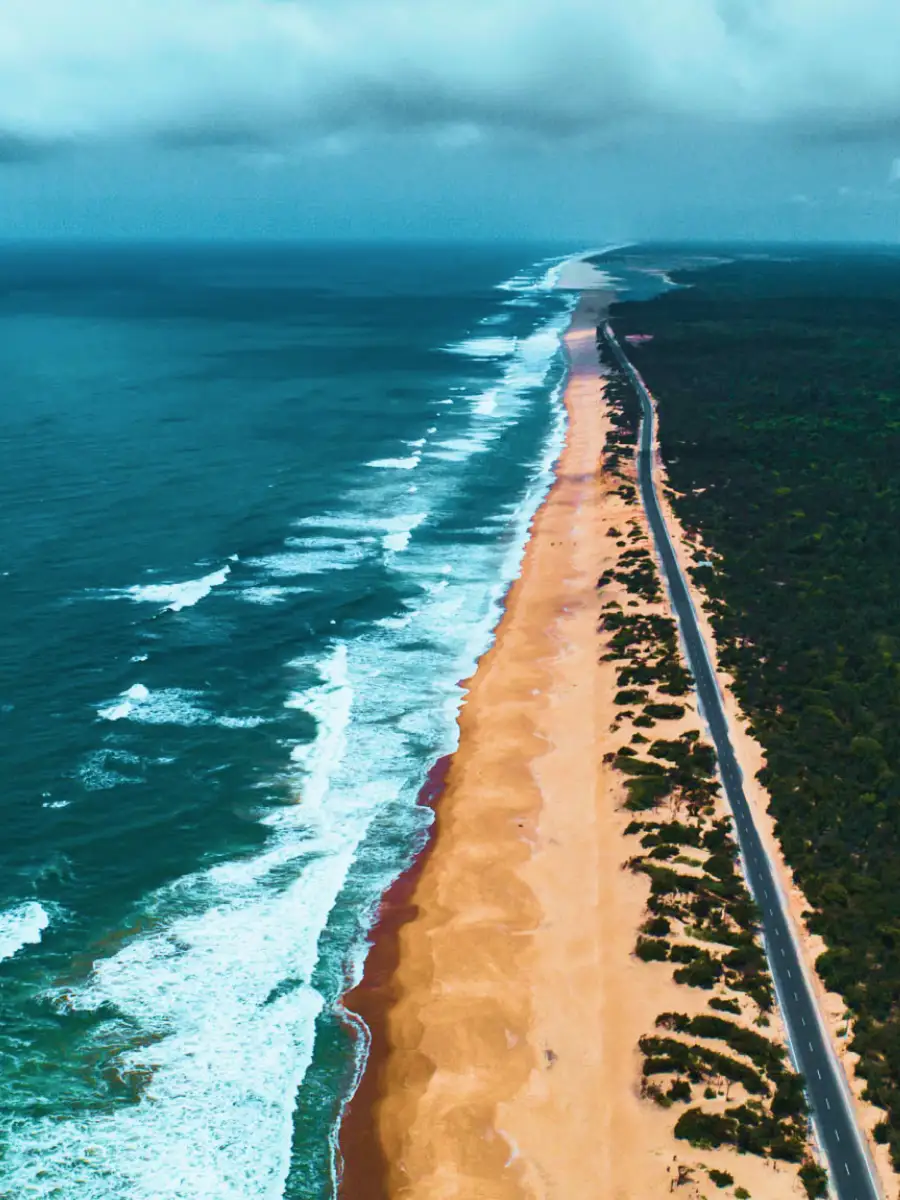
Start by choosing a practical overnight base in or near Puri, rather than assuming every attraction has its own railway station. Odisha Tourism lists this rail access: Nearest railway station: Puri Railway Station (approx. 30 km).. The listed air access is: Nearest airport: Biju Patnaik International Airport, Bhubaneswar (approx. 60 km).. Road access: Well connected by road via Puri-Konark Marine Drive.. Compare train, bus and flight options door to door. Rail can suit overnight journeys and travellers who prefer to avoid a long drive. A bus may be useful between district towns, but the last service may finish before your visit ends. A flight only saves time if airport transfers, check-in and the final road leg are included. Reserve the return leg before departure and allow time for traffic, meals and weather. Check IRCTC and NTES for trains, OSRTC for buses, and the airline’s own schedule for flights. Do not rely on an unconfirmed connection or assume taxis will wait at a remote site.
Confirm onward and return timings on IRCTC / NTES, the state bus operator or your airline before travel. A dash means current timings or fares have not been verified.
Getting around
Puri is the practical base for reaching Ramachandi Beach; Odisha Tourism lists Puri Railway Station as the nearest rail access and describes the road approach via Puri–Konark Marine Drive. From Puri, visitors generally arrange a taxi, hired car or other local road transport. Auto-rickshaws may help with shorter town journeys, but availability for the full coastal route should be checked before departure. Local buses can serve parts of the district, though the final leg may need separate planning. Walk only on suitable public paths and avoid exposed shore areas when conditions are unsafe. Ask locally about parking and whether boat trips are operating; do not assume a boat is available or safe on a particular day.
Hours, tickets & permissions
Entry arrangements can differ between the public beach, the shrine and any locally operated boat activity. Check with the managing authority or local staff for current access rules, seasonal closures, fees and whether any permits or camera restrictions apply. No particular ticket, identity-document or dress requirement should be assumed without confirmation. The shrine may have its own customs and areas with restricted access. Weather, conservation measures or local events can also affect where visitors may go. Confirm current visiting arrangements before setting out, and follow notices and instructions on arrival.
Facilities
Facilities at the beach may be limited and can vary by season. Toilets, drinking water, food stalls, parking and local assistance may be available in the area, but visitors should check locally rather than rely on every service being open. Carry drinking water, sun protection and any personal essentials, especially if travelling outside busy periods. Food options may be more dependable in Puri or along the main road than at the shore itself. ATMs and broader services are easier to find in larger settlements. Ask locally about authorised boat operators and safety arrangements; do not assume a guide or lifeguard is present.
Accessibility
The visit may involve walking over sand, uneven ground or unpaved paths, and the shoreline can be difficult for wheelchairs, strollers and visitors with limited mobility. Do not assume that ramps, accessible toilets or firm pathways are available. The distance between a vehicle drop-off, shrine and water’s edge may vary with parking and local access conditions. Shade from casuarina trees can offer some relief, but exposed areas may be hot and humid. Older visitors and families with young children may find a shorter visit to the shrine and a nearby viewpoint more comfortable than walking across loose sand. Check conditions and vehicle access locally, and avoid the water’s edge during rough seas or strong currents.
At Ramachandi Beach, local access rules take priority over any suggested itinerary. Reconfirm opening arrangements, entry eligibility, permits and weather restrictions shortly before arrival. Keep the emergency number 112 available and save your accommodation’s contact details offline. A map pin identifies a general location, not an assurance that the approach road or walking path is safe. Ask local staff which entrance visitors should use. Follow lifeguard flags and do not swim on an unsupervised stretch. Avoid isolated shoreline walks after dark, protect valuables from water and keep clear of operational port areas. Carry only necessary valuables, keep rubbish out of the site, and leave enough daylight for the return journey.
Photography
Soft morning or late-afternoon light can bring out the shoreline, river channels and casuarina trees; conditions and access change with weather and tide. Use public viewpoints and avoid blocking paths or disturbing worship. Ask permission before photographing people, boats at work or religious observances, and follow any restrictions around the shrine. Drone use may be restricted by aviation rules, local directions, wildlife protections or security concerns; check current requirements before flying and do not launch without permission. Keep artificial lights away from protected turtle-nesting areas, and avoid approaching wildlife for a photograph.
Choose accommodation by the complete journey to Ramachandi Beach, not by the district name alone. A room in a well-connected town in Puri may offer easier transport, meals and medical access than a property advertised as being close to the attraction. Check the exact location, recent guest feedback, reception hours and cancellation terms. Ask how you will reach the site and return after the visit, especially if you are not driving. For a coastal stay, check whether your room faces a busy promenade or a quieter road, and ask about safe public access to the beach. A sea-facing room does not imply a supervised swimming area. Book only through a trusted accommodation channel, avoid sending payments to an unverified personal contact, and keep written confirmation of the services included.
Ramachandi Beach can be combined with other established destinations in Puri district and the nearby Konark area, provided the road route and available time work for your visit. Konark Sun Temple is a major heritage attraction, while Chandrabhaga Beach is a nearby coastal stop associated with the Magha Saptami pilgrimage. Puri’s Jagannath Temple and the town’s seafront are other well-known destinations, though they require a separate journey. Balukhand-Konark Wildlife Sanctuary extends along the coastal corridor; follow any access and conservation rules rather than assuming all areas are open. Check actual travel conditions before planning several stops in one day.
For couples visiting Ramachandi Beach, keep the day relaxed: one main visit, a meal break and a return transfer arranged in advance. Choose public viewpoints for photographs and respect religious or community expectations around behaviour and clothing. Confirm the accommodation’s check-in requirements before booking. Avoid secluded paths after dark and do not trade a safe return plan for a late photograph. A quieter weekday may suit you, but opening and access arrangements still need local confirmation.
Q: How much time should I allow at Ramachandi Beach? A: Odisha Tourism suggests about two hours at the attraction. This does not include the road journey from your accommodation or time for nearby stops. Q: When is the best season to visit? A: October to March is generally the preferred period in the existing destination guide. Check the forecast, as heavy rain can affect roads, boat trips and access. Q: Is there an entry ticket or do I need a permit? A: Current arrangements can vary between the beach, shrine and boat activities. Confirm any entry rules, fees or permits with the managing authority or local staff before visiting. Q: Is the beach suitable for children and elderly visitors? A: Families can enjoy a short visit, but currents, loose sand and uneven ground require care. Ask locally about sea conditions and choose a viewpoint or shorter walk if mobility is limited. Q: Where should I stay nearby? A: Puri is the practical overnight base described in the destination guide, with a wider choice of services. Confirm your road transport plan before setting out.
Be the first to share photos, stories, advice or a helpful contact for Ramachandi Beach.
Loading…