
Ghumoopedia — Explore, Discover, Experience
Sign in
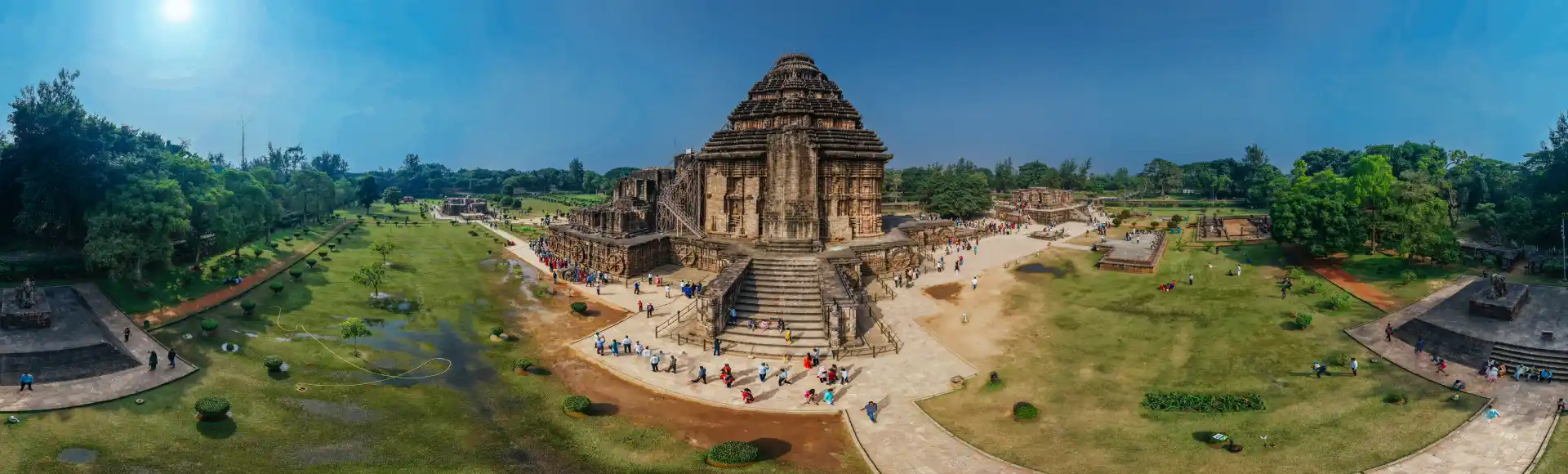
Konark Sun Temple, near Konark

City guide · Odisha

Konark

Konark is a coastal town in Odisha’s Puri district, best known as the home of the 13th-century Sun Temple. Built during the reign of the Eastern Ganga ruler Narasimhadeva I, the temple is conceived as a monumental chariot of the sun god Surya.

Famous for

  • Sun Temple
  • Kalinga temple architecture
  • Konark Dance Festival
  • Chandrabhaga Beach
  • Sand art
In the city
2
District
Puri

Why Konark matters

Konark is a coastal town in Odisha’s Puri district, best known as the home of the 13th-century Sun Temple. Built during the reign of the Eastern Ganga ruler Narasimhadeva I, the temple is conceived as a monumental chariot of the sun god Surya. Its carved wheels, horses and richly ornamented stonework make it one of India’s most striking historic monuments. A UNESCO World Heritage Site, it draws visitors interested in architecture, sculpture and Odisha’s history. The complex is largely in ruins, but its surviving structures and carvings remain remarkable; the Archaeological Survey of India’s Sun Temple Museum displays further finds from the site.

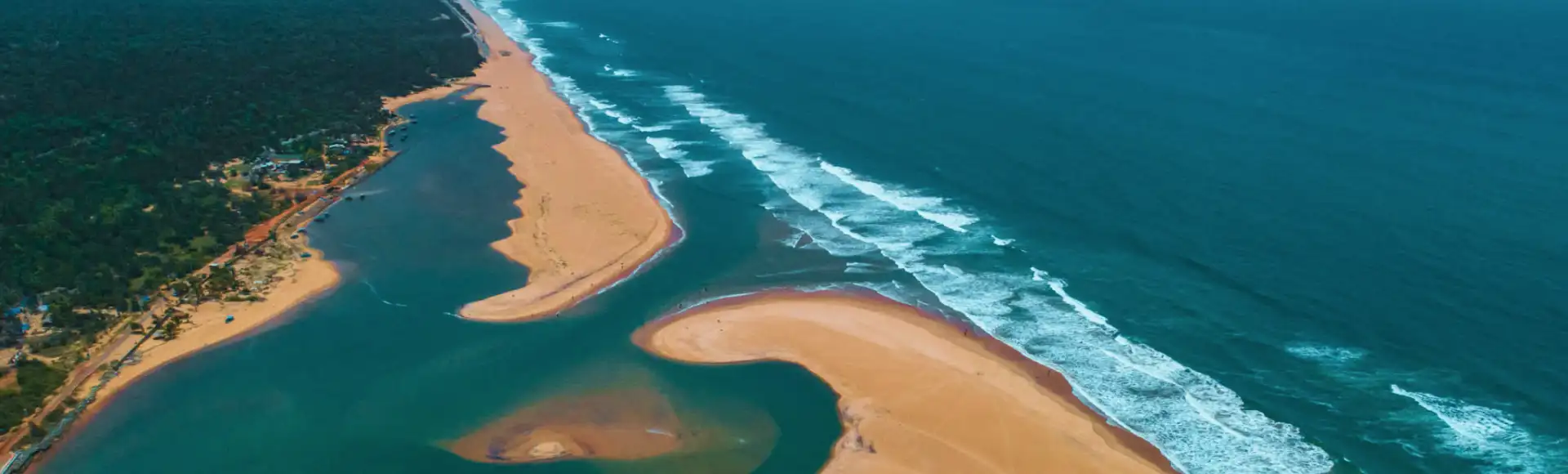
Konark also serves as a gateway to the Bay of Bengal coast, including Chandrabhaga Beach and the nearby Ramachandi area. Dance performances, music and sand-art events add to its appeal, especially during the winter festival season. The town is a popular stop on journeys between Bhubaneswar and Puri, combining a major heritage site with coastal scenery and living craft traditions.
Famous for: crafts, trade & products

Konark is not principally a textile or manufacturing centre. Its strongest associations are the Sun Temple’s stone sculpture and the artistic traditions showcased around the town. Local shops and stalls may sell carved stone or wood objects, paintings, palm-leaf work and other Odisha handicrafts. Selection and provenance vary, so visitors looking for a particular craft should ask where it was made rather than assume it is locally produced.

The wider region offers useful craft excursions. Raghurajpur, near Puri, is known for Pattachitra painting and related traditional arts; Pipili, on the route from Bhubaneswar towards Puri, is associated with colourful appliqué work. These are regional specialities rather than products exclusive to Konark. There is no major wholesale market or large industrial district in town: shopping is mostly through small craft outlets and seasonal festival stalls. The Sun Temple Museum, managed by the Archaeological Survey of India, is the key institution for understanding the site’s sculpture and archaeological finds, though it is a museum rather than a retail market.

History

Konark’s history is closely tied to the Sun Temple, commissioned in the 13th century under the Eastern Ganga dynasty. Its design represents Surya’s chariot, and its scale and sculptural programme reflect the dynasty’s power and the region’s accomplished temple-building tradition. The name Konark is commonly understood as a combination of the Sanskrit words kona, or angle, and arka, or sun.

Odisha came under Mughal influence after the 16th-century conquest associated with the Bengal sultanate. Accounts of this period link damage to the temple with the forces of the general Kalapahad. The complex later fell out of use; its principal tower had collapsed or been dismantled by the 19th century. In the colonial period, conservation efforts helped protect the surviving structures. The Archaeological Survey of India continues to maintain the monument and its museum. In modern times, heritage tourism, cultural festivals and improved road connections have made Konark an important stop between Bhubaneswar and Puri.

Food, festivals & culture

Odia is the principal language of the area; Hindi and English are also commonly useful to visitors. Everyday food reflects coastal Odisha, with rice, lentils, vegetables and fish among familiar choices. Small eateries serve regional meals and seafood, while sweets such as chhena poda and Odisha-style rasagola can be found in the wider region. Menus and availability vary, so these are regional tastes rather than dishes unique to Konark.

The Konark Dance Festival, usually held in winter, presents classical Indian dance, including Odissi, against the temple’s architectural setting. The Konark Festival and International Sand Art Festival bring performances and sculpture to the Chandrabhaga Beach area during the winter season. Chandrabhaga also draws pilgrims for its annual Magha gathering, generally in January or February. The Sun Temple is chiefly a historic monument today; nearby places of religious interest include Ramachandi Temple and the Chandrabhaga pilgrimage area.

Visiting the city

October to March is generally the most comfortable period to visit, with winter also bringing many cultural events. Summers can be hot, and monsoon weather may affect coastal travel. The nearest airport is Biju Patnaik International Airport in Bhubaneswar. Puri is the nearest major railway station; Konark itself has no railway station. The road journey from either city is commonly made by taxi, hired car or bus, with local auto-rickshaws and taxis useful for shorter trips.

Allow time for the Sun Temple complex and its museum, then explore Chandrabhaga Beach and the nearby Ramachandi area. The temple precinct is the town’s main visitor hub, while the coast offers a quieter change of scene. Konark also works well as part of a Bhubaneswar–Puri itinerary, with craft villages such as Raghurajpur or Pipili considered as regional side trips.

Attractions

Places to visit in Konark

Sights within about 12 km of each other, even when they fall in different districts.

Map

Konark on the map

  1. 1Konark Sun Temple
  2. 2Ramachandi Beach

Odisha

Other cities to explore