
Ghumoopedia — Explore, Discover, Experience
Sign in
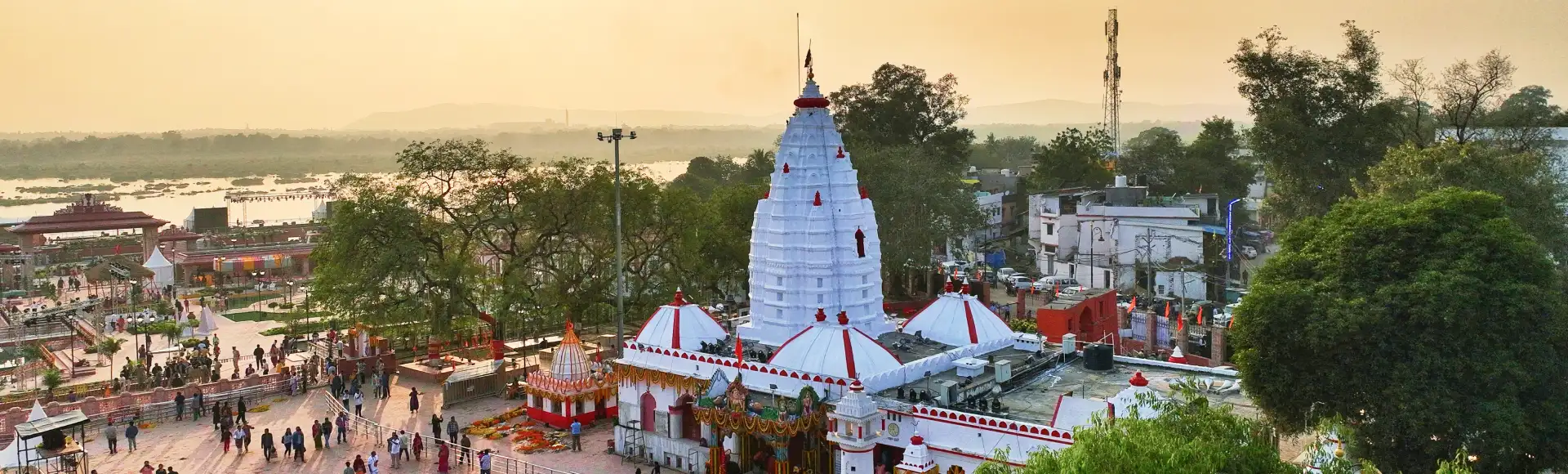
Maa Samaleswari Temple, near Sambalpur

City guide · Odisha

Sambalpur

Sambalpur is a key city of western Odisha, serving as a regional centre for administration, trade, education and rail transport. Its position beside the Mahanadi and its links to nearby towns make it a useful base for exploring the region.

Famous for

  • Sambalpuri ikat textiles
  • Maa Samaleswari Temple
  • Hirakud Dam
  • Nuakhai celebrations
  • Sambalpuri folk music
In the city
1
Nearby
2
District
Sambalpur

Why Sambalpur matters

Sambalpur is a key city of western Odisha, serving as a regional centre for administration, trade, education and rail transport. Its position beside the Mahanadi and its links to nearby towns make it a useful base for exploring the region. Sambalpur Junction is an important railway hub, and the city is also home to universities, a medical college and technical institutions.

Visitors come for Maa Samaleswari Temple, the city’s principal place of worship, and for the chance to see Sambalpuri textiles in their home region. Just upstream, Hirakud Dam and its broad reservoir are major attractions reached from Sambalpur and neighbouring Burla. The Mahanadi shapes the city’s setting, while temples, markets and cultural events offer a closer look at western Odisha’s traditions. Sambalpur is especially associated with Sambalpuri Bandha, an ikat textile known for its intricate patterns, and with Nuakhai, the region’s harvest festival. Together, its religious heritage, handloom culture and role as a gateway to the Hirakud area give the city a distinctive place in Odisha.
Famous for: crafts, trade & products

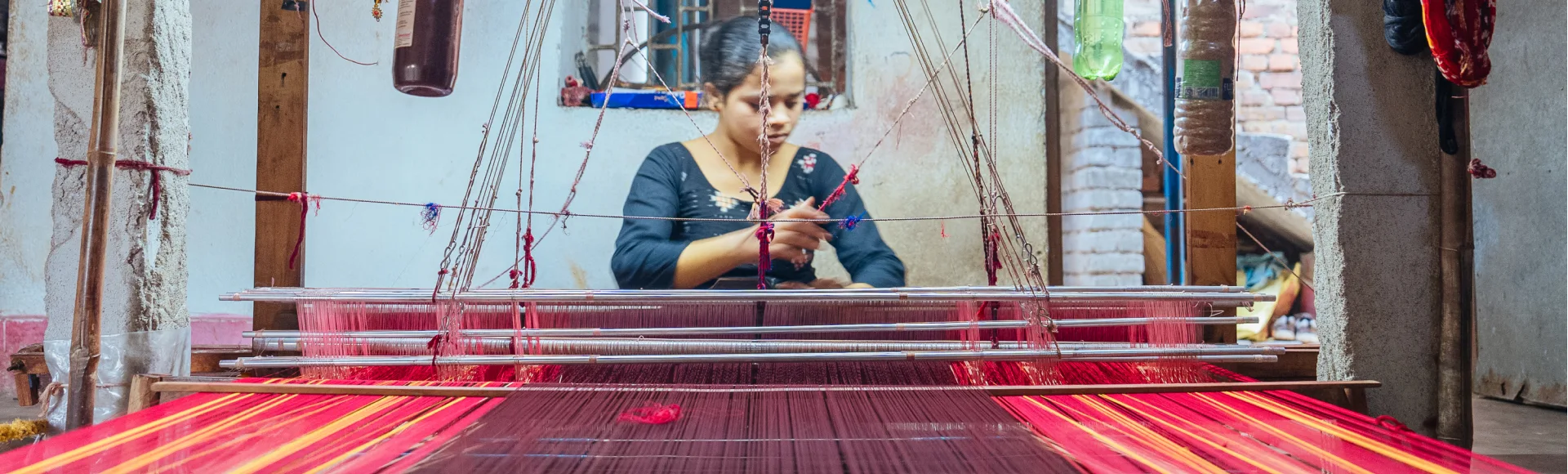
Sambalpur is best known for Sambalpuri Bandha sarees and fabrics, made using an ikat technique in which yarn is tied and dyed before weaving. The patterns include geometric designs as well as motifs drawn from nature and local culture. Sambalpuri Bandha Saree and Fabrics is a registered Geographical Indication product. Handloom shops and cooperative outlets in the city are convenient places to browse and buy; Gole Bazaar and other central market areas are also worth exploring. Weaving towns elsewhere in western Odisha offer a closer view of the craft’s wider regional network.

Trade and industry extend beyond textiles. The Sambalpur–Hirakud–Burla area has industrial activity including aluminium production and power generation, while the city’s markets serve surrounding districts. Sambalpur is also an educational centre, with institutions including Sambalpur University, Veer Surendra Sai University of Technology, Veer Surendra Sai Institute of Medical Sciences and Research, Gangadhar Meher University, IIM Sambalpur and Odisha State Open University. These institutions, along with government offices and the railway division headquarters, contribute to the city’s regional importance.

History

Archaeological evidence points to human settlement in the Sambalpur region in prehistoric times. The area was historically known as Hirakhanda, and some scholars connect it with Sambalaka, a place described by the second-century geographer Ptolemy. It later formed part of the kingdoms of South Kosala, including territories ruled by the Somavamshis, Kalachuris and Gangas. Chauhan rulers established a lasting kingdom in western Odisha, and Sambalpur became an important centre within it.

The Marathas took control in 1800. After the Third Anglo-Maratha War, the British restored Sambalpur to a Chauhan ruler in 1817, while reshaping the region’s political administration. In 1896, Hindi replaced Odia as the official language; protests led to Odia being reinstated. Sambalpur and neighbouring Odia-speaking areas were later incorporated into Odisha’s administrative formation. After independence, railway, commercial and government establishments expanded, strengthening the city’s role as a transport and service centre for western Odisha.

Food, festivals & culture

Odia is widely used in Sambalpur, alongside Sambalpuri, often called Kosli, which has a strong regional identity. Rice is central to everyday meals, with dishes such as pakhala, lentils, vegetables and fish common across the area. Traditional snacks and sweets include chakuli and arisa pitha. Local markets and eateries are good places to sample regional cooking, though menus vary by season and establishment.

Nuakhai, celebrated after the monsoon harvest, is the region’s defining festival: families share newly harvested rice and gather for prayers and community celebrations. Sitalsasthi, usually in late spring or early summer, is marked by lively processions centred on the symbolic wedding of Shiva and Parvati. Rath Yatra and Durga Puja are also observed. Sambalpuri folk songs and dances, including Dalkhai and Rasarkeli, feature at festivals and cultural gatherings. Maa Samaleswari Temple is the city’s principal shrine; temples and neighbourhood places of worship remain important parts of daily life.

Visiting the city

The more comfortable visiting season is generally October to February, when days are milder; September to March can also work. Summers are very hot, and monsoon rain may affect travel. The nearest airport is Veer Surendra Sai Airport at Jharsuguda. Sambalpur Junction is the main railway station and a major hub for the region.

Auto-rickshaws and local buses are useful for getting around, with bus services connecting parts of the city and nearby areas. Explore the old-town area around Maa Samaleswari Temple and the central markets, including Gole Bazaar. Budharaja offers a green escape within the city. Across the Mahanadi, Burla and Hirakud are convenient areas to visit for the dam and reservoir; allow time for the river crossing and local travel.

Attractions

Places to visit in Sambalpur

Sights within about 12 km of each other, even when they fall in different districts.

Short trips

Around Sambalpur

Within about 40 km — easy half-day or day trips from the city.

Map

Sambalpur on the map

  1. 1Maa Samaleswari Temple
  2. 2Kardola Weavers Village
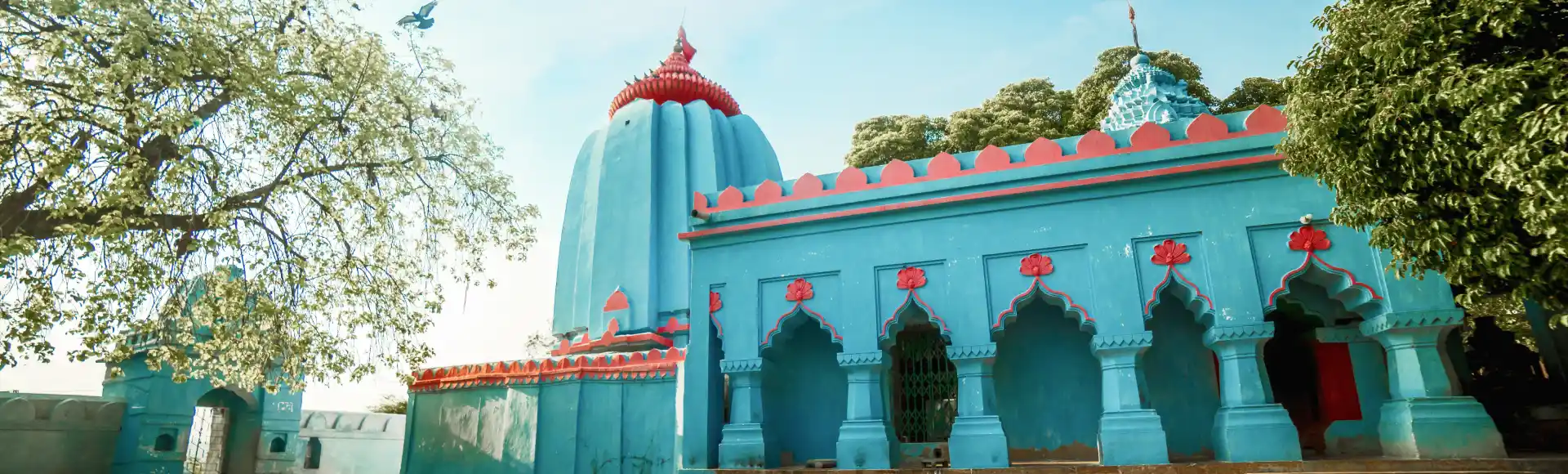
  3. 3Leaning Temple of Huma

Odisha

Other cities to explore