
Ghumoopedia — Explore, Discover, Experience
Sign in
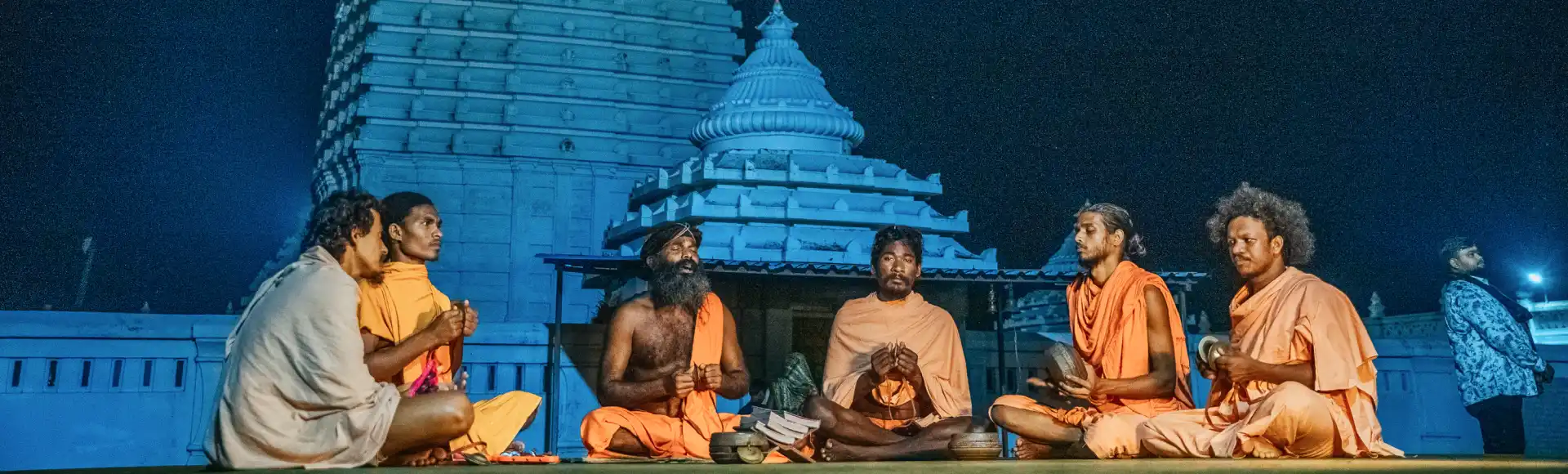
Mahimagadi, Joranda, near Bhuban

City guide · Odisha

Bhuban

Bhuban is a town and Notified Area Council in the Kamakhyanagar subdivision of Dhenkanal district, Odisha. Its importance is chiefly regional: it serves residents and nearby villages with markets, shops and everyday services, and connects the surrounding area with Kamakhyanagar and other district centres.

Famous for

  • Brass and bell-metal work
  • Dhenkanal Magji sweet
  • Local markets and trade
  • Odia festivals and temples
In the city
0
Nearby
1
District
Dhenkanal
Plan a trip

Why Bhuban matters

Bhuban is a town and Notified Area Council in the Kamakhyanagar subdivision of Dhenkanal district, Odisha. Its importance is chiefly regional: it serves residents and nearby villages with markets, shops and everyday services, and connects the surrounding area with Kamakhyanagar and other district centres. For travellers, it offers a glimpse of life in a smaller Odisha town rather than the attractions of a large urban destination.

Bhuban is associated with traditional metalwork and lies within Dhenkanal, a district known for its Magji sweet. Local bazaars and places of worship give visitors a sense of the town’s daily rhythms, while the roads beyond the centre lead through rural settlements and farmland. Bhuban can also serve as a stop on a wider journey through Dhenkanal district. Visitors planning a dedicated trip should check locally for current access to workshops and nearby places of interest, since the town’s appeal is rooted more in its community and regional character than in a concentration of major visitor sites.

Famous for: crafts, trade & products

Bhuban is associated with brass and bell-metal work, including practical household wares. These crafts are best sought in the town’s local market and from makers or sellers identified locally; availability and the range of work can vary. Ask before photographing workshops or artisans, and confirm whether an item is handmade and what metal it contains.

The wider district’s best-known food speciality is Dhenkanal Magji, a milk-based sweet with a Geographical Indication tag. It may be available from sweet shops in Bhuban, though production is associated with Dhenkanal district rather than exclusively with this town. Local shops and market streets are the most useful places to look for sweets, metal goods and everyday provisions. Bhuban is not especially known for a major textile tradition or a large visitor-oriented craft market, so travellers seeking a particular product should make enquiries in advance. The town’s markets are primarily local trading spaces, where browsing can offer a practical view of commerce in this part of Odisha.

History

Bhuban’s history is closely tied to the wider Dhenkanal region. Before independence, Dhenkanal was a princely state under a local ruling family, while the British exercised overarching political authority in the area. Like other settlements in the state, Bhuban’s growth was shaped by its role as a centre for nearby villages and by the movement of agricultural goods and household necessities through local markets. A detailed, widely documented account of the town’s early rulers or founding is not readily established, so its past is best understood within this regional setting.

Dhenkanal state merged with Odisha in 1948, after which the area became part of the modern state’s administrative system. Bhuban’s later development has centred on local government, services and trade. Its status as a Notified Area Council reflects its role as an urban settlement serving both town residents and surrounding communities. Roads remain important to its connections with Kamakhyanagar and other parts of Dhenkanal district.

Food, festivals & culture

Everyday food in Bhuban follows Odia patterns, with rice, lentils, vegetables and seasonal preparations common at home and in local eateries. Pakhala, a rice dish often eaten in warmer weather, and dalma, made with lentils and vegetables, are familiar regional foods. Dhenkanal Magji, a milk-based sweet associated with the district, is worth asking for at local sweet shops; availability can vary.

Durga Puja in autumn, Raja in the early monsoon season, and Ratha Yatra around June or July are among the festivals observed in Odisha, with local customs and dates following the religious calendar. Odia is the main language of daily life; Hindi may also be understood by some residents. Hindu temples and neighbourhood shrines serve as important places of worship and community gathering. Cultural events may include devotional singing, folk performance and, on occasion, Odissi, Odisha’s classical dance, though programming differs from year to year.

Visiting the city

The cooler, drier months, roughly October to February, are generally the most comfortable time to visit. Summers can be hot, while the monsoon brings rain. Bhubaneswar’s Biju Patnaik International Airport is the nearest major airport. Meramandali railway station is a rail option for the area; Dhenkanal railway station may also be useful depending on the route. Check current connections before travelling.

Bhuban is easiest to explore by auto-rickshaw or local road transport, with private vehicles useful for visiting places beyond the centre. Start around the central bazaar for shops, food and everyday town life, then explore nearby neighbourhood temples and the surrounding countryside. Kamakhyanagar is a useful nearby centre for regional travel. For craft purchases, ask in the market where local metalworkers or their sellers can be found.

Short trips

Around Bhuban

Within about 40 km — easy half-day or day trips from the city.

Map

Bhuban on the map

  1. 1Mahimagadi, Joranda

Odisha

Other cities to explore