Ghumoopedia — Explore, Discover, Experience
Sign in
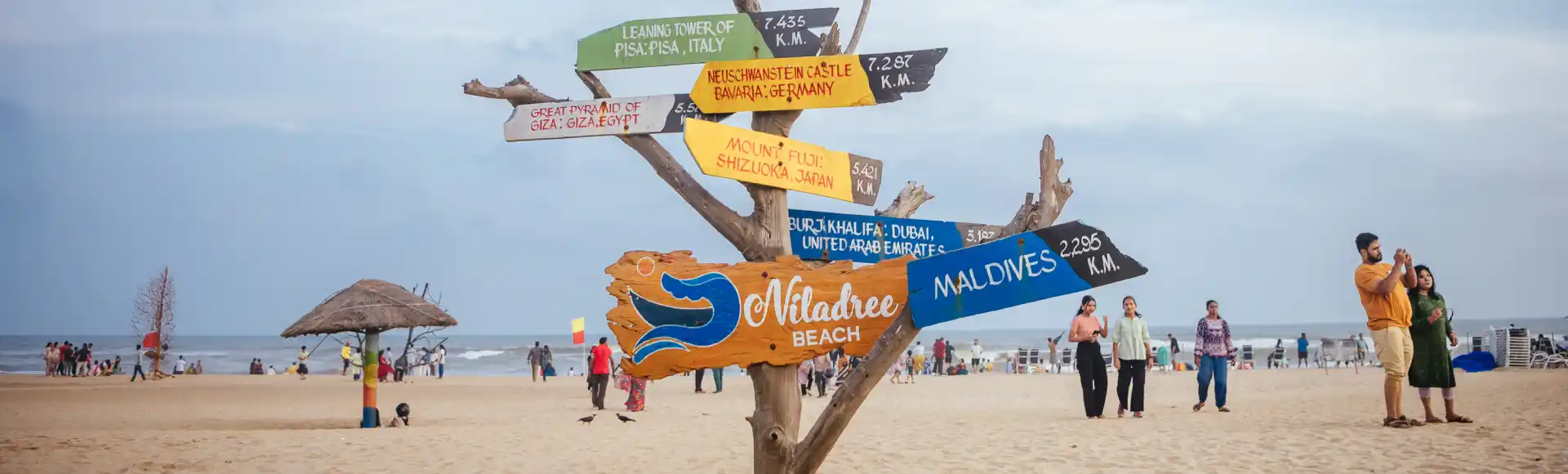
Niladri Beach, near Puri

City guide · Odisha

Puri

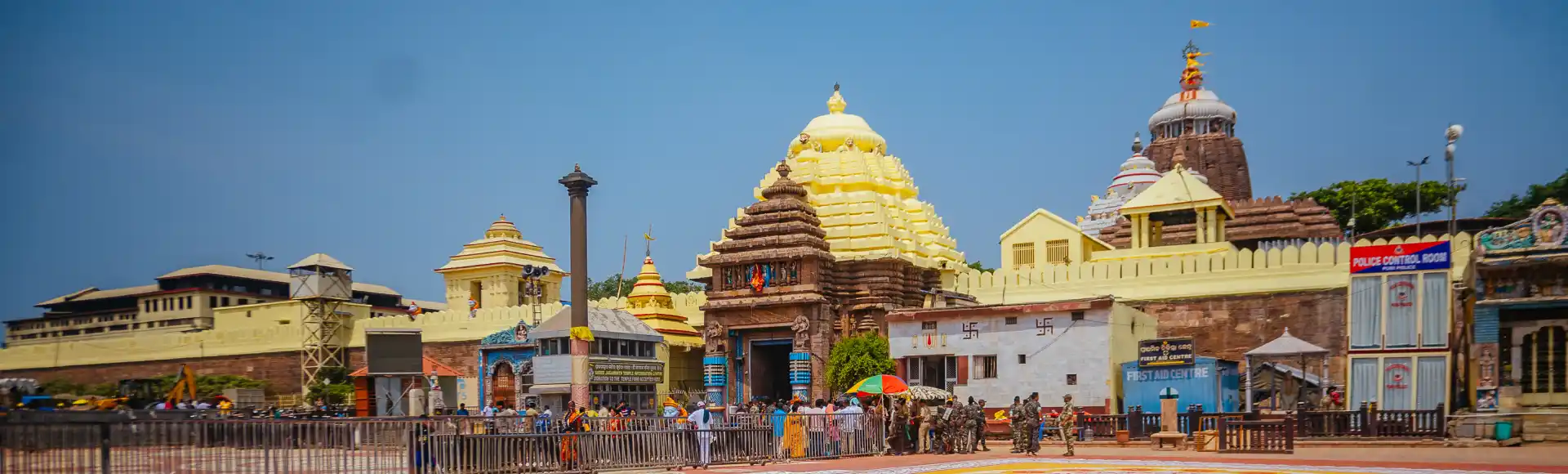
Puri is a coastal pilgrimage city on the Bay of Bengal, about 60 kilometres south of Bhubaneswar. Its landmark is the Jagannath Temple, a major Hindu shrine and one of the traditional Char Dham pilgrimage destinations.

Famous for

  • Jagannath Temple
  • Ratha Yatra
  • Puri beach
  • Pipili applique work
  • Puri khaja
In the city
5
District
Puri
Plan a tripHotels near Puri

Why Puri matters

Puri is a coastal pilgrimage city on the Bay of Bengal, about 60 kilometres south of Bhubaneswar. Its landmark is the Jagannath Temple, a major Hindu shrine and one of the traditional Char Dham pilgrimage destinations. The temple’s daily rituals and annual festivals shape the city’s identity, visitor calendar and local economy. Puri is also the headquarters of its district and an important base for exploring Odisha’s coast and nearby heritage sites.

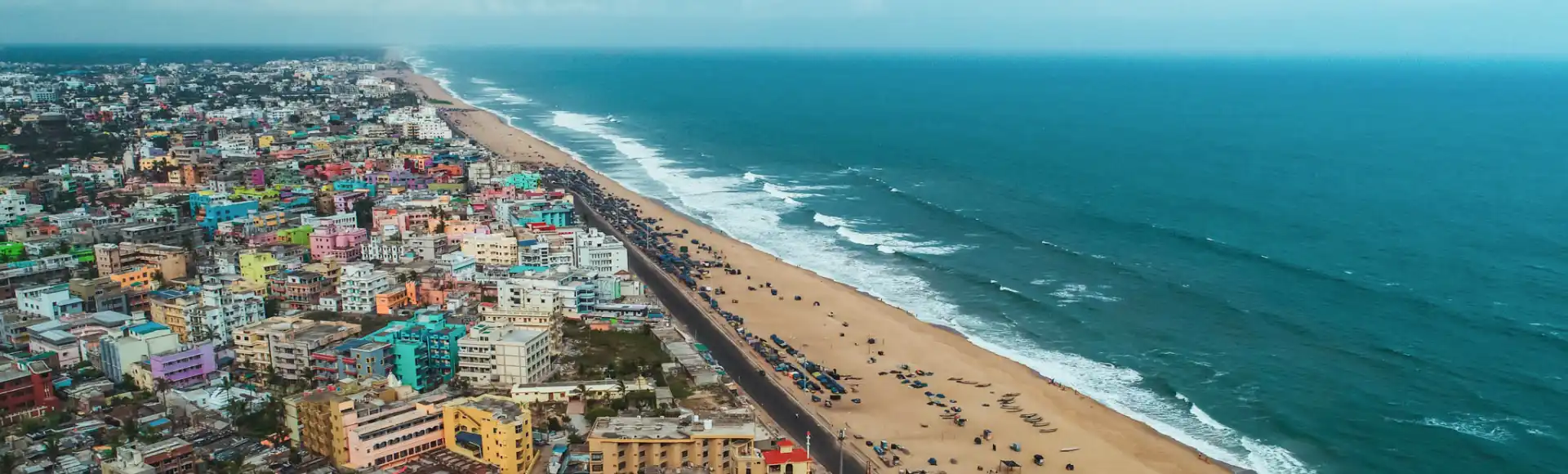
The best-known event is Ratha Yatra, when the deities travel through the city in large chariots and vast crowds gather to take part in the celebrations. Visitors also come for the broad beach, the temple town’s lanes and monasteries, local food and the region’s craft traditions. Sand artists work along the shore, while the craft villages of Pipili and Raghurajpur are within reach on day trips. Puri combines a living centre of worship with a busy seaside destination; the rhythm of pilgrimage remains central even as tourism, hospitality and transport continue to develop.

Famous for: crafts, trade & products

Puri is closely associated with khaja, a crisp, layered sweet sold in sweet shops around the temple precinct and in the town’s markets. Puri Khaja has received a Geographical Indication tag. The temple’s Mahaprasad is another signature food, prepared for ritual offering and available to visitors who can enter the temple complex. Along the coast, stalls and local makers showcase sand art, a craft for which Puri is widely recognised.

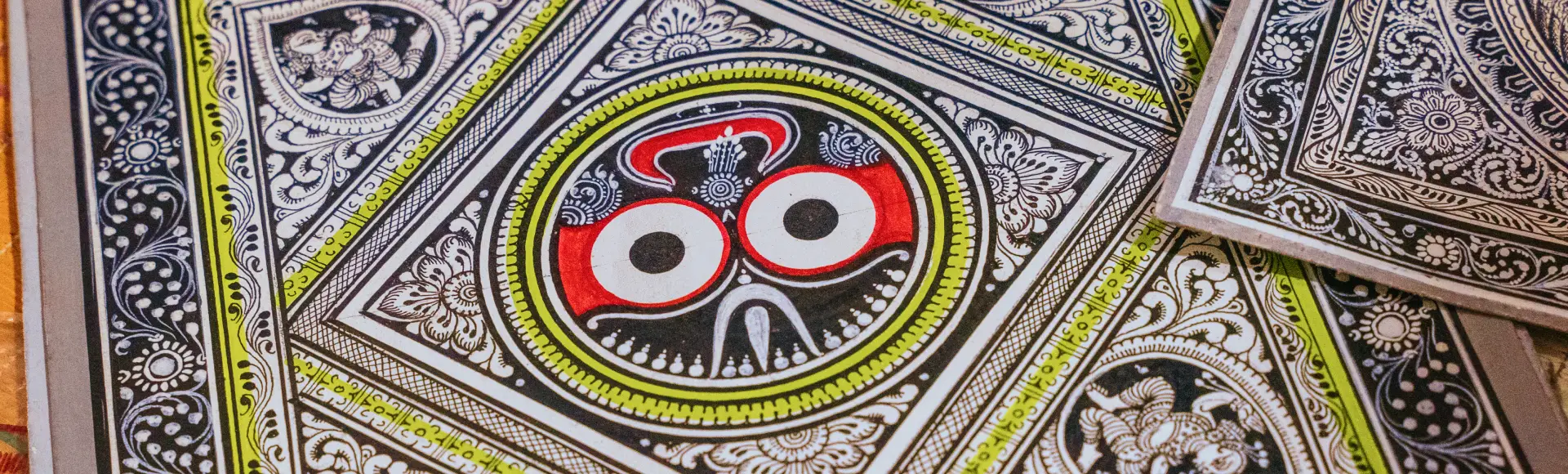
Several notable crafts are found in nearby towns and villages. Pipili, on the road between Puri and Bhubaneswar, is known for colourful applique work used in canopies, wall hangings and festival decorations; Pipili applique work has a GI tag. Raghurajpur, a heritage crafts village inland from Puri, is known for Pattachitra painting and palm-leaf engraving. These are useful places to see artisans at work and buy directly from workshops. Puri’s bazaars and shops near the temple and beach sell souvenirs, religious items and locally made crafts, though visitors seeking a particular tradition may find a wider choice in its specialist craft village.

History

Puri’s history is closely linked to the Jagannath Temple and the growth of pilgrimage in Odisha. The present temple complex took shape under the Eastern Ganga dynasty: construction began in the 12th century during the rule of Anantavarman Chodaganga, with work continuing under later rulers. The temple became a major centre of worship, supported by monasteries and religious institutions. The city is also associated with the Govardhana Matha, one of the four traditional monasteries linked to Adi Shankaracharya, and with Chaitanya Mahaprabhu, who spent years devoted to Jagannath.

The temple and city experienced repeated attacks and periods of political change. Puri came under British control in 1803 and remained within British India until independence in 1947. In modern times it has grown as a district headquarters, pilgrimage destination and seaside tourism centre. Rail links, road connections and visitor services have made it easier to reach, while temple customs continue to play a central role in civic and cultural life.

Food, festivals & culture

Jagannath worship is at the heart of Puri’s cultural life. The temple’s Mahaprasad, a large variety of vegetarian dishes prepared as an offering, is an important part of local food culture. Khaja is the town’s best-known sweet. Restaurants also serve Odia staples such as dalma, rice and pakhala, while seafood is common in eateries outside the temple precinct. Odia is the main language; Hindi, Bengali and English are also heard, particularly in visitor areas.

Ratha Yatra, usually held in June or July, is the city’s defining festival, when Jagannath, Balabhadra and Subhadra are taken through the streets on towering chariots. Other observances include Snana Purnima, Chandan Yatra in spring and Dola Purnima around the spring festival season. Music and dance traditions include Odissi, devotional singing and kirtan. The Jagannath Temple is the principal place of worship, alongside the city’s many maths and shrines. Entry to the main temple is restricted to Hindus; the beach and surrounding town offer other ways to experience Puri’s public life.

Visiting the city

The cooler, drier months from October to March are generally comfortable for sightseeing. The monsoon and the humid summer months can bring heavy rain or heat; Ratha Yatra, usually in June or July, is a particularly busy period. The nearest airport is Biju Patnaik International Airport in Bhubaneswar. Puri Railway Station is the city’s main rail station, with road connections to Bhubaneswar and other parts of Odisha.

Auto-rickshaws, cycle-rickshaws and taxis are useful for getting around. The temple precinct is best explored on foot, while the beach road and shoreline suit a slower walk. Explore the lanes around the Jagannath Temple, the beach and its sand-art stretches, and the markets for sweets and souvenirs. Pipili and Raghurajpur make worthwhile craft-focused excursions from the city.

Attractions

Places to visit in Puri

Sights within about 12 km of each other, even when they fall in different districts.

Map

Puri on the map

  1. 1Niladri Beach
  2. 2Puri Beach & Golden Beach
  3. 3Puri Blue Flag Beach
  4. 4Raghurajpur Craft Village
  5. 5Shree Jagannath Temple

Odisha

Other cities to explore