
Ghumoopedia — Explore, Discover, Experience
Sign in
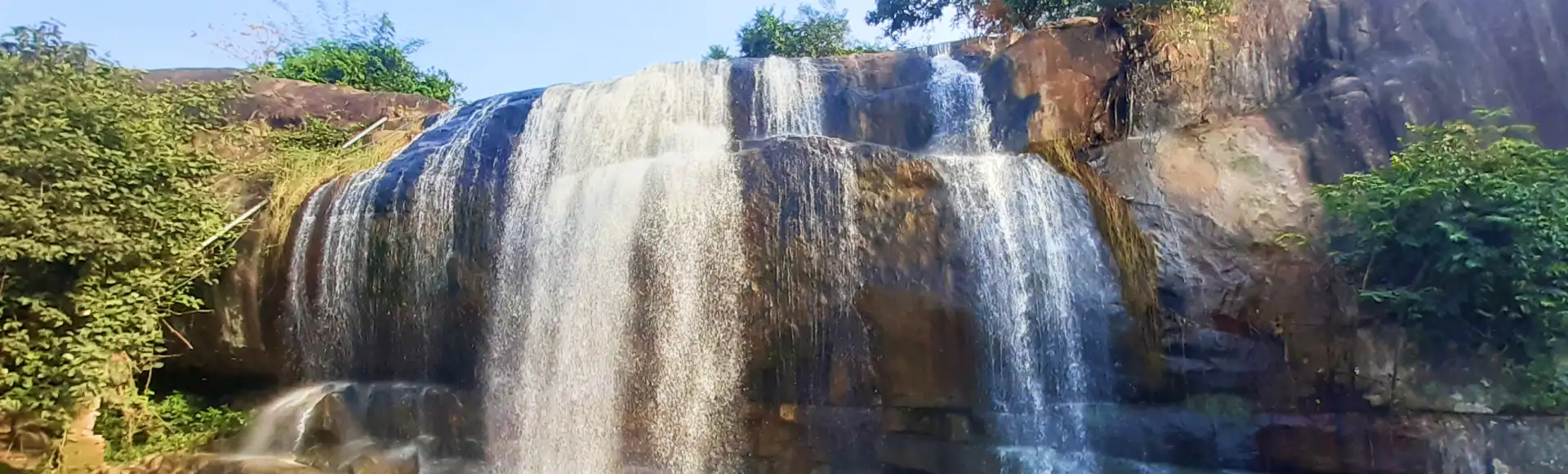
Gandahati Waterfall, near Paralakhemundi

City guide · Odisha

Paralakhemundi

Paralakhemundi, often called Parala, is the administrative headquarters of Gajapati district in southern Odisha, close to the Andhra Pradesh border. The Mahendra Tanaya River separates it from Pathapatnam, giving the area a distinctive cross-border character.

Famous for

  • Paralakhemundi Palace
  • Khemundi royal heritage
  • Historic temples and monasteries
  • Odia cultural heritage
  • Mahendra Tanaya River
In the city
0
Nearby
2
District
Gajapati
Plan a trip

Why Paralakhemundi matters

Paralakhemundi, often called Parala, is the administrative headquarters of Gajapati district in southern Odisha, close to the Andhra Pradesh border. The Mahendra Tanaya River separates it from Pathapatnam, giving the area a distinctive cross-border character. The town serves as a centre for government services, trade and travel for surrounding communities, while retaining the scale and atmosphere of a historic regional town.

Visitors come for its old temples, monasteries, palace and heritage buildings, as well as its connections to Odia literature and public life. Paralakhemundi was the birthplace of poet Gopalakrusna Pattanayaka, statesman Krushna Chandra Gajapati Narayan Deo, lexicographer Gopinatha Nanda Sharma and historian Satyanarayana Rajguru. Its legacy as the capital of the Khemundi branch of the Eastern Ganga dynasty gives the town particular importance in the region’s history. Today, its appeal lies in the combination of cultural landmarks, everyday town life and access to the wider Gajapati landscape.
Famous for: crafts, trade & products

Paralakhemundi is better known for its heritage than for a signature textile, manufactured product or large industry. The palace, old temples and historic buildings are its most visible local markers. The town’s markets mainly serve residents and the surrounding rural area, with everyday provisions, produce, clothing and household goods rather than a nationally recognised specialist shopping district.

Saura, also called Sora, painting is associated with tribal communities in the wider Gajapati region and offers a distinctive expression of local artistic life. It is best understood as a regional tradition, not a product made exclusively in the town. Visitors can ask about locally made work in town shops and markets, while recognising that availability may vary. No widely established GI-tagged product is specific to Paralakhemundi. For locally produced crafts or regional goods, the central bazaar is a practical place to browse and ask vendors about their origins; the town’s cultural institutions and heritage sites provide context for the area’s history, rather than functioning as dedicated craft markets.

History

Paralakhemundi grew as the seat of the Paralakhemundi Estate, ruled by the Khemundi branch of the Eastern Ganga dynasty. In the later medieval period, it became the branch’s capital, and the palace and religious buildings reflect its standing as a centre of regional authority and culture. Its location near the Andhra border and the Mahendra Tanaya River also connected it with neighbouring settlements and routes.

During the colonial era, the estate continued under British paramountcy, while the town developed as an administrative and commercial centre. Paralakhemundi established its municipality in 1885, an early milestone in its civic administration. The town is also associated with figures who shaped Odia literature, scholarship and public affairs, including Krushna Chandra Gajapati Narayan Deo and historian Satyanarayana Rajguru. In modern Odisha, Paralakhemundi became the headquarters of Gajapati district and continues to serve as the district’s principal administrative centre. Its older urban fabric remains an important reminder of the town’s princely and cultural past.

Food, festivals & culture

Odia is the main language of daily life, and Telugu is also heard because of the town’s proximity to Andhra Pradesh. Meals commonly draw on Odia staples such as rice, dal, vegetables and seasonal fish. Pakhala, a rice dish often enjoyed in warmer weather, is familiar across the region; sweets such as chhena poda are part of Odisha’s broader food culture rather than a speciality unique to Paralakhemundi.

Rath Yatra is observed in summer, while Durga Puja brings autumn festivities and Raja is celebrated around the beginning of the monsoon season. The town’s religious landscape includes longstanding temples and monasteries, where worship and local observances remain part of community life. Odissi and regional folk traditions belong to the wider cultural setting, alongside the artistic practices of nearby Saura communities. Paralakhemundi’s literary legacy is especially strong: its association with poets, historians and scholars gives the town a cultural importance that extends beyond its size.

Visiting the city

The cooler months, roughly from October to February, are generally comfortable for exploring; summers can be hot and the monsoon brings rain. Visakhapatnam Airport is a nearby air gateway, with onward travel by road. Paralakhemundi has its own railway station on the Naupada–Gunupur line; for wider rail connections, travellers may also look at larger stations on the coastal route.

Within town, local autos and taxis are useful for reaching the palace, temples and other heritage sites, while the central area can be explored on foot. Start around the old town and palace precinct, then visit nearby places of worship and the river-facing parts of town. Pathapatnam, across the Mahendra Tanaya River, offers a glimpse of the neighbouring Andhra side. Roads connect Paralakhemundi with other towns in Gajapati district, making it a convenient base for regional excursions.

Short trips

Around Paralakhemundi

Within about 40 km — easy half-day or day trips from the city.

Map

Paralakhemundi on the map

  1. 1Gandahati Waterfall
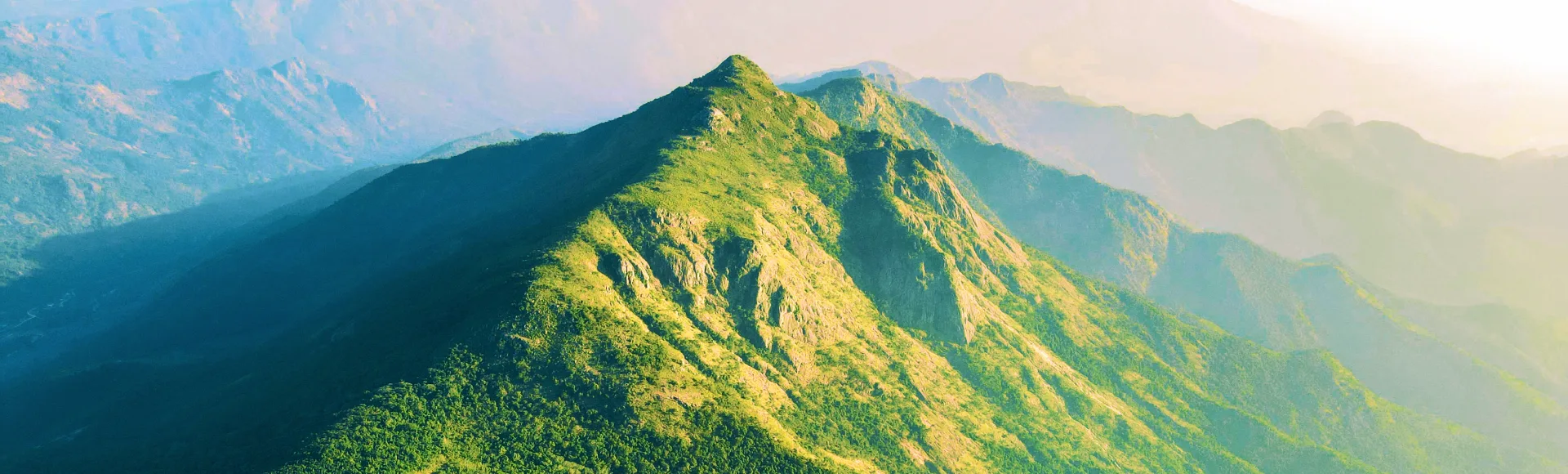
  2. 2Mahendragiri Hills

Odisha

Other cities to explore