
Ghumoopedia — Explore, Discover, Experience
Sign in
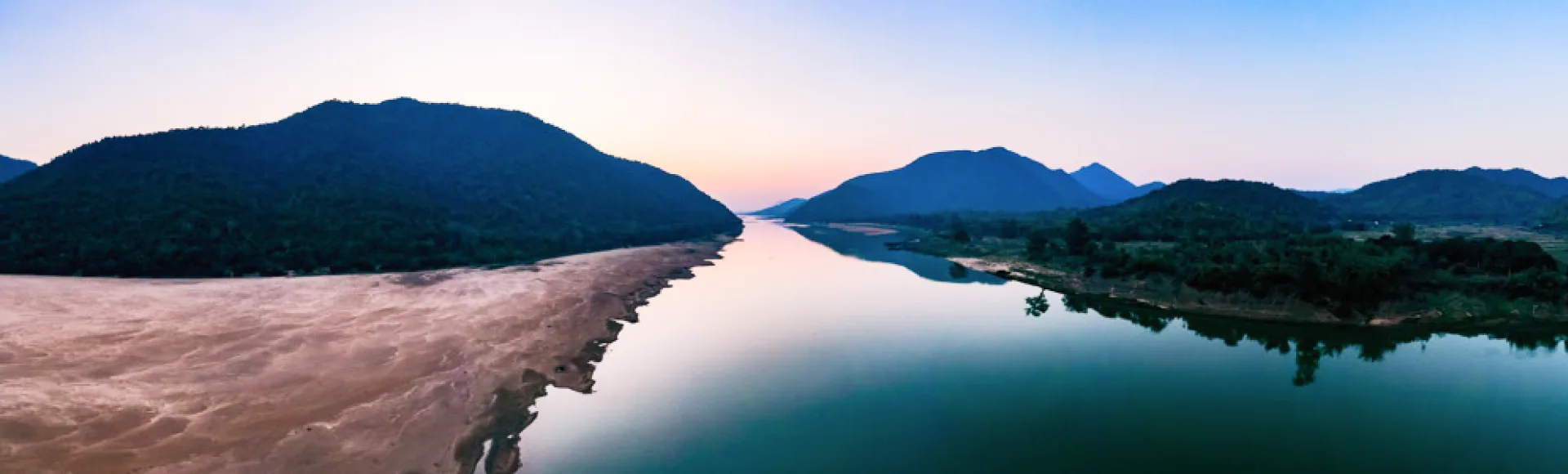
Tikarpada Wildlife Sanctuary, near Angul

City guide · Odisha

Angul

Angul is the administrative headquarters of Angul district and an important service and transport centre in central Odisha. Its present-day identity is closely tied to the region’s industrial belt: aluminium production, steelmaking, coal mining and power generation shape local employment and business.

Famous for

  • NALCO aluminium complex
  • Angul steel industry
  • Talcher coalfields
  • Satkosia Gorge
  • Tikarpada river scenery
  • Deulajhari hot springs
In the city
0
Nearby
1
District
Angul
Plan a trip

Why Angul matters

Angul is the administrative headquarters of Angul district and an important service and transport centre in central Odisha. Its present-day identity is closely tied to the region’s industrial belt: aluminium production, steelmaking, coal mining and power generation shape local employment and business. The town serves nearby industrial settlements as well as communities across the district, making it a practical base for travel and everyday commerce.

Visitors come not only for its industrial story but also for the landscapes beyond town. Satkosia Gorge, where the Mahanadi cuts through forested hills, and the riverside setting at Tikarpada are among the area’s best-known natural attractions. Deulajhari is known for its hot springs and temple setting. Angul is not a large heritage-tourism centre, but it offers a useful starting point for exploring these sites and seeing a part of Odisha where industry, forest and river country meet.

Famous for: crafts, trade & products

Angul is better known for heavy industry than for a distinctive textile or handicraft tradition. The district’s industrial profile includes NALCO’s aluminium complex near Angul, steel production and the coal and power economy associated with the wider Talcher area. These industries make the town an important centre for workers, suppliers and business visitors. They are not generally visitor attractions, so access to industrial premises may be restricted.

Angul does not have a widely recognised city-specific saree, craft or GI-tagged product that defines its markets. The town’s bazaars and commercial streets are chiefly places to find daily necessities, groceries, clothing and regional food rather than specialist craft shopping. Visitors hoping to buy Odisha handloom or established craftwork may find a broader selection in larger craft and textile centres elsewhere in the state. Local markets are still useful for experiencing everyday trade and picking up snacks or provisions before visiting the district’s river, forest and temple destinations.

History

Angul’s history includes a period as a small princely state. In 1848, British authorities annexed the state after a rebellion associated with its ruler, Somnath Singh, and brought the territory under colonial administration. The area later formed part of the wider administrative landscape of Odisha; after Independence it became part of the state.

For much of the modern period, Angul developed as a district town serving surrounding settlements and rural areas. Its role grew when Angul district was established in 1993, with the town as its headquarters. Industrial expansion transformed the wider region: coal mining and thermal power around Talcher, aluminium production near Angul and steelmaking brought new jobs, infrastructure and migration. Today, the town combines its administrative functions with the demands of a major industrial corridor, while nearby forests, temples and river landscapes preserve a very different side of the district’s past and present.

Food, festivals & culture

Odia is the principal language of daily life; Hindi and English are also heard, particularly in commercial and industrial settings. Meals commonly draw on Odia staples such as rice, dal, vegetables, fish and pakhala, with sweets and snacks available in local shops. Chhena-based sweets and other familiar Odia treats can be found, though Angul is not especially known for one signature dish.

The festival calendar includes Rath Yatra, Durga Puja, Raja in the early monsoon season, and Makar Sankranti in January. Nuakhai, the harvest festival observed in western Odisha, is also celebrated in the region. Community gatherings may feature devotional singing, local theatre and folk performance traditions from Odisha. Temples and neighbourhood shrines are part of everyday religious life; Deulajhari, a Shaivite temple setting associated with hot springs, is a notable nearby place of worship. Festivals and observances can vary between the town and surrounding communities.

Visiting the city

October to February is generally the most comfortable period for visiting, with cooler conditions for exploring town and nearby outdoor sites. The nearest major airport is Biju Patnaik International Airport in Bhubaneswar. Angul railway station is the main station serving the town; road connections link it with neighbouring industrial centres and other parts of Odisha.

Auto-rickshaws, taxis and local buses are useful for getting around, while a hired vehicle is convenient for trips to places such as Satkosia, Tikarpada and Deulajhari. The town centre is practical for markets, services and meals. Nalco Nagar is an important nearby industrial township, while the quieter river and forest areas make worthwhile excursions beyond the built-up town. Check local conditions before setting out for nature destinations, especially during the monsoon.

Short trips

Around Angul

Within about 40 km — easy half-day or day trips from the city.

Map

Angul on the map

  1. 1Tikarpada Wildlife Sanctuary

Odisha

Other cities to explore