
Ghumoopedia — Explore, Discover, Experience
Sign in
Ansupa Nature Camp, near Athagad

City guide · Odisha

Athagad

Athagad, also commonly written Athagarh, is a town and sub-division centre in Cuttack district, Odisha. Its significance comes chiefly from its history as the capital of Athgarh State, a princely state during the British Raj.

Famous for

  • Athgarh princely-state heritage
  • Gada and Rani Mahal area
  • Historic regional administration
  • Dhabaleswar Temple nearby
  • Mahanadi countryside
In the city
1
District
Cuttack

Why Athagad matters

Athagad, also commonly written Athagarh, is a town and sub-division centre in Cuttack district, Odisha. Its significance comes chiefly from its history as the capital of Athgarh State, a princely state during the British Raj. The former royal centre gives the town a distinct place in the region’s heritage, while its present-day role is practical: it serves residents and surrounding communities with local administration, markets and everyday services.

Visitors come for the connection to the Athgarh rulers and the old estate precinct associated with the Gada and Rani Mahal. Athagad also makes a useful base for exploring nearby parts of Cuttack district, including Dhabaleswar Temple and the rural landscapes around the Mahanadi. It is not a large, purpose-built tourist destination, so its appeal is quieter than that of Cuttack or Bhubaneswar. A visit is best approached as a combination of local history, a town-market stop and excursions to nearby places of worship or nature. The town’s name is often rendered Athgarh in historical contexts.

Famous for: crafts, trade & products

Athagad is best known for its association with the former Athgarh State, rather than for a widely recognised local textile, handicraft or industrial product. The Gada and Rani Mahal area is linked with the old ruling household and offers a starting point for understanding the town’s princely past. Access and the condition of heritage buildings can vary, so visitors should ask locally before planning a detailed visit.

The town’s bazaar serves everyday needs, with local produce, groceries and household goods; it is not generally known as a specialist craft-shopping destination. No distinct Athagad product or GI-tagged craft is strongly associated with the town. Travellers looking for Odisha handloom or Cuttack’s silver filigree can make a separate shopping stop in Cuttack, where those traditions are more established. Around Athagad, visitors are more likely to encounter regional food ingredients and small-scale market trade than dedicated artisan showrooms. Dhabaleswar Temple, a nearby excursion, is a more prominent draw than any particular local commercial product.

History

Athgarh developed as the seat of a regional ruling house whose rulers bore the title Raja and the family name Bawarta Patnaik, later also recorded as Bewarta Patnaik. The listed line of rulers begins in 1681 with SriKaran Narayana Bawarta Patnaik. Over the following centuries, the state’s court and administration made the town a centre of authority for the surrounding area.

Under British rule, Athgarh was one of the princely states associated with the Eastern States Agency, and Athagad served as its capital. The Rajguru, or royal spiritual adviser, lived near the Gada and Rani Mahal area. The last ruler named for the period before independence was SriKaran Radhanath Bawarta Patnaik, whose reign continued until 1947. With the end of princely rule, local administration became part of the post-independence state system. Athagad’s role as a town and sub-division centre in Cuttack district reflects that later civic and administrative life, alongside its continuing historical identity.

Food, festivals & culture

Odia is the principal language of everyday life, with regional speech forms also heard in the town and surrounding villages. Food follows the broader traditions of coastal Odisha: rice is central, with dal, vegetables, leafy greens and seasonal preparations. Pakhala, a rice dish served with water, is especially associated with warm weather. Pithas and chhena-based sweets are familiar festive foods, though Athagad is not especially known for a signature dish or sweet.

Rath Yatra, usually in the summer, and Durga Puja in autumn are among the major religious occasions observed in the region. Raja Parba, around the onset of the monsoon, celebrates womanhood and the agricultural season; Makar Sankranti and Dola Purnima are also part of the wider Odia festival calendar. Temples and household worship shape community life, while devotional music and regional folk performance accompany festivals. Odissi is Odisha’s best-known classical dance tradition, though Athagad is not a major performance centre. Dhabaleswar Temple, near the town, is an important nearby place of worship.

Visiting the city

The cooler, drier months from about November to February are generally the most comfortable for exploring Athagad. Summers can be hot, while monsoon travel may involve rain and slower road journeys. The nearest major airport is Biju Patnaik International Airport in Bhubaneswar. Cuttack Junction is the main railway station for onward travel; check current rail connections when planning a journey.

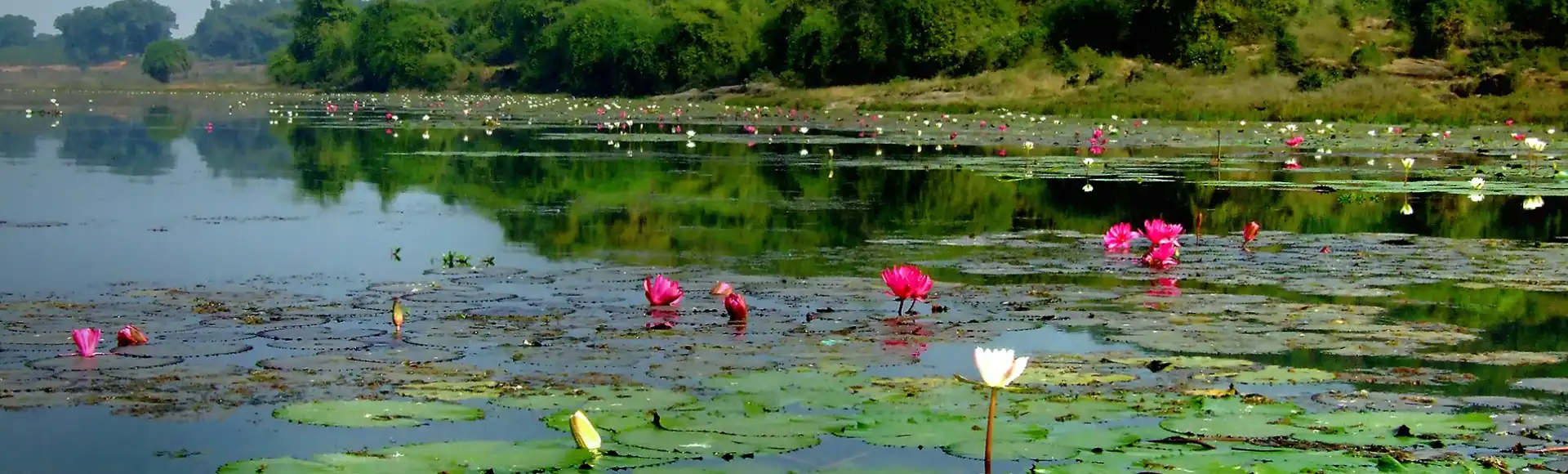
Athagad is reached most conveniently by road from Cuttack and other district centres. Local autos and hired vehicles are useful for short trips, while a car makes nearby excursions easier. In town, explore the bazaar and the Gada–Rani Mahal area, asking locally about access to heritage sites. Dhabaleswar Temple is a popular nearby outing; the rural lakeside setting of Ansupa can also be considered as a regional excursion. Allow time for road travel between stops.

Attractions

Places to visit in Athagad

Sights within about 12 km of each other, even when they fall in different districts.

Map

Athagad on the map

  1. 1Ansupa Nature Camp

Odisha

Other cities to explore